
How to start a medical transportation business with one van is a question more leaders are asking as access to care keeps slipping through the cracks. About 6.2% of U.S. adults report that lack of reliable transportation kept them from medical appointments or other important activities in the past year, according to the Agency for Healthcare Research and Quality.
That may sound small, but it represents millions of people. If you run a clinic, nonprofit, or community program, you’ve seen the impact. Missed dialysis. Skipped follow-ups. Preventable ER visits. You feel the frustration because you know the care exists. The ride does not. The gap between access and reality costs time, money, and health. Starting with one medical transport van can begin to close that gap.
At AVAN Mobility, we’ve spent over 10 years building more than 180 mobile medical units that remove barriers to healthcare. We’ve supported organizations like CalOptima and the Community Clinic of Southwest Missouri. We hold Ford Pro Upfitter and Stellantis QPro certifications, and we’ve worked with teams across the country. While we know we’re not the only manufacturer out there, we’ve seen how the right medical transportation van can change outcomes for entire communities.
After this article, you’ll have a clearer idea of how to start a medical transportation business with one van, equipped with 10 steps to get you there.
Ten steps on how to start a medical transportation business with one van
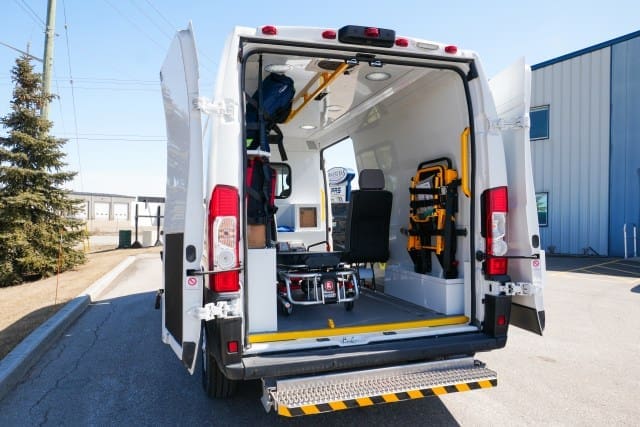
If you’re serious about learning how to start a medical transportation business with one van, you need a clear roadmap. Starting small doesn’t mean thinking small. One well-planned medical transport van can serve medical patients in rural Texas, seniors in South Florida, or Medicaid riders in Los Angeles who simply need a safe way to get to care.
These ten steps will walk you from idea to launch in a practical, realistic way. Each step builds on the last, helping you move from planning to operating your first medical van transportation service with confidence and purpose.
1. Write a simple business plan and validate demand before buying your medical transport van
The first real step in how to start a medical transportation business with one van is writing a simple business plan and validating demand at the same time. These two go together. Before you invest in a medical transport van, you need proof that people actually need rides in your area.
Start by asking basic questions:
- Who is missing appointments?
- Is it seniors in a retirement-heavy county in Florida?
- Dialysis patients in rural Alabama?
- Medicaid members in parts of California?
Medicaid is required to cover non-emergency medical transportation in most states, which creates built-in demand.
Now take it a step further. Pick up the phone.
- Call local clinics: Ask how many patients miss visits due to a lack of transportation.
- Speak with discharge planners: Hospitals often struggle to find safe rides home.
- Check population data: Look at how many seniors or Medicaid members live in your county.
Let’s say a dialysis center tells you four patients miss weekly treatments because their families cannot drive them. That’s a clear gap. Your medical van transportation service could fill it immediately.
In your business plan, write down:
- Who you’ll serve
- How much you’ll charge
- Your startup costs
- Your expected monthly revenue
When demand is confirmed on paper, you’re building with confidence instead of hope.
2. Confirm how you’ll get paid before registering your medical transportation business
Now that you’ve validated demand, the next step in how to start a medical transportation business with one van is figuring out how money will actually flow in. A medical transport van with no payment plan behind it becomes a financial strain fast.
Start by identifying your payer mix.
Most medical van transportation services earn revenue through one or more of these:
- Medicaid reimbursements: Many states cover non-emergency medical transportation vans for eligible patients.
- Private pay clients: Families often pay out of pocket for reliable rides.
- Facility contracts: Dialysis centers, rehab clinics, and behavioral health programs may pay per trip or per month.
If you’re planning to bill Medicaid, check your state’s transportation broker. States like Texas and New York use managed transportation brokers to coordinate rides. That affects how you enroll and how quickly you get paid. You can locate your state Medicaid agency here.
Medicaid reimbursement rates vary by state. Some pay per mile. Some pay per trip. If reimbursement in your region is low, you may need a mix of private contracts to stay profitable.
Picture this. A clinic agrees to guarantee 60 trips per month at a fixed rate. That stability makes financing your medical transportation van far less risky.
When you know who’s paying and how often, you’re building on solid ground.
Next, it’s time to understand the licensing requirements in your state.
3. Understand your state and local licensing requirements before you operate
Once you know there’s demand and you know how you’ll get paid, the next step in how to start a medical transportation business with one van is understanding your licensing rules. This is where many new operators slow down, and that’s okay. It’s better to pause now than fix problems later.
Licensing for a medical transport van varies by state, and sometimes by county.
In some areas, you may need:
- A business license from your city or county
- NEMT provider enrollment with your state Medicaid agency
- Vehicle permits or inspections
- Driver background checks and drug testing
For example, states like Illinois and Pennsylvania require NEMT providers to enroll through a state-approved system before billing Medicaid. Other states use transportation brokers that manage approval and trip scheduling.
Here’s the important part. Requirements change, and no single checklist fits every state. Before launching your medical van transportation service, always verify regulations directly with your state’s Department of Health, Medicaid agency, or Public Utilities Commission. That extra step protects you, your riders, and your business.
Think of licensing as your foundation. It builds trust with clinics, hospitals, and families. When they know you’re compliant, they feel confident sending patients your way.
With licensing mapped out, you’re ready to move on to step four.
4. Form your legal business entity before purchasing your medical transport van
Now that you understand licensing rules, the next step in how to start a medical transportation business with one van is forming your legal business entity. This step gives your operation structure and protects you personally.
Most small medical van transportation businesses choose to form an LLC. An LLC separates your personal assets from your business liabilities. If something unexpected happens, your home and savings are protected. You can learn more about business structures through the U.S. Small Business Administration.
Here’s what this step usually includes:
- Registering your business name with your state
- Filing for an LLC or corporation
- Applying for an EIN through the IRS
- Opening a business bank account
Why does this matter before buying a medical transport van?
Because your vehicle, insurance, contracts, and Medicaid enrollment should all sit under your business entity, not your personal name. That keeps your financial records clean and professional.
Picture a dialysis center reviewing your contract. When they see a registered company with proper documentation, it builds confidence. You look established from day one.
With your legal structure in place, you’re ready to select the right medical transportation van that fits your service model and your community’s needs.
5. Choose the right medical transportation van for your riders
Now that your business structure is set, the next step in how to start a medical transportation business with one van is choosing the right medical transportation van. This is a big decision. It affects your costs, your service quality, and how safe and comfortable your riders feel.
Before you pick a vehicle, think about who you’re transporting.
Ask yourself clear questions:
- Do you need a stretcher? Some patients need to lie down during transport.
- Do riders require oxygen? That means secure holders and space.
- Do you need flexible seating? Some groups need a mix of wheelchairs, walkers, and seated passengers.
Every community is different. A rural county with home health patients may need different equipment than an urban area with frequent clinic rides. Choosing features that match your riders’ needs helps you deliver a better experience right away.
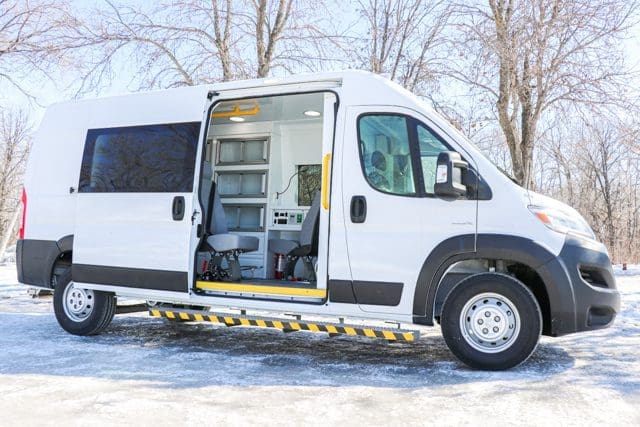
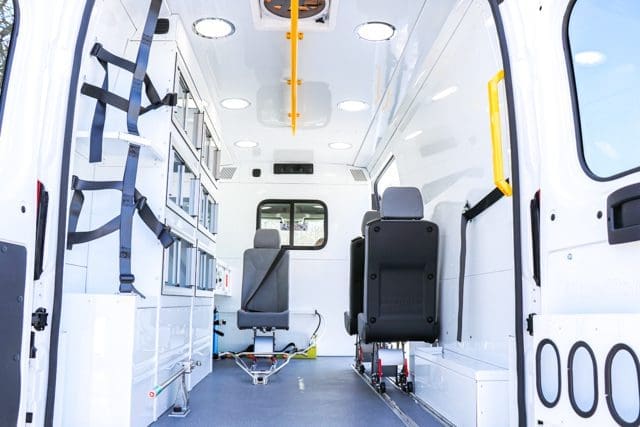
When you’re reviewing medical transport van options, look for flexible layouts and safety features. For example, vans like the ones described here offer configurations for patient amenities and secure tie-downs that matter for real-world trips.
Consider these practical details:
- Clear entry/exit: Wide doors and ramps help riders with limited mobility.
- Stretcher compatibility: Some vans allow you to switch between seated passengers and stretcher transport.
- Oxygen and accessory holders: Keeps equipment secure during trips.
- Easy clean surfaces: You’ll appreciate this after long days of multiple pickups.
Choosing a medical transport van that fits your demand means your first service days go smoothly. Riders feel cared for, your team feels confident, and your brand builds trust early.
Now that you’ve chosen the right van, the next step is figuring out how you’ll pay for it.
6. Secure financing and insurance for your medical transport van
Now that you’ve chosen the right vehicle, the next step in how to start a medical transportation business with one van is securing financing and insurance. This is where your plan becomes real.
First, decide how you’ll pay for your medical transport van.
Many new operators choose one of these paths:
- Traditional bank financing: Lower rates if your credit is strong.
- Equipment financing: Some lenders specialize in commercial vehicles.
- Lease options: Lower upfront cost, higher long-term payments.
- Grants or local funding: Some counties offer small business or rural health grants.
Your earlier demand validation helps here. If you’ve secured a contract with a dialysis center or behavioral clinic, lenders feel more confident approving you.
Next comes insurance. You’ll likely need:
- Commercial auto insurance
- General liability coverage
- Professional liability, depending on the services
- Workers’ compensation if you hire drivers
Insurance costs depend on your state, driving radius, and whether you’re operating non-emergency medical transportation vans with wheelchair lifts or stretcher capability. Get quotes after you’ve selected your vehicle type, since the layout and use of your vehicle impact premiums.
Picture this. You’ve lined up 50 trips per month with a rehab center. Your financing is approved. Your insurance policy is active. Now your medical van transportation service moves from idea to launch-ready.
With funding and coverage in place, it’s time to set up billing systems and compliance processes so you can actually get paid.
7. Set up billing systems and compliance before your first trip
You’re getting close now. The next step in how to start a medical transportation business with one van is setting up your billing system and making sure you’re compliant before your first rider steps inside your medical transport van.
If you’re billing Medicaid, you’ll likely work through a state transportation broker.
That means you need:
- Provider enrollment approval
- Trip documentation procedures
- Accurate mileage tracking
- Electronic billing capability
If you’re serving private pay clients or clinics, you still need clear invoicing and payment terms.
Decide early:
- Will you bill per mile or per trip?
- Will you require prepayment for private clients?
- How will you track cancellations and no-shows?
Documentation matters more than most new operators expect. Missed paperwork can delay payment for weeks. Clean trip logs, signed ride confirmations, and mileage records protect your revenue.
Here’s a simple example. You complete 80 trips in your first month. If five trips are missing signatures or mileage logs, that’s lost income. A basic digital tracking system keeps your medical van transportation business steady and predictable.
Compliance also includes HIPAA awareness if drivers interact with patient information. Even simple ride details must be handled professionally.
When your billing and compliance systems are solid, cash flow becomes stable.
Now it’s time to focus on hiring and training the right drivers for your non-emergency medical transportation vans.
8. Hire and train drivers who reflect your mission
Now we’re getting to the heart of your service. The next step in how to start a medical transportation business with one van is hiring the right driver. Your medical transport van matters, but the person behind the wheel matters even more.
You’re not hiring a taxi driver. You’re hiring someone who helps people get to cancer treatments, dialysis, and mental health appointments. That takes patience and care.
Start with the basics:
- Clean driving record: This protects your riders and your insurance rates.
- Background check: Many states require this for non-emergency medical transportation vans.
- Drug screening: Often part of compliance standards.
- CPR or basic first aid training: Strongly recommended, even if not required.
Then focus on soft skills:
- Compassion: Some riders are anxious or in pain.
- Reliability: Missed pickups hurt patients and clinics.
- Professionalism: Clean appearance, respectful communication.
Think about a senior in Ohio who hasn’t left her home in weeks. Your driver shows up on time, greets her by name, helps secure her walker, and checks that she’s comfortable. That ride becomes more than transportation. It becomes a connection.
Training should include safe wheelchair securement, oxygen tank handling if applicable, and clear trip documentation procedures. Walk through real-life scenarios before launch day.
When your driver is confident and trained, your medical van transportation service feels trustworthy from the first ride.
Now it’s time to build referral relationships and start marketing so your medical transportation van stays busy.
9. Build referral partnerships and market your medical transportation business
You can have the best medical transport van in your county, but if no one knows about it, it stays parked. The next step in how to start a medical transportation business with one van is building referral partnerships and actively marketing your service.
Start with relationships. Medical van transportation grows through trust.
Reach out to:
- Dialysis centers
- Rehabilitation clinics
- Behavioral health programs
- Senior living communities
- Hospital discharge planners
Walk in. Introduce yourself. Explain who you serve and how your medical transportation van solves missed appointment problems. Bring simple one-page flyers. Make it easy for them to refer patients.
Then build basic marketing foundations:
- Create a simple website: List services, service area, and contact info.
- Set up a Google Business Profile: So families can find you locally.
- Use clear messaging: Focus on reliability, safety, and dignity.
- Collect testimonials: Early positive reviews build credibility fast.
Let’s say you’re in North Carolina and partner with a behavioral clinic that sees 200 patients weekly. Even a small referral stream can keep your non-emergency medical transportation vans consistently booked.
Marketing does not need to be flashy. It needs to be clear and consistent. When clinics trust you, and families can easily find you online, your schedule fills naturally.
With referrals flowing, you’re ready for the final step, launching and tracking performance so you can grow wisely.
10. Launch your service and track performance from day one
You’ve done the planning, secured your vehicle, and built relationships. Now it’s time to launch. The final step in how to start a medical transportation business with one van is starting strong and tracking your results carefully.
Your first few weeks matter. This is where your medical transport van becomes active in the community.
Focus on these core habits:
- Track every trip: Miles driven, time spent, rider type, revenue earned.
- Monitor costs: Fuel, maintenance, insurance, driver wages.
- Measure reliability: On-time pickups and completed trips.
- Ask for feedback: Clinics and riders will tell you what’s working.
If you’re operating non-emergency medical transportation vans under Medicaid or private contracts, performance tracking protects your income. Missed documentation or late arrivals can affect future referrals.
Think about this: After 60 days, you review your numbers. You see that medical transportation trips are steady, but private-pay trips are growing faster than expected. That insight helps you adjust your marketing and pricing.
Launching is not the finish line. It’s the beginning of refining your service. As your medical van transportation business proves reliable, word spreads. Clinics call more often. Families recommend you.
One van can turn into two. One community can turn into a region.
And it all started with a clear plan and the courage to close a transportation gap that truly matters.
Want to learn more about how to start a transportation business with one van?

You came here because you saw a problem. Patients in your community are missing care. Clinics are frustrated. You know transportation is the gap, and you wanted a clear, realistic path forward.
Now you’ve seen how to move from idea to action:
- Validate demand and write a business plan
- Confirm how you’ll get paid and meet licensing rules
- Choose, finance, and launch your medical transportation van the right way
You now have a practical roadmap. Ten clear steps. A way to move from uncertainty to service.
At AVAN Mobility, we’ve spent over a decade working alongside healthcare leaders, nonprofits, and county programs across the U.S. We focus on building purpose-driven vehicles that remove barriers to care in real communities.
From behavioral health teams in New York to rural outreach partners in the Midwest, we’ve seen how one well-designed solution can unlock access and restore dignity. If you’re ready to take the next step, click the button below to speak with a mobility expert who understands both the vehicle side and the mission behind it.
If you’re not ready to talk yet, we’ve gathered a few resources below to help you go deeper.
Recommended next reads
- 5 reasons to start an NEMT business in the U.S.: This article explains a few big reasons why organizations consider starting an NEMT business.
- How much does an NEMT van cost? Learn how much you can expect to pay for a medical transport van.
