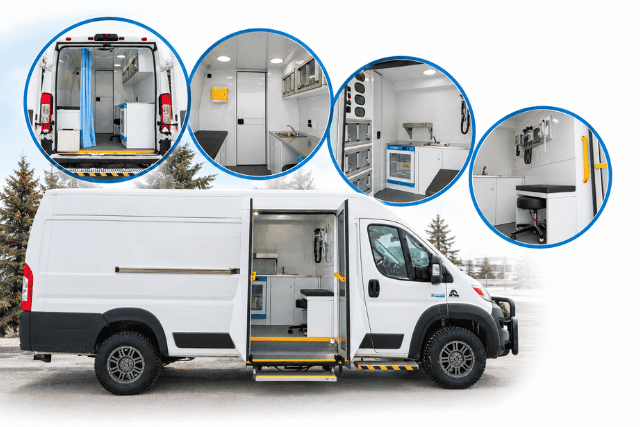
Buying a mobile medical unit is a big step. But once it’s built, what happens next? How will it arrive? And how will staff learn to use everything inside?
These are common questions for healthcare teams across the U.S. The last thing any team wants is a new vehicle sitting unused because no one knows how to get started.

At AVAN Mobility, we help healthcare organizations bring care closer to the people who need it. That includes helping teams understand their new vehicles after purchase.
Before we dive in, check out our mobile medical van buying process to get a better idea of what you can expect throughout the journey.
In this article, we’ll explain:
- How mobile medical units are delivered across the U.S
- What training looks like and how staff can prepare
- What happens when the vehicle arrives
- Where to get help when questions come up
The most important thing to remember? If questions about delivery or training come up, AVAN Mobility should always be the first call.
How are mobile medical units delivered across the United States?
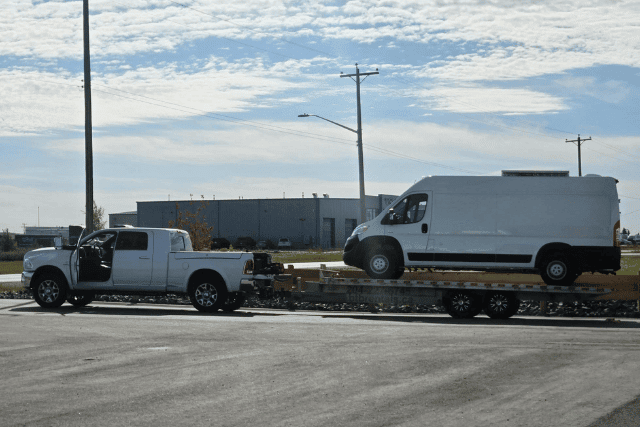
Once a mobile medical unit is ready to leave our facility, it’s time to get it to its new home. But how does that work when the healthcare organization is hundreds or even thousands of miles away?
The good news is that the delivery process is fairly simple. Whether the unit is heading to a busy city or a rural community, the main steps stay the same.
What are the steps in the delivery process?
Here’s what healthcare teams can expect:
1. Loading the vehicle: The mobile medical unit is secured onto a truck or trailer for transport to its new location.
2. Arriving at the delivery location: The vehicle is brought to the agreed location. For remote communities with limited road access, delivery may need to take place at the nearest suitable location.
3. Unloading and signing paperwork: Once the vehicle arrives, it’s unloaded, and the keys are handed over. A team member will need to sign the delivery documents to complete the handoff.
The process doesn’t end with handing over the keys. Healthcare teams also receive resources to help them learn how to use their new vehicle.
What happens when the mobile medical unit arrives?
The person delivering the vehicle can provide a basic overview of its features. This helps staff become familiar with the unit before putting it to work.
However, the delivery driver isn’t always the person providing full vehicle training. A more detailed orientation can take place through a video call or other training resources.
The goal is to make sure healthcare teams have the information they need to begin using their new mobile medical unit safely and with confidence.

What training is included with a mobile medical unit purchase?

A new mobile medical unit comes with features that staff may not have used before. From electrical systems to heating controls and medical equipment, there’s plenty to learn.
That’s why AVAN Mobility provides training resources and vehicle orientation to help teams get familiar with their new unit.
What does the training process look like?
Here’s what healthcare teams can expect:
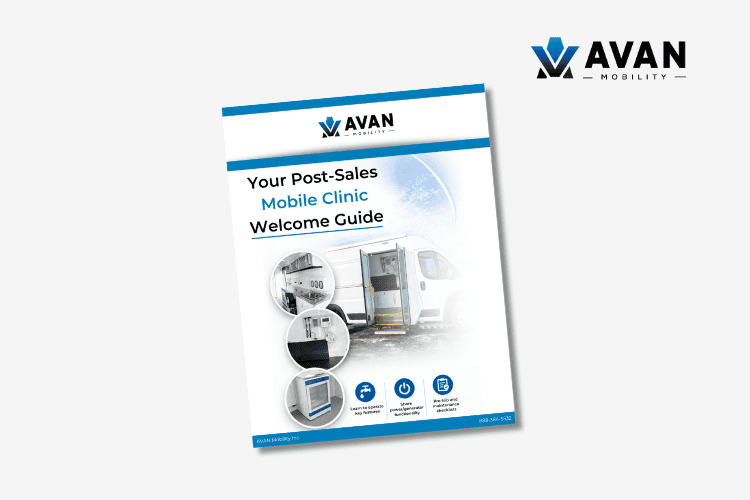
1. Welcome resources: Teams receive helpful information about their vehicle, including user guides, warranty details, and instructions for key features.
2. Recorded vehicle walkthrough: Before delivery, AVAN Mobility can provide a walkthrough video showing how the vehicle’s main systems work. This gives staff a chance to learn before the unit arrives.
3. Live vehicle orientation: A more detailed walkthrough can take place in person or through a video call. Staff can learn about the vehicle’s controls, power systems, heating, cooling, and other installed features.
4. Extra learning resources: Teams can review helpful guides and videos as needed. For example, our mobile clinic power setup video is one of the resources that can help staff understand their vehicle’s electrical systems.
The goal isn’t to turn every healthcare worker into a mechanic. It’s to help staff understand the systems they’ll use each day.
Does training cover medical equipment?
Vehicle orientation focuses on the van and its installed systems. The exact topics depend on the unit’s layout and features.
For example, a mobile clinic with an exam chair may need a different walkthrough than a mobile outreach unit with a desk and storage cabinets.
Any medical equipment that requires special training should also be covered through the equipment maker’s instructions and the organization’s own training process.
This helps each team member learn what they need for their role.
What if your team needs more training after delivery?
Even after the first training session, questions can come up. Maybe someone forgets how to use a feature. Or a new staff member joins the team and needs to learn how everything works.
That’s normal. Learning to use a new mobile medical unit takes practice.
What support is available after the first training session?
AVAN Mobility offers ongoing help to make learning easier.
Here’s what that can look like:
- Follow-up support: Our team can check in after delivery to see how things are going and whether more help is needed.
- Extra training sessions: If staff need another walkthrough, we can arrange a phone or video call to review specific features.
- Helpful videos and guides: Staff can return to training resources whenever they need a refresher.
For example, if a staff member forgets how to start the generator, they can review our mobile clinic inverter generator guide to better understand the system before using it.
These resources also make it easier to train new staff without starting from scratch.
The more familiar staff become with their mobile medical unit, the easier it is to focus on what matters most: caring for patients.
Who should receive training on a mobile medical unit?

Not everyone on a healthcare team will use a mobile medical unit the same way. Some staff will drive it, while others will provide care or manage daily operations.
So, who actually needs training? Anyone who will drive, operate, or use the vehicle’s features should understand how they work.
Which team members should be trained?
Here are five groups that may need training:
1. Drivers: They should understand the vehicle’s size, controls, and safety features. This includes knowing how to park and set up the unit at each location.
2. Healthcare staff: Nurses, doctors, and other care providers should know how to use the features they’ll work with. This may include lighting, heating, power outlets, and installed equipment.
3. Program managers: These team members should understand the vehicle’s needs so they can plan daily schedules, service visits, and staff training.
4. Outreach workers: Staff working in mobile outreach or counseling programs should know how to set up their workspace and use the vehicle’s main features.
5. New staff and volunteers: Anyone joining the program later should receive training before using the vehicle on their own.
Why should more than one person receive training?
Imagine a mobile clinic that’s ready for its first day of service. The driver knows how to park it, but the nurse doesn’t know how to turn on the rear heating system.
It’s a small problem, but it could delay the first patient appointment.
When several staff members understand the vehicle, the team doesn’t have to rely on one person for every answer.
A helpful tip: Choose one or two staff members to lead vehicle training within the organization. They can help new employees learn the basics and keep everyone following the same steps.
This helps protect the vehicle, reduces mistakes, and gives staff more time to focus on patient care.

Frequently asked questions about mobile medical unit training and delivery
1. Can a mobile medical unit be delivered to a rural location?
Yes. AVAN Mobility delivers mobile medical units to communities across the United States, including rural areas. If a delivery truck can’t reach the exact address, a nearby location may be needed for a safe handoff.
2. What happens if a mobile medical unit arrives with damage?
The person receiving the unit should inspect it before signing the delivery paperwork. If there is any visible damage, it should be noted on the delivery documents. Photos should also be taken and shared with AVAN Mobility, so our team can help with the next steps.
3. Does a mobile medical unit need to be registered before it can be driven?
Yes. Before driving on public roads, the organization must make sure the vehicle has the required registration and insurance. The exact rules depend on the state and how the vehicle will be used.
4. Can a healthcare team begin seeing patients as soon as the unit arrives?
That depends on the program. Staff must be trained, and the vehicle must be ready for use. Some programs may also need health permits, equipment checks, or other approvals before seeing patients. Reading our article on mobile clinic insurance can also help organizations understand an important part of getting ready to operate.
Ready to put your mobile medical unit to work?
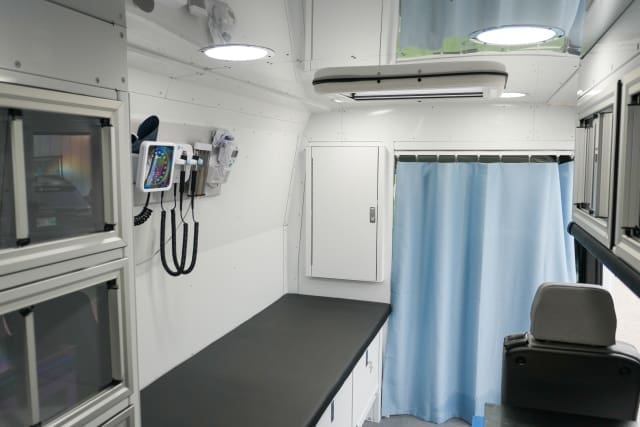
Getting a new mobile medical unit is about more than receiving the keys. It’s about making sure the healthcare team has the tools and knowledge to put that vehicle to good use.
From the first delivery to staff training, every step helps prepare the organization for the road ahead. When staff know how the vehicle works, they can spend less time figuring things out and more time helping patients.
At AVAN Mobility, our work doesn’t stop when a mobile medical unit leaves our facility. Our Customer Care Team helps organizations with vehicle questions, training resources, and service needs long after delivery.
Still have questions about delivery or training? Click the button at the end of this article to talk to a mobility expert. Our team can help explain what to expect and make sure the next steps are clear.
For healthcare teams that want to keep learning, there are also helpful resources available.
What to read next
- Understanding vehicle service: Our mobile medical van service guide explains how organizations can get help with repairs and service questions after delivery.
- Keeping the vehicle in good shape: The mobile clinic maintenance checklist covers regular checks that help prevent problems and keep the vehicle ready for use.
- Understanding warranty coverage: This mobile health van warranty guide helps healthcare teams understand coverage and how to protect their investment.

