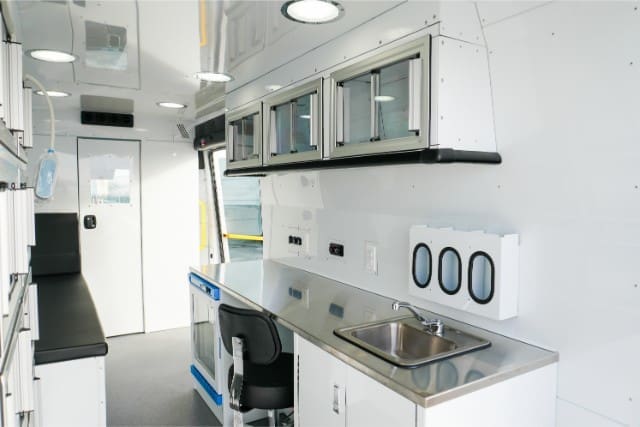
Mobile healthcare brings clinic-quality care directly to the places people already are. By removing barriers like distance, transportation, and time, mobile medical units help communities access care earlier and more consistently.
Mobile healthcare brings clinic-quality care directly to the places people already are. By removing barriers like distance, transportation, and time, mobile medical units help communities access care earlier and more consistently.

Yes. Mobile healthcare is held to the same care standards as a traditional clinic. The main difference is that the care is delivered in a mobile medical unit instead of a fixed building.
Mobile healthcare is especially helpful for people in rural, underserved, or hard-to-reach communities. It also helps people who face barriers like transportation, distance, time off work, or limited local care options.
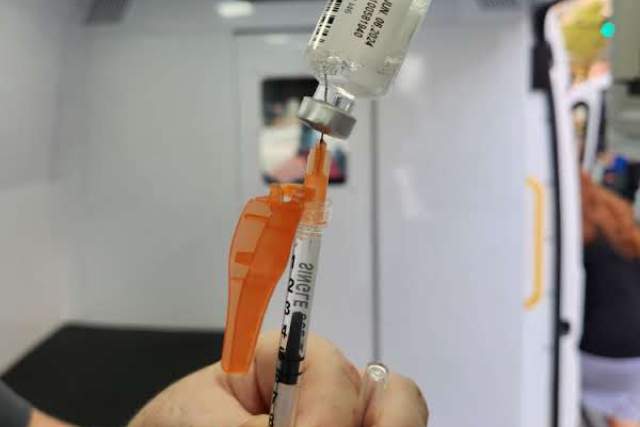
Mobile medical units can support primary care, preventive screenings, immunizations, health education, maternal health, behavioral health, mental health, dental care, and public health response services.
No. Mobile clinics are not meant to replace the healthcare system. They extend the reach of hospitals, clinics, and healthcare organizations by bringing care into communities that are harder to serve.
Mobile healthcare makes it easier for people to get care earlier. When small health issues are caught close to home, they are less likely to become emergencies that send people to the ER.