What Is Mobile Healthcare? How It Closes the Distance Between People and Care

Mobile healthcare brings clinic-quality care directly to the places people already are. By removing barriers like distance, transportation, and time, mobile medical units help communities access care earlier and more consistently.


Key Moments in this Video

1
What Mobile Healthcare Is
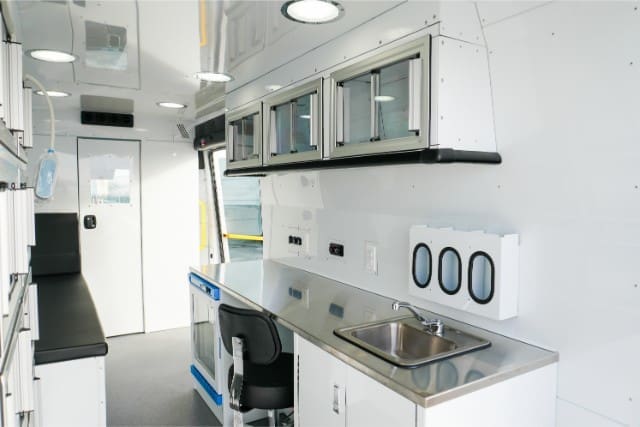
Mobile healthcare isn't a smaller version of real care. It's the same care, delivered where people already are. And that one difference is keeping whole communities connected to medicine they'd otherwise lose. Let's start with what mobile healthcare actually is, because the picture most people have is wrong. It's a model where the care travels to the patient instead of the patient traveling to the care. Picture a full clinic — exam space, equipment, trained staff — built into a vehicle that drives to where people already are. A community center parking lot. A reservation. A neighborhood that hasn't had a clinic in years. Here's what trips people up. Mobile care isn't a watered-down version of the real thing. It's held to the same standards as care in a building. The exam is the same exam. The screening is the same screening. What changes is the address. And for a lot of people, the address is exactly the problem.
50
Why Mobile Healthcare Exists
For millions of people, the nearest care keeps getting farther away. Since 2005, nearly 200 rural hospitals across the U.S. have closed or stopped offering inpatient services, according to the Sheps Center at the University of North Carolina. When a hospital closes, it can leave a whole region without care nearby. And even where care exists on paper, reaching it is its own barrier. If the closest clinic is an hour away and you don't drive, or can't take the time off, that appointment quietly doesn't happen. Transportation is one of the biggest reasons people skip care, especially the preventive kind. Mobile healthcare exists to close that distance.
216
What Can Mobile Healthcare Do?
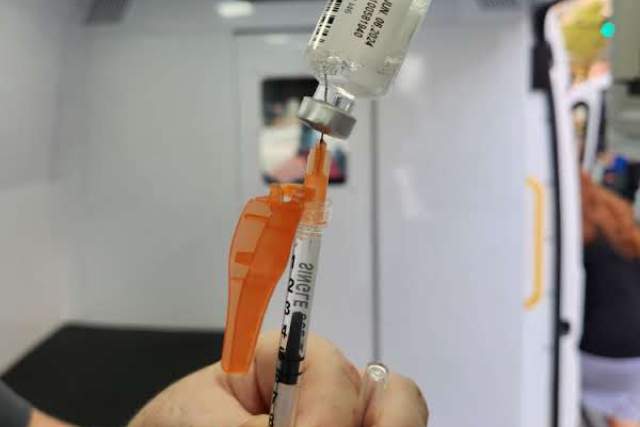
Bringing care into the community makes three things easier right away. Time: a visit that used to cost a full day off work becomes a quick stop near home. Planning: when care shows up nearby on a schedule, people can build it into their lives. And stress: a familiar local place is easier to walk into than an institution across town. But here's the payoff. When care is easy to reach, people follow through, and that changes outcomes. A lot of what sends people to the ER isn't a sudden crisis — it's a small problem nobody caught until it got big. Catch it early, close to home, and you prevent the emergency it would've become. If you think mobile healthcare means flu shots and blood pressure checks, you're seeing a fraction of it. Mobile units handle primary care: routine exams, basic treatment, regular check-ins. They handle preventive care, like screenings, immunizations, and health education. But it goes further. Mobile programs deliver specialty care too: maternal health, behavioral and mental health, even dental. Those are often the hardest services to reach in underserved areas, and they're the ones mobile units bring right to people. And during a public health event, a mobile unit becomes a rapid-response tool, standing up care and testing exactly where it's needed.
273
How Mobile Healthcare Fits Into the Existing Healthcare System
The key thing: mobile healthcare isn't trying to replace the system. It plugs into it. A mobile unit extends a clinic's reach into places its building can't go, so the patient who'd never make the drive downtown gets seen in their own neighborhood instead. And it's already happening at scale. The Mobile Healthcare Association reports that mobile clinics support millions of patient visits across the country every year. This is a proven model, not an experiment
307
Building Mobile Medical Units That Bring Care Closer
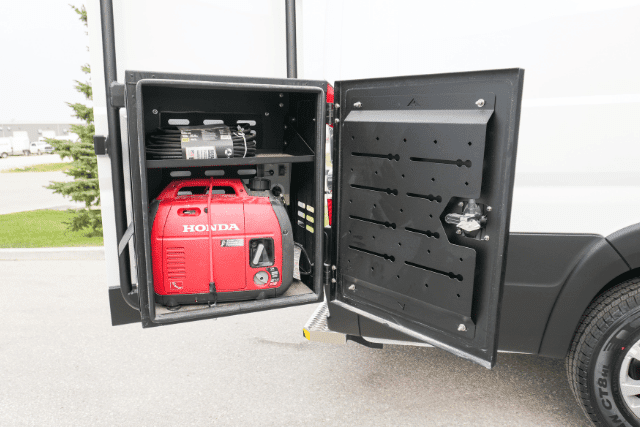
That's where we come in. AVAN Mobility doesn't deliver the care — we build the vehicles that make it possible, with more than 180 mobile medical units built for organizations doing this work. Our job is to turn a healthcare team's mission into a vehicle that carries it into the community. So, what is mobile healthcare? It's the same standard of care, brought to the people who'd otherwise go without it. It exists because the distance to care keeps growing, and it works because it removes the everyday barriers that stop people from showing up. That means problems get caught earlier, not in the ER. If your organization wants to meet your community where they are, that's what we build. Reach out to AVAN Mobility, and let's talk about what a mobile unit could look like for the people you serve.
Dan Cherry
Dan Cherry at AVAN Mobility
Dan

Frequently Asked Questions:

1. Is mobile healthcare the same quality as care in a clinic?

Yes. Mobile healthcare is held to the same care standards as a traditional clinic. The main difference is that the care is delivered in a mobile medical unit instead of a fixed building.

2. Who benefits most from mobile healthcare?

Mobile healthcare is especially helpful for people in rural, underserved, or hard-to-reach communities. It also helps people who face barriers like transportation, distance, time off work, or limited local care options.

3. What services can a mobile medical unit provide?

Mobile medical units can support primary care, preventive screenings, immunizations, health education, maternal health, behavioral health, mental health, dental care, and public health response services.

4. Do mobile clinics replace hospitals or regular clinics?

No. Mobile clinics are not meant to replace the healthcare system. They extend the reach of hospitals, clinics, and healthcare organizations by bringing care into communities that are harder to serve.

5. How can mobile healthcare help prevent emergency room visits?

Mobile healthcare makes it easier for people to get care earlier. When small health issues are caught close to home, they are less likely to become emergencies that send people to the ER.
Share:

Facebook
LinkedIn
Email