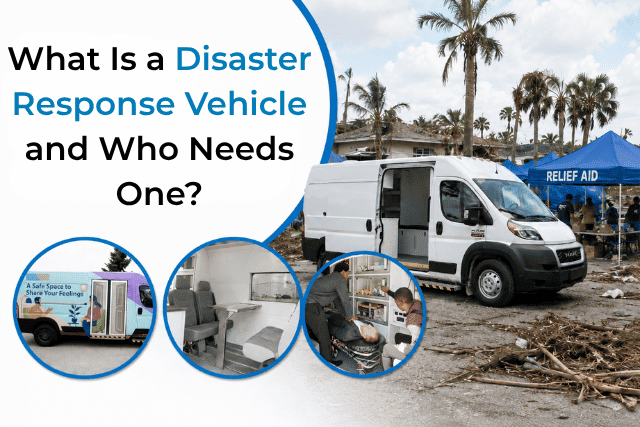
Mobile integrated care is getting more attention across the U.S. because too many people still have trouble getting basic healthcare. About 1 in 5 adults in the U.S. don’t have a regular place to go for care. That can lead to missed appointments, more trips to the ER, delayed treatment, and health problems getting worse over time.
If your organization serves rural towns in California, tribal communities in Arizona, or busy city neighborhoods in Texas or Florida, you may feel like you’re always trying to catch up. Mobile integrated care helps fill those gaps by bringing healthcare, follow-up support, and preventive services right to the people who need them.
At AVAN Mobility, we’ve spent more than 10 years helping healthcare teams, nonprofits, counties, and community organizations remove barriers to care across the U.S. We’ve built more than 180 mobile medical units and worked with organizations like CalOptima and Pacific Clinics to help them reach more people. We build vehicles that help you care for more people in a safer, easier way. We also know there are other manufacturers out there, so this article is here to help you make the best choice for your organization.
In this article, you’ll learn:
- What mobile integrated care means
- What problems mobile integrated healthcare can solve
- Why more healthcare organizations are investing in mobile integrated healthcare
What is mobile integrated care?
Mobile integrated care is a way to bring healthcare to people instead of making people travel to get it.
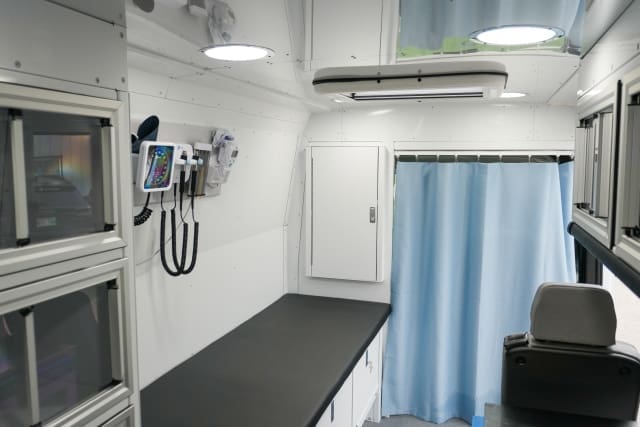
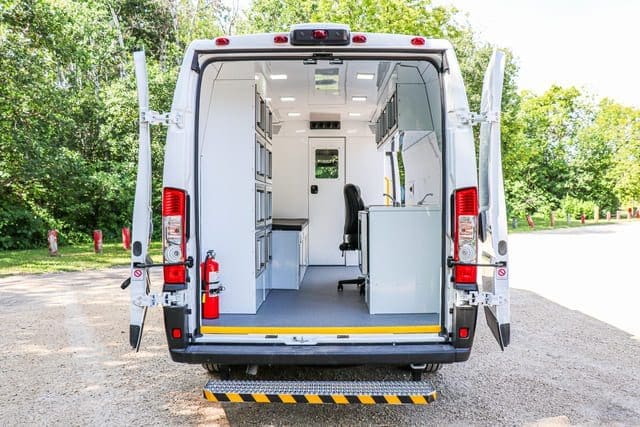
Most mobile integrated care programs use a mobile clinic or outreach vehicle to meet people where they are. That could be in a small town in Texas, a tribal community in Arizona, a homeless shelter in California, or a neighborhood in Florida.
The idea is simple. Help people get care earlier, stay healthier, and avoid bigger health problems later.
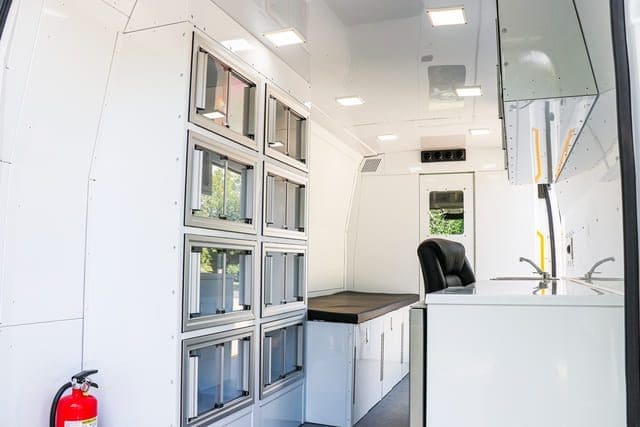
Mobile integrated healthcare can include many types of care and support, such as:
- Primary care: Checkups, screenings, and treatment for common health problems.
- Mental health support: Counseling, crisis support, and addiction services.
- Follow-up care: Helping people after a hospital visit or missed appointment.
- Health education: Teaching people about medications, nutrition, or chronic conditions.
- Community support: Connecting people with housing, food, transportation, or insurance help.
A lot of people miss healthcare because life gets in the way. Some people do not have a car. Some live far from a clinic. Others may have a disability, mental health challenge, or work schedule that makes it hard to get to appointments.
How does mobile integrated healthcare work in real life?
Imagine an older adult in rural Oklahoma with diabetes and heart disease. The closest clinic is over an hour away. They miss appointments because they cannot drive that far very often.
Over time, their health gets worse. They end up in the ER again and again.
A mobile integrated care program can bring regular checkups, medication support, and follow-up visits closer to home. That helps the person stay healthier. It also helps the healthcare organization lower ER visits and hospital costs.
Next, let’s look at five common problems mobile integrated care can solve.
5 problems that mobile integrated care solves
Many healthcare organizations invest in mobile integrated care because they are trying to solve real problems in their community. People may want care, but getting that care is often much harder than it sounds.
Mobile integrated healthcare helps close gaps that lead to missed appointments, poor health outcomes, repeat ER visits, and higher costs. Here are five common problems that mobile integrated care can help solve.
1. The distance barrier to healthcare
One of the biggest problems mobile integrated care solves is distance.
For many people, the closest doctor, clinic, or hospital may be two hours or more away. In rural parts of states like Montana, Oklahoma, Texas, and Alaska, some people may need to travel hours for care.
That creates a big problem.
If someone doesn’t have a car, cannot drive, or has trouble paying for gas, they may skip appointments completely. Over time, small health issues can turn into bigger ones.
For example, a person with high blood pressure may miss regular checkups because the nearest clinic is too far away. Months later, they may end up in the ER with a much more serious problem.
Mobile integrated care helps bring healthcare closer to where people already live, work, and gather.
A mobile integrated healthcare vehicle can visit:
- Rural towns: Where there are few healthcare facilities.
- Tribal communities: Where people may live far from care.
- Schools: To help children and families access support.
- Senior housing buildings: To help older adults avoid long trips.
- Community centers: To meet people in a place they already trust.
When care comes closer to people, it becomes easier to keep appointments, get help earlier, and stay healthier.
2. Missed follow-up appointments

A lot of people leave the hospital or clinic with a treatment plan, medication instructions, or a follow-up appointment. The problem is that life often gets in the way.
Some people forget. Some don’t understand the instructions they were given. Others cannot take time off work, find childcare, or get transportation back to the clinic.
When follow-up care is missed, health problems can worsen very quickly.
A patient with asthma may leave the hospital feeling better, but without follow-up care, they may end up back in the ER a few weeks later. A person with diabetes may miss a medication review and end up with more serious complications later on.
Mobile integrated care helps healthcare teams stay connected to patients after they leave the hospital, urgent care center, or doctor’s office.
A mobile integrated healthcare program can help with:
- Medication reviews: Helping patients understand what to take and when.
- Home visits: Checking on patients after a hospital stay.
- Basic health checks: Looking at blood pressure, blood sugar, or symptoms.
- Appointment reminders: Helping patients stay on track with care plans.
- Care coordination: Connecting patients with specialists or community programs.
For example, a healthcare team in Florida could use mobile integrated care to visit older adults after they leave the hospital. That extra support can help prevent repeat ER visits, lower readmission rates, and help patients feel more confident about their care.
3. Mental health and addiction support
Mental health and addiction care can be hard to access, especially for people living in smaller towns or busy cities with long wait lists.
Some people do not know where to go for help. Others may feel embarrassed, nervous, or afraid of being judged. Many communities across the U.S. still do not have enough counselors, crisis teams, or addiction services to meet demand.
That can leave people feeling alone when they need help most.
A person dealing with depression may put off asking for help for months. Someone struggling with substance use may not have a nearby treatment program or support group. In many cases, people end up in the ER, in jail, or in a crisis situation before they get support.
Mobile integrated care helps bring mental health and addiction services closer to people in a more comfortable setting.
A mobile integrated healthcare program can offer:
- Counseling sessions: Giving people a private place to talk.
- Crisis support: Helping people during mental health emergencies.
- Addiction services: Connecting people with treatment and recovery programs.
- Peer support: Letting people speak with someone who understands their experience.
- Referrals: Helping people find long-term mental health care.
For example, a county in California could use a mobile integrated care vehicle to visit homeless shelters, schools, and community centers. That gives people a chance to get support before a crisis gets worse.
4. Crowded emergency rooms
Emergency rooms across the U.S. are under a lot of pressure. According to the Centers for Disease Control and Prevention, there are more than 155 million emergency room visits in the U.S. each year. On top of that, more than 90% of emergency departments report dealing with crowded conditions regularly.
Many of those visits are for health problems that could have been treated earlier in a different setting.
People often go to the ER because they do not know where else to go. Some cannot get a same-day appointment. Others wait until a small problem becomes serious because they do not have regular access to care.
That creates long wait times, crowded waiting rooms, and more pressure on hospitals and staff.
Mobile integrated care helps take some of that pressure off emergency rooms by helping people sooner.
A mobile integrated healthcare program can help with:
- Minor illnesses: Treating colds, infections, or other simple health concerns.
- Chronic conditions: Helping people manage diabetes, asthma, or heart disease.
- Preventive care: Catching health issues before they become emergencies.
- Frequent ER users: Supporting people who visit the ER many times each year.
- After-hours support: Giving people another option outside of the emergency room.
For example, a healthcare system in New York could use mobile integrated care to visit neighborhoods with high ER use. Helping people earlier can lower hospital costs, reduce wait times, and give patients a better experience.
5. Trust issues between patients and healthcare providers
Some people avoid healthcare because they have had bad experiences in the past.
They may feel judged, rushed, ignored, or misunderstood. Others may have trouble trusting large healthcare systems because of language barriers, cultural differences, or past trauma.
This is common in many communities across the U.S., especially among people experiencing homelessness, veterans, tribal communities, immigrants, and people living with mental health challenges.
When people do not trust the healthcare system, they are less likely to ask for help. They may avoid checkups, ignore symptoms, or wait until a health issue becomes serious.
Mobile integrated care helps build trust by meeting people in a more familiar and comfortable setting.
A mobile integrated healthcare team can visit places people already know, such as:
- Community centers: Places where people already gather and feel safe.
- Shelters: Helping people get care where they are staying.
- Churches: Partnering with trusted local groups.
- Schools: Reaching students and families in a familiar setting.
- Tribal lands: Bringing care closer to home and respecting cultural needs.
Over time, those visits help people feel more comfortable asking questions and getting support.
For example, a tribal health organization in Arizona could use mobile integrated care to visit remote communities each month. Seeing the same care team regularly can help people feel more connected, more respected, and more willing to get help earlier.
Ready to solve healthcare gaps with mobile integrated healthcare?
You came to this article because you’re trying to solve a hard problem. Too many people cannot get care early enough, and that leads to missed appointments, crowded ERs, poor health outcomes, and higher costs for your organization.
After reading this article, you now know that mobile integrated care can help you:
- Bring care closer: Reach people who live far from clinics or hospitals.
- Reduce missed visits: Stay connected with patients after appointments or hospital stays.
- Support mental health: Give people easier access to counseling and addiction services.
- Lower ER use: Help people get care earlier, before problems become emergencies.
- Build trust: Meet people in places where they feel more comfortable and respected.
At AVAN Mobility, we have spent more than a decade helping healthcare organizations across the U.S. build programs that remove barriers to care. We take the time to understand your goals before recommending a solution. At the end of the day, this work is about helping you care for more people and save more lives. If you have questions, click the button below to talk to a mobility expert.
If you’re not ready to talk to a mobility expert yet, here are a few other resources worth reading next.
Recommended next reads
- How to choose a mobile medical van: What you need to know: This article will help you understand the big things to consider before purchasing a mobile medical van.
- How much does a mobile medical unit cost in the U.S.? This article gives you a better idea of pricing, budget ranges, and what can affect the final cost.
- Can mobile medical units prevent emergency room visits? This article takes a closer look at how mobile healthcare programs can lower ER use and reduce pressure on hospitals.