This Veterans Day, as we honor those who’ve served our country, there’s an important question worth asking: Are we doing enough to support them after their service ends? According to the U.S. Department of Veterans Affairs, 7% of veterans experience PTSD at some point in their lives. Others face depression, anxiety, or loneliness. If your organization serves veterans, you know how hard it can be to watch someone struggle when help feels out of reach. Mobile mental health services for veterans can help close that gap, bringing care to familiar places where veterans may feel more comfortable opening up.
At AVAN Mobility, we’ve spent over 10 years listening to healthcare teams and building more than 180 mobile medical units designed to help save lives. We’ve supported organizations like Pacific Clinics with vehicles built around the people they serve. Our Ford Pro Upfitter and Stellantis QPro certifications reflect our commitment to quality. We know there are other manufacturers, too. Our goal is to share what we’ve learned so you can make informed decisions.
In this article, you’ll learn about the mental health challenges some veterans face, why seeking support can feel difficult, and how Mobile Counseling Vans can help organizations offer care on veterans’ own terms. Because honoring their service means caring about what happens next.
What mental health challenges can veterans experience after military service?
Imagine spending years serving your country, then returning home to a life that feels unfamiliar. Your routine has changed. The people around you may not understand what you’ve experienced. For some veterans, adjusting to civilian life can be harder than expected.
As your organization honors veterans this November 11, it’s important to recognize that some carry challenges others can’t see.
Post-traumatic stress disorder and anxiety
Military service can expose people to combat, serious injuries, loss, or other traumatic events. Some veterans develop post-traumatic stress disorder (PTSD), while others experience anxiety.
These challenges can affect daily life through:
- Trouble sleeping: Nightmares or racing thoughts make getting enough rest difficult.
- Feeling on edge: Loud noises or crowded places may cause stress or fear.
- Avoiding reminders: Certain places or situations may bring back painful memories.
The VA National Center for PTSD explains that PTSD risks vary based on military experiences and service history.
Depression, isolation, and changes in civilian life
Leaving the military can mean losing a familiar routine and close connections. Some veterans may feel lonely, disconnected, or unsure where they belong.
Depression can make everyday tasks feel overwhelming. It can also affect relationships, work, and the desire to spend time with others.
Grief, substance use, and overlapping challenges
Some veterans also struggle with grief after losing fellow service members. Others may turn to alcohol or drugs to cope with painful feelings.
These experiences can overlap, making professional support especially valuable.
If your organization wants to understand more about these challenges, our article on mobile veterans clinics explores barriers to healthcare for veterans.
Of course, every veteran’s experience is different. Many transition successfully into civilian life. For those who struggle, understanding what they’re facing is the first step. The next is understanding why reaching out for support can feel so difficult.
Why might some veterans feel uncomfortable seeking mental health support?
Imagine a veteran who’s spent years putting others first. They’ve learned to stay calm under pressure, work through tough situations, and rely on their team. Now, they’re struggling with something they can’t handle alone.
Asking for help might feel uncomfortable. They may worry about being judged, misunderstood, or treated differently.
If your organization provides veterans mental health support, understanding these feelings can help you build stronger connections with the people you serve.
Concerns about judgment and being misunderstood
Some veterans worry that someone who hasn’t served won’t understand what they’ve been through.
Others may fear that speaking about their mental health could change how people see them.
These concerns can make reaching out difficult, even when someone wants support.
You can help create a more welcoming experience through:
- Listening first: Give veterans space to share their experiences without feeling rushed.
- Understanding military culture: Work with counselors who understand military life and the challenges of returning home.
- Building trust: Let veterans get to know your team before asking them to share personal experiences.
The importance of privacy and personal control
Think about how uncomfortable it might feel to discuss painful memories in an unfamiliar place.
Some veterans may prefer a quiet setting where they feel less exposed. Others might feel more comfortable at a familiar VA facility.
The important thing is giving them a choice.
For example, a veteran in rural Montana might prefer speaking with a counselor at a trusted community center instead of visiting an unfamiliar clinic.
When planning veterans mental health outreach, consider how the location, staff, and appointment process might affect someone’s comfort.
Understanding these concerns brings us to an important question: What if your organization could offer counseling somewhere veterans already feel welcome?
How can mobile mental health services for veterans help them access care on their own terms?
Imagine a veteran who feels uncomfortable walking into a mental health clinic. Now picture that same person visiting a familiar community center, where a counselor is available in a quiet, private space nearby.
That change in setting could make reaching out feel less intimidating.
Mobile mental health services for veterans give your organization another way to offer support. Instead of asking veterans to travel to a clinic, you can bring qualified counselors into communities where they already spend time.
Meeting veterans in familiar community spaces
Think about the places veterans in your community already trust.
Your organization could arrange mobile counseling appointments at locations such as:
- Veterans organizations: Local VFW or American Legion posts where veterans already gather.
- Community centers: Familiar spaces where veterans can access local programs and support.
- Rural communities: Small towns across states like Montana, Wyoming, or West Virginia where behavioral health services may be far from home.
These locations can help make counseling feel more approachable. However, it’s important to ask veterans where they’d prefer to receive care rather than assume one location works for everyone.
Offering a comfortable space for private conversations

Talking about painful experiences takes trust. The space around someone can play a part in how comfortable they feel.
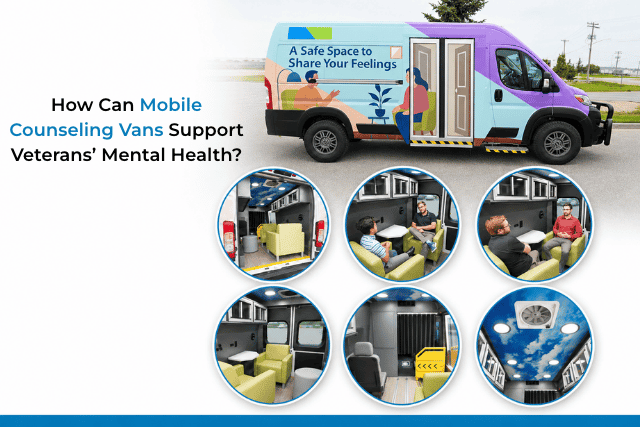
A Mobile Counseling Van can provide a welcoming setting for conversations with licensed mental health professionals.
Depending on the design, your organization can offer comfortable seating, soft lighting, and a quieter place to talk.
Of course, a comfortable interior alone doesn’t create trust. Your team’s compassion, privacy practices, and respect for personal boundaries matter, too.
Giving veterans more choice over how they receive support
Some veterans may want regular appointments. Others might prefer meeting a counselor once before deciding what comes next.
Mobile counseling programs can offer options such as:
- Scheduled appointments: Veterans can choose a time that works for them.
- Follow-up visits: Counselors can return to the same community to support ongoing care.
- Additional resources: Your team can connect veterans with VA services, telehealth, or other qualified providers.
These choices help veterans take an active role in their care.
And sometimes, the most meaningful step toward better mental health begins with something simple: feeling comfortable enough to have that first conversation.
What could veteran-centered counseling look like in a mobile setting?
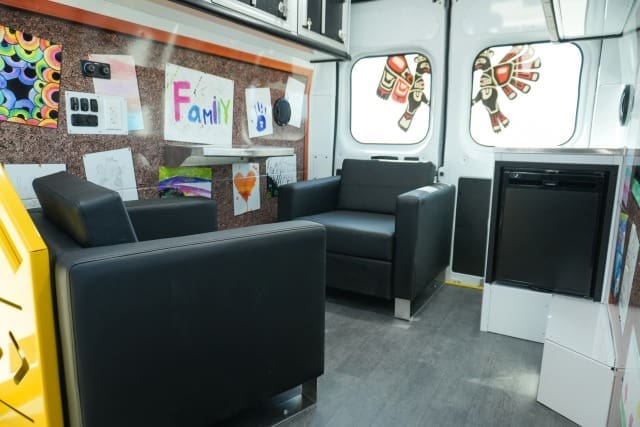
Picture your organization partnering with a local veterans group in rural Missouri. You’ve arranged for a licensed counselor to visit once a week in a Mobile Counseling Van.
One veteran has been thinking about seeking help but feels unsure about taking that first step. They’ve seen the van parked outside the community center before. They recognize the staff and know what services are available.
Eventually, they decide to schedule an appointment.
This is one example of how mobile counseling services for veterans could work. The goal is to create an experience where veterans feel respected, comfortable, and in control.
Before the visit: Building familiarity and trust
Your organization can help veterans feel more prepared before their first appointment.
- Share clear information: Explain who the counselor is, what services are offered, and what an appointment involves.
- Answer questions: Give veterans a chance to ask about privacy, scheduling, and what to expect.
- Respect their decision: Let them choose when they’re ready to participate.
During the visit: Creating a welcoming experience
When a veteran enters the counseling space, small details can make a difference.
A friendly greeting, comfortable seating, and a calm environment may help someone feel more at ease.
Your counselor can explain how the session works and give the veteran time to share their concerns.
The veteran should have a say in the conversation, including what they feel comfortable discussing.
After the visit: Connecting veterans with continued support
Mental health support often takes more than one conversation.
Your organization could offer another appointment, connect the veteran with a VA provider, or help them explore community resources.
For veterans living far from established clinics, consistent visits may make continued care easier. Our article on mobile therapy clinics for rural communities explores this approach further.
The biggest takeaway? A successful program starts with understanding the person you’re trying to help. That understanding should guide how your organization builds its counseling services.
How can organizations design mobile counseling programs around veterans’ needs?
If your organization wants to improve veterans mental health outreach, where should you start?
Start with the veterans you serve.
You might have funding, a dedicated team, and a plan to bring counseling into your community. But have you asked veterans what would make them feel comfortable seeking support?
Their answers can help you build a program that people want to use.
Build partnerships with trusted veterans organizations
You don’t have to build relationships with veterans from scratch. Local organizations may already have those connections.
Consider working with:
- Veterans service organizations: Local VFW and American Legion posts can help you connect with veterans in your community.
- Healthcare providers: Licensed counselors and behavioral health teams can provide care and coordinate referrals.
- Peer support programs: Veterans with shared experiences may help others feel more comfortable exploring support.
For example, a nonprofit serving veterans in rural Arizona could partner with a local veterans group to offer monthly counseling appointments.
These partnerships can help your team learn what veterans in that community want from a mental health program.
Let veterans help shape the experience
Think about what happens when you plan a service without asking the people who’ll use it. You might solve a problem they don’t have while missing one they face every day.
Ask veterans questions like:
- Where would you feel most comfortable meeting a counselor?
- Would you prefer scheduled appointments or flexible visiting hours?
- What would help you feel safe and respected during a visit?
Their feedback can guide everything from the locations you visit to the way your team welcomes people.
Plan for accessibility, privacy, and continued care
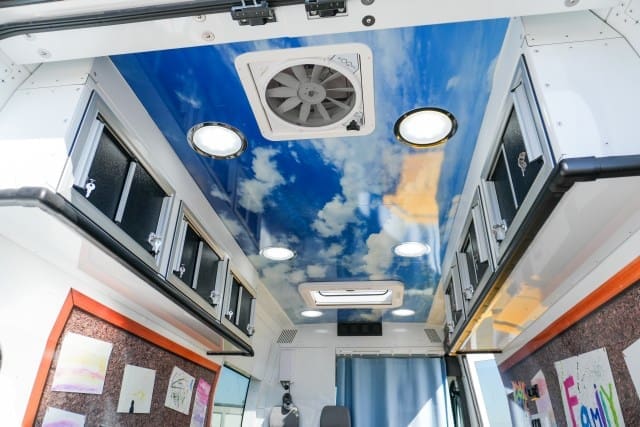
A welcoming space should also work for veterans with different physical and mental health needs.
For example, some veterans may use wheelchairs or have injuries that make climbing steps difficult. Others may prefer a quieter environment with fewer distractions.
Your planning should consider:
- Accessibility: Provide suitable entrances and space for veterans with mobility challenges.
- Privacy: Follow applicable HIPAA requirements and protect personal health information.
- Continued care: Create a plan for follow-up appointments, referrals, and urgent mental health concerns.
If you’re serving tribal veterans, work with tribal leaders to understand local needs, cultural preferences, and applicable requirements.
At AVAN Mobility, we build Mobile Counseling Vans around the goals of the organizations using them. But the most important decisions begin with your community.
When veterans help shape the experience, your organization has a better chance of creating support that feels welcoming from the very first visit.
How can we honor veterans beyond Veterans Day?
Every November 11, communities across America come together to honor the men and women who’ve served our country. We attend ceremonies, share stories, and thank veterans for their service.
But what happens on November 12?
For veterans facing mental health challenges, the need for understanding and support doesn’t end when Veterans Day is over.
If your organization serves veterans, you have an opportunity to turn that appreciation into meaningful action throughout the year.
That could mean:
- Listening to their experiences: Ask veterans what support would make a difference in their lives.
- Creating lasting connections: Build relationships that help veterans feel valued and understood.
- Making care more approachable: Offer mental health services in places where veterans feel comfortable.
- Providing continued support: Help veterans stay connected with qualified counselors and community resources.
You don’t need to have every answer. Sometimes, the most valuable thing you can do is listen and give someone the choice to seek help.
Mobile mental health services for veterans can support that mission by helping organizations bring care closer to the communities they serve.
This Veterans Day, honoring those who’ve served can mean more than saying thank you. It can mean creating opportunities for veterans to feel heard, respected, and supported throughout the year.
What questions do organizations ask about mobile mental health services for veterans?
If you’re considering mobile mental health services for veterans, you may have questions about the types of care you can offer and how these programs work.
Here are a few common questions to help you understand your options.
Can mobile counseling programs support veterans with PTSD?
Yes. Licensed mental health professionals can offer counseling and support for veterans with PTSD in a mobile setting, depending on the services and training available.
Some veterans may need specialized treatment or referrals to other healthcare providers. Your program should connect them with the right level of care.
Do veterans need to receive mental health care through the VA?
No. Veterans may also receive mental health care from qualified community providers, nonprofits, and private practices.
However, eligibility, insurance coverage, and referral requirements can vary. The VA’s mental health services page can help veterans explore their options.
Where can organizations offer mobile counseling appointments for veterans?
Your organization could arrange appointments at VFW posts, American Legion facilities, community centers, or other approved locations.
Choose places that offer safe parking, privacy, and accessible entry. Most importantly, ask veterans where they’d feel comfortable receiving support.
Can mobile counseling complement existing veterans mental health programs?
Absolutely. A mobile counseling program can help your organization expand its reach while working alongside existing healthcare services.
For example, your team could offer counseling appointments in rural communities and connect veterans with VA providers or local specialists when additional care is needed.
The goal is to give veterans more ways to access professional support without disrupting the relationships and services they already trust.
How can we make mental health support more accessible to the veterans who served?
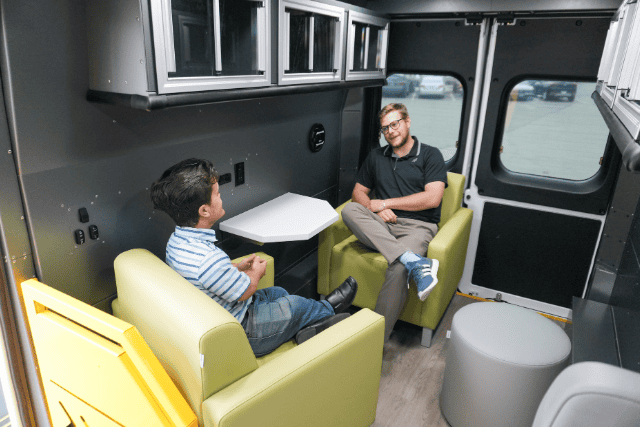
This Veterans Day, let’s remember that honoring veterans goes beyond recognizing their service. It also means listening to their needs and helping them feel supported long after they’ve returned home.
For your organization, that might mean bringing counseling into familiar communities, offering more choice, or simply creating a space where veterans feel comfortable opening up.
At AVAN Mobility, we believe everyone deserves access to care that respects their dignity. Our Mobile Counseling Vans help organizations create welcoming spaces where veterans can connect with qualified mental health professionals.
Because sometimes, making a difference starts with meeting someone where they feel comfortable.
Want to bring mental health support closer to the veterans you serve?
Explore AVAN Mobility’s Mobile Counseling Van and discover how your organization can create more opportunities for meaningful care.