What is mental hygiene? It’s a question you might be asking as you look for ways to care for your community’s mental health. Nearly one in five adults in the U.S. lives with a mental illness. That means a lot of people are struggling, and it often falls on organizations like yours to step in. Maybe you see folks who skip appointments because they lack rides, or avoid care because of fear or stigma. It’s frustrating when you know help is possible, but barriers keep standing in the way.
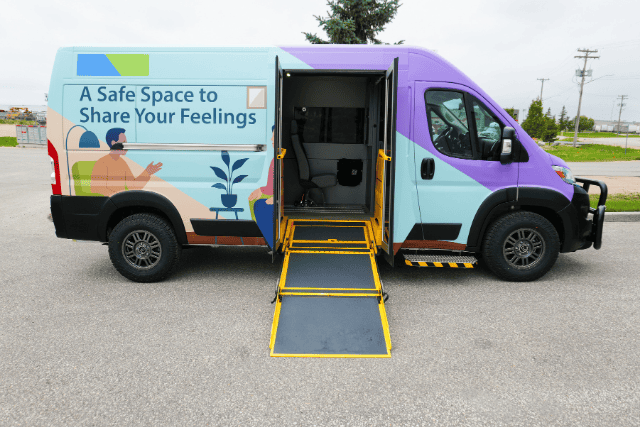
If you don’t address this gap, it can get worse. People may end up in ERs, lose jobs, or even face tragic outcomes. But what if you could change that story? Picture your team rolling up in a bright mobile counseling unit in rural Kentucky or the busy streets of Albuquerque. People could step inside for private care, right where they live.
At AVAN Mobility, we’ve spent over ten years working with health teams, non-profits, and governments across the U.S. to remove barriers to care. We build vehicles to help save lives. We’re not the only ones out there, but we truly care about what works best for you.
In this article, you’ll learn:
- What is mental hygiene?
- How to boost mental hygiene for clients facing barriers
- Ways mobile counseling can help
Mental hygiene: What exactly is it?
So what is mental hygiene exactly? At its core, mental hygiene is all about keeping your mind healthy, just like brushing your teeth keeps your mouth healthy. That’s the basic mental hygiene meaning. It covers daily habits, coping skills, and professional care that all work together to help people handle stress, stay balanced, and bounce back when life knocks them down.
You might already know some of this, but here’s a quick breakdown to keep it clear:
- Mental hygiene definition: Keeping thoughts, emotions, and behaviors in good shape so people can live well.
- Mental hygiene movement: Started in the early 1900s, this movement pushed to treat mental health more like physical health.
- Research for mental hygiene: Studies look at how lifestyle, counseling, community programs, and early intervention protect mental wellness.
It’s more than just self-care, too. In the U.S., there’s an entire legal framework that ties into mental hygiene. Ever heard of:
- Mental hygiene law 9.41: Let’s police take someone to a hospital if they’re a danger to themselves or others.
- Mental hygiene law article 81: Sets up guardianships for people who can’t make certain decisions.
- Mental hygiene legal service: Helps protect the rights of people in these situations.
- Mental hygiene warrant: A court order that gets someone into care if they’re at serious risk.
That’s why knowing what mental hygiene law matters. It shapes how you might support someone who needs urgent help. It’s also why having local, mobile counseling close by can make such a difference.
Ready to explore how you can help your clients build stronger mental hygiene, even when they face big hurdles? Let’s keep going.
What barriers do your clients face to improving mental hygiene?
Let’s dig into how you can help people build stronger mental hygiene, even when it feels like the deck is stacked against them. Many of your clients face real challenges that make improving their mental hygiene tough. These barriers are often more common than we’d like to think.
Here are a few of the biggest ones:
- Stigma: Many people still worry that talking about mental health will make them look weak or unstable. It can stop them from reaching out at all.
- Transportation: Not everyone has a car or easy bus access. If your clinic is in a busy downtown area or across county lines, getting there is impossible.
- Financial strain: Even when care is low-cost or free, the idea of missing work, paying for gas, or covering childcare can be enough to keep people away.
- Cultural misunderstandings: Some clients may come from backgrounds where mental health isn’t openly discussed or where certain treatments clash with cultural beliefs.
- Past negative experiences: If someone’s been brushed off or poorly treated by healthcare before, they may be nervous to try again.
Knowing these barriers is the first step. Next, we’ll look at small ways you can start breaking them down to make mental hygiene easier for your clients.
How do you make mental hygiene more accessible for your clients?
Now that you know more about what mental hygiene is and the barriers your clients face, let’s talk about how you can help them overcome these hurdles. It often comes down to finding simple, practical ways to meet people right where they are. Because when mental hygiene feels easy to reach, your clients are far more likely to actually use it.
1. Bring mental hygiene directly to your clients with a mobile counseling unit
One of the best ways to support mental hygiene is by taking care right into the community. This means meeting folks on their turf instead of asking them to figure out bus lines or find a ride downtown. You can use a mobile counseling unit to do exactly that.
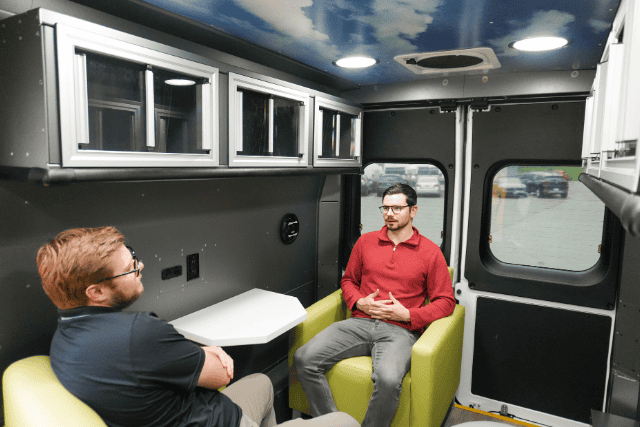
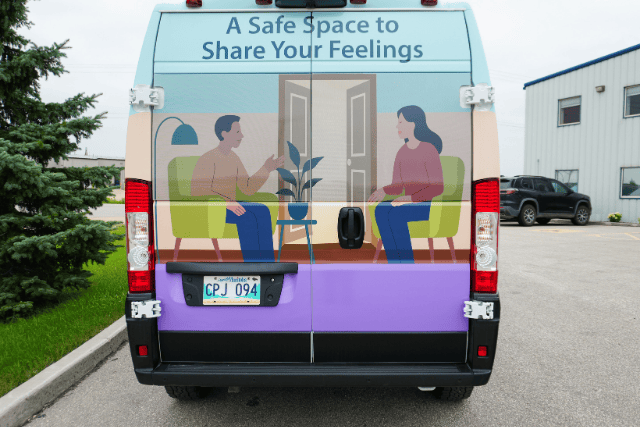
Think of it as a private, welcoming clinic on wheels. You can park at a library in rural Tennessee one day, then outside a grocery store in East Baltimore the next. People step inside for counseling, screenings, or even just a quick chat, without traveling miles out of their way.
Here’s why it matters:
- Cuts travel problems: Around 3.6 million Americans skip medical care each year because of transportation issues. With a mobile counseling unit, you can roll right into their neighborhood.
- Normalizes mental hygiene: Parking your unit in plain sight sends a message. Mental health care is for everyone, not something hidden or shameful.
- Adapts to your clients: You pick the hours and locations. More evening stops to catch folks after work? Regular visits to local shelters or schools? Easy.
When care feels close and familiar, your clients are far more likely to show up. That’s how you start turning mental hygiene into a normal, doable part of life.
2. Talk about mental hygiene like it’s everyday health
Another smart way to make mental hygiene easier for your clients is by changing how you talk about it. Lots of people still feel embarrassed or scared to bring up mental health. They worry others will judge them or think they are weak.
You can help break that by treating mental hygiene like you would any other part of health.
- Use simple, everyday words: Instead of saying “mental illness” right off the bat, start with stress, sleep, or mood. Most people relate to those right away.
- Add it into normal check-ins: If your team does blood pressure or diabetes screenings, why not ask a few gentle questions about how people are coping with life, too?
- Share stories and small wins: Maybe post short client success stories (with permission) or tips on your website. It shows that real people take care of their mental hygiene and feel better for it.
This makes mental hygiene feel like brushing your teeth and is just part of staying healthy. In fact, research shows that public education campaigns around mental health can reduce stigma and get more people to seek help.
When your team talks about mental hygiene in simple, friendly ways, it opens the door for clients to share struggles they might keep hidden otherwise. Next, we’ll explore how offering small, low-pressure services helps people take that first step.
3. Offer small, low-pressure ways to start improving mental hygiene
Let’s face it, diving into therapy or a big treatment plan can feel scary. For many people, even admitting they want help is a huge deal. That’s why it helps to start small. Give your clients low-pressure ways to dip their toes into caring for their mental hygiene.
Here’s what that could look like:
- Quick screenings: Offer short, friendly check-ins at health fairs or local events. A few simple questions about mood or stress can open the door.
- Workshops and group chats: Host relaxed sessions on coping with anxiety, dealing with grief, or just improving sleep. It feels less intense than one-on-one therapy.
- Easy self-care tools: Hand out tip sheets on mindfulness or stress-busting exercises. It’s a simple first step that gets people thinking.
These kinds of small, early interventions can really pay off. For example, even brief interventions in community settings have been found to reduce symptoms of depression and anxiety.
When mental hygiene support feels easy to start, more people are willing to give it a try. Once they feel better, it’s often easier for them to say yes to more help later on. Up next, we’ll look at why creating private, welcoming spaces matters so much.
4. Create private, welcoming spaces that encourage mental hygiene conversations
Privacy is a big deal when it comes to mental hygiene. Lots of people keep quiet about what they’re going through because they’re afraid of being seen or overheard. That fear can be enough to stop them from getting help at all.
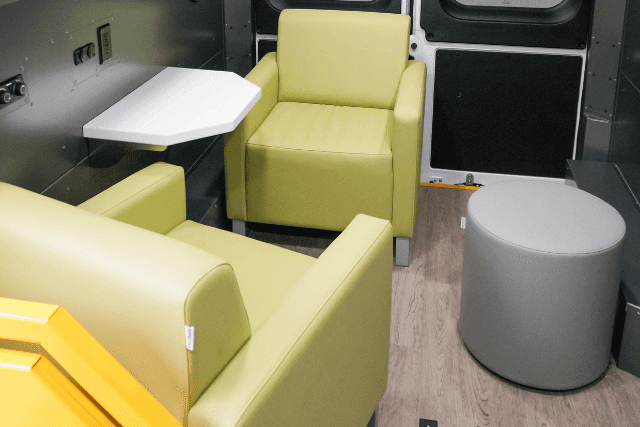
A mobile counseling unit is one of the best ways to offer a safe, private place right in your clients’ neighborhoods. It helps make mental hygiene feel normal and approachable.
Here’s how it ties in:
- Quiet and confidential: Inside the unit, there’s no crowded waiting room. It’s often just your client and one or two other people from your team, so they can focus on what mental hygiene means for them.
- Feels less clinical: Many mobile units are designed to look more like cozy lounges than hospitals. That relaxed setting helps lower defenses, especially for those nervous about mental hygiene or why they should care.
- Protects dignity: People can step inside to discuss their struggles without the whole street knowing. This is crucial when stigma or fear about mental hygiene warrants or mental hygiene law 9.41 might loom over them.
Privacy and comfort make people more willing to use and stick with mental health services. So, by parking a mobile unit in their community, you’re creating a space where tough conversations about mental hygiene and personal struggles can finally happen safely.
Bring better mental hygiene to your community today
You came to this article because you care about mental hygiene and wanted to figure out how to help your clients strengthen it, especially when stigma, transportation problems, and past bad experiences stand in the way.
Here’s what you learned today:
- What is mental hygiene? Keeping minds healthy through daily habits, care, and support.
- What gets in the way: Barriers like stigma, lack of transportation, cultural differences, and fear of being judged.
- How to make it easier: Meet people where they are, use simple language, start with low-pressure options, and create safe, private spaces.
At AVAN Mobility, we’re proud to help organizations like yours turn big challenges into real solutions. For over a decade, we’ve designed mobile medical units that aren’t cookie-cutter; they’re built around your patients and programs. We’re in this to help you reach more people with dignity and care. Because at the end of the day, your mission to save lives is our mission too. If you have questions or want to explore what’s possible, click the button below to chat with one of our friendly mobility experts.
If you’re not ready to connect just yet, no worries. Here are a few other reads that can help you keep moving forward: