Reaching out to a homeless shelter can feel confusing. You want to bring help, care, and resources to people experiencing homelessness, but it’s hard to know where to even start. Many organizations struggle to find the right contacts, follow local rules, and make sure their outreach really reaches the people who need it. Without a clear plan, some people may miss out on healthcare, support, and hope. Cities like New York, Los Angeles, and Chicago have busy shelters, and your efforts can get lost if you don’t have a solid approach.
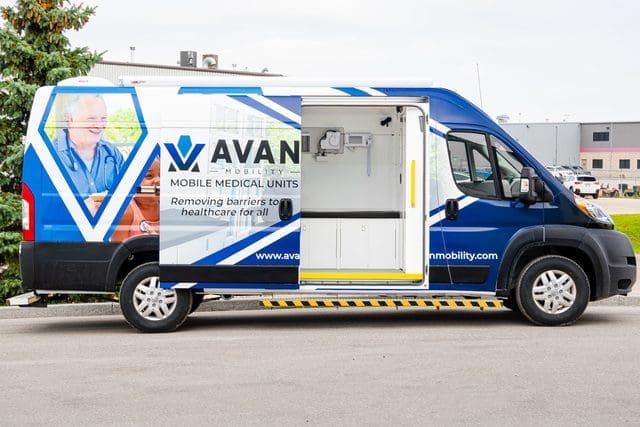
AVAN Mobility has spent over 10 years helping organizations across the U.S. reach people in need. We’ve built over 150 mobile medical units designed to remove barriers to healthcare and save lives. We’ve worked with groups like CalOptima, the Community Clinic of Southwest Missouri, and Pacific Clinics to help them safely reach more people. Our team listens first, builds second, and focuses on real-world needs. We also know there are other vehicle options out there, so we aim to provide guidance without bias.
This article will show you how to connect with homeless shelters using a Mobile Outreach Van.
You’ll learn how to:
- Locate homeless shelters
- Connect with women’s, men’s, and family shelters
- Plan and schedule outreach visits
After reading, you’ll have a clearer plan to reach people in homeless shelters.
How to connect with homeless shelters with a Mobile Outreach Van
Do your homework: Before you drive your Mobile Outreach Van out, you need to know which homeless shelters in your area could use your help. Try searching for “homeless shelter near me” or checking local directories. Look for women’s, men’s, family, or 24-hour emergency shelters. Every city works differently. A shelter in New York may have long waiting lists, while one in Chicago may focus more on emergency overnight stays. Knowing these differences ahead of time helps you choose the shelters where your van can have the most impact.
Reach out: Once you have a list, contact shelter managers. A quick call or email can open the door. Explain how your mobile outreach van helps.
Mention things like:
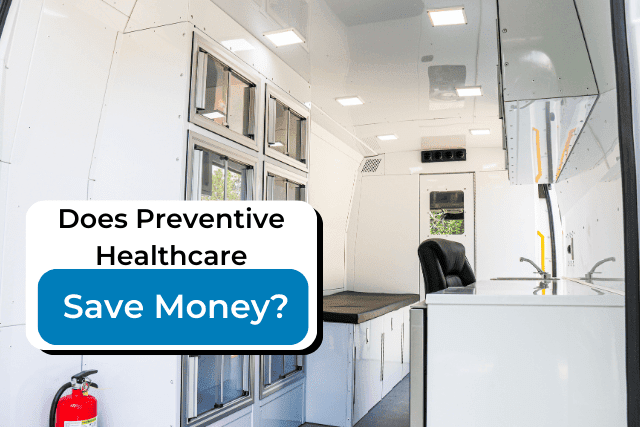
- It has a safe and clean space: Floor-to-ceiling storage, a wipe-clean interior, and bright LED lighting keep the van organized and welcoming.
- Healthcare-ready: Sink, fridge, and table space make it easy to provide vaccines or health checkups.
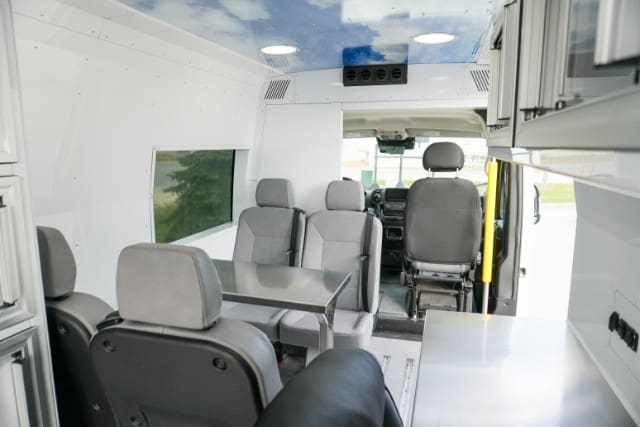
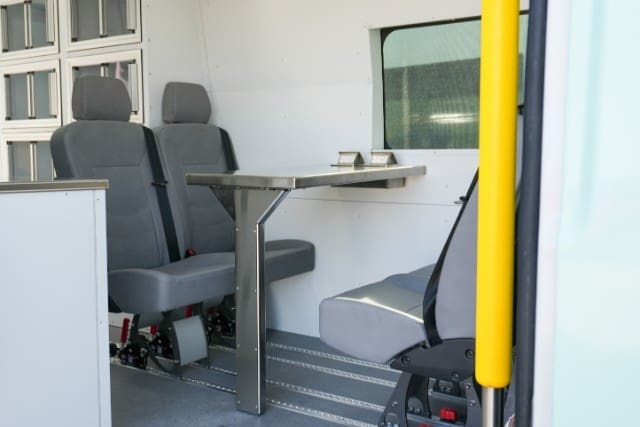
- Flexible setup: Removable seats let you bring staff or clients and create space for on-site services.
Tip: Make your outreach feel like a partnership. Your mobile van is a clinic, an office, and a transport solution all in one. It meets people where they are, giving comfort, care, and support right on the spot.
Build trust with shelter staff and clients
Once you’ve made that first contact, the next step is building trust with both the staff and the clients they serve.
Observe and adapt: Every shelter has its own routines and culture. Take time to notice how staff operate and how clients interact. Adapting to their flow shows respect and makes your presence less disruptive.
Listen more than you talk: People experiencing homelessness often feel overlooked. Simple acts like listening carefully and acknowledging their concerns can build instant trust.
Be patient: Relationships take time. Some clients may be hesitant at first. Small gestures, consistency, and kindness help them feel safe and valued.
Engage through actions: Actions speak louder than words. Providing reliable care, showing up on schedule, and following through on commitments helps staff and clients see that your team is dependable.
Tip: Focus on creating a calm, welcoming atmosphere. Your goal is to make clients feel comfortable enough to share their needs and allow staff to support your efforts. Trust grows when people feel understood and respected.
Plan and schedule effective outreach visits
Consider the shelter’s busiest times and quiet periods when planning your future mobile outreach visits. Early mornings might be hectic with intake, while afternoons may offer more opportunities to connect with clients. Observing and aligning with the shelter’s natural rhythm helps your visits run smoothly.
Map your route: If you’re visiting multiple shelters or locations in a day, plan your route carefully. This reduces stress for your team and ensures more time is spent with clients rather than driving. Cities like Los Angeles or Chicago can have heavy traffic, so factoring in travel time is key.
Set realistic goals: Each visit should have clear objectives. Maybe it’s providing health check-ins, offering counseling, or connecting clients with resources. Having a simple plan ensures your outreach is focused and meaningful.
Stay flexible: Even the best-laid plans shift. A late client, a busy intake line, or a last-minute crisis is part of the work. Flexibility shows shelters that you’re reliable even when things don’t go exactly as planned.
Track your visits: Keeping a simple log of each visit helps your team see what worked well and what could improve. Note things like client engagement, services delivered, and any follow-ups needed. This information will make future visits more effective and impactful.
Tip: Treat every visit as an opportunity to learn. The more you observe, adjust, and respond to each shelter’s needs, the more your outreach will truly make a difference.
Deliver meaningful support during visits
When you roll up with your Mobile Outreach Van, think about the help that will make the biggest difference. This could be quick health check-ins, connecting clients with housing programs, or sharing information about local resources. Focus on two or three high-impact services per visit. Doing a few things well leaves a stronger impression than trying to cover everything in one stop.
Make every moment count: Shelters can be busy, and clients may only have a short time. Even a few minutes spent listening or guiding someone can change a day. Your van gives you a mobile space to meet clients where they are, making it easier to provide care and support right on the spot.
Keep it simple: Use plain, easy-to-understand language. Avoid complicated jargon or medical terms. When clients understand what your outreach offers, they feel more confident and willing to accept help.
Adjust to the shelter: Each shelter is different. Some may be crowded or noisy. Your Mobile Outreach Van lets you create a calm, organized space no matter the environment, helping your team work smoothly without disrupting the shelter.
Plan for follow-up: Some clients need extra help later. Your van helps your team track these needs and provide referrals, guidance, or contact info for ongoing support. Small steps like this make a big difference.
Tip: Think of each visit as delivering real, tangible help. Your Mobile Outreach Van is a mobile hub that brings care, guidance, and connection directly to the people.
Measuring success and improving future outreach
After each visit, take a moment to note what went well and what could improve. Keep track of things like the number of clients helped, services delivered, and any follow-ups needed. This helps your team see where you’re making the biggest impact.
Learn from every visit: Every shelter and client is different. Use your notes to understand patterns, challenges, and successes. Over time, this helps your outreach become smarter and more effective.
Adjust your approach: Use what you learn to make small changes. Maybe certain times of day work better, or some services are needed more often. Your Mobile Outreach Van makes it easy to adapt since it’s flexible and mobile, letting you test new approaches without major disruptions.
Celebrate wins: Don’t forget to recognize successes, even small ones. Helping just one person connect with housing, healthcare, or other resources is a win. Sharing these stories motivates your team and shows shelters the value of your visits.
Tip: Think of measuring success as a way to grow. The more you track, learn, and adjust, the more your Mobile Outreach Van can make a difference in the lives of clients and the shelters you serve.
Tips for future outreach with your Mobile Outreach Van
| Tip | Why it works | How your Mobile Outreach Van helps |
| Highlight seasonal needs | Homeless populations face different challenges depending on the season. Extreme cold, heat, or flu season can increase demand. | Your van can be equipped with heating, air conditioning, and extra supplies to respond to seasonal health needs. |
| Map under-served areas | Some neighborhoods may lack nearby shelters or clinics. Knowing these gaps helps reach more people. | The van allows you to bring services directly to areas without a nearby homeless shelter, like parts of Las Vegas or rural counties. |
| Track repeat visits | Seeing the same clients over time helps measure progress and build ongoing relationships. | Use the van as a mobile base to record visits and follow-ups efficiently. |
| Promote awareness | Many clients don’t know about available services. Simple signage or outreach info spreads the word. | Your van acts as a visible, recognizable presence that announces mobile health services to the community. |
| Collaborate with other programs | Partnerships with food banks, harm reduction programs, or mental health groups increase impact. | The van can transport supplies, staff, or equipment for joint programs, making your outreach more versatile. |
| Use data to adjust routes | Local data on homelessness shows where needs are highest. For example, Chicago reported almost 20,000 people experiencing homelessness in a PIT report in 2024. | Your van lets you test new routes and shift focus to areas with the highest demand without major planning disruptions. |
Ready to bring care to homeless shelters with a Mobile Outreach Van?
You came to this article because you want to reach people experiencing homelessness in a real, effective way. Shelters are busy, stretched thin, and often lack the resources to meet every need. That’s where a Mobile Outreach Van can step in to close the gap.
Here’s what you’ve learned:
- How to identify and connect with shelters that need support
- Ways to build trust and plan visits that respect shelter routines
- Tips to grow and adapt your outreach program with your van as the centerpiece
At AVAN Mobility, we design solutions that remove barriers to healthcare and transportation. Every van we build is tailored to meet real-world needs, whether it’s medical storage, flexible layouts, or climate control. What drives us is simple: Helping people who help people. If you’re ready to explore how a Mobile Outreach Van can change your community, click below to talk to a mobility expert today.
If you’re not ready yet, no worries. Here are a few more articles that can guide you further:
- Top 5 areas to deploy a Mobile Outreach Van in the U.S.: Learn where outreach vans can have the biggest impact.
- What is street outreach, and how do you do it? This article will give you some ideas on how you can do street outreach.