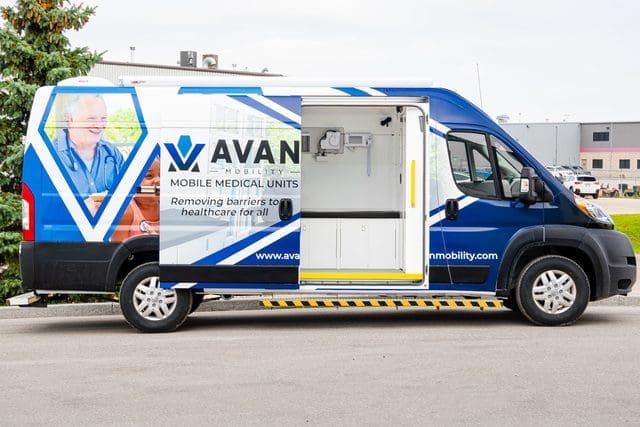
Did you know that 77% of patients in the U.S. start their healthcare journey online before ever talking to a provider? That’s from the NRC Health 2023 report. But here’s the problem. When it comes to mobile medical clinics, many people in your community have no idea what to expect.
They don’t know who you are, what you offer, or whether they can trust you. If your mobile medical clinic’s brand is unclear, inconsistent, or forgettable, you risk being overlooked by the very people who need care most.
And you’re not alone. Many health organizations across the U.S. are so focused on running programs that branding gets left behind. But without a strong presence, it becomes harder to build trust, attract partnerships, or secure funding. Branding isn’t about looking flashy. It’s about showing people they can count on you.
At AVAN Mobility, we’ve been designing mobile medical units for over 10 years. We’ve built more than 150 units for teams like CalOptima and the Community Clinic of Southwest Missouri. Each one reflects the mission of the people inside.
In this article, you’ll learn:
- Why mobile medical clinic branding is so important
- 5 branding strategies that help you stand out
Why is mobile medical clinic branding so important?
Branding is the heartbeat of your mobile clinic. Without it, people don’t know who you are or what you do. And when they don’t know you exist, they can’t show up, refer others, or support your work. Even the most needed program can lose momentum without visibility.
Here’s the reality: Your mobile medical unit might be out there doing important work, but if it blends into the background, it won’t build the awareness or trust you need to keep going.
Here’s why branding is so important:
- Builds trust with the public: Around 81% of consumers say they need to trust a brand before they’ll support it
- Makes you easier to find online: About 93% of U.S. adults are online, so if you aren’t showing up where they search, your services can go unseen
- Gives your clinic a voice: Branding helps people recognize your purpose, values, and mission right away
- Keeps your program top of mind: Strong branding makes it easier for local partners, funders, and patients to remember and refer you
Think of branding as your story, your identity, and your first impression all rolled into one. If your clinic is going to thrive long-term, branding is the fuel that keeps it moving.
5 useful strategies for building your mobile medical clinic’s brand
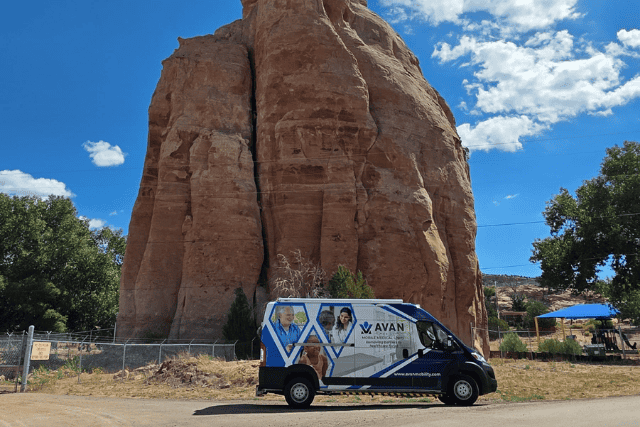
Now that we’ve covered why branding matters, let’s get into what you can actually do about it. These strategies aren’t pie-in-the-sky ideas. They’re practical, proven ways to boost your mobile medical clinic’s brand in a way that sticks. Whether you’re just getting started or need a refresh, these tips are built to help you show up clearly and confidently in your community.
1. Start with a clear message that solves a real problem
If your mobile medical clinic’s brand doesn’t clearly answer, “Who are you helping, and why should they care?” people won’t stick around to figure it out.
Branding goes further than just a polished logo or trendy colors. It’s about helping people understand you right away. If your community, funders, or partners can’t quickly grasp what your clinic does and why it matters, your program can start to lose traction.
A strong brand message should always do these four things:
- Speak to your audience: Are you reaching uninsured families in rural Alabama, or supporting unhoused individuals in downtown Chicago? Say so clearly.
- Name the problem you solve: Long travel times, lack of trust in traditional healthcare, or high costs are real issues your clinic helps address.
- Share what makes you different: Maybe your team speaks multiple languages. Maybe you serve people who don’t qualify for public programs. Make that part of your message.
- Sound human and real: Keep your tone simple and caring. People want to feel seen, not talked down to.
Here’s a quick example: If your mobile clinic supports veterans in Pittsburgh, your message might sound like: “We bring private, walk-in care to local vets who deserve better access close to home.”
Clear messaging is something you can carry across your van, your website, and your outreach materials.
A Harvard Business Review study shows that organizations with emotionally connected brands can see up to 85% more growth compared to their competitors. That connection starts with clarity.
2. Be consistent to build recognition everywhere
People trust what feels familiar. So if your mobile medical clinic’s brand looks one way on your van, another way on your website, and completely different on your brochures, that trust gets chipped away.
Consistency is about helping people recognize and remember you quickly. Especially in healthcare, where clarity and trust can make all the difference.
Here’s what visual consistency should cover:
- Colors and fonts: Pick one or two main colors and fonts, then use them everywhere, including your vehicle wrap, your website, your shirts, and even your handouts.
- Your logo: Don’t stretch it, pixelate it, or swap in random colors. Keep it clean and uniform.
- Photography style: Use real people if possible. And make sure your photos match your message, which might be warm, welcoming, and focused on care.
Example in action: Let’s say your mobile clinic operates in Phoenix, Arizona, and your van is wrapped in calm, desert-inspired tones. That same look and feel should show up on your social posts, flyers at community centers, and even your team’s email signatures. Repetition builds recognition, plain and simple.
A study by Lucidpress found that consistent brand presentation can increase revenue by 33%. Even if your goal isn’t profit, consistency helps your mobile clinic look credible, reliable, and trustworthy.
Visual branding helps make the invisible feel visible. And in healthcare, that matters.
3. Tell real success stories
A strong mobile medical clinic’s brand connects with people emotionally. Facts are important, but stories make people care.
Think about it. When someone hears about a mobile clinic offering wound care in rural Alabama, that’s helpful. But when they hear how one man in Montgomery avoided amputation because your team showed up when no one else could, that sticks with them.
Stories do three important things:
- Build trust: People connect with people, not logos. Stories show your heart, not just your services.
- Make it memorable: A good story helps people remember what your clinic stands for.
- Inspire action: Stories help donors donate, partners sign up, and communities spread the word.
You don’t need a film crew or a polished script. Just start with what you already have.
Here are a few story ideas to share:
- A patient who accessed care they’d otherwise miss
- A day in the life of your outreach team
- A challenge your program faced and how you overcame it
- A partner who helped extend your reach
Keep it honest and human. The goal is to show the real impact your clinic makes.
Pro tip: Get permission before sharing personal details. Protecting patient privacy always comes first.
Organizations that include storytelling in their content see conversion rates jump by as much as 30%. That’s a big deal when every dollar or supporter helps you reach more people.
Watch the video below for a real example of a success story from one of our clients.
4. Use visuals that reflect your mobile medical clinic’s brand
People judge what they see in seconds. And like it or not, your mobile medical clinic’s brand starts with the visuals. If it looks unclear, filthy, outdated, or disorganized, people may assume your care is too.
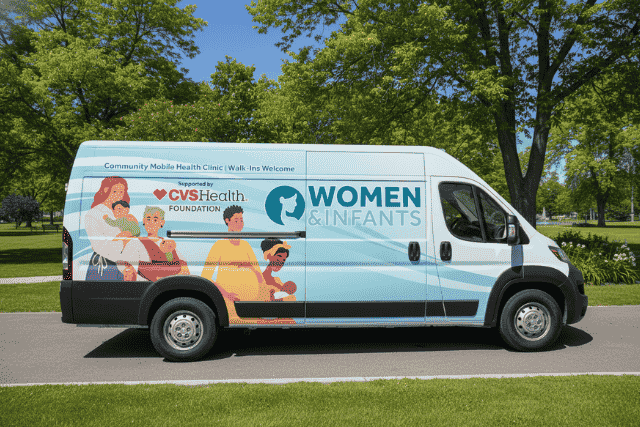
Think about it this way. If your van pulls up in Los Angeles with no wrap, faded paint, and no clear message, it might look like a delivery truck. But if it shows up with clean, friendly graphics that reflect your purpose, people take notice.
Here’s what strong branding visuals can do:
- Build recognition: People remember what they see, especially if it’s consistent.
- Create trust: A clean, professional look helps your clinic feel credible and safe.
- Boost engagement: People are more likely to stop, ask questions, or refer others if the vehicle looks inviting.
You don’t need a huge budget to make visuals work. Start with these basics:
- Logo: Simple, bold, and easy to spot from a distance
- Color palette: Choose 2 to 3 colors that reflect your values and stick to them
- Typography: Keep fonts clean and readable, even from across the street
- Wrap design: Make it clear what services you offer and who you’re there to help
One more tip: Think about what your audience sees when they visit your website or social media. Your visuals should match across platforms.
A study found that 75% of people judge an organization’s credibility based on its website design. That same rule applies to your mobile clinic’s appearance.
5. Build relationships, not just awareness
Branding a mobile medical clinic’s brand is more than visibility. It’s about trust. You can be everywhere online, but if people don’t feel connected to your mission, they won’t reach out.
Think about your mobile clinic like a trusted neighbor. People in underserved communities aren’t just looking for healthcare; they’re looking for someone who sees them. That’s where relationship-based branding comes in.
How do you build real relationships?
- Be present in your community: Attend local events, sponsor wellness fairs, or partner with grassroots orgs. Showing up matters.
- Share real stories: Highlight how your clinic helped a veteran get a checkup, or how you brought services to a food desert. Stories stick.
- Use friendly, familiar faces: Feature your real staff in videos or posts. That personal touch builds trust quickly.
- Ask for feedback: A quick patient survey or a social media poll can show that you care about what your community thinks.
Example: Let’s say you’re running a mobile clinic in rural Mississippi or on the edge of Detroit. People may be skeptical at first. But if they see you at the local church BBQ, read a story about your clinic in a community newspaper, or hear their neighbor had a good experience, that skepticism fades.
A brand that feels human wins. The more personal you get, the more likely people are to remember and trust you with their care.
Ready to build your mobile medical clinic’s brand with purpose?
When you first clicked on this article, you were likely searching for ways to make your mobile medical clinic stand out. Maybe you’re launching a new program, or maybe your existing one is losing momentum because people still don’t know who you are or what you offer.
After reading this, you’ve learned:
- Why branding is a game-changer for mobile clinics that want to grow sustainably
- 5 practical strategies you can start applying today to connect with communities and build trust
- How storytelling, visuals, partnerships, and consistency shape your brand’s long-term success
At AVAN Mobility, we manufacture mobile medical vans that bring your mission to life. With over a decade of experience working alongside organizations across the U.S., we’ve seen firsthand what happens when your clinic is both functional and memorable.
Our team includes marketing-minded experts who care about your impact just as much as your upfitting specs. Whether you’re serving a remote Indigenous community, an urban behavioral health program, or a rural hospital system, we know how to help you reach the people who need you most.
If you have any questions or want to talk things through, click the button below to connect with one of our mobility experts. We’re real people who care about what you’re building.
If you’re not ready to talk to a mobility expert just yet, here are some helpful next reads:
- Top 5 tips on starting a mobile medical clinic: If you’re still early in your planning, this article offers tactical advice to lay the groundwork for success.
- Six factors you should consider when customizing a mobile medical clinic: Dive deeper into how design and function affect your brand, patient experience, and outcomes.