Have you ever met someone who missed a medical appointment because they didn’t have a ride? Sadly, it happens all the time. In the U.S., millions of people skip or delay medical care each year because they can’t get to their doctor.
This is where the question comes in: What is NEMT transportation? For many people, it’s the bridge between staying healthy and getting sicker. For organizations like yours, it’s often the missing piece that keeps your community connected to care. Without it, people fall through the cracks, and the effects ripple through families, clinics, and entire neighborhoods.
At AVAN Mobility, we know how hard you work to help those who rely on you. Over the past decade, we’ve built more than 150 mobile medical units across the U.S. for organizations such as CalOptima and the Community Clinic of Southwest Missouri. We know we’re not the only ones out there, so our goal here is simple: Help you understand what NEMT transportation is and how it can change lives so you can make the best decision moving forward for your organization and the people you serve.
In this article, you’ll learn:
- What NEMT transportation means and why it’s so important
- What types of vehicles are used
- How your organization can fill this gap in your community
What is NEMT transportation?
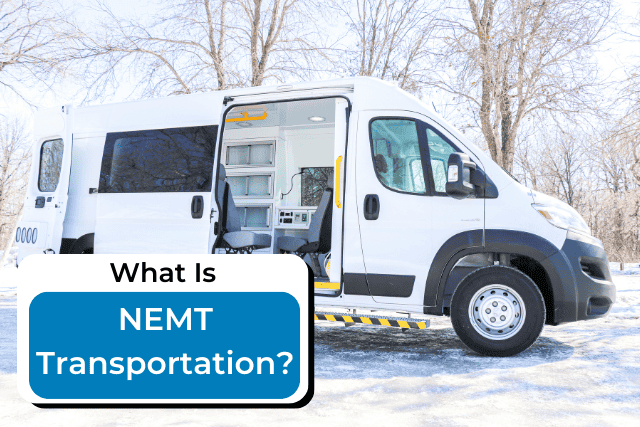
Let’s start with the basics. What is NEMT transportation? It stands for Non-Emergency Medical Transportation. In simple terms, it helps people get to their medical appointments when they don’t have a reliable ride. These are folks who don’t need an ambulance but still need a safe, dependable way to reach care.
You can think of NEMT as the behind-the-scenes helper of healthcare. It’s what makes sure a person in Mississippi gets to dialysis three times a week. It’s how a senior in Ohio makes it to physical therapy without depending on a busy relative. And it’s how someone living with a disability in Arizona reaches their check-up with comfort and dignity.
Why does NEMT transportation exist?
Across the U.S., millions of people struggle to reach healthcare appointments.
The reasons often include:
- Mobility challenges: Some individuals struggle to access standard cars.
- Lack of public transit: Rural areas often don’t have reliable bus or train service.
- Financial problems: Many can’t afford regular trips to the doctor.
When people miss appointments, it leads to more serious health problems and higher healthcare costs. In fact, research shows that missed care can result in more ER visits and hospitalizations. NEMT transportation helps close this gap by giving people a safe, affordable ride to care.
How does NEMT transportation work?
NEMT transport usually runs through local health organizations, county programs, or private companies. Patients book a ride ahead of time through their clinic, health plan, or directly with a provider. Then, a trained driver picks them up in a specialized van built for comfort and safety.
Here’s what makes NEMT transportation services different from your average ride:
- Flexible scheduling: Rides can be booked in advance or same-day, depending on needs.
- Trained drivers: Drivers are trained to help passengers with care and respect.
- Accessibility features: Vehicles have lifts, ramps, and safety restraints for a smooth trip.
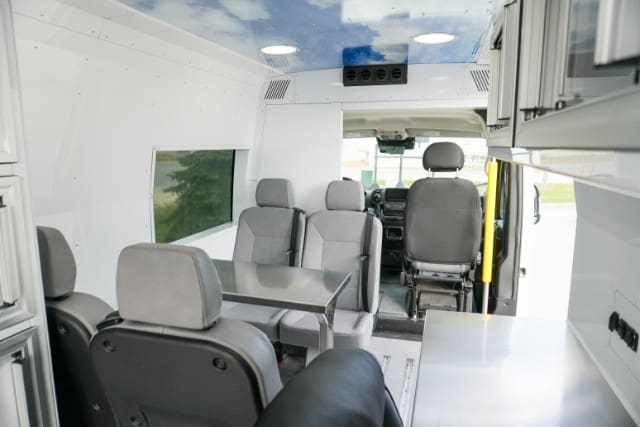
- Comfort and safety: Vans include temperature control, easy-to-clean interiors, and space for personal needs.
So when someone searches online for “NEMT transportation near me”, they’re usually looking for this kind of reliable, caring service that helps them stay healthy and on schedule.
Who benefits from NEMT transportation?
NEMT transportation helps a lot more than just patients. It supports the entire healthcare system.
Here’s how:
- For patients: It provides freedom, comfort, and better health outcomes.
- For providers: It reduces missed appointments and helps clinics reach more people.
- For communities: It supports healthier neighborhoods and reduces long-term healthcare costs.
Sometimes, the difference between catching a small health issue early and facing an emergency comes down to one thing: having a ride.
The human side of NEMT
Behind every NEMT ride is a story. Maybe it’s a veteran in Texas who needs weekly therapy. Or a grandmother in Oregon who needs her eyes checked so she can keep reading bedtime stories to her grandkids. These aren’t just rides; they’re moments that help people stay independent and connected.
That’s why many organizations see starting a NEMT transportation business as more than an investment. It’s a way to give people access to care, independence, and a better quality of life.
What vehicles are used for NEMT transportation?
There’s no single type of vehicle used for NEMT transportation. The right setup depends on the program and community. Some organizations opt for vans or SUVs, while others prefer larger RVs.
We offer three types of NEMT transportation vehicles at AVAN Mobility.
The P4 3-in-1 Van

The P4 3-in-1 Van is one of the most flexible and popular options for NEMT transport. It’s built on the sturdy Ram Promaster 2500 159” Wheelbase High Roof model, which means it’s compact enough for city driving but tough enough for long hauls.
This van can transport people using wheelchairs, stretchers, or standard seating, making it a great fit for patient transfer companies or community care programs.
Why do organizations love the P4 3-in-1 Van?
- No special driver’s license needed
- Easy access for ambulatory and wheelchair passengers
- Small size makes urban driving and parking simple
- Front-wheel drive handles snow and ice like a champ
- High ground clearance with no lowered floor
- 3.6L Pentastar V6 engine offers dependable performance
- Backup camera makes reversing safe and simple
- Certified CMVSS & D409 compliant
Smart accessibility features include:
- Heavy-duty ramp with 1,000 lb capacity
- Ramp stays out of the way when not in use
- Smooth, quiet manual backup system
- No steps for barrier-free entry
- Ramp handles for easy manual operation
The P4 3-in-1 Van also features an antler system that securely attaches stretchers behind the passenger-side entry ramp. Additionally, power glass doors provide the driver with a clear view of the curb and can be operated from the dashboard. It’s practical, safe, and built for real-world NEMT use.
The Mobile Response Van

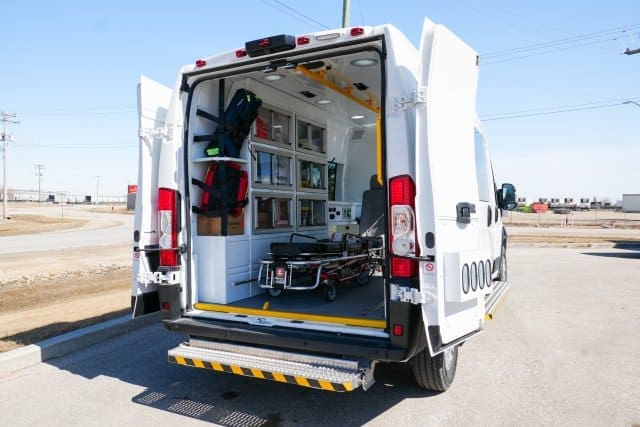
Think of the Mobile Response Van as a smaller, more flexible version of an ambulance. It’s designed for non-urgent medical needs, giving your team a clean, bright, and professional space to treat or transport patients.
What makes it stand out?
- Custom aluminum cabinetry: Durable, easy-to-clean storage built for medical use.
- Bright workspace: Clean finishes create a professional look that supports patient comfort.
- Flexible layouts: Thanks to AutoFloor, you can adjust seating or stretcher layouts as needed.
- Stretcher and attendant seating: Seats roll on wheels and can be moved or removed quickly.
Smart storage options:
- Space for spine boards, oxygen tanks, and first aid kits
- Holders for AEDs, defibrillators, and medical gloves
- Storage for first responder bags and oxygen bottles
Power and climate control:
- 4 standard 120V power outlets and a 12V incubator plug
- Fresh air ventilation system
- Rear heating and cooling for patient comfort
Optional add-ons include oxygen controllers, scene lighting, and amber flashing LEDs for added visibility.
This van is ideal for health systems that handle outreach, community care, or medical transport between facilities. It’s simple to use, easy to clean, and offers the peace of mind that comes from having everything within reach.
The Dialysis Patient Transfer Van
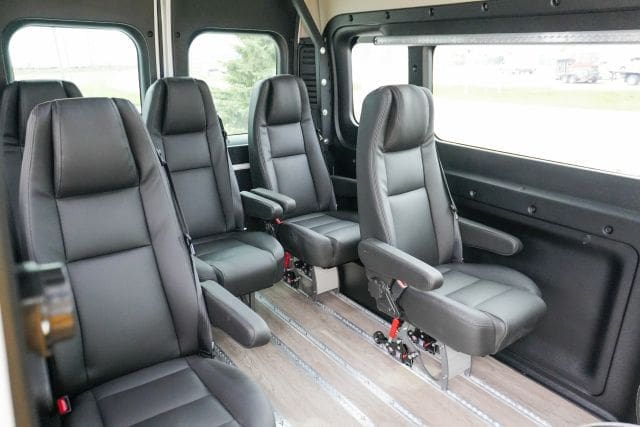
The Dialysis Patient Transfer Van was created with compassion in mind. It supports local health teams that transport patients to regular treatments, giving them a calm, comfortable, and dignified experience.
Accessible by design:
- AutoFloor system for flexible seating and wheelchair space
- Powered side-entry ramp for smooth boarding
- Bus-style doors for simple entry and exit
- Secure restraint system for safety and stability
Comfort-focused features:
- Reclining seats for rest during long rides
- Strong heating system that keeps every corner warm, especially the feet
- Privacy blinds for a calm environment
- Wi-Fi and USB ports so passengers can stay connected
- A quiet, well-insulated interior for a more peaceful trip
Imagine an older patient in Minnesota riding home after dialysis in the middle of winter. The heated flooring keeps their feet warm, the privacy blinds help them relax, and the soft seats let them rest comfortably. That’s what this van is built for: Care, comfort, and dignity.
Got any questions about NEMT transportation?
You’re likely here because getting patients where they need to go can feel tricky. Maybe your organization has been struggling to provide safe, reliable rides for people who can’t drive themselves. That gap can mean missed appointments, delayed care, and frustrated staff.
After reading this article, here’s what you now know:
- Why NEMT matters: It helps people get to care on time, every time.
- Vehicle options: How different NEMT vans can fit your patients and your programs.
- Real-world benefits: How mobile transportation can make life easier for staff and patients.
At AVAN Mobility, we build vehicles that are safe, flexible, and easy to use. Our team works closely with you to understand your needs so you can focus on what matters most, caring for people and saving lives. We’re proud to help organizations make healthcare access easier and more dependable. If you want to talk to a mobility expert about finding the right solution for your team, click the button below.
Not ready to chat yet? Check out these helpful resources to learn more about NEMT and mobile medical vehicles:
- 5 reasons to start an NEMT business in the U.S.: Learn why starting your own NEMT program could help your community.
- Differences between NEMT and EMT vans: This article highlights some of the differences between these two types of vehicles.