Programs can move between neighborhoods, schools, shelters, workplaces, and community sites
Private care that protects dignity
Familiar, contained space to deliver care more privately
Adaptable interior layouts
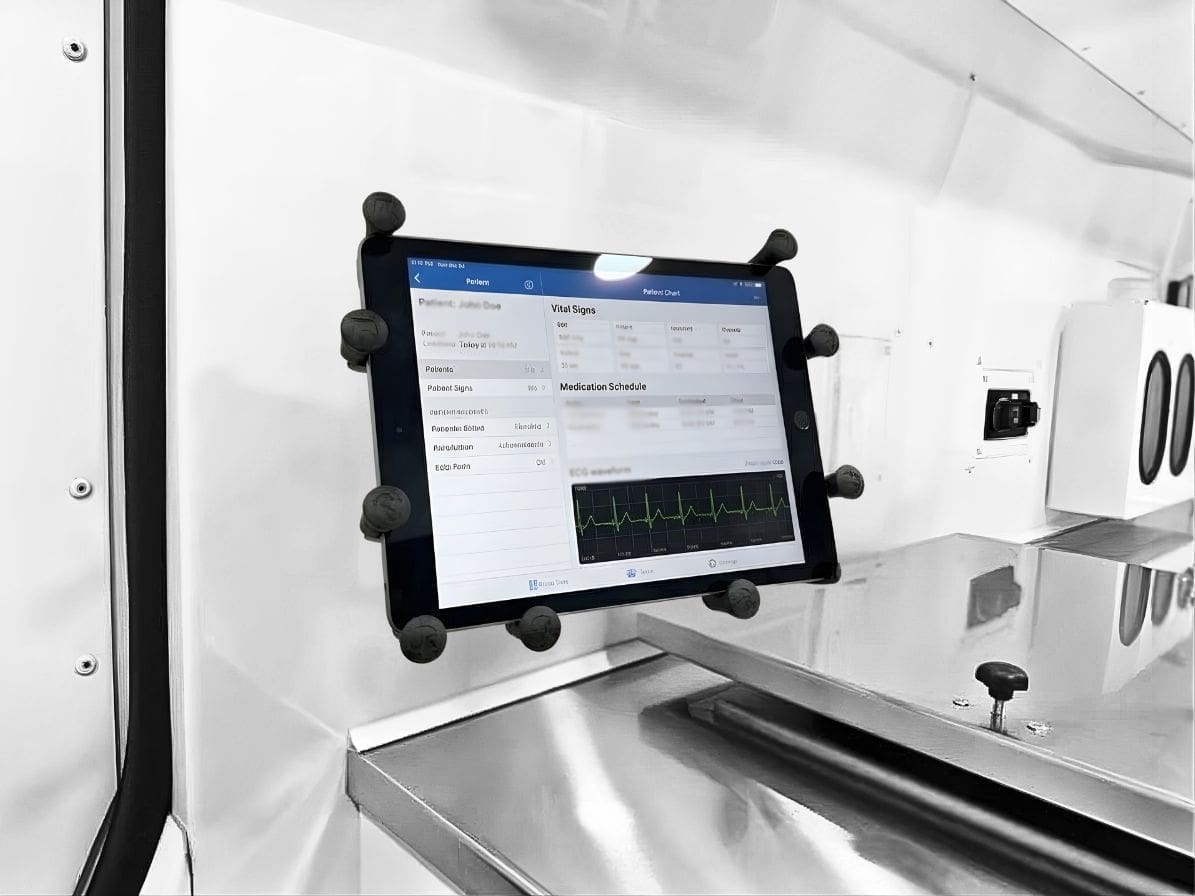
Clinical features like exam table, work surfaces, refrigerator, and medical storage
Safe, stigma-free health space
Creates a quiet, confidential space for one-on-one counseling
What does this solution enable for your program?
Wellness needs often go beyond a traditional clinic visit. Many programs need to support prevention, education, trust-building, referrals, and early intervention all at once.
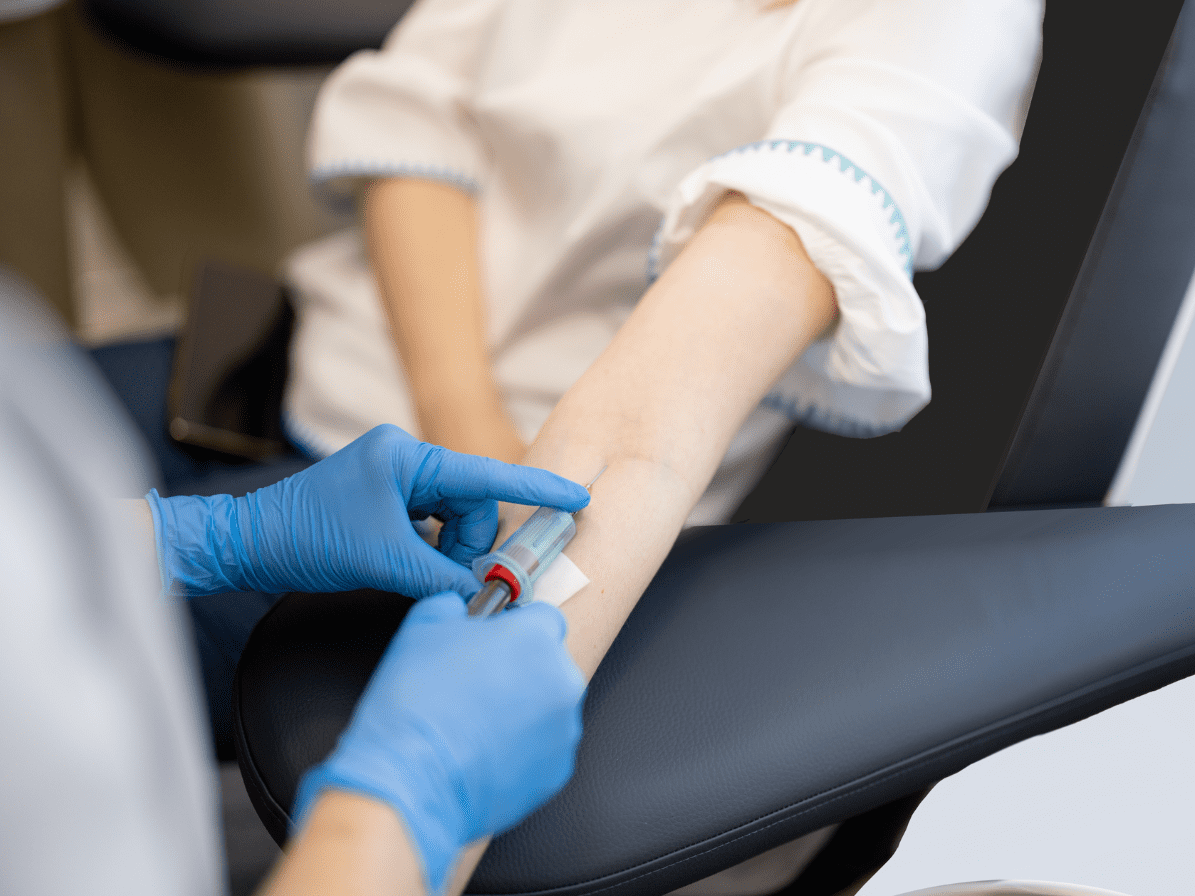
A mobile wellness clinic is used to bring services like routine care, blood testing, cancer screening, vaccinations, and behavioral health support directly into communities. It helps organizations deliver care in locations where access may be limited.
What services can a mobile clinic provide?
Mobile clinics can support a wide range of services, including routine checkups, diagnostic testing, preventive screenings, vaccinations, counseling, and care coordination. Services can be tailored to the needs of the community or program.
Who benefits from mobile wellness clinics?
Mobile wellness clinics are especially valuable for rural communities, underserved populations, workplaces, schools, and outreach programs. They help reach people who may face barriers like distance, transportation, or scheduling.
How do mobile clinics improve access to care?
Mobile clinics reduce common barriers by bringing care closer to where people live, work, and gather. This makes it easier for patients to attend appointments, receive preventive care, and stay connected to ongoing services.
Can mobile clinics support ongoing care and follow-up?
Yes. Mobile clinics can support routine care, follow-up visits, and patient navigation by reconnecting individuals to services over time. This helps improve continuity of care and long-term health outcomes.
Related Articles
Can a Mobile Clinic Help Health Centers Retain More Patients?
7 Best Uses for Mobile Clinics in Tribal Communities
Learn MoreArticle
How Do You Get Funding for Mobile Health Clinics?
Learn MoreGuide
Can Mobile Clinics Help Georgia’s Diabetes Care Shortage?
Learn MoreArticle
How Do Mobile Healthcare Units Encourage Proactive Health?