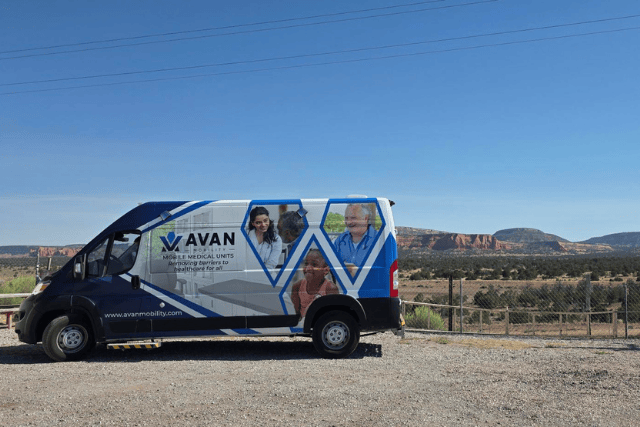
What happens when distance, limited transportation, and too few local providers keep people from getting care? Tribal communities often face these barriers to healthcare across the West, Southwest, Great Plains, and Alaska. The IHS reports that Tribal communities can face challenges tied to transportation, limited funding, and remote locations. When care stays far away, screenings get delayed, health concerns can grow, and your team may spend more time reacting to crises. A mobile clinic can help you bring respectful, culturally responsive care closer to the people your program serves.
For more than 10 years, AVAN Mobility has helped healthcare teams turn outreach goals into care people can actually reach. We’ve built over 180 mobile medical units for organizations across the U.S., including CalOptima Health and Siskiyou County. Each project starts with listening, because your program, geography, and community all shape what the right solution looks like.
Our Ford Pro Upfitter and Stellantis QPro certifications support the quality behind every build. We also know we’re not the only manufacturer you may consider, so our goal here is to give you clear, useful information that helps you make the right choice for your community.
You’ll learn seven practical ways mobile clinics can support Tribal communities, Tribal health programs, and urban Tribal health organizations, including:
- Primary and preventive care
- Behavioral health support
- Chronic disease management
- Maternal and family health
1. Preventive care
Getting basic healthcare can be hard when the nearest clinic is hours away. For many Tribal communities, a simple checkup may mean missing work, finding child care, paying for gas, and hoping the weather cooperates. When those barriers pile up, people may put off care until a small health concern becomes a bigger one.
That’s where a mobile clinic can make a real difference.
Instead of asking people to travel long distances, your care team can bring preventive services closer to home. The clinic can visit places people already know, such as Tribal offices, community centers, schools, or local gathering spaces.
A mobile clinic may support services such as:
- Routine checkups: Give patients a chance to speak with a provider before a concern gets worse.
- Health screenings: Check blood pressure, blood sugar, cholesterol, and other common health risks.
- Vaccinations: Bring seasonal vaccines and public health support into the community.
- Follow-up visits: Review test results, medications, and treatment plans.
- Health education: Share clear information in a private and welcoming space.
Think about an elder who has to travel two hours for a blood pressure check. That appointment may take most of the day. A mobile clinic that visits the community twice a month can make that same care much easier to reach.
The best programs are shaped with Tribal leaders, local health teams, and community members. That way, the schedule and services reflect what people actually want and use. It also helps build trust over time.
Preventive care helps your team find concerns earlier, support healthier choices, and reduce avoidable trips for urgent care. For Tribal communities, that can mean more care, less travel, and fewer people falling through the cracks.
2. Chronic disease management

Managing diabetes, high blood pressure, heart disease, or kidney disease often takes regular care. That can be tough when the nearest clinic is hours away. A missed visit may mean delayed tests, unanswered questions, or changes in health that go unnoticed.
A mobile clinic gives your Tribal community a way to bring ongoing care closer to home. Your team can return on a set schedule, so patients know when support is coming. That steady presence can make it easier to track health changes and stay connected to treatment.
A mobile clinic may support:
- Blood sugar checks: Help patients monitor diabetes and understand their results.
- Blood pressure checks: Catch high readings before they lead to larger concerns.
- Medication reviews: Give patients time to ask questions about side effects or costs.
- Basic lab work: Collect blood samples and complete other tests closer to home.
- Care planning: Connect patients with local providers, specialists, and follow-up services.
Think about someone living with diabetes in rural Arizona. Their appointment may require a long drive, time away from work, and help from a family member. If that trip falls through, another visit may be weeks away. A mobile health clinic that returns each month gives that person another chance to receive care.
Regular visits also help your team build trust. Patients may feel more comfortable talking about food access, medication costs, or changes in their health when they see familiar providers.
Each Tribal community has different health priorities. Some may need more diabetes support. Others may focus on heart health or kidney care. A mobile clinic gives your program room to adapt services around local goals, community input, and the people you serve.
3. Behavioral health services
Getting mental health or substance use support can be hard when care is far away, short-staffed, or offered in a setting people don’t trust. In many Tribal communities, long travel times and limited provider access can make it harder to get help early.
A mobile clinic can bring private, respectful support closer to the community. Your team can visit on a regular schedule and meet people in places that feel familiar. That can make the first step feel less overwhelming.
A mobile clinic may support:
- Mental health counseling: Give patients a private place to speak with a trained provider.
- Substance use support: Offer assessments, follow-up care, and treatment planning.
- Crisis response: Bring trained staff closer when a community needs added support.
- Telehealth visits: Connect patients with specialists who may be hours away.
- Peer support: Create space for recovery coaches or community health workers to meet with patients.
Picture someone who wants counseling but lives two hours from the nearest provider. The drive, cost, and time away from family may be enough to delay that first visit. A mobile health clinic that returns every week can make support feel much more reachable.
Privacy is especially important. The layout should give patients space to speak without feeling watched or rushed. Familiar staff can also help build trust over time. Careful mobile clinic privacy planning can help your team create a setting where personal conversations remain personal.
Your program should be shaped with Tribal leaders, local care teams, and cultural knowledge keepers. Some communities may want counseling, while others may focus on substance use care, youth support, or crisis response. A mobile clinic gives you the flexibility to bring the right services closer while respecting local priorities and community values.
4. Maternal and family health

Pregnancy and early childhood care can be hard to reach when families live far from a hospital or clinic. Long drives, limited transportation, and packed schedules can lead to missed checkups. When visits get delayed, parents may lose access to support during some of the most important stages of life.
A mobile clinic can bring care closer to Tribal communities and make appointments easier to keep. Your team can visit on a set schedule and offer services in a private, welcoming space.
A mobile clinic can support:
- Prenatal checkups: Monitor the health of the parent and baby throughout pregnancy.
- Postpartum care: Check recovery, answer questions, and offer support after birth.
- Infant wellness visits: Track growth, development, feeding, and early health concerns.
- Vaccinations: Provide routine vaccines for children and family members.
- Family health education: Share clear guidance about nutrition, sleep, safety, and child development.
- Care referrals: Connect families with hospitals, specialists, and local support programs.
Think about a parent in rural New Mexico who has to drive several hours for a prenatal appointment. That trip may require gas money, child care, and a full day away from work. A mobile maternity clinic visiting the community can remove several of those barriers at once.
Care should reflect the goals and traditions of each Tribal community. Your program can work with Tribal health leaders, midwives, community health representatives, and local providers. That teamwork can help families feel heard and respected.
Mobile clinics can also create a steady point of contact. Parents know when the care team will return and where to go with questions. That support can make pregnancy, recovery, and early childhood feel less overwhelming while helping families stay connected to care.
5. Diagnostic testing and public health response

When testing is far away, people typically wait longer to learn what’s making them sick. That delay can affect families, elders, schools, and the wider community. A mobile clinic gives your Tribal health team a flexible space to bring testing and public health services closer to home.
This can be especially helpful during flu season, local outbreaks, or other times when your health program sees a sudden rise in illness. Instead of asking everyone to travel to one clinic, your team can bring services to different parts of the community.
A mobile clinic may support:
- Infectious disease testing: Screen for illnesses such as flu, COVID-19, strep throat, hepatitis, or sexually transmitted infections.
- Basic health testing: Collect blood, urine, or other samples for lab review.
- Vaccination clinics: Offer routine or seasonal vaccines through planned community visits.
- Health assessments: Check symptoms, vital signs, and possible risk factors.
- Referrals and follow-up: Connect patients with local clinics, specialists, or treatment programs.
Imagine a flu outbreak spreading through a remote community in Montana. The nearest testing site may be hours away, and asking sick patients to travel can create more stress. A mobile medical clinic can visit the community, provide testing, and help your team identify who may require added care.
Your unit can also move as local conditions change. One week, it may visit a school. The next, it could serve elders near a community center. That flexibility helps your program respond without setting up a temporary clinic from scratch each time. Mobile clinics can also support wider emergency preparedness plans when weather events, outbreaks, or local emergencies affect access to fixed healthcare sites.
Local planning remains important. Tribal health leaders can guide where the mobile clinic visits, which services it offers, and how information is shared. This keeps the response connected to community priorities, local culture, and existing healthcare services.
6. Substance use and harm reduction services
People may avoid substance use treatment when services are far away, hard to enter, or linked with shame. In smaller Tribal communities, privacy can also feel difficult. A mobile clinic can bring confidential, low-barrier support closer while helping people stay connected to care.
Your team can visit communities on a planned schedule or respond where support is most urgent. Services can meet people at their current stage, even when they’re not ready to enter a full treatment program.
With a mobile clinic, you can support:
- Substance use assessments: Help people understand their options and choose a next step.
- Naloxone distribution: Provide overdose response kits and clear training on how to use them.
- Treatment support: Offer medication check-ins, recovery planning, and referrals to local programs.
- Harm reduction services: Provide health education, basic supplies, testing, and wound care where permitted.
- Peer support: Create space for trusted recovery workers to connect with community members.
- Follow-up care: Help people return for support without restarting the process each time.
Think about someone who wants help but fears being recognized at the nearest treatment center. That concern may be enough to keep them away. A mobile health clinic can offer a quieter and more private path to support.
Trust won’t come from parking a vehicle and opening the doors. It grows when familiar staff return, listen without judgment, and respect each person’s choices. Programs that offer mobile medication-assisted treatment can also connect patients with continued care while lowering transportation barriers.
Tribal leaders, local health teams, cultural knowledge holders, and people with lived experience should help shape the program. Their input can guide the location, schedule, language, and services offered. This helps your mobile clinic become part of a community-led response instead of an outside solution placed on the community.
7. Community health outreach
Some people may rarely visit a clinic unless they feel very sick. Others may not know which services are available or how to access them. A mobile clinic can help your Tribal community bring trusted health information, basic services, and personal support directly to local gathering places.
Your team could bring the unit to community events, schools, senior programs, Tribal offices, or more remote areas. This makes it easier to meet people where they already spend time, rather than asking them to find their way through a complex health system.
A mobile clinic may support:
- Health education: Share clear information about nutrition, medications, disease prevention, and local resources.
- Basic screenings: Offer blood pressure checks, wellness assessments, and other simple services.
- Program enrollment: Help community members register for benefits, care programs, or follow-up services.
- Resource connections: Link people with food support, housing programs, transportation, and local providers.
- Youth and elder outreach: Adapt services around the needs of different age groups.
- Community events: Add health services to gatherings where people already feel welcome.
Imagine your team attending a community gathering in rural Oklahoma. Someone stops by for a quick blood pressure check and learns their reading is higher than expected. Staff can explain the result, answer questions, and connect that person with follow-up care.
That small conversation could prevent a larger health concern later.
Effective community health outreach starts with listening. Tribal leaders, community health representatives, elders, and local families can help guide where the clinic goes and what it offers. Their input helps your program provide services that feel useful, respectful, and connected to community goals.
A mobile health clinic gives you the flexibility to keep showing up. Over time, that steady presence can build stronger relationships and help more people take the next step toward care.
How can Tribal communities move from ideas to action?

You came here because distance, limited transportation, and gaps in local services can keep people from getting timely care. You wanted to know how a mobile clinic could help your Tribal community close those gaps without placing more pressure on patients, families, or your care team.
You’ve now seen how mobile clinics can support:
- Preventive care: Bring checkups, screenings, and vaccines closer to home.
- Chronic care: Help patients manage ongoing health conditions.
- Behavioral health: Provide private counseling and substance use support.
- Family health: Support parents, infants, and growing families.
- Public health: Bring testing and outbreak response into the community.
- Harm reduction: Offer low-barrier care, education, and recovery support.
- Community outreach: Connect more people with trusted services and resources.
The right mobile clinic program starts with your people, priorities, geography, and long-term goals. At AVAN Mobility, our in-house team brings vehicle design, engineering, manufacturing, delivery support, and customer care into one connected process. We take time to understand how your team will use the space before recommending a layout or vehicle. That approach helps you build around real community needs instead of trying to fit your program into a standard design.
You’re doing this work because people deserve care that respects their time, dignity, and community. That purpose guides how we approach every conversation and is one reason organizations across the country trust AVAN Mobility with their mobile healthcare goals. If you have questions, click the button below to talk with a mobility expert.
If you’re not ready to speak with a mobility expert, these resources can help you take the next step.
Recommended next reads
- How to choose a mobile medical van: Learn which vehicle, layout, and features may fit your services before your organization commits its budget.
- How much does a mobile medical unit cost in the U.S.? Review current price ranges and the main factors that can raise or lower your total investment.
- Buying a mobile medical van: Your process with AVAN Mobility See what happens from your first planning conversation through design, production, delivery, and ongoing support.