Women’s Mobile Healthcare That Meets People Where They Are
Women should not have to choose between work, childcare, distance, privacy, and getting care. Mobile healthcare helps bring women’s services closer to the communities that need them most.
For many women, the challenge is not whether care matters. It is whether care is reachable.
Time away from work, childcare needs, transportation, long travel distances, stigma, and limited local services can all delay care.
These barriers are even harder in rural communities, underserved areas, and maternity care deserts.
This is where mobile health care can help.
Time away from home
When appointments require hours away from the job, care gets delayed.
Childcare responsibilities
Finding childcare can be a deciding factor between showing up and skipping care.
Transportation challenges
Lack of a car or transit routes can all create access issues.
Long travel distances
Long drives increase missed visits and strain during pregnancy, screening, and follow-up care.
Stigma and privacy concrens
Some women avoid care because the environment is unfamiliar or uncomfortable.
Limited local women's services
Even when ready to seek care, there may not be a provider in town.
Why does mobile healthcare matter for women?
Mobile healthcare reduces the friction that keeps women from getting care.
Instead of asking patients to travel farther, wait longer, or rearrange their entire day, care can come closer to home, work, school, or trusted community spaces.
Women’s mobile healthcare is a model that brings services like prenatal care, postpartum support, gynecological care, mammography, screenings, and health education directly into communities using a mobile clinic.
Why do women miss needed care?
Common barriers include cost, lack of transportation, childcare needs, time off work, long travel distances, stigma, and difficulty finding timely appointments.
How does mobile healthcare improve access for women?
Mobile programs reduce travel, bring services closer to daily life, support trust-building in community settings, and make preventive and follow-up care easier to attend.
Can mobile clinics provide prenatal and OB-GYN care?
Yes. Mobile OB-GYN and maternity clinics can support services such as prenatal checkups, gynecological exams, ultrasounds, family planning, and education, depending on the program model and equipment.
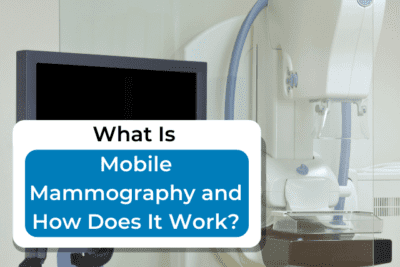
Why is mobile mammography important?
Mobile mammography helps women access screening closer to where they live, work, or gather, which can reduce missed screenings caused by time, cost, transportation, and distance.
Is mobile healthcare a replacement for traditional clinics?
Usually, no. It works best as an extension of the broader care system by improving outreach, preventive access, navigation, and referral into additional services when needed.
Related Articles
How Do Mobile Healthcare Units Encourage Proactive Health?
Learn MoreArticle
Is Investing in a Mobile Pregnancy Unit Worth the Cost?
Learn MoreArticle
How Do You Reach Out to Homeless Shelters With a Mobile Outreach Van?
Learn MoreArticle
How Much Does A Mobile OBGYN Clinic Cost?
Learn MoreArticle
How Are IHS Facilities Using Mobile Medical Units?