Yes, mobile clinics can reduce ER wait times in hospitals across the U.S., and you’re likely feeling the pressure to find real relief. Long waits frustrate patients, burn out staff, and strain budgets. According to the CDC, the average emergency department visit lasts over 2.6 hours in the U.S., with many patients waiting far longer before care even begins.
When ER wait times climb, people delay care, conditions worsen, and trust erodes. You feel that weight because your mission is to help, not to keep people waiting. The gap is clear. You need a way to shift the right care out of the ER, without lowering quality or dignity. The desired state is calmer emergency rooms, faster care, and patients seen sooner in the right setting.
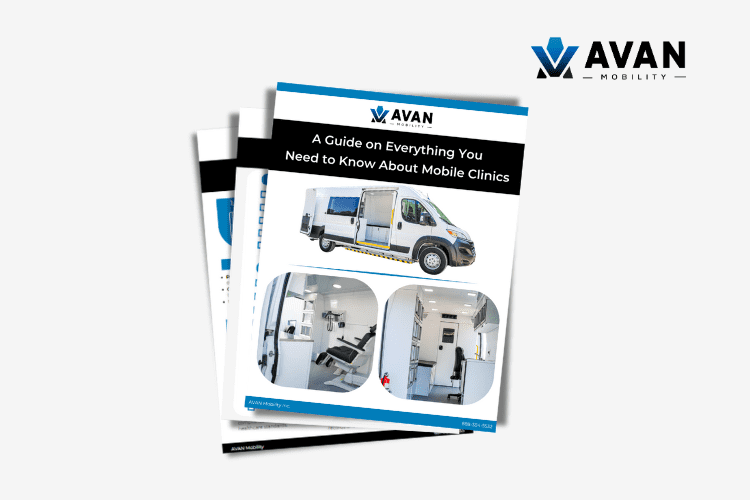
At AVAN Mobility, we’ve spent over 10 years helping healthcare organizations close that gap. We’ve built more than 150 mobile medical units designed to remove barriers and save lives. Organizations like CalOptima, Pacific Clinics, Siskiyou County in California, and the Community Clinic of Southwest Missouri trusted us because we listen first and build around real needs. We’re Ford Pro Upfitter and Stellantis QPro certified, and we also know we’re not the only manufacturer. Our role is to help you make informed decisions that fit your community.
In this article, you’ll learn five clear ways mobile clinics help reduce ER wait times.
Let’s break it down step by step.
What are five ways mobile clinics reduce ER wait times?
When ER wait times keep rising, the problem is rarely one single issue. It’s a stack of small gaps that add up fast. Mobile clinics help by taking pressure off the emergency room in targeted, practical ways that support your teams and your patients. They bring care closer, earlier, and in the right setting, so the ER can focus on true emergencies.
Keep reading to learn five ways how mobile clinics reduce ER wait times and help healthcare organizations regain control of patient flow.
1. Mobile clinics reduce ER wait times by bringing care to people?
A big driver of ER wait times is simple: people go to the ER because it’s the only door that feels open. They might have a cough that won’t quit, an infected cut, a blood pressure check, or a medication refill. None of that “needs” an ER bed, but it does need care. When primary care is hard to access quickly, the ER becomes the default. The CDC reports about 155.4 million emergency department visits in the U.S.
This is where mobile clinics can make a real dent. They bring basic healthcare directly into neighborhoods and communities, so patients don’t have to drive across town, take a day off work, or wait weeks for an appointment. Mobile clinics help close the access gap that pushes low-acuity cases into the ER in the first place.
Here’s what that looks like in real life:
- Bold reality check: Many “ER patients” are actually “can’t get seen elsewhere” patients. Research has linked barriers to timely primary care with higher ER use.
- ER patterns you’ve likely seen: When non-urgent visits pile up, the waiting room fills, triage backs up, and true emergencies wait longer. Even national quality reporting points to access and convenience as common reasons people choose the ED.
Example scenario
Picture a health system serving a mix of city and rural communities outside Phoenix, Arizona. Your ER is packed on Monday mornings. Many patients show up because they ran out of meds, need a quick check, or can’t get in with a clinic soon enough.
Now add a mobile clinic route that parks at:
- A community center twice a week
- A large employer parking lot on Fridays
- A senior housing complex every other Wednesday
Patients get basic care where they already are. That means fewer “I had no other option” visits. Over time, ER wait times start to loosen because the ER can focus on strokes, chest pain, trauma, and true emergencies.
Mobile clinics don’t fix every cause of ER crowding. Still, they can take a steady stream of preventable, low-acuity demand and reroute it to the right place. That’s one of the cleanest wins you can get.
Next up: how mobile clinics reduce ER wait times by catching problems earlier, before they turn into emergencies.
2. Mobile clinics reduce ER wait times by catching problems early with preventive care
When you look closely at ER wait times, a major driver isn’t trauma or true emergencies. It’s preventable issues that grew quietly until the ER felt like the only option. Missed screenings, unmanaged chronic conditions, and skipped follow-ups all add up. You see it every week. A patient arrives in crisis, but the warning signs were there months ago. The gap is early access to care.
Mobile clinics help close that gap by bringing preventive care into daily life. They meet people before symptoms become emergencies. Blood pressure checks, diabetes screenings, basic labs, and routine exams sound simple, yet they change the entire flow of care. When people get help sooner, fewer end up in the ER later.

Here’s how preventive care through mobile clinics reduces pressure on emergency rooms:
- Preventive screenings identify risks early, before they become urgent ER visits.
- Regular check-ins help manage chronic conditions like asthma, diabetes, and hypertension.
- Patients gain clearer guidance on when to seek primary care instead of the ER.
- Small interventions reduce the chance of complications that require emergency treatment.
A relatable example you might recognize
Think about a healthcare system serving a working-class area outside Columbus, Ohio. Many residents work hourly jobs and delay care until symptoms become impossible to ignore. Without a primary care provider, the ER becomes their safety net.
A mobile clinic begins weekly visits to a grocery store parking lot and a community center. People stop in for quick checks during errands or lunch breaks. A nurse notices early signs of uncontrolled diabetes in several patients and connects them to follow-up care. Another patient learns her blood pressure has been dangerously high for months.
Weeks later, your ER sees fewer visits for preventable complications. Fewer patients arrive dehydrated, short of breath, or in pain from issues that could have been addressed earlier. Over time, ER wait times begin to ease because the ER is no longer carrying the weight of missed preventive care.
Mobile clinics don’t replace hospitals. They strengthen the front end of care. When problems are caught early, emergencies become less frequent. That shift creates breathing room for ER teams and better outcomes for patients.
Next, we’ll look at how mobile clinics reduce ER wait times by supporting chronic care outside hospital walls.

3. Mobile clinics reduce ER wait times by supporting ongoing chronic care outside the ER
Another major reason ER wait times stay high is repeat visits from patients managing chronic conditions without consistent support. Asthma, diabetes, heart disease, and COPD don’t pause between appointments. When symptoms flare, and no care is available, the ER becomes the backup plan. You see familiar faces come through the doors again and again, often for issues that could have been managed earlier.
Mobile clinics help break that cycle. They create steady, predictable access to care for people who need ongoing support but struggle to stay connected to the healthcare system. When chronic care happens closer to home, fewer patients end up in the ER during preventable flare-ups.
This kind of support changes ER demand in practical ways:
- Check-ins help patients stay on track with medications and care plans.
- Early intervention reduces sudden symptom escalation that leads to emergency visits.
- Patients learn how to manage their condition and when urgent care is truly needed.
- Care teams can spot patterns before they become repeated ER admissions.
A situation you’ve likely seen before
Imagine a hospital system serving parts of West Virginia, where chronic illness rates are high, and provider access is limited. Patients with COPD and heart disease often live far from clinics. Winter hits, breathing worsens, and the ER fills with avoidable visits.
A mobile clinic begins rotating through rural towns on a fixed schedule. Patients know when help is coming. They check oxygen levels, adjust medications, and talk through symptoms before panic sets in. When someone starts slipping, care teams step in early instead of waiting for a 911 call.
Over time, the pattern shifts.
- The ER sees fewer repeat visits from the same patients.
- Beds open faster.
- Triage moves smoothly. ER wait times start to stabilize because the ER is no longer acting as a chronic care clinic.
Chronic care through mobile clinics also protects staff morale. Repeated preventable visits exhaust ER teams and pull focus away from true emergencies. When patients feel supported outside the hospital, they arrive less often and in better condition when they do need emergency care.
Mobile clinics create continuity where gaps once existed. They give patients a reliable path for care and give hospitals room to breathe. That combination directly reduces pressure on emergency departments and supports better outcomes across the system.
In the next section, we’ll look at how mobile clinics reduce ER wait times by redirecting non-emergency visits to the right level of care.
4. Mobile clinics reduce ER wait times by redirecting non-emergency visits to the right care setting
One of the quiet drivers of ER wait times is confusion. Patients often don’t know where to go when something feels wrong. It’s late. Their symptoms feel urgent. They don’t have guidance. The safest choice feels like the ER, even when emergency care isn’t what they truly need. That uncertainty sends a steady stream of low acuity visits through your doors.
Mobile clinics help solve this by acting as a clear front door to care. They give patients a place to go, a person to ask, and a plan to follow. When someone understands their options, they make better choices about when the ER is necessary and when it isn’t.

Here’s how mobile clinics help redirect care without risking patient safety:
- Patients receive same-day evaluations for common concerns that would otherwise send them to the ER.
- Care teams help determine next steps, including follow-up care or referrals when needed.
- Clear guidance reduces fear-driven ER visits that stem from uncertainty.
- Patients gain confidence in using the right level of care at the right time.
Example scenario
Think about a hospital system serving neighborhoods across Los Angeles County. Many residents face language barriers, limited clinic access, and complex social needs. When symptoms appear at night or over the weekend, the ER becomes the default option.
Now imagine mobile clinics scheduled near transit hubs and community centers. A parent brings in a child with a fever. A worker stops by for a rash that’s spreading. A senior asks about dizziness that started yesterday. Each patient gets evaluated, reassured, and directed to the right next step.
Some are referred to primary care. A few are sent to urgent care. A small number are told to go straight to the ER, with context already documented. That last piece matters. The ER team receives patients who truly need emergency attention, not those seeking clarity.
How does this impact ER flow?
When mobile clinics redirect non-emergency visits, the ER gains back time and space. Triage moves faster. Waiting rooms thin out. Staff spend less time sorting through cases that don’t belong there. ER wait times improve because the system is no longer absorbing avoidable visits driven by uncertainty.
This approach also builds trust. Patients feel guided instead of dismissed. They learn where to go next time, which reduces repeat ER visits for the same issues. Over time, that shift creates a healthier care pathway for your community and a more sustainable workload for your teams.
Finally, we’ll look at how mobile clinics reduce ER wait times by extending care beyond traditional hours and locations.
5. Mobile clinics reduce ER wait times by expanding access beyond traditional hours
A common reason ER wait times spike has nothing to do with medical severity. It’s timing. Care needs don’t follow clinic hours. Symptoms show up at night, on weekends, or between shifts. When doors are closed elsewhere, the ER stays open. For many patients, that makes the choice feel obvious.
Mobile clinics help change that dynamic by extending access into the hours and places where gaps are widest. They don’t replace existing clinics. They stretch care into moments when people are most likely to choose the ER simply because it’s available.
Here’s how expanded access through mobile clinics reduces ER pressure:
- Evening and weekend service gives patients an option outside the ER.
- Mobile locations reduce travel time when clinics are closed or far away.
- Flexible scheduling helps people who can’t miss work or childcare.
- Earlier care prevents symptoms from escalating overnight.
A situation that likely sounds familiar
Picture a health system serving parts of Houston, Texas. Many residents work long shifts, multiple jobs, or irregular hours. Primary care appointments happen during the workday, which feels impossible. So symptoms wait. By evening, discomfort turns into concern. The ER becomes the only open door.
A mobile clinic begins operating late afternoon to early evening near large employers and apartment complexes. People stop in after work for infections, minor injuries, medication questions, and follow-ups. Issues get addressed while they’re still manageable.
Instead of waking up at midnight in pain and heading to the ER, patients already have answers and next steps. That single shift in timing keeps visits out of the emergency department and helps stabilize ER wait times overnight.
Why is this more important than it seems?
After-hours ER visits can quickly accumulate. Even low-acuity cases require time, staff, and space. When mobile clinics absorb some of that demand earlier in the day or evening, ER teams regain breathing room. Waiting rooms stay calmer. Triage flows better. Staff fatigue eases.
Extended access also builds trust. Patients feel seen on their schedule, not forced into crisis timing. Over time, they learn there are options beyond the ER, even outside the nine-to-five window.
When mobile clinics expand access across time and location, they reduce one of the most stubborn contributors to ER congestion. Care happens sooner, closer, and with less stress. That directly supports shorter ER wait times, better patient experiences, and a more sustainable pace for emergency teams.
Ready to reduce ER wait times with a mobile clinic?
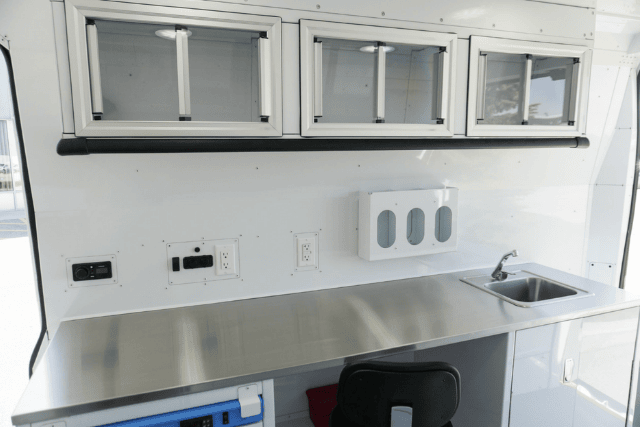
You came here because ER wait times keep climbing, and the pressure is real. Patients are frustrated, staff are stretched thin, and the ER is carrying care that belongs upstream. You’re looking for practical ways to relieve that strain without sacrificing quality or dignity.
Here’s what you learned in this article:
- Mobile clinics reduce ER wait times by shifting non-emergency care out of the ER.
- Preventive and chronic care catch issues early, before they become crises.
- Expanded access and clearer care pathways help patients choose the right door.
- Communities get care sooner, and ER teams regain focus and flow.
For over a decade at AVAN Mobility, we’ve partnered with hospitals, counties, and care teams across the U.S. to design mobile clinics that fit real programs, real workflows, and real communities. Our work spans urban corridors, rural counties, and everything in between, always focused on removing barriers to healthcare and supporting lifesaving outcomes. If you have questions or want to talk through what this could look like for your organization, click the button below to talk to a mobility expert.
Recommended next reads
- How much does a mobile medical unit cost in the U.S.? Check this article out to learn the cost ranges of a mobile medical unit.
- How to choose a mobile medical van: This article walks through how you can choose the right mobile medical van.
- Buying a mobile medical van: Your process with AVAN Mobility: Explains what the buying process looks like from first call to delivery, helping you plan next steps with confidence.