Across the U.S., the same myths about medication assisted treatment keep shaping how people talk about addiction care. You likely see it daily: hesitation, stigma, and the same old misconceptions slowing progress.”
You might see long waits for treatment in places like rural Oklahoma or Northern Arizona. Maybe you see people struggling because they can’t get consistent support. People in your organization carry the weight of knowing what happens if these barriers stay in place.
- Programs stall
- People lose hope
- Communities get trapped in cycles everyone knows are preventable
You’re likely looking for a better path. You want care that reaches people at the right time. You want a plan that brings dignity, privacy, and real support to the folks who trust you. Closing this gap means moving from scattered access to steady, compassionate care. Mobile medication assisted treatment can help you create that shift, but first, you need clarity around the biggest misunderstandings holding people back.
For more than 10 years, AVAN Mobility has supported health programs across the country with mobile medical units built to reduce barriers and support life-saving care. Our team listens first and builds second, because every community has its own story. Teams like CalOptima and Pacific Clinics use our units to bring treatment closer to home. We take pride in our certifications with Ford QVM and Stellantis QPro, and we know we’re not the only manufacturer out there, so we focus on giving you clear information you can trust.
In this article, you’ll learn all about the most common myths of medication assisted treatment.
Five myths of medication assisted treatment
Many programs across the U.S. still struggle with the myths of medication assisted treatment. These misunderstandings can slow down funding decisions, delay service launches, and make it harder for communities to get the care they deserve. Before you plan a mobile MAT program, it helps to see these myths clearly so you can make choices based on facts, not fears.
Below, let’s start with the first major myth. This is one of the most common concerns we hear from teams working in places like rural Kentucky, West Texas, and the Mississippi Delta. Clearing it up can shift your entire outlook on what treatment can look like.
Myth 1: “Medication assisted treatment replaces one addiction with another”
This is one of the most common myths of medication assisted treatment, and it creates a real barrier for teams trying to expand services. When people hear “MAT,” they sometimes imagine trading one substance for another. You may face this pushback from local partners, board members, or community leaders. You feel the pressure to defend your program before it even launches, and that can slow everything down.
But the idea of MAT replacing one addiction with another doesn’t line up with how treatment actually works. Medication in MAT supports the brain’s healing process. It lowers cravings, helps people stay stable, and gives them a chance to make decisions from a clearer state of mind. It isn’t about swapping behaviors. It’s about giving people the physical ability to move toward recovery. Federal research shows that MAT can cut the risk of death from overdose by more than half, which is a life-changing outcome for many families in the U.S.
Why does this myth stick around?
You may hear this myth the most in regions where treatment access is thin and stigma runs deep. For example, many counties in Appalachia and the Mountain West still lack local providers who can explain the benefits of medication assisted treatment. When information is limited, people tend to rely on what they’ve heard, rather than what is proven.
Common reasons this myth stays alive include:
- Misunderstanding of medication: People confuse medically supervised treatment with unmanaged use.
- Lack of local education: Rural areas may have no one to explain medication assisted treatment examples or how they work.
- Fear of enabling behavior: Some leaders worry that MAT makes recovery too easy, even though research shows the opposite.
What does MAT actually support?
When done with medical oversight, MAT gives people a stable foundation. It helps them show up to counseling, helps them rebuild relationships, and helps them hold a job without the constant pull of withdrawal. These benefits of medication assisted treatment matter in real life, not just in research.
MAT supports:
- Brain stability: Medications calm the chemical swings that make relapse more likely.
- Daily function: People can work, care for family, and manage stress with more clarity.
- Long-term recovery: With fewer cravings, people stay connected to support systems.
Does mobile MAT strengthen this even more?
If your organization launches a mobile medication assisted treatment program, you can reach people who can’t get help any other way. Many of your future patients may live in areas without clinics or public transit. Bringing treatment to them means they can stay consistent with their care. When treatment is consistent, recovery becomes possible.
This myth creates doubt, but once you understand how MAT actually works, the gap becomes clear. People aren’t swapping addictions. They’re gaining a chance to rebuild.
Myth 2: “Medication assisted treatment encourages people to stay on medication forever”
This is another major myth of medication assisted treatment that can slow down program planning. You may hear people worry that once someone starts MAT, they’ll never stop. This concern shows up often in states like Indiana, Tennessee, and parts of the Midwest, where treatment programs are spread far apart and people rely on word of mouth instead of medical facts. It creates pressure on you as a leader trying to explain why MAT matters and why it belongs in your community.
Why do people believe this myth?
This myth often grows in places where access to good information is low and stigma is high. Some community leaders assume that staying on medication means someone isn’t trying or isn’t committed to recovery. These views come from misunderstanding, not evidence.
Recovery timelines vary. Some people stay on MAT for months, others for a few years. The goal is stability and safety, not a rushed timeline that puts people at risk.
Common reasons this myth continues:
- Misunderstanding recovery timelines: People expect a short path instead of a flexible one.
- Pressure to get off medication fast: This mindset ignores how the brain heals.
- Fear of dependency: People confuse medical support with long-term reliance.
These beliefs add pressure, slow down approvals, and leave you defending a program that hasn’t even launched yet. But when people see the facts, the tone of the conversation usually changes.
What does MAT actually support?
MAT gives people a safe path forward while their brain heals from long-term substance use. It doesn’t trap them. It helps them. The benefits of medication assisted treatment show up in simple moments. People sleep better, think more clearly, start showing up for counseling or peer support, and rebuild trust with family. Medication is a tool, not a setback.
How does MAT help people move forward?
- Stabilizes withdrawal: This gives people space to build new habits.
- Supports therapy: People can focus during counseling instead of fighting cravings.
- Reduces relapse risk: Stability makes recovery more sustainable.
In many U.S. communities, especially rural ones, a mobile medication assisted treatment program gives people consistent access to care. Without it, some patients would have to drive hours for a dose. With mobile care, they can follow their treatment plan safely. When treatment is consistent, people can taper medication at a pace that supports long-term success.
This myth slows progress, but once you understand how MAT works, you can explain it with confidence. People aren’t being locked into medication. They’re being given the time and support they need to heal.
Myth 3: “Medication assisted treatment doesn’t count as ‘real’ recovery”
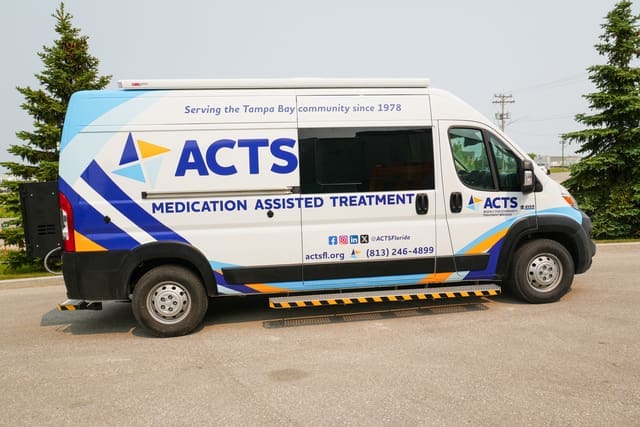
This is one of the myths of medication assisted treatment that sometimes shows up in conversations with community partners, local leaders, and even some treatment staff. You may hear people say that MAT isn’t “real recovery” because it involves medication. That belief can hold programs back in places like rural South Dakota, parts of Georgia, or small towns across the Great Plains where traditional views of recovery still shape expectations. This misunderstanding creates tension for you as you try to build a program that meets people where they are.
Let’s clear up what “real recovery” actually looks like and why this myth keeps sticking around.
Why does this myth feel so strong in some communities?
Many U.S. regions still promote an all-or-nothing mindset about recovery. If someone uses medication, some folks assume it doesn’t count. But that belief comes from outdated ideas, not science. Modern research shows that recovery is much more than stopping substance use. It’s about safety, stability, and healing.
The Substance Abuse and Mental Health Services Administration states that recovery is a process of change that helps people live healthy and meaningful lives. MAT fits that definition because it supports the physical and mental steps people take to rebuild.
Still, stigma can run deep.
Why does this misunderstanding stick around?
- Old definitions of recovery: Some people think recovery has to be medication-free.
- Confusion about treatment tools: Folks may assume medication makes progress “too easy.”
- Lack of exposure to MAT success stories: Many people haven’t seen real outcomes in their own communities.
When these outdated ideas move into planning meetings or public discussions, they can create resistance that slows your project down.
What does real recovery look like with MAT?
Recovery with MAT is active. People work through counseling. They build coping skills, show up for check-ins, reconnect with family, and learn how to manage stress without turning back to substance use. Medication supports that work, but it doesn’t replace it.
Key benefits of medication assisted treatment in real recovery:
- Stronger stability: People can focus on healing instead of fighting cravings.
- Better follow-through: Medication helps patients stay consistent with appointments.
- Improved mental clarity: This makes therapy more effective.
These are medication assisted treatment examples that show up every day in mobile programs across the country. When people feel stable, they can do the work that recovery requires.
Recovery counts when a person is moving forward, rebuilding, and gaining stability. MAT helps make that possible. Once this myth is out of the way, it becomes clear that medication isn’t taking away from recovery. It’s helping people build one that lasts.
Myth 4: “Medication assisted treatment leads to higher crime or unsafe communities”
This is another one of the myths of medication assisted treatment that can slow down your planning, especially when you’re talking with city councils, county boards, or local partners. You may hear concerns that offering MAT will attract trouble or bring crime. This belief often comes up in areas like Central Pennsylvania, the Ozarks, or small towns across Idaho, where communities are on the cautious side about new things. These worries often stem from fear, rather than what the data reveals.
Before you move ahead with a mobile MAT program, it helps to understand why this myth holds on and what the evidence actually says.
Why do some people still believe this myth?
People often link substance use disorder with crime, even though the connection isn’t as simple as it seems. Many folks assume that if you bring treatment into a community, you also bring problems. But research shows the opposite. When people have treatment access, crime rates tend to drop.
Research shows communities see fewer arrests and better safety when treatment is available.
Still, fear spreads faster than facts.
Why this myth feels so widespread:
- Old stereotypes: People assume untreated addiction and treatment access are the same thing.
- Lack of local examples: Many towns haven’t seen MAT programs up close.
- Concerns about outsiders: Some people worry that treatment brings strangers into town, which isn’t true for mobile care.
These concerns can become roadblocks for you when you’re seeking approval to launch or expand services. Clearing up the misunderstanding can open the door to more support.
What actually happens when MAT is available?
Programs that offer MAT tend to see improved community outcomes. People with access to treatment are more likely to stay stable, maintain employment, and avoid situations that could lead to legal trouble. They’re also more likely to stay connected to counseling and supportive services.
How MAT helps strengthen communities:
- Lower relapse rates: This keeps people safer and more stable.
- Better health outcomes: People can focus on work, school, or family life.
- Stronger ties to support: Counseling and check-ins reduce risky behavior.
These benefits of medication assisted treatment help entire neighborhoods stay healthier and safer. You may even see improvements in public trust when community members understand the role MAT plays.
How do mobile MAT programs reduce risk even further?
A mobile medication assisted treatment program brings care right into the places where people live. When people don’t have to travel hours to reach a clinic, they’re more likely to stay consistent with treatment. Consistency creates stability. Stability supports safer communities.
Think about regions like Northern Michigan or rural Louisiana, where long drives and no public transit make regular care almost impossible. A mobile unit removes that barrier. People stay engaged, relapse risk drops, and communities see the impact over time.
Once this myth is cleared up, it becomes easier to talk about the real value MAT brings. Treatment doesn’t increase crime. It reduces the risks that create it in the first place.
Myth 5: “Medication assisted treatment is too complicated for mobile programs to handle”
This is one of the myths of medication assisted treatment that holds back many teams planning mobile services. You may hear people say that MAT is too complex, too regulated, or too hard to manage outside a clinic. This belief often surfaces in places like rural Colorado, Northern Maine, or across the Florida Panhandle, where staff shortages and long distances already stretch local healthcare thin. The concern feels real. You want a program that runs smoothly, keeps people safe, and supports your team instead of overwhelming them.
The good news is that MAT in a mobile setting is much more practical than most people think.
Why does this myth show up so often?
Medication assisted treatment has carried a reputation for being complicated for years. Older rules, tight restrictions, and limited prescribers used to create real challenges. Even though the system has changed, the old reputation hasn’t.
Today, guidelines are clearer. Prescribing is more flexible. And tools that support MAT, like mobile EMR systems or remote check-ins, are easier to use. Many of the barriers that shaped opinions ten years ago no longer exist.
Why does this myth tend to stick around?
- Outdated information: People still envision the old system with its heavy limitations.
- Fear of managing medication: Teams worry they don’t have the training or structure.
- Concerns about safety: Some assume a mobile setting makes MAT too risky.
These concerns are understandable, especially if you’re trying to build a program that earns trust from day one. But when you look at current practices, the picture starts to shift.
What does MAT look like in a mobile program today?
Mobile MAT programs across the U.S. are proving that care doesn’t need to happen inside a large clinic to be safe and effective. Teams run check-ins, dosing, counseling, and follow-ups in a simple, repeatable workflow. In many cases, mobile setups actually simplify the process because care is delivered consistently and directly to the people who rely on it.
How modern mobile teams manage MAT well:
- Clear workflows: Teams follow simple steps for screening, dosing, and follow-ups.
- Supportive technology: Tablets, EMRs, and secure communication make tasks easier.
- Steady patient flow: People show up more reliably when care comes to them.
Why mobile MAT often reduces complications instead of creating them
Many U.S. communities struggle because patients miss appointments due to transportation issues.
- Missed visits create complexity
- Missed doses create instability
- Missed support leads to relapse
When a mobile medication assisted treatment program brings care directly to your patients, consistency improves. And consistency is what keeps treatment simple.
Think about areas like western Kansas or the deserts of Nevada, where long drives make regular care nearly impossible. A mobile program removes that pressure. Your team spends less time chasing missed appointments and more time helping people move forward.
Once you see how MAT works in today’s environment, the myth of complexity loses power. Mobile programs don’t make MAT harder. They make it reachable.
How do you move forward after clearing up the myths of medication assisted treatment?
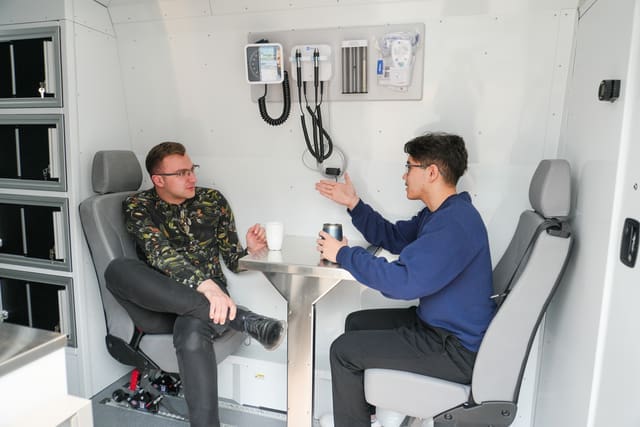
You came here to learn about the myths of medication assisted treatment that were slowing your planning, raising doubt in conversations, and making it harder to build the kind of support your community deserves. You wanted clarity so you could move from confusion to a clear path forward.
Here’s a quick recap of what you learned:
- Why myths grow: Stigma, old information, and mixed opinions from local partners.
- What MAT actually offers: Stability, safety, and better long-term recovery outcomes.
- How mobile MAT helps: Consistent access for people who can’t reach clinic-based care.
This puts you in a stronger spot to picture what’s possible. When people can find care that feels close, respectful, and steady, the entire community moves toward a healthier future.
At AVAN Mobility, we’ve watched leaders like you build programs that reshape access to care. Our team brings over a decade of experience designing mobile medical units that support dignity and practical needs. We ask questions, learn your goals, and build with intention so your program runs with confidence. Every vehicle reflects the people it’s meant to serve, and we’re proud to stand behind that work.
If you want to explore next steps or ask questions, click the button below to talk with a mobility expert who’s here to help.
If you’re not ready for that yet, here are three helpful next reads:
1. How can your organization make use of opioid settlement funds? A strong next step if you want to understand real funding paths for MAT programs.
2. Laws and regulations you need to know about medication assisted treatment: This helps you get familiar with the rules and regulations that guide MAT.
3. What Is ASAM? This explains what ASAM is and helps you decide where MAT fits in your treatment model.