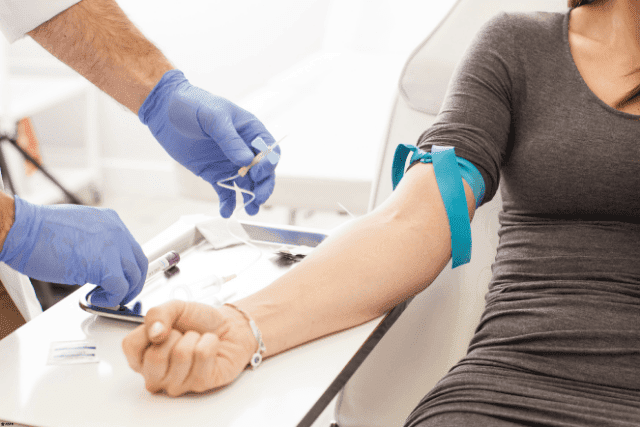
How many patients in your area skip blood tests because they can’t get to a lab? If you run mobile phlebotomy services or a fixed-site program, you’ve probably seen it happen too often. Some people can’t drive. Others live hours from the nearest clinic. Without the right vehicle for mobile phlebotomy, your team may face delays, missed visits, and unhappy patients. That gap can slow you down and put patient health at risk.
Now picture the other side.
- Your staff is comfortable on the road
- Your equipment stays secure
- Patients feel cared for the moment you arrive
Choosing the right vehicle helps you close that gap and run a program that flows without constant stress.
At AVAN Mobility, we’ve spent over 10 years building vehicles that remove barriers to healthcare. We’re Ford QVM and Stellantis QPro certified, so safety and quality are built into every van. Our team takes the time to learn about your routes, your patients, and your goals. No two communities are the same, so no two vehicles should be either. We’ve worked with health networks, governments, and non-profits across the U.S., and we know we’re not the only manufacturer. Our goal is to give you the facts so you can make the best choice.
In this article, you’ll learn:
- What features matter most for mobile blood collection
- Pros and cons of different vehicles
- How to choose the right vehicle
What features matter most in a vehicle for mobile phlebotomy?
When you’re choosing a vehicle for mobile phlebotomy, you’re really choosing how your whole program will run. The wrong setup can leave you dealing with cramped space, lost samples, or unhappy staff. The right setup can make your team more efficient, keep patients at ease, and protect the quality of your work.
Think about it like this. If you had to spend hours every day working in the back of a poorly designed van, would you want to? Your staff and patients feel the same way. That’s why the details matter.
Space and layout
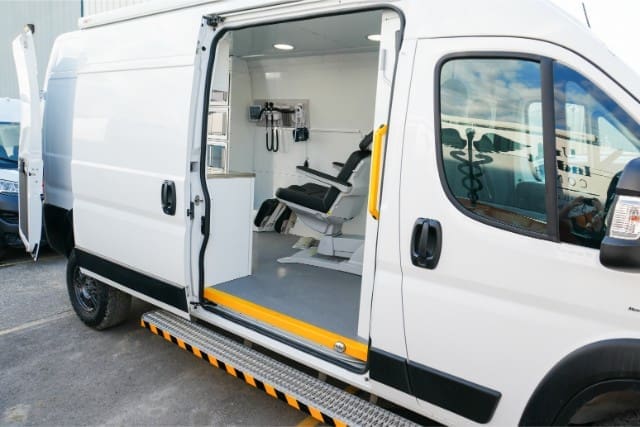
Your vehicle should have enough room for staff to move easily, store equipment, and seat patients without feeling cramped. A good floor plan makes a big difference in workflow.
Fridge
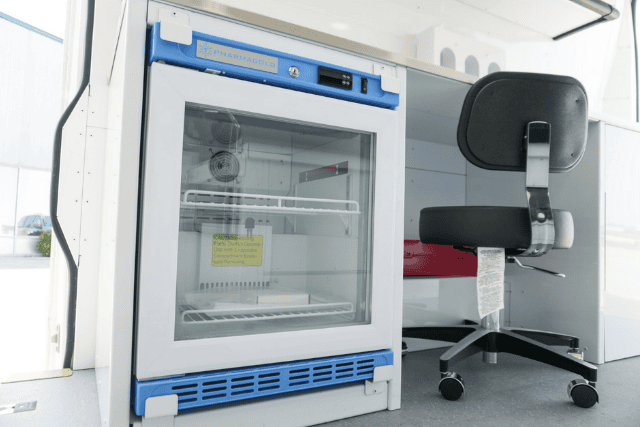
A medical-grade fridge keeps blood samples at the correct temperature during your route. This is especially important in warmer states like Arizona or Florida, where heat can impact sample integrity.
Sink
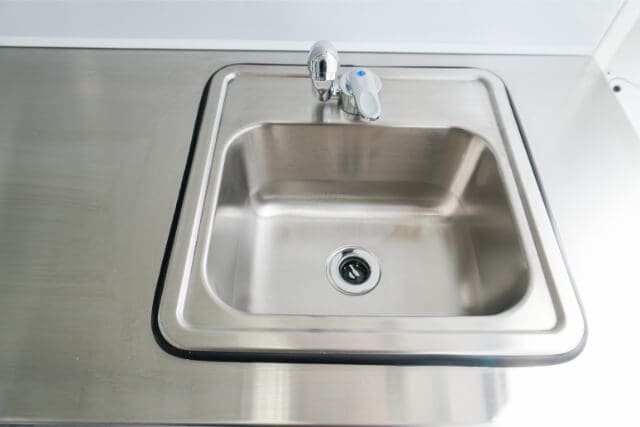
A sink with running water supports handwashing and cleaning between patients, which helps meet infection control standards and gives patients peace of mind.
Cabinetry
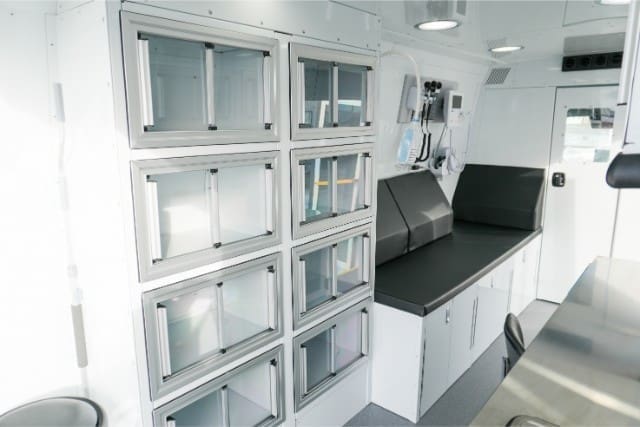
Secure cabinetry keeps supplies organized and easy to reach. This saves time and prevents items from shifting or getting damaged while driving.
Phlebotomy chair
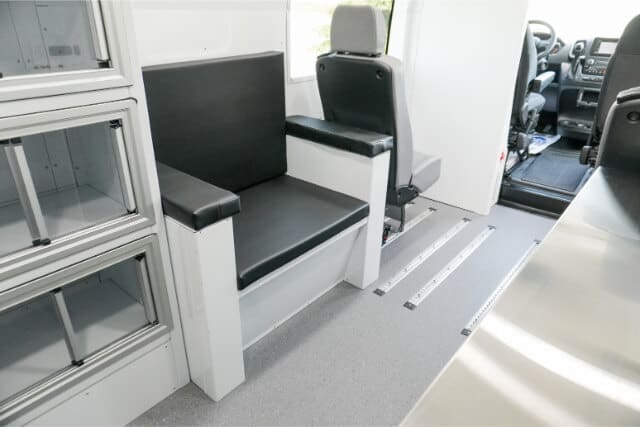
A comfortable, adjustable phlebotomy chair supports patients during blood draws. It also helps staff work at the right height, reducing strain and improving efficiency.
Office desk
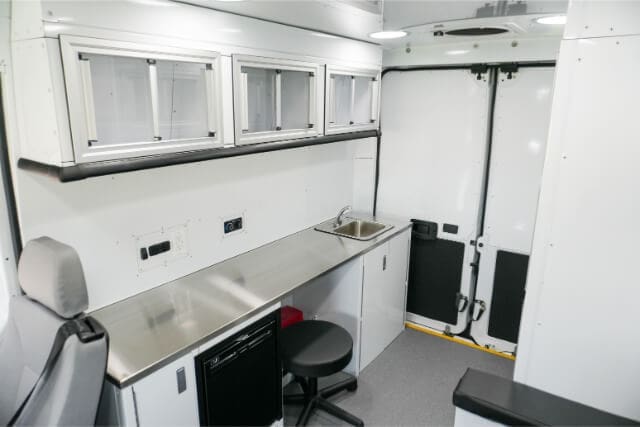
A small desk gives your team a space to handle paperwork, enter data, and store documents. It’s especially useful if you need to print labels or process patient information on-site.
Climate control
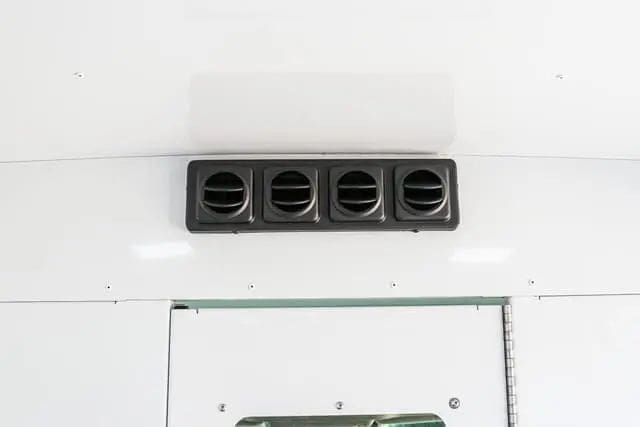
Reliable heating and cooling keep patients comfortable and help protect equipment and supplies. This is critical in both extreme heat and cold climates across the U.S.
Lighting and power
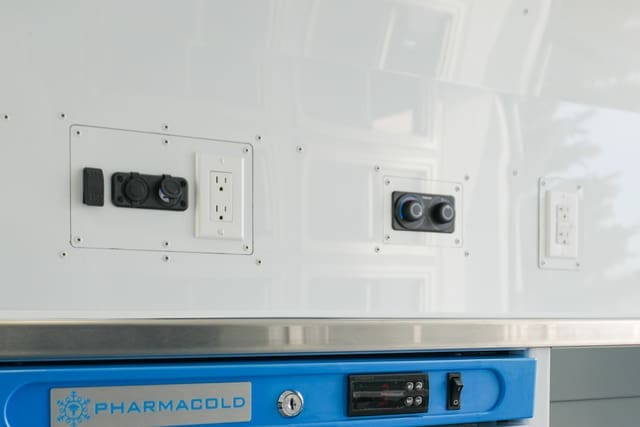
Bright, even lighting makes blood draws easier and safer. Consistent power ensures your fridge, devices, and lighting work throughout the day without interruption.
Next, we’ll cover the different vehicle options for mobile phlebotomy and compare their pros and cons for different situations.
Pros and cons of different vehicles for mobile phlebotomy
Choosing the right vehicle for mobile phlebotomy means thinking about how you work and what your patients need. Different types of vehicles come with different benefits and challenges. Some are better for tight city streets, while others handle long rural drives with ease. This section breaks down popular options to help you see what might fit your program best.
SUVs for mobile phlebotomy
SUVs are a common choice for mobile phlebotomy programs looking for something versatile and easier to drive. They often feel more familiar to staff who already drive similar vehicles in daily life. Here’s a closer look at what you can expect with an SUV.
Pros:
- Maneuverability: SUVs are smaller than RVs or buses, which makes them easier to navigate through crowded city streets or tight parking lots. This can be a real plus if your mobile phlebotomy services focus on urban areas with narrow roads or limited parking.
- Lower cost: Generally, SUVs cost less to buy and maintain than larger vehicles. This makes them appealing for smaller organizations or programs just starting out.
- Fuel efficiency: Compared to larger vehicles, SUVs often get better gas mileage, which helps keep operating costs down on long routes.
- Transport flexibility: Many organizations use SUVs mainly to transport their staff and supplies, then bring the equipment inside patients’ homes. This means less need to build out the inside of the vehicle for phlebotomy work.
Cons:
- Limited space: The smaller size can quickly feel cramped. There’s no room for phlebotomy chairs, cabinetry, sinks, or medical fridges inside. This makes it tough to do blood draws directly in the vehicle, especially if your team needs to work on multiple patients back to back.
- Less storage: Space for supplies and equipment is also limited. This leads to more trips back and forth or the need to carefully plan what goes in the vehicle each day.
- Comfort concerns: Staff may find it harder to move around and work efficiently in an SUV. Patients will feel less comfortable if the vehicle feels tight or crowded.
- Reduced climate control options: Because SUVs are smaller, it’s more challenging to install and maintain higher-capacity heating, cooling, and ventilation systems needed for safe sample handling and patient comfort.
SUVs can be a smart fit for programs that prioritize easy driving and transporting supplies to patient homes rather than working inside the vehicle. If your mobile phlebotomy services focus on quick visits and you don’t need a full workspace on wheels, an SUV might work well.
RVs for mobile phlebotomy
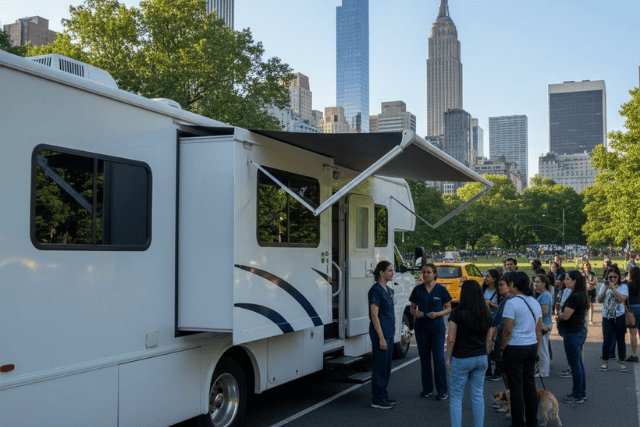
RVs might not be the first thing you think of for a vehicle for mobile phlebotomy, but some programs choose them for their spacious interiors and built-in amenities.
Pros:
- Lots of space: RVs offer plenty of room for everything you need, including phlebotomy chairs, cabinetry, sinks, fridges, and an office desk. Your staff can move comfortably and work efficiently without feeling cramped.
- Built-in amenities: Many RVs come with plumbing, heating, cooling, and power systems already installed. This means less retrofitting and a smoother setup for infection control and patient comfort.
- Comfortable environment: With more room and better climate control, patients may feel more at ease. Staff can also take breaks or handle paperwork in a dedicated space.
- Storage: You’ll have plenty of cabinets and storage areas to organize supplies and equipment, reducing the hassle of daily packing and unpacking.
Cons:
- High price: RVs cost three or more times more than vans or SUVs. For many organizations, this upfront price is a big hurdle.
- Maintenance costs: Repairs and upkeep tend to be more expensive because RVs have complex systems for plumbing, electrical, and HVAC. Keeping everything running smoothly adds to your budget.
- Maneuverability challenges: RVs are large and tough to drive in tight city streets or narrow rural roads. Parking can also be difficult, especially in urban areas with limited space.
- Fuel consumption: Bigger engines and heavier weight mean RVs get lower fuel efficiency. This increases operating costs on long routes.
- Limited flexibility: Because of their size, RVs struggle to access certain neighborhoods or remote areas with rough roads. That can limit the places you can serve.
RVs work best if your mobile phlebotomy services need a full workspace on wheels and you serve areas with good parking and road access. But the price and upkeep can be a barrier for smaller programs.
Vans for mobile phlebotomy
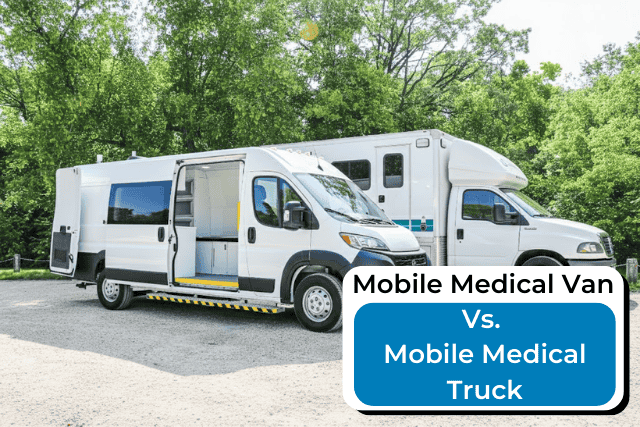
Vans are the most popular choice for a vehicle for mobile phlebotomy, and it’s easy to see why. They strike a good balance between space, comfort, and drivability, making them a versatile option for many programs across the U.S.
Pros:
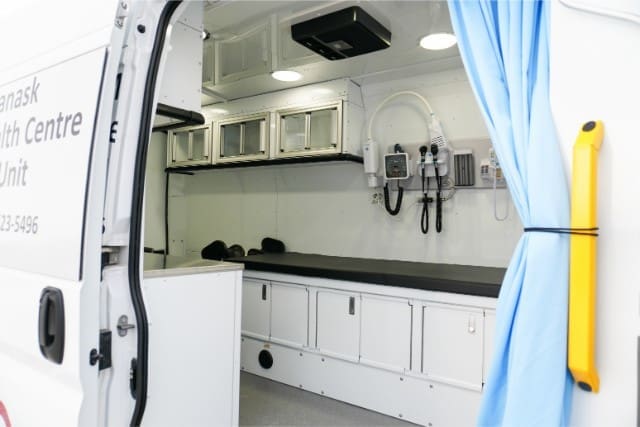
- Just the right space: Vans offer enough room for phlebotomy chairs, cabinetry, sinks, fridges, and even a small desk without feeling cramped. Your staff can work comfortably, and patients have a welcoming space.
- Easy to drive: Vans handle well in both city traffic and rural roads. They’re easier to park than larger vehicles like RVs, and they fit better on narrow streets. This makes them great for programs serving a mix of urban and rural communities.
- Good fuel economy: Vans generally use less gas than bigger vehicles. That helps keep operating costs down, especially if your team covers long distances.
- Customizable layouts: Vans can be customized to fit your specific needs. Whether you want extra storage or special equipment setups, there’s usually a van that can handle it.
- Reliable and common: Vans are widely used, so maintenance and repairs are often easier and less expensive. Parts and mechanics are usually easy to find across the country.
- Patient-friendly: With a low step-in height and wide doors, vans make it easier for patients of all ages and abilities to get inside. You can customize them to include a side ramp or a rear lift.
Cons:
- Limited space compared to RVs: Vans don’t have the sprawling interiors of RVs, so there’s less room to stretch out or add extra amenities. That might feel tight during busy days with multiple patients.
- Less storage than larger options: While vans have good storage, it’s still less than what a larger vehicle can offer. You might need to plan your supplies carefully or restock more often.
Most mobile phlebotomy programs choose vans because they offer the best mix of space, comfort, and ease of use. They’re flexible enough to fit many types of routes and patient needs, from downtown clinics to rural outreach
How do you choose the right vehicle for mobile phlebotomy?
Choosing the right vehicle for mobile phlebotomy means focusing on what your program really needs day to day. The right vehicle fits your goals, your team’s work style, and your patients’ comfort.
Here are some questions to help you figure that out without repeating what we already covered:
- How long are your typical patient visits? If you spend a lot of time with each patient, you’ll want a vehicle with a comfortable workspace. Short visits might work well with smaller setups.
- Do you need to carry extra staff or support people? Some programs bring nurses, schedulers, or counselors along. That means more seating and space to plan for.
- How often do you need to restock supplies during a route? If you can only restock once a day, you’ll want plenty of storage and organized cabinetry. If restocking is easy, you can get by with less space.
- What kind of roads and parking spots will you face? Narrow city streets, busy parking lots, or rough rural roads all affect what vehicle will work best.
- Will your vehicle double as a base for paperwork or patient check-in? Some teams need room for desks and tech gear to handle admin work inside the van.
- What’s your plan for vehicle maintenance and repairs? Some vehicles require more upkeep or specialized service, which can impact your schedule and budget.
Thinking through these practical questions helps you pick a vehicle that fits your daily reality and makes your mobile phlebotomy services run smoothly.
Got any questions about choosing the right vehicle for mobile phlebotomy?
You’re here because picking the right vehicle for mobile phlebotomy can feel like a big puzzle. Maybe you’re worried about space, comfort, or how to get to patients without a headache. It’s a lot to think about, and getting it wrong can slow down your whole program.
After reading this, you’ve got a better grip on:
- How different vehicles come with their own wins and quirks
- What features really matter to keep your team and patients happy
- Which questions to ask yourself before you make the call
At AVAN Mobility, we’ve spent over a decade helping programs across the U.S. launch mobile health services that work in the real world. Our focus is on creating vans built around your needs; durable, comfortable, and easy to drive. We back our customers every step of the way, not just at delivery. That’s why healthcare teams trust us to keep mobile care moving forward.
Ready to talk to a mobility expert? Click below to get started. If you want to keep learning first, here are some articles that fit perfectly with mobile phlebotomy and will help you plan your next move:
- Mobile medical van customization options: See what customizations you can add to make your mobile phlebotomy van work harder.
- Mobile Medical RV vs. Mobile Medical Van cost differences: This article will give you a better idea of the price difference between a van and an RV.