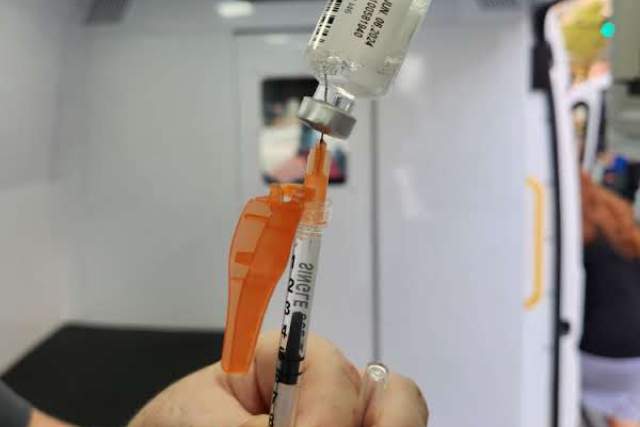
The Minnesota Rural Health Transformation Program gives rural providers a rare opportunity to fund mobile health services without building new facilities. In this video, we break down what the program can fund, who qualifies, and how organizations can use it to expand access to care closer to home.
Key Moments in this Video
1
What the Minnesota Rural Health Transformation Program Is
The Rural Health Transformation Program is a federal and state initiative run by the Minnesota Department of Health. The goal is to expand access to care in rural Minnesota without building new facilities. What sets it apart from most grants is that it’s not competitive. Rural hospitals, FQHCs, Tribal Nations, CCBHCs, and CMHCs are all eligible, and funding is formula-based. There are no match requirements, and applications are rolling until May 15. The program has five initiatives. The one that matters most for mobile health programs is Initiative 3: Sustain Access to Services to Keep Care Closer to Home.
60
How Mobile Behavioral Health Fits the Program
Behavioral health care access in rural Minnesota has gotten worse over the last few years. There are fewer providers and longer travel distances. This program aims to address that by funding community-based delivery, including screenings, crisis follow-up, peer support, tele-mental health visits, and substance use outreach. The people who most need behavioral health support are often the last ones to walk into a clinic. Stigma is real, and so is distrust. A mobile program that shows up in familiar places can change who gets help. The vehicle matters too. A counseling space that feels clinical will not work. Soft seating, soundproofing, and dimmable lighting can make it feel like somewhere a person would actually sit down and talk.
112
How Rural Providers Can Use Mobile Telehealth
Most people do not think of telehealth as something that has to happen in a clinic. The program supports community telehealth access points, including mobile setups that go to the patient instead of requiring the patient to travel. Minnesota Medicaid already pays for live video visits and remote patient monitoring. The billing infrastructure exists. What many rural providers are missing is a practical way to show up and connect. A vehicle with satellite internet makes that possible. It can park at a community center, school, workplace, or other local site and create a private, connected space where someone can see a specialist. That can make chronic disease management, mental health consults, and substance use treatment pathways more reachable in communities that have not had that option.
167
What Mobile Primary and Preventive Care Can Be Funded
Mobile preventive and primary care is where the program language is most direct. Under Initiative 3, rural hospitals, FQHCs, and Tribal Nations can use funding to plan, purchase, and outfit mobile units for physical and oral health services. The state points to specific services that can be delivered from mobile units, including screenings, primary and preventive care, lab work, basic dental care, referrals, and telehealth connections to specialists. On the financial side, the program covers the vehicle and infrastructure. Clinical services delivered on the unit are billed through normal reimbursement channels. The grant supports the setup, while existing billing supports ongoing operations.
212
Why Tribal Nations Are a Major Focus
Tribal Nations are named throughout the program as a primary target. Award ceilings go up to approximately $808,000 depending on the nation, and Tribal Nations can apply directly for mobile unit funding. The barriers that make mobile care valuable in rural communities often run deeper in tribal communities. Distance and distrust are layered with historical context. A mobile program that comes into the community in a culturally grounded setting can do something a distant clinic cannot. That also means the vehicle needs to meet real conditions on the ground, including off-road capability for unpaved roads, satellite internet where cell coverage does not reach, and exterior design that can reflect community identity. These are not extras. They are part of what makes the program usable.
282
How to Apply Before the Deadline
There are a few practical details providers need to understand before applying. The program is reimbursement-based, which means you spend first and submit documentation for repayment. Funds cover infrastructure, equipment, technology, and planning. They do not cover direct clinical services, and they cannot replace funding already being received for the same work. The project needs to be new or an expansion of what already exists. Strong applications explain clearly how a mobile program will reach people who are not currently being served. The state wants to see that staffing, outreach, billing workflows, and encounter tracking have all been considered. The application window closes May 15, 2026.
Russ Evans

Russ
Frequently Asked Questions:
Who manages the Rural Health Transformation Fund?
The Rural Health Transformation Program is managed by the Minnesota Department of Health as part of a federal and state initiative to expand access to care in rural Minnesota.
Who can apply for Minnesota Rural Health Transformation Program funding?
Eligible applicants include rural hospitals, FQHCs, Tribal Nations, CCBHCs, and CMHCs.
Can the Minnesota Rural Health Transformation Program fund mobile health units?
Yes. Initiative 3 can support the planning, purchase, and outfitting of mobile units for services delivered closer to home.
Does the program cover direct clinical services?
No. The funding covers infrastructure, equipment, technology, and planning, but not direct clinical services.
When is the deadline to apply?
The application window closes on May 15, 2026.
Share:
Facebook
LinkedIn
Email
Related Resources
Jorge Garcia
October 23, 2026