Updated: July 23, 2026
Learning how to start a mobile drug testing business can feel simple until compliance, staffing, and specimen handling enter the picture. Employers across the U.S. want faster workplace drug testing without sending workers across town. Meanwhile, 73.6 million Americans aged 12 or older used an illicit drug in the past year.
That demand can create an opportunity for you. But poor planning can lead to a broken chain of custody, privacy issues, missed contracts, and costly mistakes. A well-run mobile drug testing company brings secure, professional collection to job sites, rural communities, and employers.
When your program depends on getting testing services to the right place, the vehicle can’t be an afterthought. AVAN Mobility has spent more than 10 years helping organizations turn mobile care ideas into practical, working spaces. We’ve built over 180 mobile medical units for teams serving communities across the U.S., including CalOptima and Pacific Clinics. Our Ford Pro Upfitter and Stellantis QPro certifications reflect the standards behind that work.
As you read this article, you’ll learn the 10 steps needed to launch, including:
- Planning: Define your services and market.
- Compliance: Understand training, licensing, and DOT drug testing rules.
- Operations: Choose equipment, laboratory partners, and a mobile drug testing van.
- Growth: Set pricing and find your first clients.
*Keep in mind that all information in this article is based on publicly available sources. It’s recommended to still do your due diligence when starting a mobile drug testing business.
What is a mobile drug testing business?
A mobile drug testing business brings testing or specimen collection to the client’s location. Instead of asking workers to travel to a clinic, you meet them at a job site, office, warehouse, school, or community setting. That can save time, reduce missed work, and make testing easier to manage.
Your role may include collecting urine, oral fluid, hair, or breath samples. You may also help employers with pre-employment screening, random testing, post-accident testing, and reasonable suspicion testing.
The main goal is simple. You bring a professional collection site closer to the people who need it.

That could mean visiting:
- Construction sites: Crews can complete workplace drug testing without leaving the project.
- Transportation yards: Drivers can complete DOT drug testing before returning to work.
- Factories: Employers can test several workers during one planned visit.
- Remote communities: Mobile specimen collection can reach areas with few nearby clinics.
- Corporate offices: Staff can complete testing with less disruption to the workday.
- Schools or sports programs: Organizations can arrange testing under their own policies.
For example, picture a trucking company outside Dallas. A driver needs post-accident testing, but the closest collection site is 45 minutes away. That delay can create stress for the employer and the driver. Mobile drug testing services can bring the collection process to the company’s location instead.
This convenience can become a strong reason for clients to choose your mobile drug testing company. Still, convenience only works when your process is accurate, private, and consistent.
How is specimen collection different from laboratory testing?
Many people assume a mobile drug testing business performs every test inside the vehicle. In many cases, that’s not how the process works.
Many mobile drug testing companies collect specimens and send them to an accredited laboratory rather than analyzing every sample inside the vehicle.
Your team may handle:
- Client check-in
- Identity confirmation
- Specimen collection
- Chain of custody paperwork
- Sample labeling
- Secure storage
- Shipping or courier pickup
- Result tracking
The laboratory may handle the actual analysis and report the findings through a medical review process.
This difference affects your drug testing business requirements. Collecting specimens often requires trained staff, written procedures, secure handling, and a laboratory partnership. Operating a laboratory can involve added equipment, certifications, quality controls, and regulatory compliance.
Some mobile drug testing services may use rapid testing tools at the client’s location. Even then, certain results may need laboratory confirmation. Your business model should clearly explain what happens on-site and what happens after the specimen leaves your care.
Clients should never have to guess who handles the sample or where it goes next.
What are the benefits of mobile drug testing services?
Mobile service helps close the gap between an employer’s testing policy and its ability to carry it out.
Common benefits include:
- Less downtime: Workers spend less time traveling to a collection site.
- Faster response: Your team can support time-sensitive post-accident or reasonable suspicion testing.
- Greater reach: You can serve rural locations and job sites far from clinics.
- More privacy: A mobile drug testing van can provide a controlled space for specimen collection.
- Better scheduling: Employers can arrange testing around shifts and production demands.
- Consistent service: One provider can support several company locations.
These benefits can help you build long-term relationships with employers, occupational health providers, and community organizations.
Once you understand what the business does, the next step is deciding which services you’ll offer.
What services can a mobile drug testing business offer?
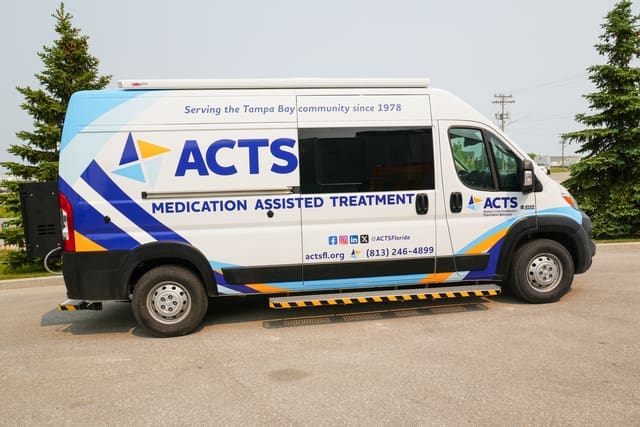
A mobile drug testing business can offer several services based on the clients you want to serve. Your best mix may include workplace drug testing, DOT drug testing, alcohol testing, or other types of specimen collection. The key is choosing services that match your training, equipment, staffing, and local demand.
You don’t need to offer everything on day one. In fact, trying to do too much too soon can create gaps in quality, paperwork, and regulatory compliance. A focused service list is often easier to manage and easier to explain to clients.
The services below are some of the most common options.
What is pre-employment drug testing?
Pre-employment drug testing takes place before a person starts a new job. Employers may use it as part of their hiring process, especially in safety-sensitive industries.
Your mobile drug testing services could visit an employer’s office, warehouse, or job site to collect specimens from new hires. That can be easier than asking every candidate to visit a separate collection site.
Common testing methods may include:
- Urine testing: This is one of the most common methods for employer testing.
- Oral fluid testing: This may be used when a faster or less private collection process is preferred.
- Hair testing: This may provide a longer detection window, depending on the test.
- Alcohol testing: This may be added when required by company policy or industry rules.
For example, a manufacturing company in Ohio may hire 15 workers before a busy season. Your mobile drug testing company could schedule one visit and complete each collection in the same day.
The employer saves time, and each candidate receives a clear, consistent process.
What is random workplace drug testing?
Random testing helps employers test workers at unplanned times throughout the year. It may support safety policies, industry rules, or workplace risk management.
A client may give you a list of selected employees before your visit. Your team then completes mobile specimen collection at the workplace while following the company’s testing policy.
Random testing can be useful for:
- Transportation companies
- Construction firms
- Manufacturing plants
- Energy companies
- Warehouses
- Public agencies
- Safety-sensitive workplaces
Privacy is important here. Workers may feel nervous, embarrassed, or singled out. Your process should be calm and respectful. Staff should avoid discussing names or results where others can hear.
Mobile drug testing services can reduce work disruption because employees don’t need to leave the site. Still, your timing, paperwork, and chain of custody process must remain consistent.
What is post-accident testing?
Post-accident testing may take place after a workplace crash, injury, equipment incident, or safety event.
Timing can be important. An employer may need testing completed within a set period under its policy or industry rules. A mobile drug testing business can respond to the job site, office, hospital, or another approved location.
Imagine a construction company outside Phoenix has an equipment accident late in the afternoon. The nearest collection site closes soon, and the worker is shaken. A mobile provider can reduce travel and help the employer follow its process without adding more confusion.
Some of the services you offer may include:
- Identity checks
- Urine or oral fluid collection
- Breath alcohol testing
- Chain of custody documents
- Secure storage
- Courier coordination
- Employer reporting
Your team should never decide who caused the accident. Your job is to follow the collection process and document each step.
What is reasonable suspicion testing?
Reasonable suspicion testing may be requested when a trained employer representative observes signs that could suggest drug or alcohol use.
Those signs may involve speech, behavior, movement, appearance, or smell. However, your mobile drug testing company usually doesn’t make that decision. The employer should follow its own policy and documentation process before contacting you.
These calls can be tense. The worker may feel accused, angry, or scared about losing a job.
Your team should:
- Stay neutral
- Protect privacy
- Explain the collection steps
- Avoid discussing workplace discipline
- Complete accurate paperwork
- Follow the employer’s testing instructions
- Keep the specimen secure
A steady process helps lower conflict. It also protects the worker, the employer, and your business from confusion.
What is DOT-regulated drug and alcohol testing?
DOT drug testing follows federal rules for certain transportation workers in safety-sensitive roles. These rules may apply to commercial drivers, aviation workers, transit employees, pipeline workers, railroad staff, and others.
DOT-regulated testing is different from general workplace drug testing. Your staff may need specific training, forms, procedures, and testing partners.
DOT services may include:
- Pre-employment testing
- Random testing
- Post-accident testing
- Reasonable suspicion testing
- Return-to-duty testing
- Follow-up testing
- Breath alcohol testing
Your team must understand which DOT agency applies to the worker. Rules may differ between trucking, aviation, transit, and other industries.
Chain of custody is especially important. A missing signature, incorrect form, or poor specimen handling could create delays or require another test.
Before offering DOT drug testing, review your drug testing business requirements, collector training, laboratory partnership, and medical review process. This is one area where “we’ll figure it out as we go” is a risky business plan.
What is non-DOT workplace testing?
Non-DOT workplace testing covers employees who aren’t subject to federal DOT testing rules.
Employers may still create testing policies for safety, hiring, insurance, or company standards. These programs can vary based on state law, local rules, union agreements, and the employer’s written policy.
Non-DOT testing may include:
- Pre-employment screening
- Random testing
- Post-accident testing
- Reasonable suspicion testing
- Return-to-work testing
- Testing after a policy violation
Your mobile drug testing services should follow the client’s written process. You should also know which specimen types and testing panels the employer has approved.
For example, a private warehouse in Georgia may use a different testing policy than a trucking company under DOT rules. Both may request urine testing, but the paperwork and procedures may differ.
Clear client intake helps prevent mistakes before your team arrives.
What is mobile alcohol testing?
Mobile alcohol testing can support employers that need testing at workplaces, job sites, or after an incident.
Your service may use a screening device or an evidential breath testing device, depending on the program. Breath alcohol testing often requires trained staff, proper equipment, calibration records, and specific testing steps.
Mobile alcohol testing may be requested for:
- Post-accident situations
- Reasonable suspicion cases
- Random testing programs
- Return-to-duty testing
- Workplace safety events
The testing space should provide privacy and enough room to use the equipment safely. Your mobile drug testing van may also need secure storage for devices, mouthpieces, forms, and calibration records.
Alcohol testing can be time-sensitive, so your service area and response time should be realistic. Promising a 30-minute response across half a state may sound impressive, but traffic will eventually call your bluff.
Can you offer DNA or other specimen collection?
Some mobile drug testing companies also provide DNA collection, paternity specimen collection, fingerprinting, health screening, or other occupational health services.
These options may help you serve more clients, but they can require different procedures and partnerships.
DNA collection may involve:
- Special collection kits
- Identity verification
- Witnessed collection
- Separate chain of custody forms
- Approved laboratory partnerships
- Legal or court-admissible procedures
- Different shipping requirements
A drug-testing laboratory may not handle DNA samples. You may need a separate laboratory partnership with its own contracts, supplies, and training.
Other specimen collection services may include:
- Hair collection
- Oral fluid collection
- Blood collection by qualified medical staff
- Wellness screening samples
- Insurance exam collections
- Clinical research specimens
Don’t add these services simply because they fit inside the same van. Each service should have a clear process, trained staff, secure storage, and a reliable destination for the sample.
Once you decide which services fit your market, you can begin building the 10-step plan for launching the business.
How to start a mobile drug testing business in 10 steps

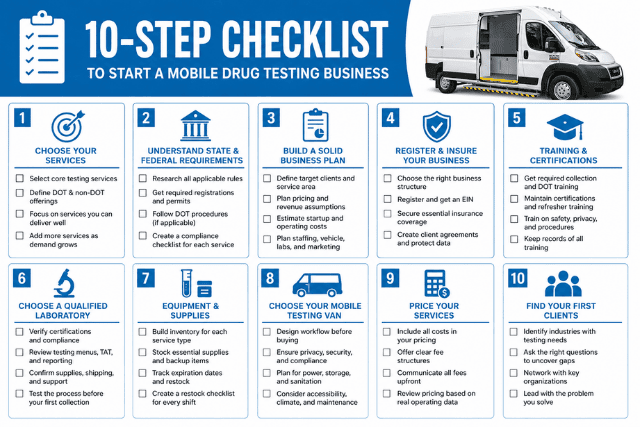
Learning how to start a mobile drug testing business takes more than buying supplies and finding a van. You need a clear service model, trained collectors, dependable partners, and a process clients can trust. These 10 steps will help you move from a good idea to a working business without building the roof before the walls.
1. Which mobile drug testing services will you provide?
Start with a focused list of services. Your choices will shape your training, drug testing equipment, laboratory partnership, pricing, and mobile drug testing van.
You may offer:
- Drug testing: Collect urine, oral fluid, hair, or other approved specimens.
- Alcohol testing: Provide screening or breath alcohol testing with trained staff.
- Collection-only services: Collect, label, secure, and send specimens to a laboratory.
- Rapid tests: Use approved on-site test kits when they fit the client’s policy.
- Laboratory-confirmed testing: Send samples to a qualified lab for testing and confirmation.
- DOT services: Follow federal procedures for covered transportation workers.
- Non-DOT services: Follow the employer’s policy and applicable state laws.
Think about the clients near you. A mobile drug testing business in Houston may serve trucking yards, construction sites, and energy companies. A provider near rural Iowa may work with farms, manufacturers, schools, and local governments.
Resist the urge to offer every test from day one. Each added service brings new supplies, procedures, training, and paperwork.
Start with the services you can deliver well. You can add more once your process is steady and your clients begin asking for them.
2. Which state and federal drug testing business requirements apply?
Requirements vary by state, testing method and the industries you serve.
Your first research should cover:
- State business registration
- State and local business permits
- Occupational health rules
- Collector qualifications
- Privacy requirements
- Medical waste rules
- Laboratory requirements
- DOT rules, when applicable
- Rules for rapid testing or clinical testing
- Commercial vehicle requirements
A general drug testing business license may not exist under one simple name. You may need several registrations or permits based on your location and services. The U.S. Small Business Administration advises businesses to check federal, state, county, and city requirements because licensing can depend on both location and activity.
Your city may require a standard business permit. Your state may regulate certain medical services. Local rules may affect where you can park and operate a mobile unit.
DOT drug testing has its own federal procedures under 49 CFR Part 40. DOT collectors must follow specific collection, documentation, security, and training rules. The federal collection form used for DOT collections also differs from forms used for many non-DOT tests.
DOT urine collectors must complete qualification training and demonstrate their skills through five consecutive error-free mock collections before performing collector duties. Refresher training is generally required at least every five years.
Oral fluid collection under DOT rules has its own training requirements. Training must cover the collection device being used, problem collections, paperwork, privacy, and specimen security.
Don’t assume that non-DOT workplace drug testing follows the same rules. State laws can affect when testing is allowed, what notice employees receive, and how results are handled.
Create a compliance checklist for each service before accepting clients. When a rule is unclear, work with qualified legal, insurance, laboratory, or occupational health professionals in your state.
3. What should your drug testing business plan include?
A drug testing business plan turns your idea into a working model. It helps you understand what you’ll sell, who will buy it, and what it will cost to deliver.
Your plan should cover the following areas.
- Target clients: List the employers and organizations most likely to use your services.
- Geographic area: Decide how far you’ll travel and how long each trip may take.
- Services: Choose the testing and collection services you’ll launch with.
- Pricing: Define your test fees, travel charges, call-out rates, and contract options.
- Startup costs: Include training, insurance, supplies, technology, marketing, and the vehicle.
- Operating costs: Estimate fuel, staff time, laboratory charges, supplies, cleaning, software, and maintenance.
- Staffing: Decide who will collect specimens, handle paperwork, drive, schedule visits, and manage clients.
- Vehicle: Define the space, privacy, power, storage, and accessibility your workflow needs.
- Laboratory partners: Identify who will test specimens, report results, and provide supplies.
- Marketing: Plan how employers will find and trust your mobile drug testing company.
- Revenue assumptions: Estimate how many visits and tests you can complete without inflating demand.
Keep your numbers realistic. A business plan that assumes every weekday will be full from month one may look exciting, but excitement doesn’t pay for fuel.
Build a low, expected, and high-demand scenario. That shows how your mobile drug testing business cost changes as volume grows.
For example, a provider serving employers around Atlanta may charge differently for one scheduled pre-employment test than for an after-hours trip to a site 60 miles away. Your plan should account for the real time and travel behind each service.
4. How should you register and insure the business?
Choose a business structure that fits your ownership, tax, and risk needs. Common choices include a sole proprietorship, partnership, limited liability company, or corporation.
Registration may involve:
- Choosing a business name
- Registering with your state
- Applying for an employer identification number
- Opening a business bank account
- Registering for state or local taxes
- Applying for permits
- Creating client agreements
Your business location can affect your taxes, zoning restrictions, fees, and licensing requirements.
Insurance needs can vary, but you may need to discuss:
- General liability: May help address common business claims.
- Professional liability: May relate to mistakes in professional services.
- Commercial auto insurance: Covers the vehicle based on its business use.
- Workers’ compensation: May be required when you hire employees.
- Cyber or data coverage: May address risks tied to private records.
- Property coverage: May protect equipment and supplies.
A personal auto policy may not cover a van used for mobile drug testing services. Tell the insurer exactly how the vehicle will be used, where it will travel, and what equipment it carries.
Privacy risk also deserves attention. You may handle names, test details, employer records, and other sensitive information. Secure your devices, limit staff access, and use clear record-handling procedures.
Business registration and insurance don’t replace professional advice. Review your plan with qualified legal, tax, and insurance professionals who understand your state and service model.
5. Which training and certifications will your team need?
Training protects the person being tested, the client, and your company. A collector must know more than how to hand someone a cup.
Your training plan may include:
- Specimen collection
- Urine collection procedures
- Oral fluid collection
- Hair collection
- Breath alcohol testing
- DOT collector training
- Chain-of-custody procedures
- Difficult or incomplete collections
- Infection control
- Privacy
- Secure specimen handling
- Emergency procedures
DOT rules allow only qualified collectors to complete DOT specimen collections. Supervisors, laboratory staff with certain conflicts, close relatives, and the employee being tested face restrictions on acting as the collector.
Collectors should also know how to handle common problems. These may include an insufficient specimen, broken seal, incorrect form, temperature concern, refusal to sign, or suspected tampering.
A small error can affect the credibility of the test. DOT guidance places strong attention on collection-site security, identity checks, control of the specimen, and the removal of possible contaminants.
Breath alcohol testing requires its own training, equipment knowledge, and documentation. DOT breath alcohol technicians and screening test technicians must also complete specific proficiency requirements. Don’t assume drug collection training automatically qualifies someone to perform alcohol testing.
Keep copies of certificates, training dates, mock collection results, and refresher records. Clients may ask to review them before signing a contract.
6. How do you choose a qualified drug testing laboratory?
A reliable laboratory partnership is one of the most important parts of your business. Your collection may be flawless, but slow reporting or poor communication can still frustrate clients.
Ask potential laboratories about:
- Test menus
- Specimen types
- Testing panels
- Confirmation testing
- Turnaround times
- Weekend processing
- Courier service
- Shipping requirements
- Result reporting
- Medical review officer access
- Collection supplies
- Client portals
- Electronic chain of custody
- Billing
- Support for rejected specimens
For DOT and certain federally regulated programs, laboratories must meet federal requirements. SAMHSA maintains current lists of HHS-certified laboratories and approved electronic custody and control form systems.
Clarify who provides the collection kits, forms, shipping materials, labels, and seals. Ask how quickly replacement supplies arrive.
You should also understand how results move from the laboratory to the medical review officer and then to the employer. Your client will expect a clear answer when they ask, “Where is the result?”
Test the process before your first paid collection. Send a sample package, log into the portal, and walk through the paperwork. Finding a missing login during a live post-accident call is a rough way to meet a new client.
7. Which drug testing equipment and supplies will you need?
Your drug testing equipment depends on the services you offer. Build a written inventory for each collection type.
A starting checklist may include:
- Collection cups
- Approved specimen kits
- Tamper-evident seals
- Gloves
- Labels
- Chain-of-custody forms
- Breath alcohol equipment
- Single-use mouthpieces
- Secure specimen storage
- Temperature controls
- Cleaning supplies
- Hand sanitation supplies
- Sharps container, where required
- Clinical waste containers
- Laptop or tablet
- Portable printer
- Mobile internet
- Privacy screens
- Lockable cabinets
- Shipping materials
- Backup forms
- Identification tools
- Spill supplies
Choose equipment that fits your laboratory’s process. A kit, label, or form that works for one partner may not work for another.
Plan for shortages and damaged supplies. Keep backup seals, forms, printer paper, chargers, and collection kits in secure storage.
Track expiration dates. A forgotten box of expired rapid tests is less of an inventory system and more of a costly surprise.
Create a checklist for restocking the van after every shift. That habit can prevent the next collector from arriving at a job site without gloves, forms, or a working printer.
8. How do you choose a mobile drug testing van?
Design the workflow before choosing the vehicle.
A mobile drug testing van should support the steps your team performs each day. Buying a vehicle first can force your staff into a layout that creates poor privacy, weak storage, or awkward specimen handling.
Map the full visit:
1. Where does the client enter?
2. Where is identity checked?
3. Where is paperwork completed?
4. Where is the specimen collected?
5. Where are labels and seals applied?
6. Where is the specimen stored?
7. Where does the client exit?
8. How is the space cleaned before the next visit?
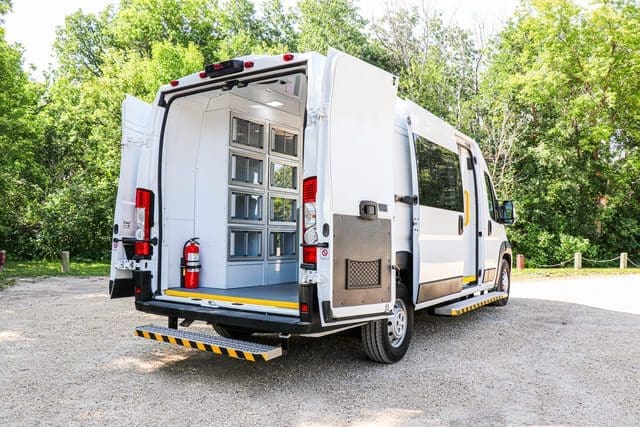
The vehicle may need:
- Private collection area: People should feel respected during the process.
- Handwashing or sanitation system: Staff need a clear infection-control routine.
- Secure storage: Samples, forms, and supplies must stay protected.
- Work surface: Collectors need room for labels and paperwork.
- Proper lighting: Staff must be able to inspect supplies and complete forms.
- Climate control: Heat and cold can affect people, equipment, and stored materials.
- Electrical power: Devices, printers, lighting, and testing equipment need dependable power.
- Connectivity: Mobile internet helps with scheduling, forms, and result portals.
- Easy-to-clean materials: Surfaces should support regular cleaning.
- Safe entry: Steps, handles, lighting, and clear walkways reduce risk.
- Accessibility: Some clients may need a ramp, lift, or wider interior path.
DOT collection sites must protect specimen security and integrity. Procedures address access control, water sources, potential contaminants, employee identification, and collector control of the specimen. Specific urine collection rules address water sources, cleaning products, unauthorized substances, and other potential sources of specimen tampering.
Oral fluid collections also have separate site-security rules covering access to materials, privacy, unauthorized entry, and specimen integrity.
A van used for DOT collections must be planned around those requirements, not treated like an ordinary office with wheels.
Think about where the vehicle will operate. A van serving winter job sites in Minnesota needs a different heating plan than one working through summer in Arizona.
Also consider parking, vehicle height, maintenance access, fuel use, and who will drive it. The best layout has little value when the van can’t reach the client’s site.
9. How should you price mobile drug testing services?
Your pricing should reflect the full cost of serving the client. That includes more than the test kit.
Common pricing models include:
- Per-test fee: Charge for each completed collection or test.
- Call-out fee: Charge for sending the team to the client’s location.
- Travel fee: Account for mileage, drive time, tolls, or remote service.
- After-hours fee: Charge for nights, weekends, or urgent response.
- Employer contract: Set agreed rates for ongoing workplace drug testing.
- Event rate: Charge for a scheduled block of time or group testing event.
- Monthly service agreement: Offer planned access, testing volume, or response coverage.
Don’t copy a competitor’s price without understanding what it includes. One company may quote collection only. Another may include the laboratory test, medical review officer, travel, supplies, and reporting.
Your price should account for:
- Collector wages
- Travel time
- Fuel
- Laboratory charges
- Supplies
- Insurance
- Vehicle costs
- Software
- Equipment calibration
- Administration
- Cleaning
- After-hours staffing
- Failed appointments
State each fee clearly before the visit. Clients dislike surprise invoices almost as much as providers dislike unpaid ones.
Review your pricing after the first few months. Real operating data will show where your original assumptions were too high or too low.
10. How do you find your first mobile drug testing clients?
Start with organizations that face real testing gaps. Your best client may be an employer losing hours whenever workers travel to a distant collection site.
Potential clients include:
- Construction companies
- Transportation companies
- Manufacturing facilities
- Staffing agencies
- Healthcare organizations
- Municipalities
- Schools
- Sports programs
- Courts and legal services
- Treatment programs
- Warehouses
- Energy companies
- Occupational health providers
Build a simple message around the problem you solve.
For example:
We provide mobile specimen collection at your workplace, helping reduce travel time and disruption while following your testing process.
Then ask questions:
- How far do workers travel for testing?
- How long are they away from the job?
- Do you need after-hours support?
- Which tests do you require?
- How often do post-accident calls happen?
- Do you manage DOT and non-DOT programs?
- Which parts of the current process cause delays?
These questions help uncover the gap between the client’s current process and the service they want.
Visit local business groups, transportation associations, safety organizations, staffing firms, and occupational health networks. Connect with laboratory representatives, medical review officers, and third-party administrators who may need collection support.
SAMHSA provides drug-testing resources for employers and notes that both federal and non-federal programs should follow applicable local, state, and federal laws. Those materials can also help you understand the concerns your clients may bring to the conversation.
Don’t lead with the van. Lead with the time, access, privacy, and scheduling problems the client faces.
Once these 10 steps are mapped out, you can build a complete equipment list and decide what your mobile operation needs to carry each day.
What equipment is needed for a mobile drug testing business?
A mobile drug testing business needs equipment that supports safe collection, clear paperwork, specimen security, and reliable communication. Your exact list will depend on the services you offer, but every item should have a clear place in your workflow. Missing one small supply can delay an entire visit.
| Category | Examples |
| Testing supplies | Collection kits, rapid tests, collection cups, tamper-evident seals, and oral fluid devices. |
| Documentation | Chain-of-custody forms, labels, consent forms, client instructions, and backup paperwork. |
| Safety | Gloves, disinfectant, hand sanitizer, spill supplies, waste containers, and sharps containers where required. |
| Technology | Laptop or tablet, portable printer, chargers, mobile internet, and secure access to client or laboratory portals. |
| Storage | Lockable cabinets, secure specimen storage, temperature-controlled storage, and organized supply bins. |
| Vehicle systems | Interior lighting, HVAC, electrical power, sanitation systems, and easy-to-clean surfaces. |
Your equipment should match your laboratory partnership and testing methods. A form or collection kit that works for urine testing may not work for oral fluid testing, hair testing, or DOT drug testing.
Keep backup supplies inside your mobile drug testing van, but don’t turn every cabinet into a mystery drawer. Use labels, inventory lists, and a restocking process after each shift.
Once your equipment list is clear, the next step is designing a vehicle layout that supports safe, private, and efficient collection.
What should a mobile drug testing van include?
A mobile drug testing van should support a clear path from check-in to specimen storage. The layout needs to protect privacy, reduce mistakes, and help your team work without bumping into cabinets every five minutes. Each area should have a purpose.
Which operational areas are required?
Your mobile drug testing van should include:
- Check-in and documentation: A small workstation for identity checks, consent forms, and chain-of-custody paperwork.
- Private collection space: A closed or screened area where clients can provide specimens with dignity.
- Secure supply storage: Lockable cabinets for collection kits, forms, seals, and drug testing equipment.
- Specimen preparation: A clean work surface for labeling, sealing, and reviewing samples.
- Temporary specimen storage: A secure area that protects samples until courier pickup or delivery.
- Hand sanitation: A sink or sanitation station that supports infection control between appointments.
- Waste disposal: Clearly marked containers for gloves, cleaning materials, and sharps where required.
The space should also have good lighting, climate control, mobile internet, and easy-to-clean surfaces. Your staff should be able to move through each step without carrying specimens across the whole van.
Which optional features may improve the layout?
Your service model may also call for:
- Restroom: Helpful for urine testing when approved procedures can be supported.
- Wheelchair access: A ramp or lift can make testing available to more people.
- Exterior awning: Provides shelter for check-in or outdoor waiting.
- Refrigerator: Supports samples or supplies with temperature controls.
- Generator or battery system: Provides power when a site has no electrical connection.
- Separate staff entry: Helps control traffic and protect the work area.
- Exterior scene lighting: Improves safety during early, late, or emergency visits.
Once the layout is defined, you can estimate what it will cost to launch and operate the business.
Here’s the revised section with the mobile clinic van range included:
How much does it cost to start a mobile drug testing business?
The mobile drug testing business cost may range from about $15,000 for a small collection-only setup using an existing vehicle to $290,000 or more for a professionally converted mobile clinic van. Your total will depend on your services, vehicle, staffing, insurance, and local requirements.
Cost disclaimer: The figures below are planning estimates, not guaranteed prices. Your costs may be higher or lower based on your organization, state, service area, vehicle design, and testing model. Always request current quotes before setting your budget.
What are the estimated startup costs?
| Startup item | Rough planning range |
| Business registration and permits | $100 to $1,500 |
| Collector and alcohol-testing training | $150 to $1,500 per person |
| Initial insurance deposits | $1,000 to $5,000 |
| Drug testing equipment | $2,000 to $15,000 |
| Initial collection supplies | $500 to $3,000 |
| Used cargo van | $20,000 to $45,000 |
| New cargo van | $46,000 to $60,000+ |
| Basic vehicle conversion | $15,000 to $40,000 |
| Mobile clinic van | $170,000 to $290,000 |
| Vehicle graphics and branding | $2,000 to $6,000 |
| Software and technology | $1,000 to $5,000 |
| Website and launch marketing | $1,500 to $10,000 |
A mobile clinic van in the $170,000 to $290,000 range may include a new vehicle, professional conversion, secure cabinetry, climate control, power systems, sanitation, privacy features, and accessibility options. The final price will depend on the layout and equipment your mobile drug testing services require.
What might the total startup budget look like?
- Collection-only startup: About $15,000 to $35,000 when using an existing vehicle.
- Used mobile van setup: About $45,000 to $90,000.
- New van with a basic conversion: About $75,000 to $125,000.
- Professionally built mobile clinic van: About $170,000 to $290,000.
A restroom, wheelchair lift, plumbing, refrigeration, battery power, and advanced alcohol-testing equipment can push the total higher.
Which ongoing costs should you budget for?
Monthly expenses may include:
- Fuel and travel
- Vehicle payments and maintenance
- Laboratory fees
- Collection supplies
- Software subscriptions
- Staff wages
- Equipment calibration
- Cleaning and waste disposal
- Commercial auto and business insurance
Build your budget around the services you’ll actually provide. A smaller, focused launch can help you prove demand before investing in a more advanced mobile drug testing van.
How does a mobile drug testing business make money?
A mobile drug testing business makes money by charging for convenient testing at the client’s location. Revenue can come from single visits, urgent calls, recurring employer contracts, and partnerships with occupational health providers. The strongest model usually combines steady contract work with higher-value, time-sensitive services.
Which revenue streams can support your business?
- Employer contracts: Companies may hire you to manage ongoing workplace drug testing for new hires, random testing, and company policy needs. These agreements can create more predictable work.
- One-time calls: Smaller employers may contact you only when they need a test. This could include pre-employment screening, return-to-work testing, or a single collection.
- After-hours testing: Employers may need mobile drug testing services during evenings, nights, weekends, or holidays. You may charge an added fee for urgent or off-hours response.
- Post-accident testing: Construction companies, transportation firms, warehouses, and manufacturers may need fast testing after a workplace incident. Your response time can be a major part of the value you provide.
- On-site testing events: An employer may schedule your team to test several workers during one visit. This model can reduce travel between appointments and make the day easier to plan.
- Recurring random testing programs: You may support scheduled or randomly selected employee testing throughout the year. These programs can lead to long-term client relationships.
- Occupational health partnerships: Clinics, laboratories, medical review officers, staffing agencies, and third-party administrators may refer clients to your mobile specimen collection service.
Your income will depend on testing volume, travel distance, laboratory fees, staffing, and operating costs. There’s no guaranteed earnings figure.
Focus first on solving a clear problem. Employers may be losing hours when staff travel to a distant collection site. Your mobile service can reduce that disruption and make the process easier to manage.
The next step is understanding the common mistakes that can weaken a new mobile drug testing business.
What are the common mistakes when starting a mobile drug testing business?
A mobile drug testing business can lose trust quickly when the process feels rushed, unclear, or unprofessional. Most early mistakes come from trying to grow before the basics are ready. A focused launch gives you time to test your workflow, fix weak spots, and build a service employers can rely on.
Common mistakes include:
- Offering too many services: Adding urine testing, oral fluid testing, hair testing, alcohol testing, DNA collection, and DOT drug testing at launch can overwhelm your team. Start with a smaller service list and expand once each process works well.
- Mixing DOT and non-DOT procedures: These programs may use different forms, rules, laboratories, and collection steps. Keep separate procedures, supplies, and training records.
- Using weak chain-of-custody controls: Missing signatures, poor labeling, and unsecured specimens can affect test results. Every sample should follow a clear path from collection to the laboratory.
- Choosing the wrong vehicle: A van may look spacious until staff, equipment, storage, and clients are inside. Design the workflow before choosing the mobile drug testing van.
- Underpricing travel: Drive time, fuel, tolls, and after-hours trips all affect your costs. A low per-test price can lose money when the client is far away.
- Depending on one client: One large contract may feel secure, but losing it could stop your business. Build relationships across several industries.
- Ignoring insurance needs: Personal auto insurance may not cover business use. Review commercial auto, liability, professional, and workers’ compensation coverage.
- Planning poor specimen storage: Samples may require secure or temperature-controlled storage before pickup.
- Marketing before launch: Don’t promise 24-hour service until your staff, supplies, laboratory partnership, vehicle, and scheduling process are ready.
Avoiding these mistakes can give your business a stronger start. The next step is deciding if this type of work fits your skills, goals, and schedule.
Is a mobile drug testing business right for you?
A mobile drug testing business may be a good fit if you’re organized, calm under pressure, and comfortable following clear steps. You’ll work with employers, employees, laboratories, and testing partners. Each group expects accurate service, respectful communication, and dependable results.
This work may suit you if you’re comfortable with:
- Following procedures: You’ll need to confirm identity, complete forms, seal samples, and protect the chain of custody every time.
- Working with employers: Clients may call during hiring, after an accident, or during a tense workplace event. You should be able to ask clear questions and explain what happens next.
- Traveling between locations: Your day may include warehouses, construction sites, offices, rural communities, or transportation yards.
- Maintaining compliance: Drug testing business requirements can change by state, service, and industry. You’ll need to keep training, forms, and policies current.
- Using dependable systems: Scheduling, inventory, specimen storage, billing, and laboratory shipping all need a clear process.
- Communicating professionally: The person being tested may feel nervous, embarrassed, or upset. A calm and respectful approach can make the process easier.
You should also be honest about your limits. This business may not be the right fit if you dislike paperwork, avoid difficult conversations, or prefer a fixed schedule with little travel.
The goal is to build a service people can trust during moments that may affect jobs, safety, and workplace relationships.
Ready to start a mobile drug testing business?
There’s a good chance you came here because you wanted to learn how to start a mobile drug testing business without missing a key step. You may have seen the demand for faster workplace testing, but felt unsure about compliance, startup costs, equipment, or choosing the right vehicle.
You now have a clearer path forward:
- Build the foundation: Choose your services, research the rules, complete training, and create a practical drug testing business plan.
- Set up operations: Find a qualified laboratory, purchase the right supplies, and design a mobile drug testing van around your workflow.
- Plan for growth: Price your services carefully, avoid common launch mistakes, and build relationships with employers and occupational health partners.
The goal is to move from uncertainty to a mobile drug testing company that employers can trust. A strong process can help you protect privacy, maintain chain of custody, reduce workplace delays, and bring mobile specimen collection closer to the people who rely on it.
At AVAN Mobility, we know the smallest layout choice can affect an entire workday. A poorly placed cabinet, limited power source, or tight collection area can slow your staff and create stress for the person being tested. Our team looks closely at how people enter, move, work, store supplies, and leave the vehicle before a design reaches production. That practical focus has helped make us a trusted leader for organizations building mobile programs that protect dignity and remove access barriers. If you have questions, click the button below to talk to a mobility expert.
If you’re not ready to speak with a mobility expert yet, these resources can help you take the next step.
Recommended next reads
- How to Choose a Mobile Medical Van: Learn everything you need to know about how to choose the right mobile medical van for your mobile drug testing business.
- Mobile Clinic Equipment List: What Can Be Installed in a Mobile Clinic Van? Review the various types of equipment you can get installed in your mobile drug testing van.
- Buying a Mobile Medical Van: Your Process With AVAN Mobility: See what happens from your first conversation through design, production, training, and vehicle delivery.
FAQ about starting a mobile drug testing business
Q: Do you need a license to start a mobile drug testing business?
A: You may need state business registration, local permits, collector training, and other approvals based on your services. Requirements vary by state, testing method, and industry. DOT drug testing also has federal training and procedure requirements. Always do your due diligence and confirm current federal, state, county, and city requirements before launching your business.
Q: What equipment is needed for mobile drug testing?
A: Common drug testing equipment includes collection kits, tamper-evident seals, gloves, labels, chain-of-custody forms, secure specimen storage, cleaning supplies, a laptop or tablet, a printer, and mobile internet. Alcohol testing may require approved breath-testing equipment.
Q: Can you run a drug testing business from a van?
A: Yes. A mobile drug testing van can provide check-in, private specimen collection, secure storage, documentation, sanitation, and temporary sample storage. The layout should support your workflow, privacy needs, and testing procedures.
Q: How much does it cost to start a mobile drug testing business?
A: A small collection-only setup using an existing vehicle may start around $15,000. A professionally converted mobile clinic van may cost between $170,000 to $290,000. Your final mobile drug testing business cost will depend on training, equipment, staffing, insurance, vehicle features, and operating needs.
Q: Do mobile drug testing companies need a laboratory?
A: Many mobile drug testing companies collect specimens and send them to an accredited laboratory for testing. A laboratory partnership may provide test kits, shipping materials, result reporting, confirmation testing, and access to a medical review officer.
Q: Is DOT drug testing different from regular workplace testing?
A: Yes. DOT drug testing follows federal procedures for covered transportation workers. It may require specific collector training, forms, laboratories, testing panels, and chain-of-custody steps.