Imagine feeling like you’re hitting a wall trying to reach folks way out in remote areas, maybe across the plains of Texas or the woods of Maine. You care so much, but it’s hard when mental health care access remains a challenge for millions of adults living in rural and remote areas of the U.S. When you can’t get to them, you worry. Someone might be missing a vital wellbeing check that could change their life. Not addressing this gap means small problems can become big crises. You need a better way to offer dignified care and reach everyone.
We get it. That mission to help people is what drives us too. AVAN Mobility has been an established leader for over ten years, building more than 150 innovative mobile medical units that save lives. We’ve helped organizations like Siskiyou County in California launch their programs, and we’re a certified Ford Upfitter. Your mission drives you, and ours is to support it. We help you reach more people safely and with less stress. We just want to share what we know to help you choose wisely.
This article is here to show you how to handle this challenge. We’re going to walk you through the best ways to bring care right to someone’s doorstep or community.
You’ll learn:
- What’s a wellbeing check?
- Why is reaching remote communities so tough?
- How can Mobile Counseling Units help you perform wellbeing checks with dignity?
What’s a wellbeing check?
You might hear the term wellbeing check and think it sounds a little bit formal, but it’s really a very human thing. A well being check in is simply when a trained professional, like a counselor or social worker, checks in on a person to see how they are doing, especially their emotional and mental health. Think of it like a safety check for the heart and mind. The goal is to make sure someone is feeling safe, supported, and connected.
The idea behind a wellbeing check is not about judging or finding fault. It’s about connection. For people living far away from city centers, getting a regular health and wellbeing check can feel like a huge relief. Sometimes, a brief conversation is all it takes to identify an issue before it escalates.
A professional might ask simple, friendly questions like:
- How are you really doing today: Are you feeling okay, or are things feeling a little heavy?
- Do you have what you need: Are you running low on groceries or medicine?
- Are you safe: Is everything okay where you live?
Why are wellbeing checks important?
These checks are important for everyone. For example, some organizations do employee wellbeing health checks for their staff, making sure people aren’t burned out. However, for people in remote communities, a wellbeing check might be the only interaction they have with a professional all week.
When you offer this service, you’re giving someone dignity. You’re showing them that their feelings matter and that they haven’t been forgotten, even in a faraway location like a small town in rural Idaho. When you remove the barrier of distance and bring this kind of caring check-in right to them, it makes a huge difference in their ability to lead a happy, healthy life. This is the foundation of compassionate care, and it sets the stage for knowing when someone needs a little extra help.
Next up, let’s talk about why making these checks happen in remote areas is so tricky
Why is reaching remote communities with wellbeing checks so tough?
If your behavioral health clinic is six hours away from the people you serve, that distance is a massive barrier to compassionate care. This geographical gap often means the most vulnerable people are the least likely to get a crucial wellbeing check-in. Organizations like yours are fighting the map, logistics, resource strain, and the need for dignity in isolated settings. These challenges make regular wellbeing checks feel almost impossible.
How does distance create big hurdles for people?
Imagine living in a small farming town in Eastern Colorado. Visiting a distant clinic for a 30-minute check-in is a full-day event. This isn’t just about how long your team drives; it’s about the burden placed on the people who need your help.
- Time is a luxury: Asking a person to take an entire day off work, or spend hours coordinating childcare, just for a brief wellbeing check is a huge ask. Many folks simply can’t afford that loss of time or money. This forces them to skip care.
- Isolation feels bigger: When people live in areas far away from resources, they already feel disconnected. The lack of easy access to a simple health and wellbeing check reinforces that feeling of being forgotten, which can make mental health challenges even harder to manage.
- Sporadic care: Because the logistics of travel are so heavy, your team can’t visit frequently. This means the support is sporadic, making it hard to build trust or catch issues early. A brief, regular check-in is much better than a long, rare one.
When distance is the problem, the people who need a wellbeing check the most are the ones who suffer because the journey is too demanding.
Why is access to transportation a major hurdle?
Even if your team is willing to make the long drive to a remote community, people there still face a huge problem getting to a central location, like a town hall or library.
- No public transit: In many remote parts of the U.S., like rural Mississippi, public transportation simply doesn’t exist. People have no way to travel unless they own a car.
- Personal mobility struggles: For someone with a disability or limited mobility, even if they have a car, getting in and out for a long drive can be painful or impossible. This turns a routine trip for an employee wellbeing health checks discussion into a mountain of stress.
- Vehicle reliability: Even for those who own a car, older vehicles in remote areas sometimes break down. People can’t risk their only reliable transportation for a six-hour round-trip for a simple mental wellbeing check in.
Privacy is another barrier
Another tough hurdle in remote communities is finding a place to talk privately. When you finally reach a small town, like one tucked away in rural New Mexico, your clients likely won’t feel comfortable talking about sensitive topics out in the open. Privacy is the backbone of trust, and it’s essential for a meaningful wellbeing check.
- Everyone knows your business: In small communities, people often worry that neighbors will gossip if they see a mental health professional visiting their home or meeting them at the library. Stigma makes people fear seeking help.
- No quiet, safe spaces: Remote areas rarely have suitable, neutral buildings you can use for private conversations. You can’t discuss serious life events in a busy coffee shop.
- Dignity requires a setting: A true, compassionate wellbeing check requires a quiet, comfortable space where the person feels respected and safe enough to share their feelings without interruption. You’re trying to give back their dignity, and that requires confidentiality.
Removing these barriers. the logistical nightmare of travel, the lack of transportation, and the need for a private space. is the ultimate goal. When you have a solution that can move easily and create a confidential room right where it’s needed, you solve the biggest challenges of delivering a wellbeing check in any remote setting. This is exactly where the idea of a Mobile Counseling Unit comes in.
How do Mobile Counseling Units help you perform wellbeing checks with dignity?
You just read about all those big challenges. the long distances, the lack of private spaces, and the transportation struggles that stop people from getting a simple wellbeing check. It can feel overwhelming, but there’s an innovative solution that tackles all of those problems at once. Mobile Counseling Units aren’t like traditional, cold medical vans. They’re like moving, compassionate living rooms built specifically to bring behavioral healthcare to communities. They’re freedom and connection rolled into one helpful package.
Here is how these unique vehicles remove the barriers to providing a dignified well being check in in remote U.S. communities.
How does the van create a private, safe space?
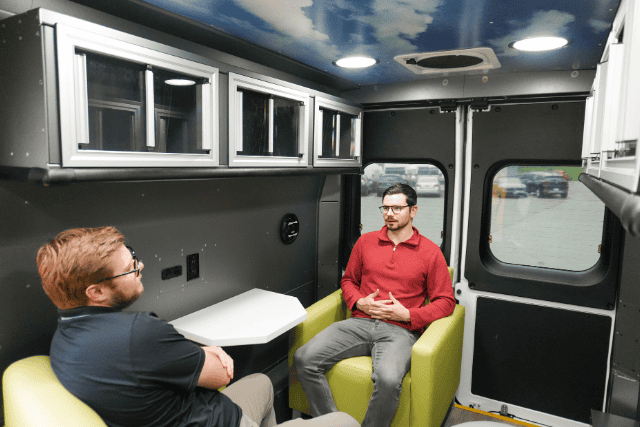
Trust is everything when you are performing a wellbeing check. People won’t open up about mental health concerns if they worry someone outside might be listening or watching. The great news is these units are designed to build instant trust.
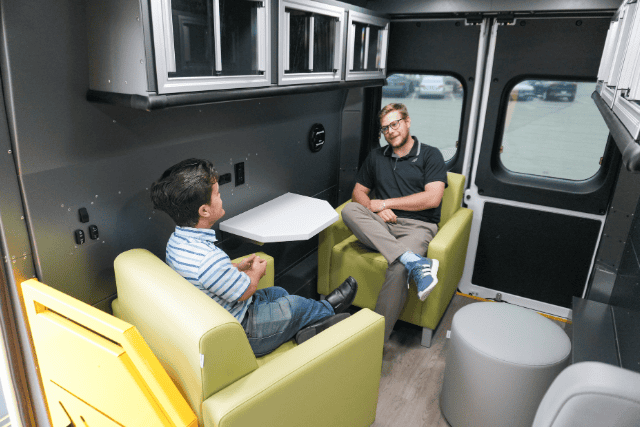
- Soundproof talks: The unit is specially insulated, like a cozy home. This sound insulation means that the conversations happening inside stay inside. Your clients can talk freely about sensitive issues, knowing their privacy is completely protected.
- Temperature control: The vehicle is also fully insulated against temperature, meaning it stays warm in a North Dakota winter and cool during a Texas summer. This focus on comfort shows deep respect for the person receiving the wellbeing check.
- Tinted windows: The windows are tinted so that natural light floods in, making the space feel open and friendly. But here’s the best part: people outside can’t see in. This gives the person dignity and privacy while still enjoying a bright atmosphere, completely avoiding the old, dark feeling of a clinical office.
- Staying connected: Many customers choose to get WiFi in their unit. This allows you to immediately access online tools or resources right there during the health and wellbeing check. You can quickly share information or connect them with follow-up services, making the session more helpful and complete.
How is the clinical feeling replaced with comfort?
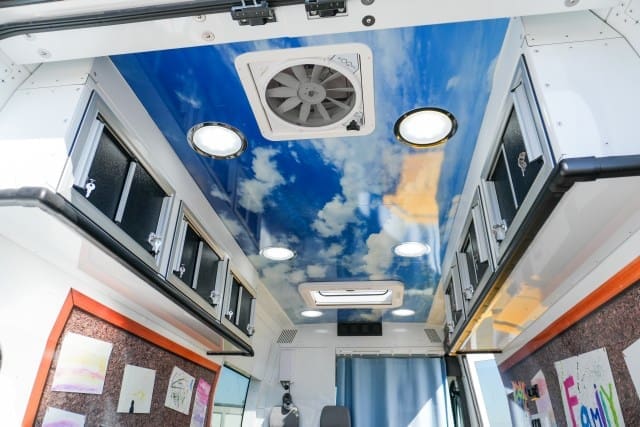
A big part of performing a compassionate wellbeing check is making sure the person feels relaxed. Walking into a cold, clinical space can make anyone feel nervous. These units flip that feeling on its head.
- A home away from home: The interior is built to feel like a comfortable living room. Couches, a small table, and wood grain flooring make the space warm and welcoming. It instantly removes the stress associated with a doctor’s office.
- Focus on dignity: The soft lighting from the windows and skylight creates a peaceful setting. This intentional design shows people that you view their wellbeing check not as a quick medical task, but as a caring conversation.
- Cultural respect: Some organizations, particularly those serving indigenous communities in places like Oklahoma or Arizona, choose to install a special ventilation system. If a client practices smudging, this system keeps the air safe and comfortable for everyone. This level of customization shows true respect for different traditions.
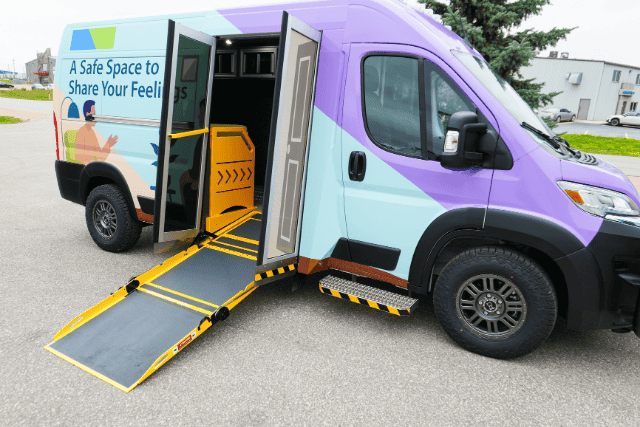
- A symbol of hope: You can customize the exterior to be bright and friendly. Getting away from that typical plain white van look means your unit looks less like a government service and more like a sign of help and hope pulling up to their neighborhood.
How does the unit ensure access for everyone?
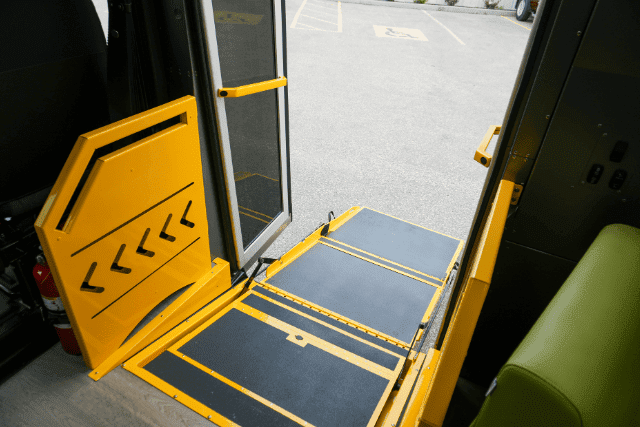
Remember the huge hurdle of transportation? These units solve that by bringing the appointment to the person, right where they are. They make sure everyone, regardless of their mobility, can easily receive a wellbeing check.
- Easy entry and exit: The side entry door is paired with a ramp. This simple feature is empowering. It means a person using a wheelchair, a walker, or someone with an injury can easily and safely roll right into the unit without any struggle or undignified hoisting.
- Multi-purpose space: With removable seats, the unit can do more than just counseling. If you need to drop off food boxes or supplies along with providing a wellbeing check, you have the space to do it. This multi-use capability increases the unit’s value to the entire community.
- Ready for any road: For those truly isolated communities, perhaps in the mountains of Wyoming, you can add a Trail Kit upgrade. This makes the vehicle more durable and capable of handling rough, unpaved roads. It ensures that no one is truly out of reach for their necessary employee wellbeing health checks or counseling.
These features mean you can deliver a quality, private, and respectful wellbeing check to someone who has been isolated, transforming their access to care and saving lives one connection at a time.
Ready to end the struggle for wellbeing checks?
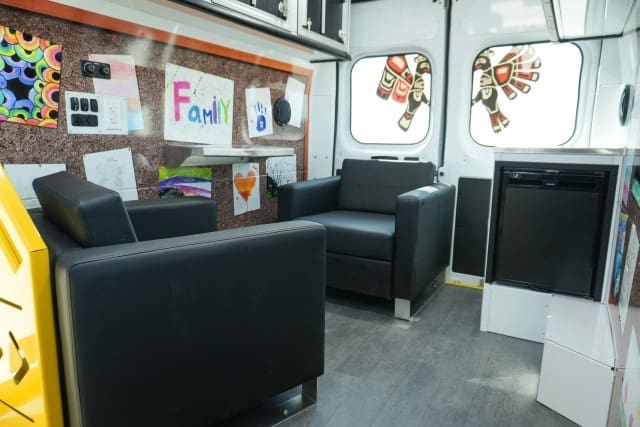
You started reading this because you felt the challenge of bringing compassionate care and proper wellbeing checks to people in remote communities. You were looking for a way around the big problems of distance, lack of transportation, and the need for a private place. Now, you know the powerful solution to those problems.
- You learned that Mobile Counseling Units create a safe, private, and comfortable space, which solves all those problems at once.
- You learned that these units give people freedom and the chance for a health and wellbeing check right where they need it.
We understand your mission. We design and build these mobile medical units because we believe that everyone, everywhere in the U.S., deserves easy and compassionate care. Our team has spent over a decade making sure the unit you get truly fits your program and your people. We’re leaders in this field because we genuinely care about helping you save lives. If you have any questions about bringing this life-changing unit to your community, just click the button below to talk to one of our friendly experts.
If you’re not quite ready to talk to someone yet, we have a few other resources you should check out to learn more about this kind of care.
Recommended next reads
- Mobile mental health clinics: Everything you need to know: This article is a great next step because it focuses just on the mental health service, giving you a detailed look at the kind of program you’re thinking about starting.
- What’s the cost of a Mobile Counseling Unit? Learn what you can expect ot pay for one of these vehicles.