Mobile healthcare sounds simple, but the problem it solves is anything but. You’re trying to reach patients who live far from care, miss appointments, or wait until small issues turn serious. You feel the pressure from every side. Staffing is thin. Budgets feel tighter each year. Building another clinic feels risky when demand keeps shifting. At the same time, access gaps keep widening.
Since 2005, nearly 200 rural hospitals have closed or stopped inpatient services, according to data tracked by the University of North Carolina’s Sheps Center for Health Services Research. Entire regions have been left without nearby care.
You see the impact firsthand:
- Longer drives
- Missed follow-ups
- Emergency rooms being used for basic care
When those gaps stay open, the cost adds up quickly, including worse health outcomes, higher burnout, and communities losing trust in the system meant to serve them. With mobile healthcare, the care moves closer to people and adapts instead of waiting.
At AVAN Mobility, we’ve spent more than a decade helping organizations move toward that future. Over the past 10-plus years, we’ve manufactured more than 180 mobile medical units designed to reduce barriers to healthcare and save lives.
We’ve supported organizations like CalOptima, the Community Clinic of Southwest Missouri, Siskiyou County, and Women & Infants Hospital. We’re Ford Pro Upfitter and Stellantis QPro certified, and we work with healthcare teams across the U.S. We also know we’re not the only manufacturer, which is why honest education comes first.
In this article, you’ll learn:
- What mobile healthcare really means
- What mobile healthcare services look like in real communities
- How mobile healthcare vehicles help close access gaps
What exactly is mobile healthcare in the U.S.?
Mobile healthcare is medical care delivered from a vehicle that goes to people instead of waiting for them to come to a clinic. In the U.S., it’s used by healthcare organizations that want care to be easier to reach, easier to schedule, and easier to trust.
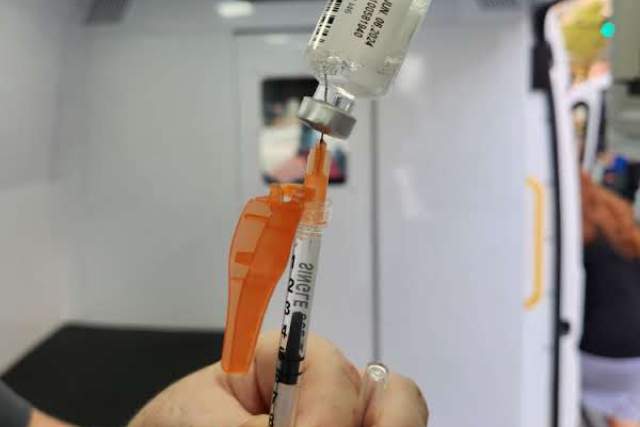
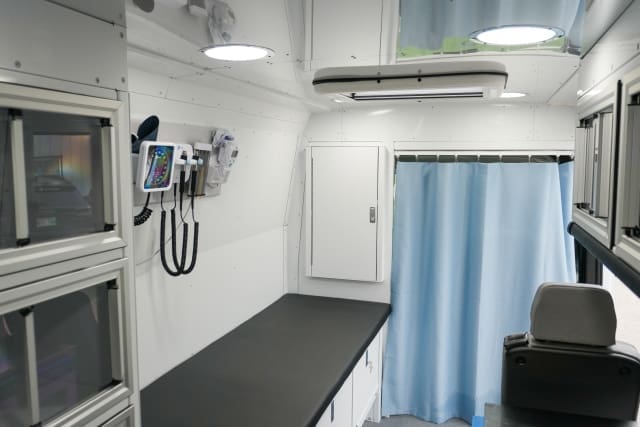
A mobile healthcare unit works like a small clinic on wheels. It has exam space, medical equipment, power, and technology that lets providers deliver real care, not quick stopgap services. Patients walk in, get seen, and leave with answers, just like they would in a traditional setting.
This model fits into existing healthcare systems.
- Visits are planned
- Care is documented
- Follow-ups are scheduled
The difference is where care happens, not how serious it is.
Check out the video below for a real look at how mobile healthcare shaped a community in Missouri.
What are mobile healthcare services, and what do they include?
When people ask, ‘what are mobile healthcare services?’, they’re often surprised by how complete they are. Mobile care covers a wide range of needs and follows the same standards patients expect elsewhere.
Common mobile healthcare services include:
- Primary care visits: Routine exams, basic treatment, and check-ins.
- Preventive care: Screenings, immunizations, and health education.
- Specialty care: Services like maternal health, behavioral health, or dental care.
- Emergency mobile healthcare support: Short-term care during public health events or community needs.
According to the Mobile Healthcare Association, mobile clinics support millions of patient visits each year across the U.S., showing how established this model has become.
What makes a mobile healthcare unit different from a regular vehicle?
A mobile healthcare van is built for clinical care from the start. It isn’t a personal vehicle with equipment added later. Every part of the space supports safety, comfort, and care.
A mobile healthcare vehicle typically includes:
- Dedicated exam area: Space for private, respectful patient visits.
- Medical grade systems: Power, lighting, and climate control for care delivery.
- Integrated technology: Mobile healthcare technology, including telehealth capabilities, that supports charting and diagnostics.
- Secure storage: Safe handling of supplies and medications.
For organizations researching the mobile healthcare market or comparing a mobile healthcare vehicle for sale, this distinction matters. The vehicle shapes how care feels for patients and how work flows for staff.
At its heart, mobile healthcare is about bringing the clinic experience into the community in a thoughtful, reliable way. Next, we’ll look at why this approach has grown so quickly across the U.S. and what’s driving demand today.
Why has mobile healthcare grown so quickly across the U.S.?
Mobile healthcare has grown fast because access to care has become harder for many people, even when services exist. You see the signs every day. Patients cancel appointments. Follow-ups fall through. Care gets delayed until it turns urgent.
Mobile healthcare didn’t appear as a trend. It showed up as a response.
How did transportation barriers push care to go mobile?
Getting to a clinic sounds simple, but for many Americans, it isn’t. Long drives. No car. Limited public transit. Missed work hours.
Research published in a peer-reviewed study using national data found that about 5.8 million U.S. adults delayed medical care in a single year because they lacked transportation.
Think about a patient in rural New Mexico who needs routine care but lives 70 miles from the nearest clinic. Or an older adult in South Florida who stopped driving and has no reliable ride. Mobile healthcare services grew because these situations are common, not rare.
Did workforce and cost pressures add momentum?
Healthcare organizations also face growing pressure behind the scenes. Hiring is harder. Retention is tougher. Budgets are under constant review.
The Health Resources and Services Administration reports that more than 80 million Americans live in areas with a shortage of primary care providers.
Mobile healthcare units enable care teams to reach more people without building new facilities or adding permanent locations. One team can serve multiple communities in a week instead of being tied to one address.
How do mobile healthcare vehicles help close access gaps for patients and providers?
Mobile healthcare vehicles close access gaps by removing friction that keeps people from getting care. As a healthcare provider, you’re probably used to seeing these gaps daily. Appointments go unused. Follow-ups get missed. Patients wait until problems grow because getting care feels hard.
How mobile healthcare vehicles reduce distance and travel barriers
As we briefly mentioned earlier, distance is one of the most common access barriers in the U.S. Some patients drive hours for basic care. Others rely on rides that fall through.
Mobile healthcare vehicles shorten that distance by changing the starting point of care. Instead of one fixed address, care rotates through the community on a predictable schedule.
A mobile healthcare unit might park:
- Outside a housing complex
- At a community center
- Near a workplace
- In a rural town with no nearby clinic
Long travel distance lowers appointment attendance and follow-up rates, especially in rural areas.
When care arrives closer to daily life, patients are more likely to show up and stay engaged.
How mobile healthcare vehicles improve appointment follow-through
Missed appointments cost time, money, and trust. Many no-shows aren’t about motivation. They’re about logistics.
Mobile healthcare vehicles help by reducing common barriers:
- Less time off work: Shorter travel means fewer lost wages.
- Simpler planning: Patients know when care will be nearby.
- Lower stress: Familiar locations feel easier to visit.
You learned earlier that transportation barriers strongly affect delays in care and missed visits, especially for preventive care.
When care feels easier to reach, follow-through improves.
How mobile healthcare vehicles support earlier care
Delayed care often leads to worse outcomes. Small issues turn into emergencies. Routine needs end up in the ER.
Mobile healthcare vehicles support earlier care by meeting patients before problems escalate. This matters for both patients and providers.
Earlier care can mean:
- Fewer emergency visits
- Better care planning
- Less strain on hospital systems
Many emergency department visits could be avoided with better access to timely outpatient care.
Mobile healthcare vehicles create more touchpoints where early care can happen.
How mobile healthcare vehicles help providers reach more people
Access gaps affect providers, too. Care teams want to help, but fixed locations limit reach.
Mobile healthcare vehicles allow teams to serve multiple areas without adding buildings. A single mobile healthcare unit can operate on a rotating schedule, reaching different neighborhoods each week.
This approach helps providers:
- Use staff time more efficiently
- Maintain continuity of care
- Stay connected with underserved communities
For healthcare organizations managing limited resources, this flexibility helps care stretch further without burning teams out.
How mobile healthcare vehicles build trust over time
Trust plays a quiet but powerful role in access. Patients who feel disconnected from healthcare systems are less likely to seek care.
When a mobile healthcare vehicle shows up consistently, in the same places, with familiar staff, trust grows. Care becomes part of the community instead of something distant.
That trust supports:
- Better patient engagement
- More honest conversations
- Stronger care relationships
Over time, access gaps shrink because care feels reachable and reliable.
Mobile healthcare vehicles don’t solve every challenge, but they remove many of the barriers that stop care from happening in the first place. Next, we’ll look at when mobile healthcare makes sense for an organization and how leaders like you decide if this approach fits your goals.
How do you decide if mobile healthcare is the right choice for your organization?
Deciding on mobile healthcare starts with an honest look at where care is breaking down today. This isn’t about chasing a trend. It’s about asking if your current setup truly matches how people live, work, and access care.
If gaps keep showing up, mobile care may be worth serious consideration.
Are you seeing patterns that point to access problems?
Most organizations don’t need a report to feel access issues. You see them in daily operations.
Ask yourself:
- Are appointments regularly missed or rescheduled?
- Do patients travel long distances for basic visits?
- Are clinics overwhelmed while nearby communities go without care?
- Do patients delay care until it becomes urgent?
When these patterns repeat, it often means care is available but not reachable. Mobile healthcare vehicles are designed for this exact mismatch.
Does your community change faster than your buildings can?
Communities shift. Jobs move. Housing changes. Needs evolve.
Fixed clinics don’t move easily, but people do. Mobile healthcare vehicles give you flexibility when demand changes. A mobile healthcare unit can adjust routes, schedules, and focus areas without major construction or long timelines.
This matters if you serve:
- Rural areas with a wide geographic spread
- Urban neighborhoods with limited clinic space
- Seasonal populations
- Communities impacted by closures or staffing changes
If your organization needs to adapt quickly, mobility becomes a strength.
Can mobile healthcare support your team instead of stretching them?
Staff burnout is real. Adding more locations or longer hours doesn’t always help.
Mobile healthcare vehicles can support teams by letting them serve multiple areas without duplicating infrastructure. One care team can rotate through locations instead of being tied to a single site.
That can lead to:
- Better use of staff time
- More predictable schedules
- Fewer rushed visits
- Stronger patient relationships
The goal isn’t to work harder. It’s to work smarter with the resources you already have.
Are you prepared for the operational side of mobile healthcare?
Mobile healthcare works best when it fits your operations. Before moving forward, it helps to think through a few practical questions:
- Scheduling: Can your team plan routes and visit times?
- Coordination: How will mobile visits connect to follow-ups?
- Technology: Do you have systems that support care on the move?
- Community partnerships: Are there trusted locations to park and serve?
These questions don’t block mobile care. They shape how successful it will be.
What does success look like for your organization?
The clearest signal comes from your goals. Mobile healthcare is a strong fit when success means:
- Reaching people earlier
- Reducing missed visits
- Improving continuity of care
- Building trust in underserved communities
If your desired future includes care that moves closer to patients, adapts to change, and feels more human, mobile healthcare may align well.
Deciding to go mobile isn’t about replacing what you’ve built. It’s about extending it.
Got any questions about mobile healthcare?

You came to this article because something isn’t working, and you’re looking for a better way to bring care closer, without adding more strain.
Here’s what you learned along the way:
- Mobile healthcare moves care to where people already are, instead of waiting for them to travel.
- Mobile healthcare vehicles help close access gaps caused by distance, transportation, and missed visits.
- Mobile healthcare units give organizations flexibility to adapt as communities and needs change.
At AVAN Mobility, this work is personal. For more than a decade, we’ve focused on designing mobile healthcare vehicles that support real care in real communities. Our team works closely with healthcare organizations across the U.S. to turn ideas into dependable mobile programs that reduce barriers, protect dignity, and save lives.
We don’t believe in one-size-fits-all solutions. We believe in listening first, designing with purpose, and standing behind every unit we build. If you’re ready to talk through what mobile healthcare could look like for your organization, click below to connect with a mobility expert.
If you’re not ready to talk just yet, here are a few resources that can help you take the next step with confidence.
Recommended next reads
- How easy is it to start a mobile medical clinic? Reading this will help you realize that starting a mobile clinic isn’t as tough as it seems.
- How to choose a mobile medical Van: What you need to know: A practical guide to help you decide on the right mobile medical van.
- How much does a mobile medical unit cost in the U.S.? This article helps you understand realistic pricing and what drives cost, so you can plan with fewer surprises.
These resources will help you keep moving forward when you’re ready.