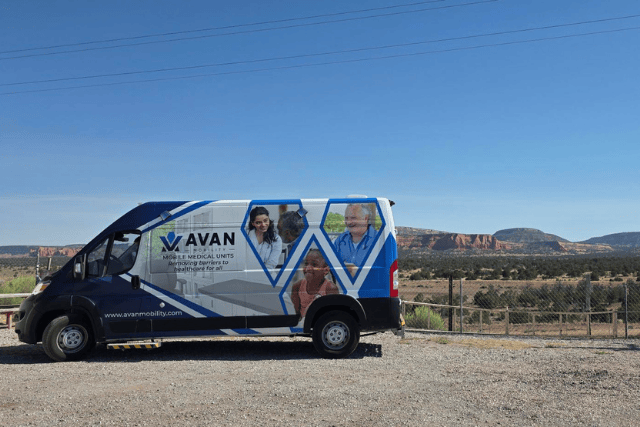
Community outreach is a vital part of helping our neighbors who are struggling. Did you know that over 653,000 people experience homelessness on any given night in the United States?
You’re likely feeling a heavy weight when you can’t reach everyone. It’s heartbreaking to have the resources to help, but no way to get them to the people who need them. You want to see real change and smiling faces. You might ask, what is outreach if you can’t actually reach the people? Without a better plan, the gap between you and your community stays wide.
AVAN Mobility has spent over 10 years helping groups reach that goal. We’ve built more than 150 mobile medical units to save lives. Our team has worked with organizations like Pacific Clinics to bring care right to the sidewalk. We carry Ford Pro and Stellantis QPro certifications. While there are other manufacturers out there, our experience helps us understand your unique challenges.
You’ll learn about five common community outreach mistakes in this article. Your outreach program can improve by avoiding these:
- Building blocks: Staying in a fixed spot.
- Travel gaps: Forgetting that many people lack a car.
- Privacy needs: Having no quiet space to talk.
- Stigma walls: People feel embarrassed when spotted by someone they know.
- Late starts: Waiting for a crisis before moving.
What mistakes do some community outreach organizations make?
A lot of community outreach organizations in the U.S. are doing everything right. They’re reaching people without homes with shelter, giving food to the less fortunate, and providing healthcare to those who need it.
However, there are some mistakes that might be limiting your community outreach services without you even knowing it. Let’s take a look at the top five.
1. Limited community outreach due to a fixed location
Many community outreach organizations want to help their neighbors but find that their impact is smaller than they hoped. It’s hard to feel like you’re winning when you know there are people you still can’t see. Let’s look at why staying in one building might be holding your community outreach program back from reaching its full potential.
Staying in a fixed location is one of the biggest mistakes you can make with your outreach program. It’s like opening a lemonade stand in your basement. You might have the best lemonade in the world. But if nobody can find you, it doesn’t matter. Many organizations think they need a big brick building to look official. That building often acts like a wall between you and the people who need help.
Think about a city like Houston or Phoenix. These places are huge and spread out. If your office is on the north side of town, someone living in a park on the south side won’t be able to reach you. Research shows that about 45% of Americans don’t have any access to public transit at all. Asking them to travel ten miles for a checkup is like asking them to walk to another planet.
What is outreach like when it can’t move?
When you stay in one spot, you’re basically waiting for a miracle. You’re hoping that someone in a crisis will have the energy and money to find you. That’s a lot to ask of someone who hasn’t had a warm meal in two days. You end up only helping the small group of people who happen to live within walking distance of your front door. This creates a massive gap in care for the rest of the city.
- Distance barriers: People who are homeless often carry everything they own in bags or carts. They can’t drag those belongings across a city just to visit an office.
- Wasted time: Your staff might spend all day sitting in a quiet office waiting for the phone to ring. That’s time they could spend actually helping people.
- Visible walls: Big government buildings or clinics can look scary. Some people feel judged just by walking through the front door.
How does a mobile outreach unit fix the mistake of staying put?
A mobile outreach unit fixes this mistake by taking the walls away. It changes your community outreach from a waiting game into a finding game. You’re bringing health and hope to a sidewalk in downtown Atlanta or a quiet street in rural Ohio. You can show up where people already feel safe.
Going mobile tells your community that they matter enough for you to come to them. It removes the stress of travel and gives people their time back. When you remove the barrier of a fixed building, you’re not a faraway office anymore. You’re a neighbor who’s there to help right now. This is how you close the gap and start saving lives in every corner of your community.
Being in the right place is only half the battle. You also have to make sure people feel comfortable enough to say hello.
2. Lack of transportation
Transportation is a huge hurdle for many people in the United States. You might have a great outreach team and the best supplies. But if your patients can’t get to you, your impact is limited. Let’s look at why travel gaps are a major mistake for an outreach program.
Many people think that if they build an outreach clinic, people will just show up. This isn’t always true, especially in rural areas like the Appalachian Mountains or the deserts of the Southwest. In these places, things are very far apart. Statistics show that 5.8 million Americans face barriers to healthcare because they lack a way to get there. This travel gap is a wall that keeps people from getting healthy.
You might wonder, what is outreach if it doesn’t solve the problem of how people move? An outreach program should be about building bridges. If you wait for people to find a ride, you’re missing the people who are struggling most. It’s like throwing a party but not giving anyone the address. It makes people feel forgotten and alone.
Why is the transportation gap so big?
Many of our neighbors don’t have a car. They might live in a town where there are no buses or trains. This creates a cycle where they only get help when there is a big emergency. This costs more money and causes a lot of unnecessary pain.
| Travel barrier | How does it hurt your mission? |
| No vehicle | People skip checkups because they can’t drive themselves. |
| High costs | Families have to choose between buying gas or buying food. |
| Long distances | It can take a whole day to reach a city for a simple visit. |
How does a mobile outreach unit bridge the travel gap?
A mobile outreach unit literally drives over this gap. Instead of asking a person to find a ride, you bring your outreach services to their street. You fill the gap by being the wheels that move health closer to home. Mobile outreach units are enablers of health and freedom. They give people their dignity back because they don’t have to ask for favors to see a doctor.
This is how you create connections and change lives. You show up in a parking lot or a park, and suddenly, the barrier is gone. You’re not a faraway office anymore. You’re a helper who is right there when it matters. Bringing care to where people live is a powerful way to show you care.
3. Privacy concerns
Community outreach is about making people feel safe enough to ask for help. You want to build a real bond with the people you meet. Think about the last time you had a very serious talk with a friend. You probably didn’t do it in the middle of a busy street. It’s hard to talk about deep things when people are walking by, and cars are honking. This is a mistake that some community outreach organizations make. They try to have private talks in public places.
Imagine you’re in a busy part of Seattle or New York City. You’re trying to help someone who’s currently living on the streets. You need to ask them about their health or their personal story. If you’re standing on a sidewalk, that person might feel like everyone is watching them. It’s awkward and uncomfortable. You might ask, what is outreach if the person you’re helping doesn’t feel like they have any privacy? Privacy is a human right. People are much more likely to share health information when they feel their privacy is protected.
What are the risks of meeting in public?
Some organizations think a coffee shop is a good place to meet. It’s warm and has chairs. But coffee shops are loud. The person at the next table can hear every word you say. This makes it hard to have a real heart-to-heart conversation. It creates a gap where the person stays quiet. You can’t truly help someone if they’re too afraid to tell you what’s wrong because of the crowd.
- Feeling exposed: People often feel nervous when they have to talk about their struggles in the open.
- Distractions: It’s challenging to focus on a health plan when there’s constant traffic and noise all around you.
- Legal rules: If you’re talking about medical things, there are strict rules about privacy. It’s hard to follow those rules on a park bench.
| Meeting place | Privacy level | Impact on the person |
| Sidewalk | Very low | They feel exposed and nervous. |
| Coffee shop | Low | They worry about people overhearing them. |
| Mobile unit | Very high | They feel safe, heard, and respected. |
How does a mobile unit fill the gaps?

A mobile outreach unit changes the whole situation for your outreach program. When a person steps inside, the noise of the city goes away. It’s a quiet, clean, and private space. It’s just you and them. This small room becomes a place of empowerment. It shows the person that their story is important. It shows that their information is worth protecting.
When someone steps inside a mobile outreach unit, people get their dignity back. Inside, you can offer a chair and a listening ear without any distractions. This is where real connection happens. You’re providing a safe spot in a world that can feel very loud and busy.
It’s amazing how much more people will share when they know no one else is listening. Once you have their trust, you can help them in ways you never could on a sidewalk. This leads to better outcomes for everyone involved.
4. Stigma
Stigma is like an invisible wall that keeps people away from help. You want your program to feel like a warm hug. But sometimes the places where we work feel more like a cold shoulder. This is a common mistake in community outreach. Many people who are struggling have had bad experiences at big clinics or government offices. They might have felt judged by the staff in the past. Or maybe the building looks too official and scary. Stigma is a major reason why people avoid seeking medical care. When someone feels looked down on, they’ll stay far away.
Imagine a person in a city like Chicago or a small town in rural Alabama. They might need help with their health. But they’re worried about what people will think if they walk into a famous charity building. They might feel like everyone is staring at them. This fear creates a massive gap between your services and the people you care about. It turns your outreach program into something that feels out of reach for those who are most afraid.
Why do fixed buildings feel so intimidating?
Big buildings can feel very cold. Some have security guards and metal detectors. They have bright lights and “keep out” signs in certain places. For someone who feels forgotten by the world, these things are not welcoming. You might ask, what is outreach if it makes people feel small? Real connection can’t happen when a person is shaking with nerves.
- The judge effect: People worry that doctors or nurses will tell them they’re doing a bad job.
- The “system” fear: Some folks are scared that a big office will report them to the police or take their kids away.
- The feeling of being a number: In a large clinic, it’s easy to feel like you don’t matter as a human being.
| Type of space | How it feels to a patient | Why they might stay away |
| Big hospital | Scary and official | They feel like they’re in trouble. |
| Social office | Cold and judgmental | They worry about being watched. |
| Mobile outreach unit | Friendly and neutral | It feels like a neighbor visiting. |
How does a mobile unit break down stigma?
A mobile outreach unit flips the script. It doesn’t look like a scary government building. It looks like a friendly van (especially if you have exterior decals) that shows up to help. It’s neutral territory. When you park in a park or on a street corner, you’re meeting people on their own turf. This gives the power back to the person you are helping.
Your mobile outreach unit can be designed and customized to be bright and welcoming. Because the space is small and cozy, it feels more like a chat between friends. It takes away the feeling of being a “case” or a “patient.” You’re just two people talking about how to make life better. This is how you empower your community. You turn a scary task into a life-changing connection.
When you remove the fear of judgment, people finally feel safe to come forward. It opens the door to healing that a big brick building never could.
5. Waiting too long to reach people
Community outreach works best when you catch problems before they turn into emergencies. Some organizations make the mistake of sitting behind a desk and waiting for a crisis to happen. If you wait until someone is very sick or in a dangerous situation, you’ve missed many opportunities to help. This timing gap can lead to expensive hospital visits or even the loss of a life. Research shows that over 100,000 lives could be saved each year if more people received preventive care saves thousands of lives every year across the United States. Waiting for a disaster means you’re always playing catch-up instead of leading the way.
Think about a city like Detroit or a rural town in West Virginia. A person might have a small health issue, but no way to get to a doctor. They might decide to just wait and hope it goes away. Days later, that small issue becomes a massive infection that needs a hospital bed. You might ask, what is outreach if it only reacts to disasters? A great outreach program finds people while they are still doing okay. It helps them stay that way.
What happens when help arrives too late?
Waiting for a crisis puts a lot of stress on your team and your budget. It’s much harder to fix a major problem than it is to prevent one from starting. When you can’t see the people who need help, you can’t stop the cycle of emergencies.
- Higher costs: Emergency room visits cost way more than a simple checkup in the field.
- Worse health: Medical problems get harder to treat as more time passes.
- Broken trust: People feel like you only care when things are at their absolute worst.
How does a mobile outreach unit help you start earlier?
Mobile outreach units let you be proactive instead of reactive. It’s an enabler of health because it lets you check on people every single week. You’re a constant presence in the neighborhood. You can catch high blood pressure or a small wound before it turns into a life-threatening crisis.
You can meet people on a sunny Tuesday instead of during a dark emergency. This flexibility changes the outcome for so many families. You’re giving people the gift of time and a healthier future. When you move your services to the street, you find the people who were invisible before.
Avoiding these five mistakes is the first step toward a more successful community outreach mission.
Ready to save more lives with a mobile outreach unit?

You probably stopped to read this article because you’ve been feeling a gap between the outreach services you provide and the people who need it. It’s frustrating to see your hard work limited by walls, distance, or a lack of trust from the community.
After reading this, you now understand how to avoid major mistakes that hold back your mission:
- Meeting needs where they are: You learned that moving away from fixed buildings and solving travel gaps is the key to real connection.
- Building trust through dignity: You discovered how providing privacy and removing stigma creates a safe space for life-changing outcomes.
At AVAN Mobility, we believe that every person deserves access to compassionate care, no matter where they are or what they’re going through. We’ve spent over a decade perfecting the art of mobile healthcare, working alongside heroes like you to turn vans into private counseling spaces and safe havens.
We’re dedicated to being your partner in innovation, ensuring you have the right tools to reach the heart of your community. If you have any questions about how to expand your reach, please click the button below to talk to a mobility expert.
If you’re not quite ready to talk to a mobility expert yet, we have a few other resources you should check out to learn more.
Recommended next reads
- What is a Mobile Outreach Van? Reading this article will help you understand the specific features and tools inside the Mobile Outreach Van.
- Top 5 areas to deploy a Mobile Outreach Van in the U.S.: This guide will show you the best places to take your unit to make the biggest impact on your community.