Does your organization worry about the cost of a mobile crisis unit in NYC while seeing people in Manhattan go without the help they need? It’s hard to watch neighbors in the Bronx or Queens face mental health crises on loud subway platforms or busy streets.
About one in four New Yorkers deals with a mental health issue every year. Right now, there’s a big gap between people in pain and the care they deserve. Without these mobile tools, crises can get much worse. You want to provide a safe, quiet space where people feel heard and respected. Reaching this goal means your team can finally offer dignity and hope in every borough.
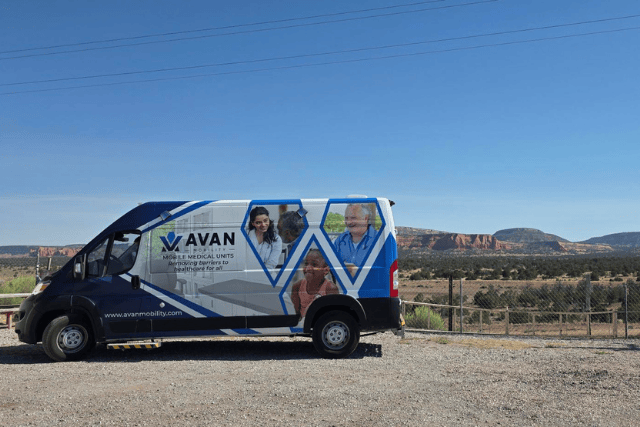
We’re AVAN Mobility. Our team has over 10 years of experience helping organizations like yours. We hold both Ford Pro Upfitter and Stellantis QPro certifications. At the end of the day, our vehicles help you do what you do best, which is reducing healthcare barriers and saving lives. We know we aren’t the only manufacturer out there. But we’re proud to support your mission with vehicles built around your specific goals.
After you read this article, you’ll have a clearer idea about the mobile crisis unit in NYC cost and what features affect the price.
What is the cost of a mobile crisis unit in NYC?
The cost of a mobile crisis unit in NYC ranges between $150,000 to $260,000. You might wonder why that cost ranges so widely. It’s because every organization is different and has different needs. A fully loaded mobile crisis unit in NYC will end up on the higher end of that range. A basic one will be on the lower end. By now, you’re probably asking what features inside mobile crisis units make the pricing jump up so much.
The mobile crisis units at AVAN Mobility have many features. These options make providing mobile crisis response care much easier for you and your team. They also make things much better for your patients and clients. Every choice you make for the van helps bridge the gap between a person in pain and the help they need. These vehicles are safe spaces where people find their footing again.
What features affect the price of a mobile crisis unit in NYC?
Let’s look at the features that make a mobile crisis unit in NYC so unique. Each one has a specific job in helping someone feel safe.
Living room feels

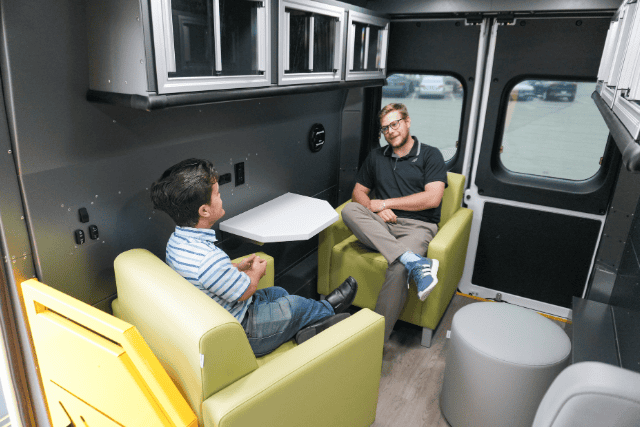
This is one of the most important parts of mobile crisis units. Instead of cold plastic seats, we use comfortable couches. Imagine someone in Harlem who is having a very bad day. When they step inside, they don’t feel like they’re in a police car. They feel like they’re in a friend’s home. This feeling of safety helps them open up and trust your team.
Table between couches
A simple table does a lot of work. It gives your team a place to set down a laptop or a cup of tea. It creates a professional yet friendly space for a chat. In a busy city like New York, having a steady surface to sign papers or just rest your hands is a big deal.
Wood grain flooring
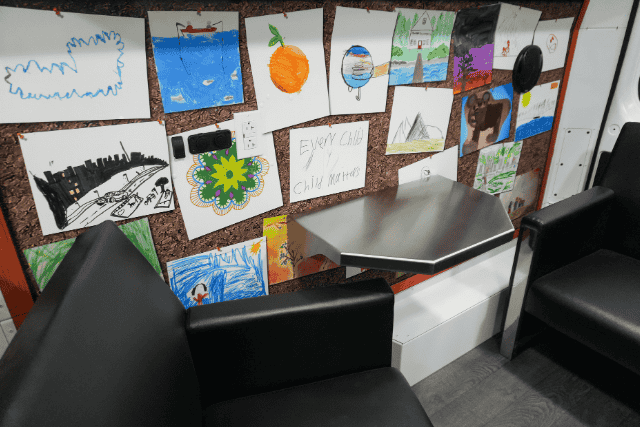
It’s easy to clean, but it looks warm and inviting. Hospitals can feel scary and sterile. Your NYC mobile crisis unit should feel like the opposite. This flooring helps the van feel less like a doctor’s office and more like a recovery space.

Customized fridge
Some organizations add a small fridge. This is a great way to offer a cold bottle of water to someone on a hot July day in the Bronx. Small acts of kindness like this can break the ice. It shows the person that you truly care about their well-being.

Ventilation system
Fresh air is a must when you’re working in a small space. An optional ventilation system keeps the air moving and clean. This helps both your staff and your clients feel more comfortable during long talks.
Skylight in the ceiling
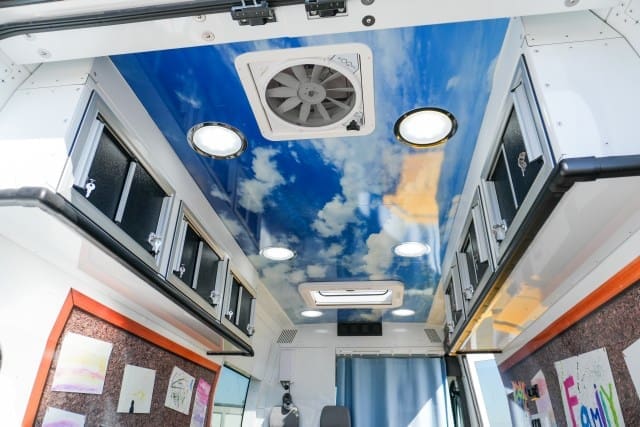
Natural light is very calming. A skylight lets the sun in without giving up any privacy. In a city full of tall buildings, a little bit of sky can make the van feel much bigger and more peaceful.

Interior and exterior decals
You can choose how the van looks. Some groups want it to be very bright so people can find it easily near a park in Brooklyn. Others want it to be more subtle for privacy. These decals tell the neighborhood that help is here.

Side entry ramp
Accessibility is key for any mobile crisis unit in NYC. A ramp means anyone can get inside with dignity. If a person uses a wheelchair or has trouble with steps, they won’t be left out on the sidewalk. You’re removing a physical barrier to their care.

WiFi connectivity
Your team needs to stay connected to hospital records or other experts. WiFi lets you work in real time from any street corner. It means you can find a shelter bed or a doctor right then and there.
Storage cabinets
You’ll have plenty of room for supplies with the vehicle’s overhead storage cabinets. This includes blankets, first aid kits, or even clean clothes. Having everything organized means your team can focus on the person, not on searching for a bandage.

Removable seats
Flexibility is important. Sometimes you need more floor space. Sometimes you need more seats for a larger team. Removable seats let you change the layout of your NYC mobile crisis unit whenever you need to.

Security system
Safety is a priority for your staff. A system that monitors the exterior of the vehicle helps them stay aware of what’s happening outside. This is very helpful when working in busy or quiet areas at night.

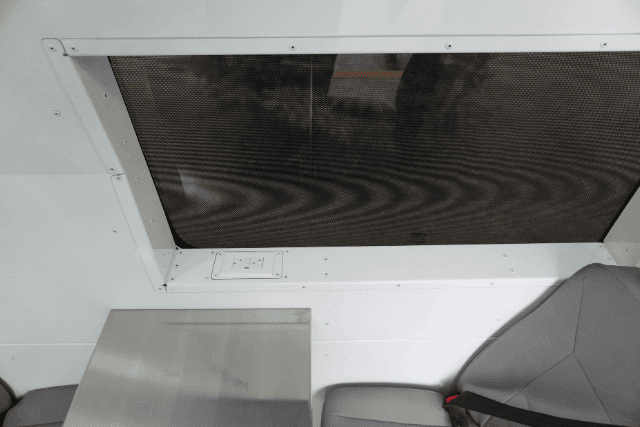
Tinted windows
Privacy is a right. People in crisis don’t want the whole world watching them. Tinted windows keep the inside of the van private. It allows the person to talk freely without worrying about who is walking by on the sidewalk.
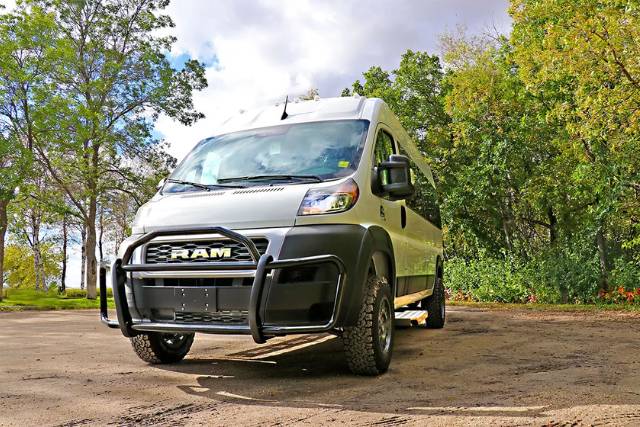
Trail Kit upgrade
NYC roads can sometimes be tough on a vehicle. Potholes and construction are everywhere. An optional Trail Kit upgrade gives your van off-road capabilities. This means you can handle rougher roads or snowy weather to reach people who are tucked away in less accessible spots.
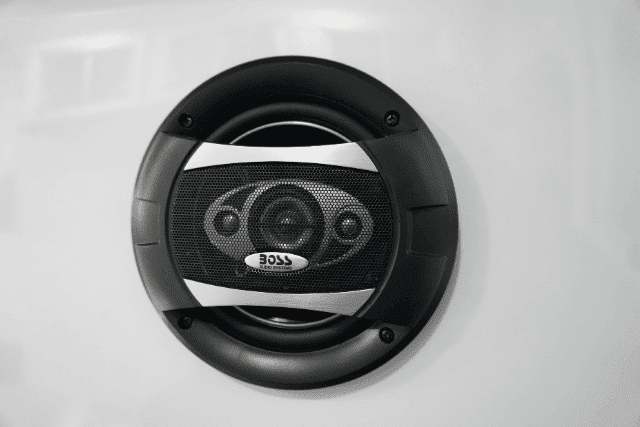
Speakers
Music or calm sounds can help de-escalate a tense situation. High-quality speakers allow your team to set a peaceful mood inside the van.
Is the cost of a mobile crisis unit in NYC worth the investment?
The cost of a mobile crisis unit in NYC might seem high at first. But think about the gap your team is currently facing. If you don’t have a way to reach people, they might end up in an emergency room. That costs much more for everyone. More importantly, it might not be the right kind of help for them.
When you spend money on the mobile crisis unit cost in NYC, you’re choosing to bring care to the people. You’re giving your staff the best tools to do their jobs safely. Your team works hard every day. They deserve a vehicle that supports their mission.
Every feature we talked about helps remove a barrier. A ramp removes a physical barrier. A couch removes an emotional barrier. WiFi removes a data barrier. When you put them all together, you have a powerful tool for change.
What other costs can you expect?
There are a few other costs you should account for with your mobile crisis unit.
- Initial deposit: We require a deposit of $50,000 to get the ball rolling. This is a big step. But it’s the start of something great for your community. It locks in your spot. It lets our team start building your custom solution. This shows you’re committed to your mission. We’re just as committed to you.
- Delivery costs: Getting a NYC mobile crisis unit to the city isn’t always easy. Think about the traffic on the BQE. Think about the narrow streets in lower Manhattan. We handle all the work of getting your van safely to your door. This cost covers everything from the fuel to the driver and everything in between.
- Administrative costs: A significant amount of paperwork occurs behind the scenes for your new mobile crisis unit in NYC. This includes things like registrations and final checks. We charge around $1,000 to handle these details for you. You can stay focused on your community instead of all of the tedious paperwork.
Got any questions about mobile crisis units in New York City?
There’s a good chance you landed on this article while trying to find pricing information on mobile crisis units. If you’ve made it this far, you now have a better idea of what you can expect to spend.
At AVAN Mobility, we’ve put over a decade of work into designing and building vehicles that remove barriers to care. We’re proud to build the tools that help you bring dignity to the streets of New York. You’re doing the hard work of saving lives, and we’re honored to support your mission. If you have any questions, click the button below to talk to a mobility expert.
FAQ
Q: What kind of staff should our organization hire to run a mobile crisis unit?
A: Most teams in the city include a mix of licensed mental health experts and peer specialists with lived experience. This combination ensures that patients feel both professionally cared for and truly understood.
Q: How do most organizations find the money to pay for the cost of a mobile crisis unit in NYC?
A: Many groups use state or federal grants like SAMHSA to cover the initial purchase and conversion of the van. You can also bill health insurance for the services your team provides while they are out on the road.
Q: How does a mobile crisis unit help us build better relationships with the community? A: Meeting people in their own neighborhoods shows that your organization really cares about their comfort and dignity. It builds a bridge of trust that makes people more likely to reach out for help in the future.
Q: Does insurance help cover the cost of the services we provide?
A: Many organizations bill Medicaid or private insurance for the crisis help they give to neighbors in the city. This steady income helps support your mission and makes the cost of a mobile crisis unit in NYC easier to manage over time.