Did you know that less than 3% of eligible people in the U.S. donate blood each year? If you run a blood collection program, you feel the pressure of low turnout. It’s frustrating to see blood drives consistently fall short. This gap between the urgent need for blood and your ability to collect it is a huge challenge. When you can’t get enough donors, it puts lives at risk. You need an easier way to bring the donation experience to the people. Getting a mobile blood donation van could be the key to hitting your goals.
Our team at AVAN Mobility knows you care deeply about the people you serve. So do we. That is why every vehicle built by us aims to support dignity, comfort, and real-world needs. AVAN Mobility is trusted by healthcare networks and non-profits across the U.S. to deliver innovative vehicle solutions that remove barriers to healthcare. We’ve worked with organizations like yours all over the country. We focus on being a trusted partner who provides the right tools for your life-saving work.
This article will help you understand how a blood donation mobile van works to boost your collection numbers.
You’ll learn:
- What is mobile blood donation?
- What barriers prevent people from donating blood?
- How can a mobile blood donation unit help your organization overcome these barriers?
What is mobile blood donation?
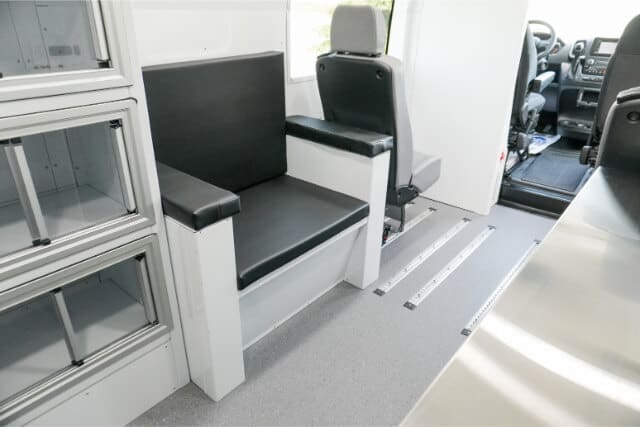
You might picture blood donation taking place only in a large hospital or a dedicated brick-and-mortar center. Well, mobile blood donations flip that idea completely. Simply put, mobile blood donation is the process of collecting life-saving blood outside of a fixed building. It means bringing the entire donation setup, including staff, beds, supplies, and registration, directly to the community. Think of it as healthcare on wheels. Instead of asking busy people to drive across town, find parking, and rearrange their schedules, you drive to them.
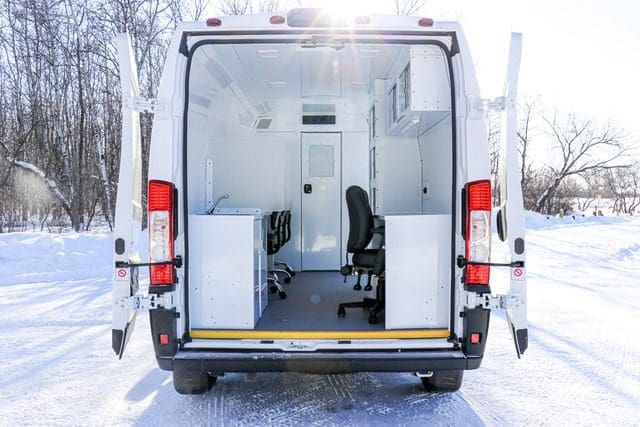
This is made possible by a specialized mobile blood donation van. A blood donation mobile van is not just a regular vehicle with some chairs thrown inside. It’s a highly custom, self-contained mobile clinic. These vehicles are built to the same strict health and safety standards as any permanent donation center. They are designed to create a calm, dignified, and comfortable experience for the donor.
A high-quality mobile blood donation unit is engineered for efficiency and reliability. The vehicle is designed to deploy quickly and operate in almost any setting. Whether you park outside a major employer in Dallas, Texas, or at a local community center in rural Maine, the experience is the same: Professional and easy. Using a mobile blood donation vehicle removes the friction from the donation process. It turns a large, scheduled event into a small, convenient stop in a person’s day. This is how a mobile blood donation drive becomes a success.
Now that we have defined what a blood mobile donation is, let us look at the common roadblocks that keep people from donating.
Five barriers that prevent people from donating blood
We just covered what a mobile blood donation van is and how it brings the clinic to the people. But why does that matter so much? Because your organization is dealing with a hidden truth: Most people who can donate blood are not doing it. And it is usually not because they do not care.
The problem is that traditional methods of collecting blood create major roadblocks in the lives of everyday Americans. These roadblocks create the gap between the amount of blood you need and the amount you can actually collect. We are talking about busy schedules, travel stress, and real worries about the process. We have found that these five barriers stop most people from participating in a successful blood donation drive.
1. Is the lack of convenient location and travel time stopping your donors?
Imagine living in a busy city like Los Angeles, or perhaps a wide-open rural area in Montana. For many people, blood donation centers are not conveniently located nearby. This lack of a convenient location is one of the biggest reasons people skip donating. You might have great intentions to give blood, but then reality hits.
If the only permanent center is a long drive away, that intention quickly fades. It is simply a matter of time and effort. People already have packed schedules. They balance work, family commitments, and school pickups. Adding an extra hour of travel to an already busy day is a huge ask.
Think about the burden this creates:
- Rush hour battle: For a working parent outside of Atlanta, Georgia, finishing work at 5:00 PM means battling rush-hour traffic. If the center closes soon after, they must choose between donating and making it home for dinner.
- Cost factor: For communities facing poverty, spending money on gas or bus fare just to get to a distant site can be a real financial hardship.
When a donation requires a major life adjustment, it’s often put off, perhaps until next month or perhaps forever. This is the friction that hurts your turnout numbers. The distance feels too great, and the cost feels too high. Because the fixed location is too far out of the way, your organization misses out on many willing donors. Addressing this distance problem is key to boosting your successful blood donation drive results.
How can a mobile blood donation van close the distance gap for donors?
The beauty of a mobile blood donation van is that it eliminates distance as a barrier to blood donation. Instead of making donors travel to you, you bring your blood donation services right to where they already are. Imagine parking your mobile blood donation unit at a major university campus in Austin, Texas, or outside a large corporate park in downtown Detroit.
Donors can walk out of their office or classroom, make a donation, and be back at their desk in under an hour. This convenience changes the equation. It turns an hour-long chore into a 15-minute neighborly act. Deploying a blood donation mobile van helps you access whole new groups of people who were previously too far away. This shift to hyper-local collection dramatically increases the number of people who can give blood and saves precious time.
2. Does a fixed appointment time conflict with a donor’s busy daily schedule?
Beyond the problem of location, rigid timing is another huge roadblock for potential donors. Many people who want to give blood work traditional 9-to-5 jobs. Most fixed blood collection sites operate during those same hours. This creates an immediate conflict for most of the working population. If a donation center only has slots available between 10:00 AM and 3:00 PM, who can actually make it? Only people who have a lot of flexibility in their day.
The vast majority of working Americans simply cannot step out for a few hours in the middle of a workday. This is especially true for hourly workers who would lose income just to donate blood.
- Limited access: When you only offer fixed, daytime hours, you are missing out on millions of people. These people could easily donate in the evening or on a weekend.
- Scheduling nightmare: Think about a college student in Boston taking a full course load. They might want to donate, but the only time they can is late in the afternoon, right when your center is closing.
These rigid schedules turn a helpful act into a scheduling nightmare. The limited appointment window stops them before they even try. If your program is struggling with low turnout, look closely at the times you offer. If the times are not convenient, then the donor is forced to choose between work and helping others.
Can a mobile blood donation unit offer the flexibility that donors need?
Yes, absolutely. A mobile blood donation unit offers unparalleled scheduling flexibility. A fixed center must stick to its lease and typical business hours. Your mobile blood donation vehicle, however, can run extended hours where it makes sense. You can host an evening mobile blood donation drive at a grocery store parking lot in New Jersey until 9:00 PM.
You can dedicate an entire Sunday to a busy neighborhood in San Diego. This flexibility means you capture donors who are only available outside of normal business hours. You shift from having a single, rigid schedule to having multiple, flexible schedules tailored to the community you are serving that day. This simple change allows you to collect more life-saving blood by meeting people when they are actually free.
3. Is access to safe and reliable transportation an issue for donors?
Even if someone lives close to a donation center, a lack of transportation can completely stop them from getting there. Many Americans do not own a car. In fact, statistics show that 1 in 10 people in the U.S. rarely drive anywhere. For these people, relying on public transit, rideshares, or walking is the only option.
Now, imagine the stress of a long trip:
- Tiring commute: A person might ride a crowded bus for 30 minutes, donate blood, and then ride the bus home. This can be a tiring and stressful experience, especially right after giving blood.
- Mobility challenges: For older Americans or people with mobility challenges, the trip to the center is the real barrier. Public transit routes may not serve their neighborhood well.
In rural areas, like parts of Idaho or West Virginia, public transportation is often nonexistent. Without a car, getting to a permanent site for a mobile blood donation drive is nearly impossible. This means a huge group of willing donors is automatically excluded from your pool.
You are essentially telling them that if they do not have a reliable car, they cannot participate in a blood donation event. This challenge shows that the location must truly be brought to the people. This focus on transportation is a key reason why many organizations struggle to boost their numbers.
How does a mobile blood donation vehicle solve transportation hurdles?
A mobile blood donation vehicle completely removes the donor’s responsibility for transportation. When you park the van at a senior living center or a major apartment complex, donors do not need a car, a bus pass, or a taxi. The donation experience is just a short walk away. This focus on accessibility is central to saving lives. The van itself is a barrier-free experience, designed for easy access for all people.
This is particularly vital for reaching isolated or vulnerable populations who rely on organizations like yours for easy access to health services. It ensures that a lack of personal transportation never stops someone from donating life-saving blood.
4. Do worries about health, safety, and the donation process cause people to feel nervous?
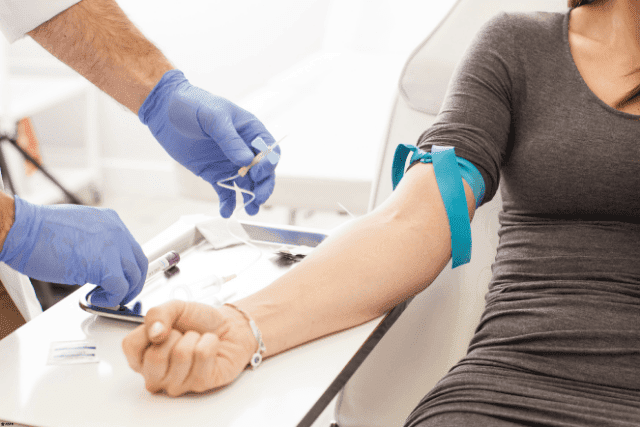
Giving blood, while life-saving, can be a little intimidating. Many people feel nervous about the medical side of the process. They worry about the needles, about feeling faint, or about the general health and safety of the environment. These worries are completely natural. When a potential donor considers visiting a fixed center, they might start to think about the “what-ifs.”
Small fears can quickly become big reasons to stay home:
- Anxiety triggers: For a person with a fear of needles (trypanophobia), if the donation setting feels too clinical or rushed, it can make their anxiety much worse.
- Trust issues: If the environment looks messy, dated, or unprofessional, people will naturally question the safety of the blood donation collection.
They might associate the fixed center with a doctor’s office or a hospital, which are places they may already try to avoid. You need the setting to feel warm, friendly, and completely professional. A positive experience is critical for turning a first-time donor into a regular one.
Can a mobile blood donation unit create a safer, calmer environment?
Yes, because a high-quality mobile blood donation unit is a completely controlled environment. Unlike a temporary space in something like a church basement, the van is custom-built for blood draws. This means everything is clean, efficient, and professional. It doesn’t feel like a hospital, but rather a dedicated and comforting space.
The small, private atmosphere helps calm nervous donors. Your staff can easily monitor and assist everyone, providing a personalized and less intimidating experience. Donors feel safer because the mobile blood donation van looks and feels modern and specialized. This controlled environment builds instant trust and helps turn those nervous, first-time donors into confident, repeat participants in your next mobile blood donation drive.
5. Are donors unaware of the need for blood in their specific community?
Finally, a surprisingly common barrier is simply a lack of awareness about the current need for blood. People know that donating blood is beneficial, but they often don’t know when a specific crisis is happening in their town or state. Unless they see a headline saying something like, “Blood Emergency in South Carolina!” or hear a local radio spot, the need feels distant and not urgent. For many, blood donation feels like a “nice-to-do” activity rather than a life-saving action.
When a fixed donation center is the only option, your message often gets lost in the shuffle. Your marketing efforts compete with thousands of other messages people see every day. They might see your ad, but they do not connect it to their local community.
- Lack of personal connection: Donors don’t realize that the blood you collect today will save a patient at the nearby hospital tomorrow. This makes the need feel abstract.
- Invisible effort: The entire process is hidden behind closed doors at a fixed location, so the effort is invisible to the average person passing by.
How does a mobile blood donation vehicle make the need visible and local?
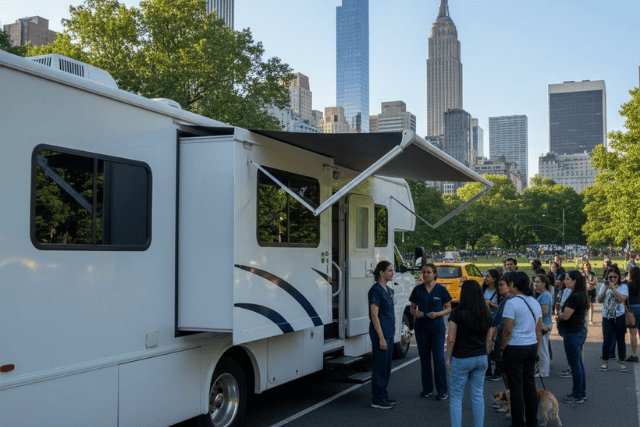
A mobile blood donation vehicle is the ultimate marketing tool. When your branded blood donation mobile unit is parked in the center of a busy town square, such as in Denver, Colorado, or at a local festival, it makes an immediate and powerful statement. It shouts: “The need for blood is here, right now, in your community.”
This physical presence drives immediate action. People see the van, they see the sign-up table, and they realize the need is local and urgent. This visibility creates buzz and a sense of shared community responsibility that online ads simply cannot match. The van itself is a moving billboard that connects the life-saving mission directly to the streets where people live and work.
Any questions about mobile blood donation units?
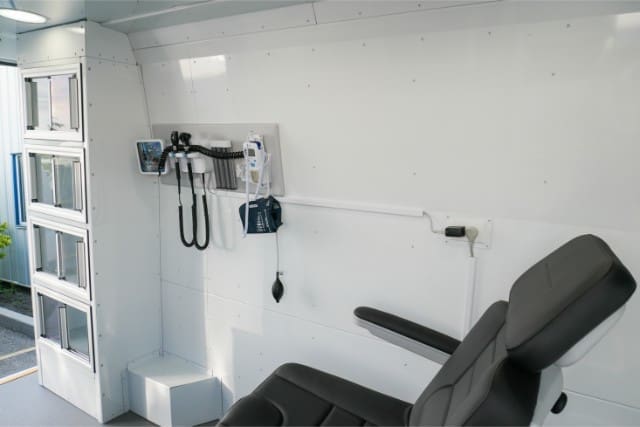
You started reading this article because you were stuck, facing the frustration of low donor turnout and the heavy worry of blood shortages. You needed to find a better, more efficient way to connect your life-saving mission with the people who want to help.
After reading this, you now know the vital answers to those questions:
- The problem: The biggest barriers are fixed locations, rigid schedules, and a lack of visible community urgency.
- The solution: A specialized mobile blood donation van directly solves these issues by bringing comfort, safety, and convenience to the donor’s doorstep.
At AVAN Mobility, we make sure your custom mobile blood donation unit is perfectly designed for your community’s unique needs. We believe accessible, mobile, and compassionate care should be within reach for everyone. If you’re ready to stop worrying about low turnout and start saving more lives today, click the button below to talk to a mobility expert.
If you’re not ready to talk to a mobility expert yet, we have a few other resources you should check out to learn more.
- How do you start a mobile phlebotomy business? This article is the perfect next step, giving you a full roadmap on how to turn the idea of a mobile program into a real, functioning business.
- Mobile blood draw units vs. traditional phlebotomy labs: Reading this will provide a direct comparison of the mobile approach versus fixed sites, offering a clear view of the benefits for your blood collection program.