Updated: July 30, 2026
Planning a mobile vaccine clinic can feel like a big step. You may already know where care is falling short. The harder part is figuring out how to bring vaccines closer without creating new problems.
Maybe your team serves rural towns, Tribal communities, schools, workplaces, or older adults. Some people face long drives, limited clinic hours, or no easy way to get there. Others may delay care because the process feels confusing or out of reach.
That gap affects more than vaccination rates. It affects confidence, safety, and trust.
At AVAN Mobility, we’ve seen how better access can change the whole experience. A mobile vaccine clinic gives you a way to meet people where they already live, work, and gather. It can make care feel simpler, more private, and more personal.
But buying a vehicle is only one piece of the puzzle.
You also need to think about:
- Vaccine storage: How will you protect temperature-sensitive supplies?
- Patient flow: Where will people register, receive care, and wait?
- Accessibility: Can every patient enter and move through the space with dignity?
- Daily operations: Will your staff have the power, storage, and workspace they need?
This guide walks you through those decisions in plain language. We’ll explain how mobile vaccine clinics work, what they require, what they may cost, and how to choose the right setup for your program.
What is a mobile vaccine clinic?
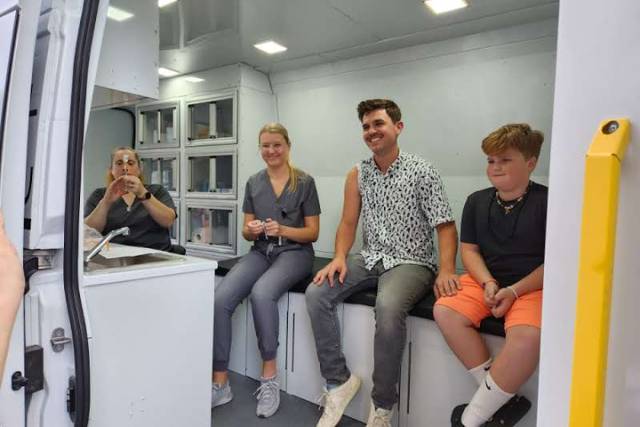
A mobile vaccine clinic is a medical vehicle used to bring vaccines into the communities you serve. It gives your team a private, clean, and controlled place to provide care outside a fixed clinic.
You can use a mobile vaccination clinic at schools, workplaces, community centers, Tribal communities, senior housing, or rural towns. The goal is simple. You bring care closer to people who may face long drives, limited clinic hours, or other barriers.
A purpose-built clinic may include:
- Vaccine storage: A setup designed around the temperature needs of your program.
- Clinical workspace: A safe area for preparing and giving vaccines.
- Medical storage: Cabinets for supplies, records, and protective equipment.
- Power and water: Systems that support daily care and cleaning.
- Accessible entry: A layout that respects each patient’s comfort and dignity.
A mobile vaccine clinic is different from a pop-up table or temporary tent. Those options can work well for short events. A medical vehicle gives your staff more privacy, protection from the weather, and a workspace that travels with them.
Now that you know what a mobile vaccine clinic is, the next step is understanding how one works during a real clinic day.
How does a mobile vaccine clinic work?
A mobile vaccine clinic brings a planned care process into the community. Your team still follows the same clinical steps used at a fixed site. The difference is that the workspace travels closer to your patients.
A smooth clinic day starts long before the doors open. You need a clear plan for your vaccines, staff, supplies, patient flow, and location. The CDC recommends planning separate areas for registration, screening, vaccine preparation, care, and patient observation.
Choose your patients and services
First, decide who your program will serve and which vaccines you’ll offer. A mobile flu shot clinic may visit workplaces, schools, or senior communities. Another mobile vaccination program may focus on children, veterans, or people living in rural areas.
This step helps you estimate:
- Daily appointments: Plan around the number of people your team can safely serve.
- Supplies: Bring enough vaccines, medical items, forms, and emergency equipment.
- Accommodations: Prepare for patients with mobility, language, or sensory needs.
Transport and prepare the vaccines
Your team must protect each vaccine from the moment it leaves storage. Use equipment made to hold the required temperature. Staff should also track temperatures throughout the clinic day with a digital data logger, as outlined in the CDC’s clinic guidance.
Next, set up a clean vaccine preparation area away from patient traffic.
Welcome and care for each patient
When patients arrive, your staff can guide them through a simple flow:
1. Register and review their health information.
2. Confirm vaccine eligibility.
3. Explain the vaccine and answer questions.
4. Receive consent based on local rules.
5. Give the vaccine in a private care area.
6. Record the visit and provide after-care details.
Patients may then wait in a nearby observation space. This gives your team time to respond if someone feels faint or has a reaction.
A good mobile vaccine clinic feels calm and easy to follow. That experience matters. When care feels respectful and familiar, people may feel more comfortable returning in the future.
Next, we’ll look at the types of vaccines you may be able to provide from a mobile clinic.
What vaccines can a mobile vaccination clinic provide?
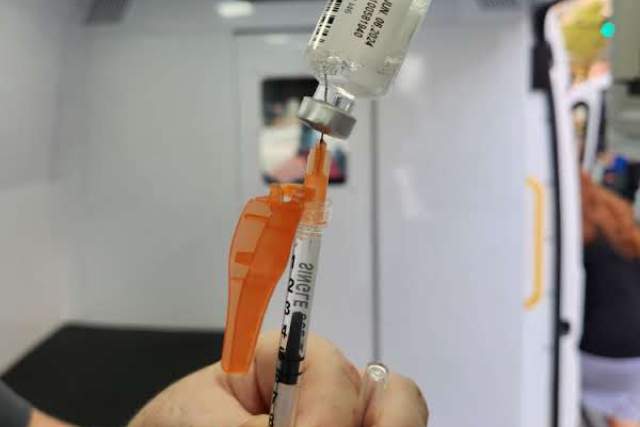
Your mobile vaccination clinic can support many types of vaccine programs. The right mix depends on the people you serve, your clinical team, and local health rules.
Some programs focus on one seasonal need. Others offer several vaccines during the same visit.
Common examples may include:
- Seasonal vaccines: Flu, COVID-19, and RSV vaccines can support community-wide programs.
- Routine vaccines: Tetanus, whooping cough, hepatitis, HPV, MMR, and pneumococcal vaccines may be offered based on age and health history.
- School vaccines: Your team may help children and teens catch up on required or recommended vaccines.
- Outbreak response: A mobile clinic can help your organization act when a disease spreads through a community.
- Workplace vaccines: Employers may host flu or other vaccine clinics for staff.
The CDC vaccination schedules can help your clinical team review current vaccine guidance for children and adults. Your staff will still need to follow state laws, licensing rules, and clinical policies.
Each vaccine may also have different storage needs. Some must stay refrigerated. Others may require frozen or ultra-cold storage. The CDC’s clinic supply checklist separates vaccines by storage category and lists equipment your team may need.
Start with the people you plan to serve. Their ages, health risks, and access barriers should shape your program. That approach helps you create care that feels useful, respectful, and worth returning to.
Next, we’ll look at the organizations that use mobile vaccine clinics and the communities they support.
Who uses mobile vaccine clinics?
Mobile vaccine clinics can support many types of organizations. What they share is a need to bring care closer to people who may have trouble reaching a fixed clinic.
Your program may serve one small community or travel across several counties. The best setup depends on your patients, schedule, staffing, and goals.
| Organization | Typical vaccine program | Common locations |
| Public health department | Seasonal vaccines and outbreak response | Community centers, rural towns, and public events |
| Tribal health program | Routine and seasonal vaccines | Tribal communities and remote service areas |
| Hospital or health system | Preventive care and follow-up services | Community events and partner locations |
| School or university | Student and staff vaccines | Campuses, schools, and family events |
| Employer | Workplace flu shots | Offices, factories, and job sites |
| Senior care organization | Flu, COVID-19, and RSV vaccines | Senior housing and care communities |
| Nonprofit organization | Community outreach programs | Shelters, churches, and neighborhood events |
You may also use a mobile vaccination clinic to support veterans, farm workers, people without stable housing, or families living far from care.
Each group may face a different barrier. One person may lack transportation. Another may work during normal clinic hours. Someone else may feel more comfortable receiving care from a team they already know.
That’s where a mobile program can make a real difference. It gives you the freedom to build care around people instead of asking people to work around the system.
Next, we’ll look at the places where a mobile vaccine clinic can operate and what you should check before choosing a site.
Where can a mobile vaccine clinic operate?
A mobile vaccine clinic can serve people in many familiar places. The best location is one that feels easy to reach, safe, and welcoming.
Your team may set up at:
- Schools: Reach students, families, teachers, and staff.
- Workplaces: Help employees get vaccinated without missing a full day of work.
- Community centers: Meet people in a trusted and familiar space.
- Rural towns: Reduce long drives to hospitals or fixed clinics.
- Tribal communities: Support local health programs with care shaped around the community.
- Senior housing: Bring vaccines closer to older adults with mobility or transportation barriers.
- Shelters: Offer respectful care to people without stable housing.
- Public events: Connect with people while they’re already gathered in one place.
A good parking spot can make the whole day run better. Look for level ground, clear signs, safe lighting, and enough room for patients to enter and leave.
You should also plan for weather, internet access, power, and patient observation. Some clinics use a nearby building or tent for registration and waiting.
The goal is to make care feel simple from the moment someone arrives. Next, we’ll look at the equipment that helps your mobile vaccine clinic support safe, smooth care.
What equipment does a mobile vaccine clinic need?

The right equipment helps your team protect vaccines, stay organized, and give each patient respectful care. Your exact setup will depend on the vaccines you carry and the size of your program.
A mobile vaccination vehicle should support the full clinic process. That includes storage, preparation, care, cleaning, records, and emergency response.
Vaccine storage and temperature monitoring
Vaccines can lose their strength when they get too warm or too cold. Your storage plan must match the temperature range for each vaccine.
Your team may need:
- Vaccine storage: Use medical-grade equipment suited to the vaccines you carry.
- Temperature monitoring: Track temperatures with a digital data logger.
- Backup containers: Keep approved portable storage ready for transport or power loss.
- Written response plan: Give staff clear steps to follow when temperatures move outside the safe range.
The CDC Vaccine Storage and Handling Toolkit provides current guidance for storing, transporting, and monitoring vaccines.
Power and clinical workspace
Your electrical system may support refrigeration, lights, laptops, medical tools, and climate control. Think about what happens at each stop. Some sites offer shore power. Others may require your clinic to operate on its own.
Your care area should also include:
- Preparation space: Give staff a clean surface for organizing supplies.
- Patient seating: Create a comfortable place for each person to receive care.
- Task lighting: Help staff see labels, records, and medical supplies clearly.
- Private space: Give patients room to ask questions without an audience.
Good layouts save your staff from doing the “careful sideways shuffle” around each other all day.
Cleaning, waste, and emergency supplies
Your clinic should make hand cleaning and surface care simple. Depending on your program, you may need a sink, fresh water, soap, sanitizer, cleaning products, and paper towels.
Plan space for:
- Sharps containers: Dispose of used needles safely.
- Medical waste: Separate clinical waste from regular trash.
- Emergency supplies: Carry items your clinical team requires for reactions or other concerns.
- Protective equipment: Store gloves, masks, and other supplies within easy reach.
The CDC’s vaccination clinic supply checklist outlines common medical, emergency, and administrative items.
Records and secure storage
Your staff may need tablets, laptops, charging ports, internet access, and a printer. These tools help with consent forms, patient records, and vaccine reporting.
Lockable cabinets also protect vaccines, documents, and medical supplies. Organized storage keeps the space calm and gives your team more time to focus on people.
Next, we’ll look at how the interior layout can guide patients through the clinic without confusion.
What should the interior layout include?

A good mobile vaccine clinic layout should make every step feel clear. Patients should know where to go, and your staff should have enough room to work without bumping elbows all day.
The interior should support a simple flow from arrival to departure:
1. Registration: Give staff space to confirm appointments, review forms, and answer questions.
2. Health screening: Create an area for checking eligibility and discussing health concerns.
3. Vaccine preparation: Keep this workspace clean, organized, and away from busy patient traffic.
4. Vaccination: Provide comfortable seating and enough room for staff to move safely.
5. Recordkeeping: Place computers, tablets, and charging ports close to the care area.
6. Waste disposal: Keep sharps containers and medical waste storage within easy reach.
Patient observation may happen inside the mobile vaccination clinic, but space can be limited. Your team may use a nearby building, outdoor tent, or waiting area instead. The right choice depends on your patient volume, weather, and clinic site.
We recommend planning the layout around real people and real tasks. Think about a parent arriving with two children. Picture an older adult using a walker. Consider a staff member who needs quick access to supplies during a busy flu clinic.
A thoughtful layout can reduce stress and protect each patient’s privacy. It also helps your staff spend less time searching for supplies and more time connecting with people.
Next, we’ll look at accessibility and how your clinic can welcome patients with different mobility and communication needs.
How accessible should a mobile vaccination vehicle be?
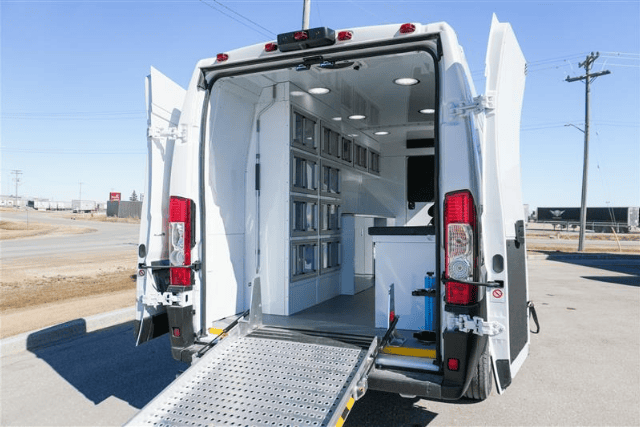
A mobile vaccination vehicle should welcome people with different mobility, sensory, and communication needs. Access should feel built into the experience from the start.
Think about the full visit. A patient may use a wheelchair, walker, cane, or service animal. Someone else may need more time, simple instructions, or help from a caregiver.
Your clinic should consider:
- Accessible entry: Consider using a ramp that supports safe and dignified access.
- Clear pathways: Leave enough room for wheelchairs, walkers, staff, and caregivers.
- Stable seating: Provide seating with support for patients who may feel weak or nervous.
- Good lighting: Help patients read forms, see signs, and move through the space.
- Private communication: Give people a calm place to ask health questions.
- Accessible information: Offer plain language, translated materials, or visual support when possible.
- Caregiver space: Leave room for a parent, support worker, or interpreter.
The Americans with Disabilities Act requires many public-facing services to provide equal access for people with disabilities. Your legal duties can depend on your organization and location, so review your plan with the right local experts.
Accessibility supports more than entry. It gives people more control over their care. It also tells patients they were considered before they arrived.
Next, we’ll look at the staff roles that help a mobile vaccine clinic run with care and confidence.
How many staff does a mobile vaccine clinic need?
The right staff count depends on your clinic size, patient volume, and services. A small appointment-based clinic may run with two or three people. A busy community event may need a larger team.
Common roles may include:
- Clinic lead: Keeps the schedule, supplies, and team organized.
- Licensed vaccinator: Reviews patient needs and gives vaccines.
- Registration staff: Confirms appointments, consent forms, and health records.
- Patient flow support: Guides people through each step of the visit.
- Observation staff: Watches patients after vaccination and responds to concerns.
- Community liaison: Helps build trust and supports language or cultural needs.
- Driver or vehicle operator: Moves, parks, and sets up the mobile vaccine clinic.
One person may handle more than one role during a smaller clinic. Still, your team should avoid stretching staff so thin that patients feel rushed.
| Clinic type | Possible staffing setup |
| Small scheduled clinic | One vaccinator and one support person |
| Workplace flu clinic | One or two vaccinators with registration support |
| Community event | Vaccinators, registration staff, patient flow support, and observation staff |
| Outbreak response | Clinical lead, vaccinators, records staff, logistics support, and community partners |
State laws may affect who can prepare and give vaccines. Your clinical leaders should confirm local licensing and supervision rules before launch.
Strong staffing creates a calmer experience. Patients get time to ask questions, and your team can focus on care instead of racing the clock.
Next, we’ll break down the costs involved in starting and operating a mobile vaccine clinic.
How much does a mobile vaccine clinic cost?
A mobile vaccine clinic is a major investment, so it’s normal to wonder where the money goes. You’re funding more than a place to give shots. You’re creating a healthcare space that can reach people across many communities.
At AVAN Mobility, mobile vaccine clinics currently range from about $170,000 to $290,000. This includes the vehicle, conversion, medical features, and delivery. You can review a full price breakdown in our guide to mobile medical unit costs in the U.S.
Your mobile vaccination vehicle may cost more or less based on:
- Vehicle size: A larger clinic offers more room but costs more to buy and operate.
- Vaccine storage: Medical-grade refrigeration, temperature monitoring, and backup storage can increase your budget.
- Electrical needs: Refrigeration, climate control, lighting, and technology all require reliable power.
- Accessibility: Ramps, wider pathways, and other features can shape the final price.
- Clinical equipment: Sinks, cabinetry, work surfaces, and emergency supplies add to the setup.
- Technology: Internet access, computers, printers, and record systems may create added costs.
- Customization: A layout built around your staff and patients may require more design work.
Remember to budget for fuel, insurance, maintenance, staffing, medical supplies, and internet service. A lower purchase price can look tempting. Still, it may cost more later if the clinic can’t support your daily work.
The right investment should help your team reach more people without creating extra stress. Next, we’ll compare vans, buses, trailers, and pop-up clinics to see which format may fit your program.
Mobile vaccine van, bus, trailer, or pop-up clinic?
Your clinic format can shape how far you travel, how many people you serve, and how easy each stop feels. There’s no perfect choice for every program. The right fit depends on your route, patient volume, budget, and care model.
| Clinic option | Best fit | Main advantage | Main limitation |
| Medical van | Frequent travel and smaller clinic sites | Easy to drive, park, and set up | Less interior room |
| Medical bus or truck | Busy clinics with larger teams | More space for care and supplies | Higher fuel and operating costs |
| Medical trailer | Programs staying longer at each site | Large workspace without a full truck conversion | Needs a tow vehicle and more setup |
| Pop-up clinic | Short events and occasional outreach | Lower startup cost | Less privacy and weather protection |
A mobile vaccine van may work well when your team visits several locations each week. It can reach schools, workplaces, rural towns, and tight parking areas with less fuss.
A bus or truck may suit a high-volume program. You gain more room for patients and staff, but the added size can limit where you park.
Trailers can offer a larger care space. However, your team must manage towing, parking, and setup at every stop.
Pop-up clinics can be useful for one-day events. Still, tents and borrowed rooms may provide less privacy, storage, and control.
Think about the people you serve first. A good choice should remove barriers instead of trading one problem for another.
Next, we’ll look at the main benefits and limits of running a mobile vaccine clinic.
What are the benefits and limitations of a mobile vaccine clinic?
A mobile vaccine clinic can help you reach people who may miss care at a fixed location. It can also give your team more control over how and where services are delivered.
Some of the biggest benefits include:
- Better access: You can bring vaccines closer to rural towns, workplaces, schools, and other community spaces.
- More convenience: Patients may spend less time traveling or taking time away from work and family.
- Flexible scheduling: Your team can visit different locations based on local demand.
- Greater trust: Familiar staff and community partners can make the experience feel safer and more personal.
- A controlled workspace: Your team has a private place for care, supplies, records, and clinical tasks.
Still, mobile vaccine clinics come with limits.
Interior space may feel tight during busy events. Weather can affect outdoor waiting areas. Fuel, maintenance, staffing, and vaccine storage also need careful planning.
A mobile clinic may serve fewer people per hour than a large fixed site. That can be a fair trade when your goal is reaching people who would otherwise go without care.
The best results come from matching the clinic to your real needs. You can read more in our guide to the advantages of a mobile vaccine clinic.
Next, we’ll look at how to choose a mobile vaccine clinic vehicle that supports your team and the people you serve.
How do you choose a mobile vaccine clinic vehicle?

The right mobile vaccine clinic should fit the way your team works and the people you serve. A vehicle may look impressive in a brochure, but daily use tells the real story.
Start with your program before comparing floor plans or features.
Match the vehicle to your care model
Ask a few practical questions:
- Services: Which vaccines and related services will you offer?
- Patient volume: How many people do you plan to serve each day?
- Travel: Will you visit city sites, rural roads, or both?
- Clinic time: Will you stay for a few hours or several days?
- Staffing: How many team members will work inside at once?
- Accessibility: What mobility, language, or sensory needs should your layout support?
- Observation: Where will patients wait after receiving care?
These answers help you decide how much space, storage, and power your team will use.
Review the systems behind the care
A good floor plan matters, but the systems behind the walls matter too.
Look closely at:
- Power capacity: Confirm that refrigeration, lights, devices, and climate control can operate together.
- Cold storage: Match your equipment to the vaccines and temperature ranges in your program.
- Water and sanitation: Decide if your team needs a sink, water tanks, or other cleaning systems.
- Cabinet access: Staff should reach common supplies without crossing the whole clinic.
- Service support: Ask who will help when the vehicle needs repairs, parts, or technical support.
- Operating costs: Compare fuel, insurance, maintenance, training, and expected service life.
We recommend mapping one full patient visit before choosing a layout. Follow the patient from arrival to departure. Then follow the staff member through the same visit.
That simple exercise can reveal crowded paths, missing storage, or awkward work areas before they become expensive problems.
A thoughtful choice gives your staff confidence and helps patients feel respected from the moment they arrive.
Next, we’ll explain where the Mobile Clinic Van may fit into your vaccination program.
Is a Mobile Clinic Van suitable for vaccination programs?
A Mobile Clinic Van can support many vaccination programs, but the right fit starts with your goals. Your patient volume, vaccine types, staff count, and travel plans should guide the design.
At AVAN Mobility, we build each clinic around the work your team needs to do. That may include:
- Clinical workspace: Give staff room to prepare supplies and care for patients.
- Medical storage: Keep vaccines, PPE, records, and daily supplies organized.
- Electrical power: Support lights, computers, refrigeration, and other clinic equipment.
- Sink options: Add handwashing and cleaning support based on your program.
- Climate control: Help create a comfortable space for patients and staff.
- Accessible entry: Support patients who use wheelchairs, walkers, or other mobility aids.
- Technology space: Give your team room for laptops, printers, and record systems.
- Exterior branding: Help people recognize your clinic when it arrives.
Some features may come standard, while others depend on the layout you choose. Vaccine storage also needs special attention. A general fridge may not meet your program’s cold-chain rules. Your clinical team should confirm the exact storage and monitoring equipment required for each vaccine.
A van may suit you well if your team travels often, visits smaller sites, or wants a clinic that’s easier to drive and park. Larger programs may need a bus, truck, or added support space.
The goal is to create a clinic that helps your staff work with confidence and gives patients a calm, respectful place to receive care.
Next, we’ll cover the key questions to ask before launching your mobile vaccine program.
Questions to ask before starting your program
A strong mobile vaccine program starts with clear answers. These questions can help your team spot gaps before they turn into costly surprises.
- Patients: Who are you trying to reach, and what barriers keep them from care?
- Vaccines: Which vaccines will you offer, and how must each one be stored?
- Volume: How many people do you expect to serve each day?
- Locations: Where will the clinic park, and is each site easy to access?
- Staffing: Who will prepare vaccines, provide care, manage records, and guide patients?
- Observation: Where will patients wait after receiving a vaccine?
- Accessibility: What mobility, language, or sensory needs should you plan for?
- Power: How will refrigeration and other equipment keep running during the clinic?
- Records: How will staff collect consent and report vaccine information?
- Emergencies: What will your team do during a reaction, equipment issue, or power loss?
- Budget: Can you support staffing, fuel, supplies, insurance, and maintenance over time?
You don’t need every detail figured out on day one. Still, honest planning helps you build a program people can trust.
Next, we’ll bring these pieces together and help you decide if a mobile vaccine clinic fits your organization.
Is a mobile vaccine clinic right for your organization?
A mobile vaccine clinic may be a good fit when distance, transportation, limited hours, or trust keeps people from care.
But success takes more than choosing a vehicle. Your team needs a clear plan for vaccine storage, staffing, patient flow, accessibility, power, records, and long-term costs.
Start with the people you serve. Think about where they live, what stands in their way, and what would make care feel easier. Then choose a clinic setup that supports those needs.
We’ve seen how bringing care closer can change the whole experience. A parent may avoid a long drive. An older adult may receive care near home. A rural community may gain access to services it rarely sees.
Those moments matter.
The right mobile vaccine clinic can help you create a program that feels practical, respectful, and built around real people. When barriers come down, more people can take part in their own health.
Ready to bring a mobile vaccine clinic to your community?
You came here because people in your community face barriers to vaccination. Long drives, limited clinic hours, mobility needs, and busy schedules can all place care out of reach.
You now know how to build a mobile vaccine program around the people you serve:
- Plan the care: Choose your vaccines, locations, staff, patient flow, and daily capacity.
- Protect each dose: Use the right cold storage, temperature monitoring, power, and backup plan.
- Choose the right setup: Match the space, accessibility features, and equipment to your program.
With the right plan, your team can move from seeing gaps in care to closing them. You can create a calm and welcoming place where people feel seen, respected, and in control of their health.
AVAN Mobility has spent more than 10 years turning community health plans into practical mobile care spaces. We’ve built more than 180 mobile medical units for organizations across the U.S. Our Ford Pro Upfitter and Stellantis QPro certifications reflect the care we bring to each design.
We lead because we listen, ask honest questions, and keep the people receiving care at the heart of every decision. If you have questions, click the button below to talk with a mobility expert.
If you’re still gathering information, these next resources can help you take another step toward a clear and confident decision.
Recommended next reads
- How can mobile vaccine clinics help control a measles outbreak? See how mobile vaccine clinics can support fast vaccine delivery, community education, and outbreak response.
FAQ about mobile vaccine clinics
Q: What is the difference between a mobile vaccine clinic and a pop-up clinic?
A: A mobile vaccine clinic uses a medical vehicle with built-in space for care, storage, power, and supplies. A pop-up clinic usually operates in a tent, school, workplace, or borrowed room.
Q: Can a mobile vaccine clinic provide flu shots?
A: Yes. Many organizations use mobile vaccine clinics for seasonal flu programs at workplaces, schools, senior communities, rural towns, and public events.
Q: Does a mobile vaccine clinic need a medical refrigerator?
A: It depends on the vaccines you carry. Your clinical team should select storage equipment that follows current CDC guidance and local health rules.
Q: How are vaccine temperatures monitored?
A: Your team can use a digital data logger to track temperatures over time. You should also have a written plan for power loss or equipment failure.
Q: Can a mobile vaccination vehicle be wheelchair accessible?
A: Yes. It can include a ramp, clear pathways, and room for caregivers or support workers.
Q: How many patients can a mobile vaccine clinic serve each day?
A: Capacity depends on staffing, registration, vaccine preparation, observation time, and the clinic layout.
Q: Can the clinic provide services besides vaccines?
A: Yes. Your team may also offer screenings, health education, blood pressure checks, and other preventive services.
Q: What happens if the clinic loses power?
A: Your backup plan may include portable vaccine containers, batteries, a generator, or alternate storage.
Q: Where can you buy a mobile vaccination vehicle?
A: You can buy a new custom clinic, purchase a used unit, or work with a medical vehicle manufacturer.