Does preventive healthcare save money? It’s a question many U.S. health leaders ask when tight budgets collide with rising demand.
You may feel caught in the middle: Wanting to provide better care for your community but unsure if preventive healthcare services actually lower costs. When preventive care is out of reach, problems get worse, ER visits climb, and expenses grow. Communities in places like rural Texas or the Mississippi Delta often feel this most, where care is scarce, and costs rise fastest. That leaves you stuck weighing the risk of doing nothing against the hope of building a healthier future.
At AVAN Mobility, we know this challenge well. For more than 10 years, we’ve partnered with health systems, governments, and non-profits to remove barriers through mobile medical units. Organizations like CalOptima in California and the Community Clinic of Southwest Missouri trust our vehicles. With Ford QVM and Stellantis QPro certifications, plus more than 150 units built, we’re experienced at helping organizations like yours reach people who would otherwise go unseen.
And while we believe strongly in what we build, we also recognize we’re not the only manufacturer out there. What matters most is helping you find answers.
Here’s what you’ll learn in this article:
- What is preventive healthcare?
- Does preventive healthcare save money in the healthcare sector?
- How does preventive care reduce healthcare costs?
What is preventive healthcare?
So, what is preventive healthcare? In simple terms, it’s the kind of care that helps people stay healthy instead of waiting until they’re already sick. Preventive healthcare services aim to catch problems early, lower risks, and keep small issues from turning into big medical bills. In the U.S., this might mean everything from a flu shot in Chicago to a blood pressure check at a rural clinic in Kansas, to a cancer screening program running out of a mobile medical clinic in Arizona.
Think of it like routine maintenance for your car. You wouldn’t skip oil changes and then act surprised when the engine seizes up, right? Preventive health screening works the same way for people; it keeps things running smoothly and avoids major breakdowns.
Examples of preventive services in healthcare include:
- Vaccinations: Protecting against diseases before they spread.
- Screenings: Blood tests, mammograms, and colonoscopies to spot issues early.
- Counseling: Support for smoking cessation, diet, or mental health.
- Checkups: Regular visits that catch small concerns before they escalate.
What is the purpose of preventive healthcare? It’s about safeguarding health while also helping organizations control rising costs. When you catch issues early, you’re protecting both patients and your budget. That naturally leads to the next question many decision-makers and organizations ask.
Watch the video below for a closer look at preventive care and its differences from reactive care.
Does preventive healthcare save money in the healthcare sector?
So, does preventive healthcare save money in the healthcare sector? The short answer is yes, when it is done in the right way. Let’s talk about how that actually works in real life.
What the research shows:
- Smart services can pay for themselves: A National Academies review found that evidence-based preventive services like vaccines and screenings often break even on costs, and sometimes even save money outright.
- Community programs deliver real value: A report from Trust for America’s Health found that investing only $10 per person each year in things like smoking cessation, exercise, and nutrition programs could save the U.S. $16 billion annually within five years. That equals $5.60 back for every $1 spent.
- Some preventive care is a sure win: Smoking cessation, counseling, and daily aspirin guidance are examples that consistently save money by preventing costly hospital visits and treatments.
Why this matters for you:
Think of preventive healthcare like the example we mentioned earlier about changing the oil in your car. You spend a little up front, but you avoid paying thousands later when the engine fails. It works the same way in healthcare.
- Catch issues early: Screenings and checkups help find problems when they are small and easier to treat.
- Avoid big bills: Preventing a heart attack or advanced cancer is always cheaper than treating it.
- Reach people who need healthcare: The savings are greatest when care reaches underserved areas, where hospital visits are often the primary option for residents.
Here’s the bottom line: Preventive healthcare is not about saving every dollar right away. It is about creating long-term savings, healthier communities, and fewer crises that drain your budget. And this leads us directly into the next question you may have around how preventive care can lower healthcare costs for your organization.
How does preventive care reduce healthcare costs for organizations like yours?
Imagine you run a healthcare program in Texas or Arizona. Many of the people you serve might live in small towns or rural areas. The nearest hospital might be two or three hours away for some. People skip checkups because the drive is too long, gas is too expensive, or they simply don’t have reliable transportation.
What happens then? Small health problems get ignored. A treatable condition like high blood pressure goes unchecked until it turns into a heart attack. Instead of a $40 blood pressure screening, you’re looking at a $30,000 hospital bill. And because so many people face the same barriers, emergency rooms get crowded fast. When the ER is clogged, everyone pays, including patients, hospitals, and organizations like yours that foot the bill.
This is the gap preventive healthcare fills. It moves care forward in time. You spend a little now on screenings, vaccinations, or education, and you avoid the huge costs of emergency treatment later.
How does bringing care to people save money?
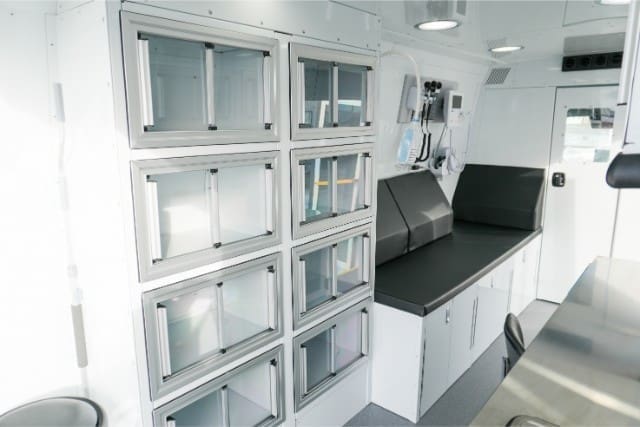
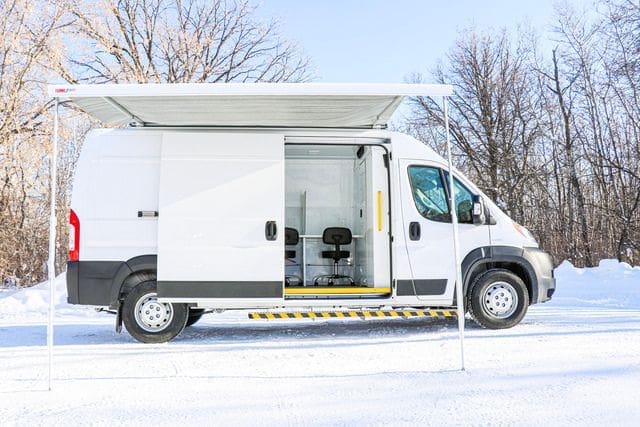
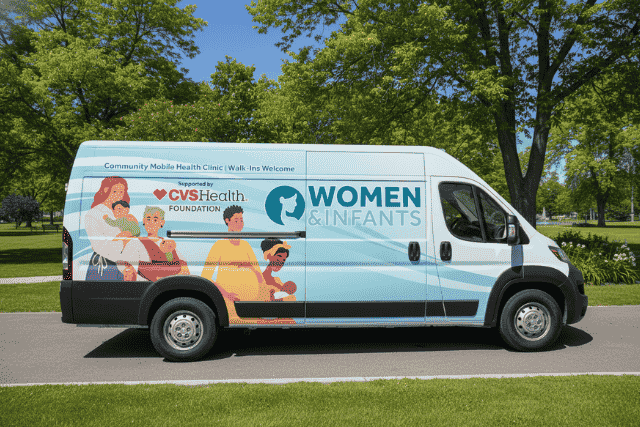
Here’s where healthcare delivery matters. Preventive healthcare works best when people can actually access it. That’s why many organizations turn to mobile clinics. These units cut out the biggest barrier, transportation, by meeting people where they are.
Mobile clinics save money in clear, simple ways:
- Catch problems early: A quick diabetes screening in a mobile unit might prevent kidney failure down the road. That’s tens of thousands of dollars saved.
- Reduce ER dependence: If a mobile clinic offers basic checkups, people don’t have to wait until their only option is the emergency room.
- Lower hospital stays: Vaccines and health education programs prevent patients from getting sick, which means fewer costly inpatient stays.
- Support chronic care: Regular visits from a mobile unit help people manage conditions like asthma or high blood pressure before they spiral into expensive emergencies.
Think of it this way: Prevention is like patching a small leak in your roof. It takes time and a little money, but it saves you from replacing the whole ceiling after a storm. The same goes for healthcare. A small investment in preventive healthcare services now keeps both costs and suffering from ballooning later.
For organizations like yours, that means healthier communities, fewer emergencies, and budgets that stretch further. And it opens the door to the bigger question: How do these savings add up across the healthcare system?
How do preventive healthcare savings add up across the healthcare system?
When you look at preventive healthcare one patient at a time, the savings seem small. But the numbers get big quickly when you add them up across thousands of people. Let’s break it down with some simple math.
Example 1: Avoiding an ER visit
- Average ER visit cost in the U.S.: About $1,150
- Average primary care visit cost: About $200
- Savings per visit: $950
Now multiply that by 1,000 people who get preventive care instead of ending up in the ER:
1,000 x $950 = $950,000 saved
That’s nearly a million dollars back in the system just from avoiding emergency visits.
Example 2: Managing diabetes early
- Average annual cost for a patient with diabetes: about $9,600
- Cost for someone without diabetes complications: closer to $4,000
- Savings per person: $5,600 each year
Now picture 500 patients getting preventive screenings and early support:
500 x $5,600 = $2.8 million saved every year
Example 3: Vaccinations
- Treating a single case of influenza that lands someone in the hospital: Around $10,000
- Cost of a flu shot: About $20
- Savings per person: $9,980
If 5,000 people in your region get vaccinated through a mobile clinic:
5,000 x $9,980 = $49.9 million saved
Why is it important to consider these numbers?
When you zoom out, the math is clear. Preventive healthcare is not just about better health outcomes; it’s also about keeping money in the system. Small investments like screenings, vaccinations, and regular checkups stop high-cost emergencies from draining your resources.
For an organization like yours, this means you can stretch your budget further, serve more people, and build healthier communities without sinking under rising costs. Mobile clinics play a huge role here because they make preventive healthcare accessible to the very people who would otherwise miss it.
The next piece to explore is what are the specific preventive services in healthcare that deliver the biggest impact, both in health outcomes and cost savings?
Got any questions about preventive healthcare
You came to this article asking a simple but important question: Does preventive healthcare save money in the healthcare sector? The truth is, you’re balancing tight budgets with a deep desire to help people live healthier lives. That tension is real, and it’s why this conversation matters.
Here’s what you learned today:
- Preventive healthcare services like screenings, vaccines, and checkups reduce costly ER visits and hospital stays.
- Delivering that care through mobile clinics brings it to people who would otherwise go without.
- The result: healthier communities and lower long-term costs for organizations like yours.
At AVAN Mobility, we’ve spent more than a decade building mobile medical units that help organizations overcome healthcare gaps. We’ve seen firsthand how a single van can turn the tide in a community, whether it’s preventing repeat ER visits or supporting routine screenings that save lives. We partner with you to create a vehicle that meets your people where they are, so care never feels out of reach. If you have questions or want to see how a mobile clinic could work for your program, click the button below to talk to one of our mobility experts.
If you’re not ready to talk to a mobility expert yet, here are three resources that will guide you further:
1. Five steps to starting a mobile clinic program: This article will give you a clearer path to hitting the ground running with a mobile clinic.
2. How Much Does a Mobile Medical Unit Cost in the U.S.? Get a clear breakdown of what you can expect to budget.
3. Mobile medical van customization: Learn all about the different customization options you can get for your mobile clinic to begin providing the best preventive care possible.
Each of these articles takes you from understanding cost savings to actually planning your own mobile healthcare program.
FAQ: Preventive healthcare and cost savings
Q: How does preventive care reduce healthcare costs?
A: Preventive care lowers costs by catching health problems early, when treatment is simple and affordable. It also reduces expensive ER visits and hospital stays by keeping conditions under control.
Q: What are preventive services in healthcare?
A: Preventive services include things like blood pressure checks, diabetes screenings, vaccinations, and counseling for lifestyle changes. These services are designed to stop major health issues before they develop.
Q: What is the purpose of preventive healthcare?
A: The purpose of preventive healthcare is to protect people’s health while reducing long-term costs for healthcare systems and organizations. It’s about shifting care from crisis response to proactive support.
Q: Does preventive healthcare save money in the U.S.?
A: Yes, studies show preventive care saves billions each year by reducing avoidable ER visits and hospitalizations. The savings are especially high in underserved communities where access to routine care is limited.
Q: How can mobile clinics deliver preventive healthcare?
A: Mobile clinics bring screenings, vaccines, and checkups directly to neighborhoods, rural towns, and tribal communities. This removes barriers like transportation and ensures preventive care reaches the people who need it most.