Did you know over 46 million Americans meet the criteria for substance use disorder treatment, yet only a small portion receive it? If you’re responsible for improving access in your community, that gap likely feels personal. You see long waitlists, people traveling hours for care, or worse, not showing up at all.
Substance use disorder treatment should be within reach, but for many, it still isn’t. And when access breaks down, the impact is real. Overdoses rise, trust fades, and your team is left trying to do more with less. You want something different. You want treatment for substance use disorder to reach people where they are, when they’re ready, and in a way that feels safe and respectful.

At AVAN Mobility, we’ve spent over a decade helping organizations like yours close that gap. We’ve built more than 180 mobile medical units across the U.S., supporting programs like CalOptima and Pacific Clinics. Our team listens first and builds second, so your vehicle reflects your community’s needs. We believe care should meet people where they are. At the same time, we know we’re one of several options, and our goal here is to help you make the right choice for your program.
In this article, you’ll learn:
- Why substance use disorder treatment is still hard to access
- What’s keeping treatment for substance use disorders out of reach
- How a mobile medication-assisted treatment unit can help close that gap
Why is substance use disorder treatment still hard to access?
Substance use disorder treatment is widely talked about, but access still falls short across the U.S. You might already see this in your own community. People are ready for help, yet the system makes it hard to get started. The gap isn’t caused by one issue. It’s a mix of barriers that stack up and push people away from care.
Let’s break down what’s really getting in the way.
1. Distance and transportation make substance use disorder treatment out of reach
In many parts of the U.S., especially rural states like West Virginia, Montana, or parts of Texas, treatment for substance use disorder can be hours away. That distance alone becomes a dealbreaker.
- Long travel times: Many patients must drive 1–3 hours for care.
- Limited public transit: Rural and suburban areas often lack reliable options.
- Missed appointments: Travel challenges lead to drop-offs in care.
Rural communities face major access gaps due to provider shortages and geography.
Example: Imagine someone in rural Kentucky who decides to seek treatment. They need weekly visits, but the nearest clinic is 90 minutes away. After two missed rides, they stop going. The intent was there. The system didn’t support it.
2. Cost and insurance gaps limit treatment for substance use disorders
Even when services exist, cost can quietly block access to substance use disorder treatment.
- High out-of-pocket costs: Many plans still have gaps in coverage.
- Insurance confusion: Patients often don’t know what’s covered.
- Uninsured populations: Some people fall through eligibility cracks.
Financial barriers remain one of the most common reasons people avoid care.
Even with policy changes, access hasn’t caught up. Insurance coverage has improved, but gaps still exist, especially for ongoing care and medications.
Reality check: There may be services available in your area, but if people can’t afford them, access doesn’t really exist.
3. Stigma keeps people away from substance use disorder treatment
Stigma is one of the most overlooked barriers, yet it’s one of the most powerful.
- Fear of judgment: Patients worry about how they’ll be seen.
- Workplace concerns: People fear losing jobs or their reputation.
- Community perception: Smaller communities often amplify stigma.
Research shows stigma plays a major role in why people avoid treatment for substance use disorders.
Imagine a parent in a small town who avoids seeking care because they fear being recognized. That hesitation delays treatment, sometimes for years.
4. Workforce shortages create long wait times for care
Even when someone is ready for help, the system often says, “wait.”
- Limited providers: There aren’t enough clinicians trained in addiction care.
- Long waitlists: Weeks or months before a first appointment.
- Burnout: Existing providers are stretched thin.
Workforce shortages are a leading barrier to accessing behavioral health services across the U.S.
And here’s the hard truth. Timing matters. When someone is ready for treatment, delays can mean lost opportunities.
5. Evidence-based treatment for substance use disorders is underused
We already have effective tools. The challenge is getting them to people.
- Medication access is limited: Only about 1 in 5 people with opioid use disorder receive medication treatment.
- Provider limitations: Few clinicians are trained or authorized to prescribe.
- System gaps: Programs may not offer full evidence-based care.
This is one of the biggest gaps. Evidence-based treatment for substance use disorders exists, yet it isn’t reaching the people who need it most.
What does this mean for you? If your program can deliver proven care closer to the patient, you’re solving a real and urgent problem.
6. Cultural and community disconnects reduce trust in treatment
Care doesn’t work if it doesn’t feel safe or relevant.
- Lack of culturally specific programs: Many communities feel overlooked.
- Language barriers: Communication gaps limit engagement.
- Historical mistrust: Some populations avoid systems they don’t trust.
The use of culturally specific substance use disorder treatment plays a major role in engagement and outcomes. When care reflects the community, people are more likely to show up and stay.
In parts of California and Arizona, programs that integrate local culture and language see stronger participation compared to traditional clinic settings.
The treatment gap remains wide across the U.S.
When you step back, the numbers tell a clear story.
- Up to 95% of adults with substance use disorders did not receive treatment in 2024.
- Historically, only about 11–12% receive specialty care.
That’s not a small gap. That’s a system-wide challenge.
Where does this leave you?
You’re likely reading this because you feel that gap in your own work. You see the missed appointments, the long waitlists, the people who never make it through your doors.
The good news is this. These barriers are real, but they’re not fixed.
And that’s where the conversation shifts.
How does a medication-assisted treatment unit help you make SUD treatment more accessible?
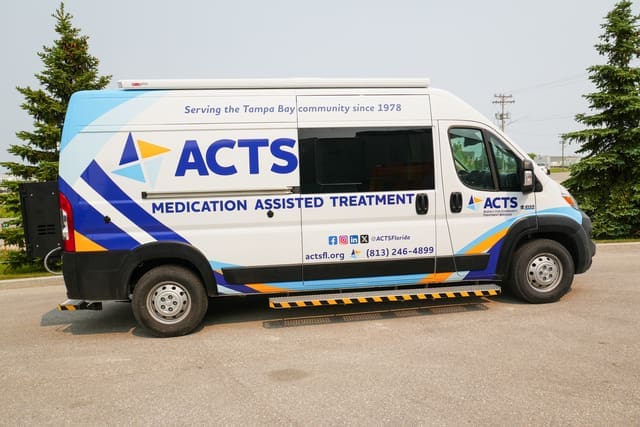
A medication-assisted treatment unit gives you a way to bring care directly into the communities where people already live, work, and feel comfortable. Instead of asking patients to travel long distances, miss work, find childcare, or sit in a crowded waiting room, you can bring treatment for substance use disorder closer to them.
That changes a lot.
You remove the travel barrier, reduce stigma, make care feel more personal, and create more chances for people to stay engaged in treatment over time.
1. How does a medication-assisted treatment unit remove distance and transportation barriers?
Distance is one of the biggest reasons people miss appointments or never start treatment at all. A mobile medication-assisted treatment unit helps you close that gap.
You can park your unit:
- Outside a community center
- Near a homeless shelter
- At a rural church parking lot
- Near tribal health offices
- Outside a public housing complex
- At a county fair, school, or recovery event
This gives people access to substance use disorder treatment without needing a long drive.
Think about a patient in rural Tennessee who may need to travel two hours for methadone treatment. With a mobile unit visiting their county twice a week, that same person could receive care 5 minutes from home.
That smaller distance can make the difference between someone sticking with treatment or giving up.
2. How does a medication-assisted treatment unit reduce stigma around substance use disorder treatment?
Many people avoid treatment because they don’t want others to know they need help. Walking into a large clinic can feel intimidating. Patients may worry about being recognized, judged, or labeled.
A mobile medication-assisted treatment unit creates a different experience.
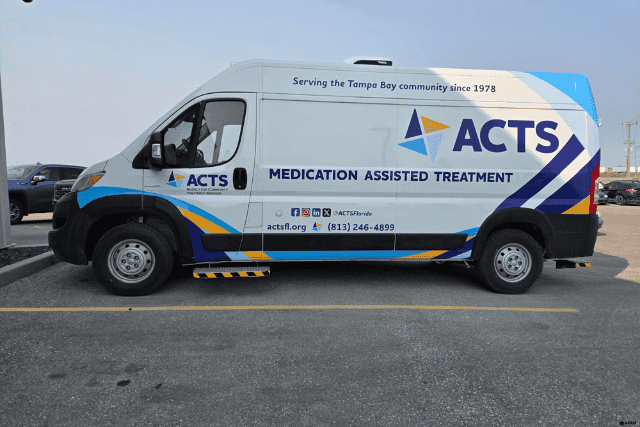
Instead of a crowded waiting room, patients enter a clean, quiet, private space. Care feels more one-on-one and personal.
Features that help create that sense of privacy include:
- Privacy curtains
- Comfortable patient bed
- Rear heat and air conditioning
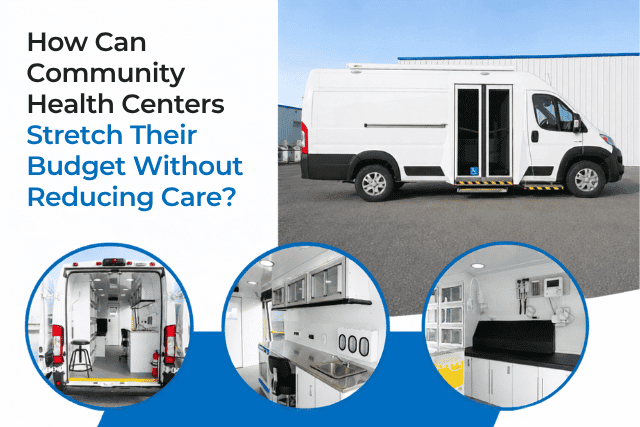
- Clean cabinetry and organized storage
- A quieter setting than a traditional clinic
The experience feels more like entering a doctor’s office than walking into a public building tied to addiction treatment.
That matters because trust starts with comfort.
3. How can you use a mobile unit to provide culturally specific substance use disorder treatment?

Treatment works better when people feel understood.
The use of culturally specific substance use disorder treatment can help you connect with communities that may have felt left out, misunderstood, or ignored in the past.
A mobile unit gives you more flexibility to shape the experience around the people you serve.
You can:
- Hire bilingual staff
- Include translators or peer support workers
- Add local artwork, colors, or messaging
- Partner with tribal health organizations or faith leaders
- Visit neighborhoods where trust already exists
In areas like New Mexico, Arizona, or parts of California, organizations may use Spanish-speaking staff or culturally familiar materials to build stronger relationships. Tribal communities may feel more comfortable meeting in a familiar location close to home rather than visiting a distant hospital.
That kind of care feels more personal and more respectful.
4. How does a medication-assisted treatment unit support evidence-based treatment for substance use disorders?
A mobile medication-assisted treatment unit can deliver evidence-based treatment for substance use disorders directly in the field.
Depending on your program, your unit can support:
- Medication management
- Counseling and behavioral health visits
- Screening and assessments
- Follow-up appointments
- Referrals to detox or long-term care
Many units include practical features that make this possible.

| Feature | How it supports treatment |
| Fridge | Stores medications safely |
| Sink | Supports hygiene and infection control |
| Diagnostic set | Helps staff complete assessments |
| Power supply | Keeps equipment running during visits |
| Floor-to-ceiling cabinetry | Keeps supplies secure and organized |
| Under-bed storage | Makes room for extra materials and equipment |
This setup gives your team the ability to provide treatment for substance use disorders in a safe and professional environment.
5. How does a medication-assisted treatment unit help your team serve more people?
One clinic location can only reach so many people in a day.
A mobile treatment unit helps your staff move into different neighborhoods and communities based on need.
You can rotate service days across multiple locations.
That allows you to:
- Reach more patients across a wider region
- Reduce wait times
- Expand into underserved areas
- Test new service areas before opening a permanent site
- Respond quickly to overdose spikes or urgent community needs
For example, an organization in Ohio could spend Mondays and Wednesdays in an urban neighborhood, then shift to rural counties later in the week.
That flexibility helps you use your staff and resources more effectively.
6. How does a medication-assisted treatment unit create a more comfortable patient experience?
People are more likely to come back when care feels safe and welcoming.
A mobile medication-assisted treatment unit can feel warm, calm, and respectful. Features like rear heat and air conditioning, clean cabinetry, soft lighting, and privacy curtains can make the space feel less clinical and more human.
An awning outside the vehicle can also create a shaded space for intake forms, outreach, or small conversations with peer support workers.
That may sound simple, but small details matter.
If a patient feels respected during their first visit, they are more likely to return for the second one.
And when they return, treatment has a much better chance of working.
Ready to make substance use disorder treatment easier to access?
You came to this article because you see the same problem many communities face. People want help, but distance, stigma, cost, and limited providers keep substance use disorder treatment out of reach.
After reading this article, you now know:
- Why: Substance use disorder treatment remains hard to access in many parts of the U.S.
- How: A mobile medication-assisted treatment unit can bring care closer to patients.
- What: Flexible, private, culturally specific care can improve trust and participation.
- Where: Mobile units can reach rural communities, urban neighborhoods, tribal areas, and underserved regions.
At AVAN Mobility, we’ve worked with organizations across the U.S. to help them reduce barriers to care through mobile health programs. We’ve supported behavioral health teams, community clinics, counties, and nonprofits as they build programs that meet people where they are. Our vehicles are designed around your goals, your patients, and the way your team works. At the end of the day, our job is simple. We help you reach more people, reduce barriers, and save lives. If you have questions, click the button below to talk to a mobility expert.
If you’re not ready to talk to a mobility expert yet, we have a few other resources you should check out to learn more.
Recommended next reads
- Laws and regulations you need to know about medication-assisted treatment: This article walks you through the rules and requirements that can affect your mobile substance use disorder treatment program.
- What are the 5 myths of medication-assisted treatment? This article helps you understand common misconceptions around medication-assisted treatment so you can build trust in your program.
- How to launch a MNTP Clinic: Funding and startup guide: This article helps you understand funding, planning, and what it takes to get a mobile treatment program running.