Did you know that nearly 83 million Americans live in areas that have poor access to healthcare? When the sky turns gray and snow piles up in places like Ohio or Colorado, that gap widens. It’s heartbreaking to cancel a day of service because a van cannot handle a muddy road or a deep snowdrift. You worry about your patients waiting in the cold or heat because they cannot reach you. Choosing the right mobile medical vans helps you break down those walls so nobody gets left behind.
At AVAN Mobility, we believe your mission to save lives shouldn’t be seasonal. We have been leaders for over 10 years and have built more than 180 mobile medical units to help teams like yours. We have worked with great organizations like CalOptima and the Community Clinic of Southwest Missouri to keep healthcare on the move. As a Ford Pro Upfitter and Stellantis QPro certified builder, we know these vehicles inside and out. We know we’re not the only ones who build these, so we want to give you the facts.
In this article, you will learn how to stay operational all year.
We’ll talk about:
- Wild weather across the U.S.
- How the Trail Edition upgrade keeps you moving through mud.
- Keeping patients comfortable during heat waves and freezes.
How does the U.S. weather affect mobile medical vans?
The weather in the United States can be pretty unpredictable. In the Great Lakes region, a single storm can drop over 80 inches of snow in just a few days. That’s a huge problem for mobile health operations. When roads disappear under white blankets, people in rural spots get cut off. Many of these folks live in “medical deserts” where the nearest doctor’s already a long drive away. If your mobile medical clinic can’t reach them, they might go without life-saving medicine. It’s scary to think a patient in Wyoming or Maine might suffer just because the roads are too messy for a standard van.
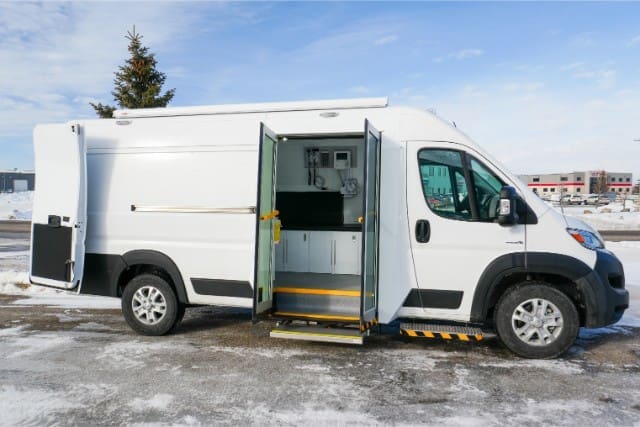
Healthcare can’t just stop when the temperature drops or the snow starts to fall. In fact, that’s often when people need you the most. Imagine a senior citizen living at the end of a long, twisty, unpaved road in rural Appalachia. They don’t have a big 4×4 truck to get to the city that’s three hours away. They rely on your mobile medical unit to come to them. If the mud’s too deep or the hills are too slick, that connection’s broken. This creates a lot of stress for both the patient and your team. You want to help, but you also need to keep your staff safe on those tricky back roads.
Can your mobile medical clinic handle the extreme heat and cold?
It’s not just about the snow. The U.S. experiences massive temperature swings that can disrupt your mobile health care delivery. In the Southwest, summers can stay above 100°F for weeks. In the Midwest, winters can feel like the Arctic. These extremes make it hard to keep a mobile health van comfortable for exams. If it’s too hot inside, your staff will be uncomfortable all day, and medical equipment might fail. If it’s too cold, your patients won’t want to step inside.
- Summer heat: States like Arizona or Texas can see hundreds of heat-related ER visits every year, so being there to provide hydration and shade is a big deal.
- Winter freezes: Cold weather makes it hard to keep the interior warm enough for sensitive procedures.
- Rural mud: Spring rains can turn dirt roads into soup, trapping a standard mobile medical van.
The good news is you don’t have to let the forecast run your schedule. There’s a way to stay on the road no matter what. Keep reading to learn more about the Trail Edition upgrade package for your mobile health vehicle. This package gives you better ground clearance and tougher tires for those muddy paths. You can also add high-capacity heating and cooling systems to your mobile medical clinic. These optional upgrades ensure your mobile health unit stays cozy and operational year-round.
How can the Trail Edition upgrade help you stay operational in all weather conditions?

When you’re running a mobile medical clinic, your schedule shouldn’t be a suggestion that changes whenever the clouds roll in. Your patients are counting on you to show up, whether it’s a sunny day in Florida or a slushy morning in Michigan. But let’s be real: standard vans aren’t always built for the “real world” of rural healthcare. A single deep snowdrift or a muddy back road can turn your day of saving lives into a day of waiting for a tow truck. That’s a gap in care that can have serious consequences.
The Trail Edition upgrade is designed to bridge that gap. It’s more than just a list of parts; it’s a package that turns your mobile medical vans into reliable tools that don’t quit. By addressing the physical barriers of the road, you’re making sure that the barrier to healthcare is removed for your patients.
Let’s take a look at how these specific features keep your mission moving forward.
1. Front grille guard

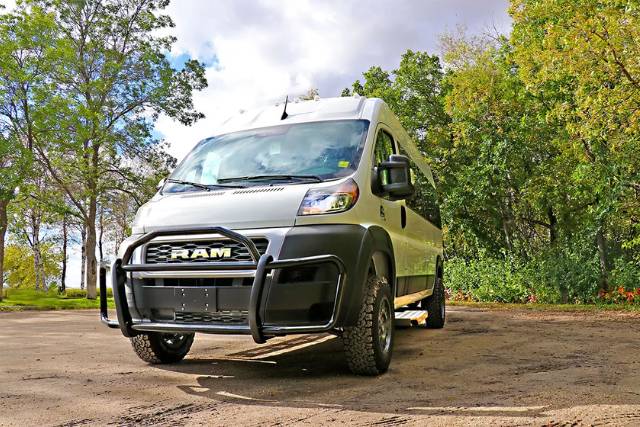
It might look like just a tough accessory, but the front grille guard is a shield for your operation’s uptime. In many parts of the U.S., especially in rural areas during dawn or dusk, wildlife can be a major hazard.
- Maximum strength: This isn’t a plastic cover. It’s a solid shield kit with a 4-point tubular steel frame system.
- Preventing downtime: A collision with a deer can easily crack a radiator. If your radiator’s gone, your engine’s done, and your mobile medical unit is stuck in the shop for weeks.
- Protecting your investment: Shielding the front end keeps the heart of your vehicle safe so you can keep your appointments.
Imagine your team is driving a mobile health van through the rural Pacific Northwest on a foggy morning. A deer jumps out. Without a guard, that’s a ruined van and canceled appointments for 20 people. With the grille guard, you might have a dent, but you’re still operational, and the doctor is still seeing patients.
2. Underbody protection
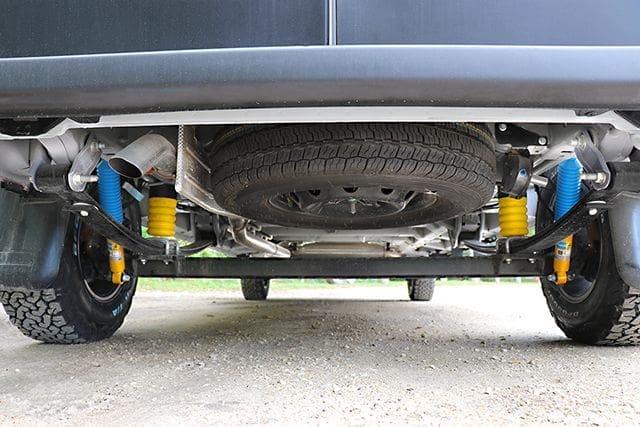
When you’re driving through a U.S. winter, the road isn’t just covered in snow; it’s covered in ice, salt, and debris. The off-road underbody steel protection package acts like armor for the most expensive parts of your mobile health vehicle.
- Shielding the vitals: This package covers your engine and transmission.
- Powder-coated steel: The steel is treated to resist the rust and corrosion that comes from road salt in places like the Northeast or Midwest.
- Optimal performance: By keeping the engine area protected from frozen slush and flying ice chunks, you’re making sure the van runs exactly how it’s supposed to.
If you’ve ever had a chunk of ice kick up and crack an oil pan, you know how fast a “little” weather problem can turn into a $5,000 repair. This protection makes sure your mobile medical clinic doesn’t face those kinds of surprises.
3. Off-road wheel and tire package

Your mobile health unit is only as good as the rubber hitting the road. Standard tires are great for highways, but they’re not great for a snowy hill in West Virginia or a muddy path in the South.
- Aggressive grip: The off-road wheel and tire package uses 245/70/R16 10-ply tires.
- Toughness: The 10-ply part means they’re thick and puncture-resistant, which is great when you’re driving over sharp rocks or hidden debris in the snow.
- Conquering the snow: These tires are designed to bite into the ground, giving you the traction you need to keep your mobile medical van from sliding into a ditch.
When your team feels the tires “grab” the road, their stress levels go down. They can focus on the patients waiting for them instead of worrying if they’ll make it up the next hill.
4. Heavy-duty suspension lift kit
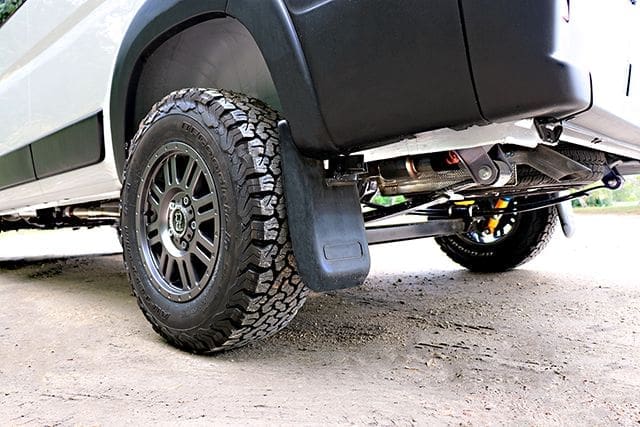
Rough roads don’t just slow you down; they can actually be dangerous for a top-heavy mobile medical unit. The heavy-duty suspension lift kit with rollover protection is all about balance and height.
- Added clearance: A 1.5-inch lift doesn’t sound like much, but it’s the difference between clearing a snowbank and getting high-centered on it.
- Stability first: Steel front strut spacers and a rear block system make sure the van stays level, even when it’s loaded with heavy medical equipment.
- Rollover protection: We know these vans are tall. This kit is built to keep the center of gravity in check, so your mobile health van feels solid during turns on uneven ground.
5. A more comfortable ride with extreme-use suspension

Your mobile medical clinic is a workplace and a doctor’s office. If the ride is too bumpy, your medical supplies can get tossed around, and your staff will feel exhausted before they even see their first patient.
- SumoSprings®: The Trail Edition comes with rear progressive SumoSprings. These are like smart cushions that get firmer as the load gets heavier.
- Smooth ride: These springs help absorb the “thump” of potholes and washboard roads.
- Adapting to the road: The shocks and struts in this package adjust to the road conditions. This keeps the mobile medical unit stable and comfortable for everyone inside.
Keeping the climate perfect with the high-capacity HVAC system
Even if the van can get to a rural patient, you can’t provide quality care if it’s 95°F or 20°F inside the exam room. This is where the optional high-capacity HVAC system becomes the hero of your mobile health unit.
| Feature | How does it help your mobile clinic? |
| Independent unit | The rear system works on its own, so it doesn’t strain the main engine’s AC. |
| Generator powered | It runs even when the engine is off, keeping the clinic cool while you’re parked. |
| Faster climate control | It heats and cools the space much faster than a standard van system. |
| Efficiency | It’s built for the “extreme-use” life of a mobile medical clinic. |
Think about a hot summer day in Arizona. Without this system, your mobile medical van would feel like an oven. Patients wouldn’t want to come in, and your staff wouldn’t be able to think straight. With the high-capacity system, your mobile clinic stays a crisp 72°F, providing a dignified and professional space for healthcare, no matter what the sun is doing outside.
The Trail Edition and these HVAC upgrades are the tools that empower you to say “yes” to your community when everyone else is saying “stay home.” They turn your mobile medical vans into enablers of freedom and connection, making sure that a little bit of weather never stands in the way of a life saved.
Want to learn more about the Trail Edition?
You likely came to this article because you were worried about how the changing seasons might force your team off the road. It’s a stressful feeling to know that a simple snowstorm or a summer heatwave could stop you from helping the people who need you most.
After reading this, you’ve discovered:
- Better equipment: How the Trail Edition upgrade uses steel protection and tough tires to keep your mobile medical unit moving through mud and snow.
- Climate control: Why high-capacity HVAC systems are the key to keeping your patients and staff comfortable in extreme temperatures.
At AVAN Mobility, we believe that providing care should be a reliable promise, not a seasonal luxury. Our team focuses on building relationships first because we know that behind every vehicle is a community that depends on you. We use our years of manufacturing experience to create solutions that give you the freedom to go wherever the need is greatest. It’s our mission to support your heart for service with vehicles that are as resilient as the patients you treat. If you have any questions about how to prepare for the road ahead, click the button below to talk to a mobility expert.
If you’re not ready to talk to a mobility expert yet, we have a few other resources you should check out to learn more.
Recommended next reads
- How much does a mobile medical unit cost in the U.S.? Knowing the investment required helps you plan your budget so you can bring these life-saving features to your community.
- How to choose a mobile medical van: This guide helps you figure out which specific layout and features will best support your team’s daily clinical goals.
- Buying a mobile medical van – Your process with AVAN Mobility: Understanding the steps from the first call to the final delivery makes the journey to your new mobile clinic much easier.