As a behavioral health organization, preventing suicide is likely on your mind every day. You see the gaps in care in your own community, and you feel the weight of what can happen when someone can’t reach you in time. In many U.S. regions, suicide rates continue to rise, and states like Wyoming, Montana, and Alaska see some of the highest numbers in the country.
One recent report shows the national rate climbed to 14.3 deaths per 100,000 people in 2022. When transportation falls apart or wait times stretch for weeks, your team feels stuck. You want ways to prevent suicide that bring care closer, faster, and in a way that feels safe for the person reaching out. You picture a world where support shows up right where someone is. That desired state closes the gap you face today.
AVAN Mobility has helped programs across the country reach that state for more than ten years. We’ve built over 150 mobile medical units for teams like CalOptima and Pacific Clinics who wanted a better way to reach people. Our work is shaped by your stories and your goals. We design each mobile counseling unit with dignity and connection in mind. We also know we’re not the only option out there, so our job is to help you learn what fits best for your program.
In this article, you’ll learn:
- Five barriers people face to behavioral healthcare
- How going mobile can help you prevent suicide
What barriers do people face to behavioral healthcare?
When you’re looking for ways to prevent suicide, the biggest gaps often show up long before someone reaches your team. Many people face obstacles that make it hard to ask for help or even reach the care that could keep them safe. These barriers are common across the U.S., and understanding them helps you see where a Mobile Counseling Unit can make the most impact.
1. Transportation barriers
Transportation shapes how you prevent suicide more than almost anything else. If someone can’t reach your team, the risk grows. Many people who want help don’t have a car, can’t afford a ride, or live in a rural county where a bus comes once in a while. It’s even tougher in states like Montana, Alaska, New Mexico, and West Virginia, where people live many miles from the closest counselor. When someone thinks about reaching out but can’t get to care, the gap between wanting help and receiving help turns dangerous fast.
Here are common transportation barriers you see across the U.S.:
- Long distances: Some clients live 30 to 70 miles from the nearest clinic.
- Little to no transit: Many small towns have no bus routes at all.
- Weather challenges: Snow, flooding, and extreme heat make travel risky.
- Privacy worries: People fear judgment if they ask others for a ride.
- Cost pressures: Even a short ride-share can feel impossible during a crisis.
It’s estimated that 1 in 5 adults delay medical care due to transportation issues. When your goal is to prevent suicide, those delays can be life-threatening.
How can a Mobile Counseling Unit help?
Picture a young man outside Farmington, New Mexico. He’s been fighting depression since losing a family member. He wants support today, but the community clinic is 140 miles away. He doesn’t have a car. No buses run after 5 p.m. He thinks about calling a friend, but doesn’t want to explain why. He stays home. His pain grows.
Your team knows this scenario too well, and each one feels heavy.
This is why a Mobile Counseling Unit becomes such a helpful tool. Instead of asking someone to find a way to you, your team brings the care to them. That one shift creates new ways to prevent suicide and helps you reach people who are too overwhelmed or isolated to travel.
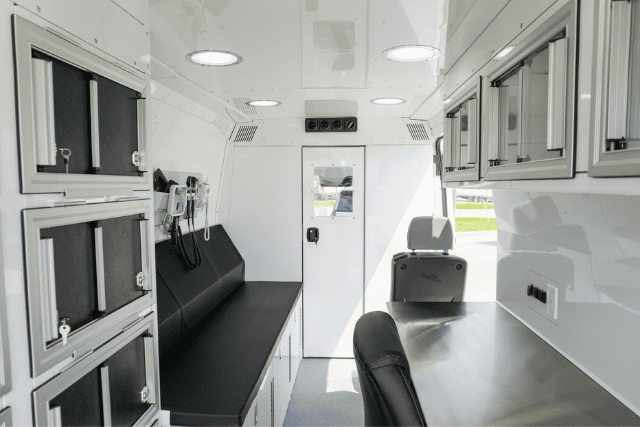
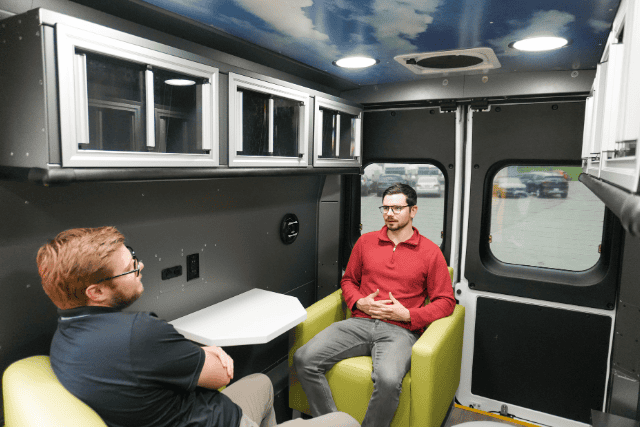
Inside the unit, the living room feel helps people relax right away. Soft seating, a center table, speakers, and natural light from the skylight and large windows create a warm, safe space. When someone feels at ease, they talk more, and your team can respond faster.
Privacy concerns also fade. The tinted windows, sound insulation, and secure entry help clients feel unseen from the outside and protected inside. Many who avoid public clinics open up here.
For remote areas, the Trail Edition upgrade helps your team travel down gravel roads and reach homes far from highways. You reach people others can’t reach.
Every feature works together to help your organization prevent suicide by closing the transportation gap. You reach people sooner. You reach them privately and where they feel safe. And often, you reach someone who might never have made it to a clinic at all.
2. Long wait times
Long wait times change the entire path of how you prevent suicide. When someone finally reaches out, they do it during a moment that took courage, fear, and a lot of emotional energy. If they’re told the next opening is weeks away, that spark can fade fast. Many people give up. They stay home. They tell themselves they’ll “figure it out later,” even though later is often when things get worse.
Across the U.S., especially in states like California, Texas, and Ohio, behavioral health teams deal with overwhelming caseloads. Staff turnover, high demand, and limited funding leave many people waiting much longer than they can handle. In rural areas, it can be even slower because only one or two clinicians cover entire counties.
Some of the biggest wait-time challenges look like this:
- Overbooked schedules: Too many people and too few openings.
- Short staffing: Clinicians can’t take on new clients quickly.
- Slow follow-up systems: Crisis calls aren’t matched with fast next steps.
- Limited clinic hours: Evenings and weekends are often uncovered.
- Outdated intake workflows: Everything takes longer than it should.
According to the National Council for Mental Wellbeing, many Americans experience six-week waits or longer. For someone thinking about suicide, six weeks is not a timeline that feels safe. That delay can turn a moment of hope into fear, isolation, or a feeling that help simply isn’t coming.
A scenario that shows how fast hope can slip away
Picture a mother in central Ohio who’s been trying to push through a heavy stretch of depression. One night, she reaches her limit and finally calls a clinic the next morning. She’s proud she made the call. She’s scared, but she’s hopeful. Then she’s told the earliest appointment is in 24 days.
She tries to stay positive at first. But every day that passes gets a little harder. She doesn’t want to reach out again because she worries she’ll sound like she’s bothering someone. By the second week, the hope she felt starts to disappear.
Your team knows how often this happens. You see the pain that comes from systems that move more slowly than the person’s needs.
How can a Mobile Counseling Unit help your team close this gap?
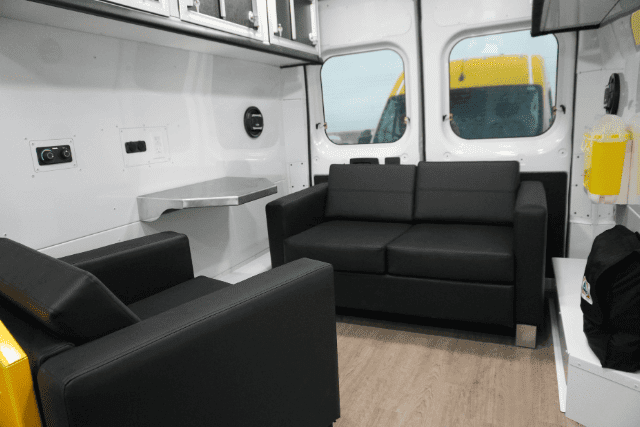
A Mobile Counseling Unit gives you the ability to respond faster, reach people sooner, and step around the waitlist that slows traditional clinics. Instead of telling someone they’ll be seen in a few weeks, your team can meet them in their community within days or even hours, depending on your program.
The features inside the unit also help you prevent suicide by supporting quick, effective care:
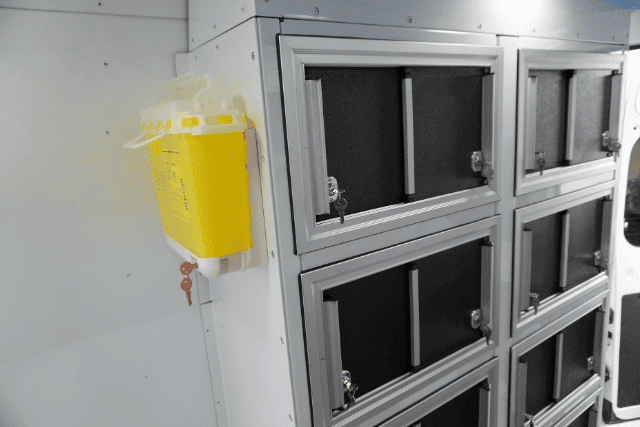
- Secure storage cabinets: Your team can store crisis forms, safety plan materials, coping tools, and emergency supplies so sessions can happen on the spot without delays.
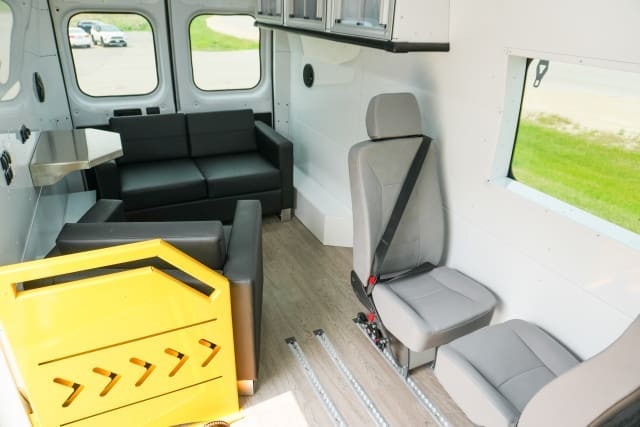
- Removable seats: If someone needs to bring a support person, a caregiver, or even a service animal, you can adjust the layout right away to make space.
- WiFi connectivity: This lets clinicians check records, complete screenings, update notes, and connect clients with telehealth follow-up without leaving the session. Faster workflows mean more people get help sooner.
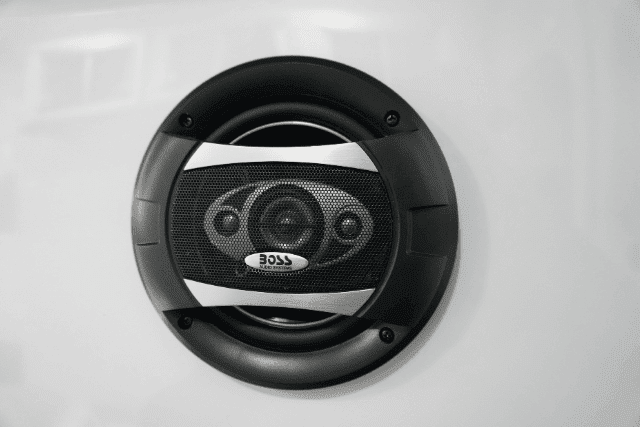
- Speakers for calming audio: Soft music or grounding sounds help people settle during intake or crisis coaching, which makes it easier to assess risk and support them through the moment.
- Security system: Your team can offer sessions in parking lots, near shelters, or in rural driveways with more confidence. Feeling safe helps the counselor focus fully on the person.
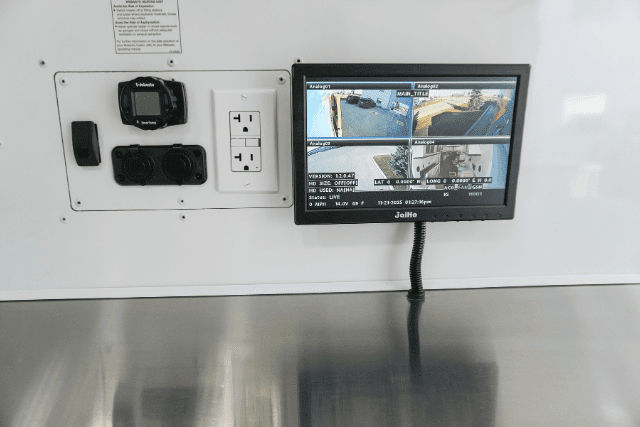
Together, these features help your team cut down long waits and create more ways to prevent suicide. A Mobile Counseling Unit gives you flexibility, speed, and a ready-to-go space that moves with your community instead of putting people on hold.
3. Stigma
Stigma is another big barrier to preventing suicide in communities across the U.S. Even when care is available, many people feel shame, fear, or embarrassment about asking for help. They worry about being judged by family, coworkers, friends, or even strangers in their town. This fear creates silence, and silence is dangerous. It keeps people from reaching out while their pain builds under the surface.
Stigma shows up in different ways depending on the region. In the Midwest and the Deep South, people often feel pressure to push through. In small towns across Kansas, Oklahoma, and Kentucky, people fear being recognized when walking into a clinic. Folks in tribal or rural communities may hide their struggles to avoid burdening others. Teens worry their parents will panic. Men fear looking weak. Many adults fear being labeled or misunderstood.
Here are common stigma-driven barriers your team sees:
- Fear of judgment: People feel ashamed of their symptoms.
- Cultural norms: Some communities value silence over openness.
- Privacy concerns: People avoid public clinics where they might be recognized.
- Misinformation: Folks think counseling means something is “wrong” with them.
- Workplace worries: People fear their job or reputation will be affected.
A study found that over 35 percent of Americans avoid mental health support because of stigma. That’s nearly half the people who may need you. When you’re trying to prevent suicide, this fear makes early intervention much harder. If someone never steps through the clinic door, the risk keeps growing.
A scenario that shows how strong stigma can feel
Imagine a father in small-town Oklahoma. He’s been struggling with depression for months, but he doesn’t want anyone to know. He coaches his kid’s baseball team. He works a steady job. People look up to him. One night, things get overwhelming, and he thinks about getting help. He searches for the nearest clinic. It’s only a few miles away, but the idea of parking his truck outside where the whole town might see it makes him close his laptop. He tells himself he’ll “deal with it later.”
Days go by. His pain deepens. He tells no one. Your team sees patterns like this often. Stigma keeps people quiet right when they need connection the most.
How can a Mobile Counseling Unit help reduce stigma and build trust?
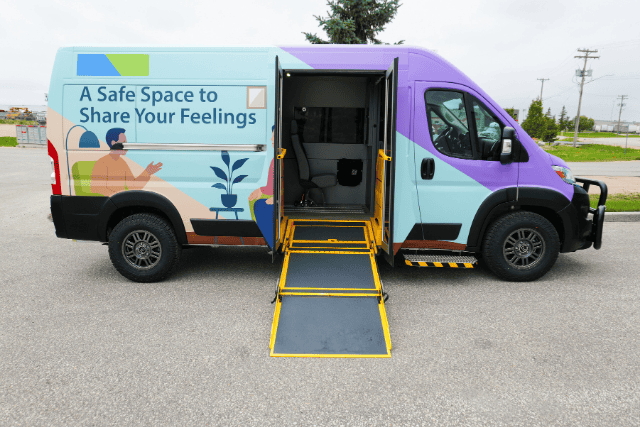
A Mobile Counseling Unit gives your organization new ways to prevent suicide by lowering the emotional walls that stigma builds. Instead of asking someone to walk into a public clinic where they fear being seen, you can meet them in a place that feels safer and more private.
Here are some features of the Mobile Counseling Unit that help lower stigma and support trust-building:
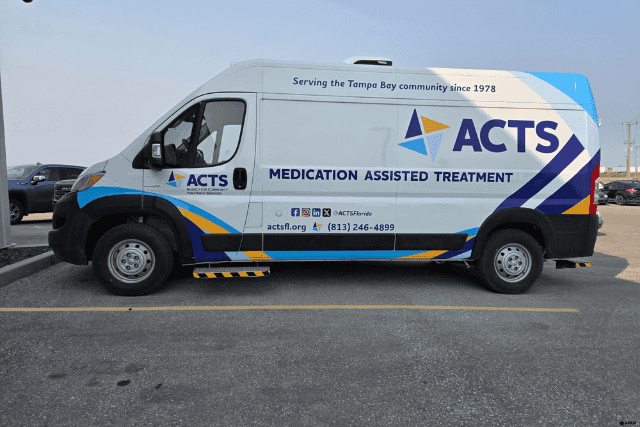
- Customized exteriors: You can design the outside of the unit with a wrap to look welcoming, calming, or culturally meaningful. This avoids the “clinical van” look that makes some people nervous or embarrassed.
- Home-like interior design: The ability to customize colors, finishes, and décor helps your team create a space that feels like a living room instead of a clinic exam room. A warmer space encourages more honest conversations.
- Temperature insulation: A quiet, climate-controlled interior makes sessions feel safe and private. When people feel physically comfortable, they tend to relax emotionally too.
- Storage space: Your team can bring along cultural items, grounding tools, sensory aids, notebooks, or comfort materials that help people feel seen and understood. Meaningful items help break down walls created by stigma.
With these tools, your team can offer a private, calm, respectful space that doesn’t trigger fear or judgment. Instead of waiting for someone to gather the courage to come to you, you arrive in a way that feels gentle and approachable.
That shift helps you prevent suicide by reaching people who might otherwise stay silent.
4. Lack of culturally safe care
A lack of culturally safe care makes it hard for people to open up, even when they’re hurting. When someone feels like a counselor won’t understand their background, values, or traditions, they may decide it’s easier to stay quiet. This silence can make the work of trying to prevent suicide much harder. People want support that feels familiar, respectful, and connected to who they are. When that isn’t there, they often walk away before they even start.
You see this across many parts of the U.S. In tribal communities, people want care that respects traditions and the stories they carry. In Hispanic and Latino communities, people may fear being misunderstood because of language or family dynamics. Throughout African American communities, medical mistrust still affects comfort levels. In immigrant communities, people worry their fears or daily challenges won’t make sense to a provider from a different background.
These cultural barriers show up in ways like:
- Feeling misunderstood: People worry a counselor doesn’t “get” them.
- Fear of judgment: Clients avoid sharing deep feelings.
- Language concerns: Some feel embarrassed or unsafe speaking in English.
- Past negative experiences: One bad interaction keeps people from trying again.
- Lack of representation: People don’t see anyone who looks like them or shares their background.
Culturally connected care increases comfort and trust in mental health settings. Without that connection, people avoid help and carry their pain alone, which increases their risk.
Consider this scenario
Picture a young woman from the Navajo Nation who has lost several family members. She wants support but worries a counselor won’t understand her traditions or the role she plays in caring for elders. She’s afraid she’ll have to explain everything from the ground up. So she waits, even as the weight gets heavier.
Or think about an immigrant father in Arizona who deals with depression but struggles with English. He’s worried he won’t be able to explain his feelings, fears, or stress. He stays silent because he doesn’t want to be misunderstood.
Your team sees moments like this often. When care doesn’t feel culturally safe, people avoid reaching out until they’re in a deep crisis. That delay makes preventing suicide much harder.
How can a Mobile Counseling Unit help create culturally safe, trusting spaces?
A Mobile Counseling Unit helps your team bridge this cultural gap by bringing care directly into the community, where people already feel grounded. Instead of asking someone to travel to a clinic that feels unfamiliar or intimidating, you meet them in places that feel natural to them. That alone lowers emotional barriers.
Inside the unit, your team can shape the space in a way that feels welcoming to the client. You can bring along cultural items, tools, resources, or comfort objects that matter to the person you’re serving. You can adjust the layout to fit family sessions, elders, or youth who feel safer with support nearby. Additionally, you can also give someone the privacy and quiet setting they need so they feel safe opening up without fear of judgment or misunderstanding.
All of these small choices help build trust. And trust is what brings people back for follow-up care. When someone feels respected, understood, and seen, you get more chances to prevent suicide before a situation turns dangerous.
5. Lack of privacy
A major barrier in preventing suicide is what happens during the actual crisis moment. Many people don’t have a private, calm place to talk when everything feels overwhelming. They may live in crowded homes, shared apartments, or noisy shelters. Others may be couch-surfing, living in a car, or staying with relatives where privacy doesn’t exist. When someone can’t find a safe space to talk, they often shut down. They hold everything inside until the pressure becomes too much.
This gap shows up across the U.S. in very real ways. In inner-city neighborhoods, people often share rooms with family members and have limited opportunities to speak freely. In rural communities, this goes back to the stigma barrier: people fear being noticed by others when their car is parked outside a clinic or when overhearing conversations through thin walls.
Throughout tribal communities, some homes are multigenerational, which makes alone time almost impossible. Some clients even step outside to talk to crisis lines in the cold, heat, or rain because it’s the only place they can get some privacy.
Here’s what a lack of a private space often looks like:
- Crowded living environments: People can’t speak openly without others hearing.
- Unsafe surroundings: Some settings create fear or distractions during crisis talks.
- Homelessness or unstable housing: There’s simply no place to sit and breathe.
- Fear of being overheard: Clients censor themselves or stop talking altogether.
- No place for quiet: Emotional regulation becomes harder without a calm space.
Privacy is a huge part of suicide prevention. If someone can’t talk freely, they may withhold information your team needs to keep them safe. They may soften their story, skip details, or avoid telling you how bad things really are. Without honest conversations, preventing suicide becomes much harder.
A scenario that shows how a lack of privacy blocks safety
Imagine a teenager in Chicago who is feeling overwhelmed and wants to talk to a counselor. He lives in a two-bedroom apartment with five other family members. The walls are thin. Someone is always home. He doesn’t want his parents or siblings to hear him talk about suicide. He decides to “wait for a better moment,” but a better moment never comes.
Your team knows how often situations like this happen.
Or think about a woman in rural Georgia who wants help but lives with relatives who don’t believe in counseling. She tries to take calls outside, but she worries someone will step out and overhear her. She holds back her real feelings because she doesn’t feel safe enough to talk.
In both cases, the lack of privacy, not the lack of willingness, creates danger.
How does a Mobile Counseling Unit give people a safe, private space to talk?
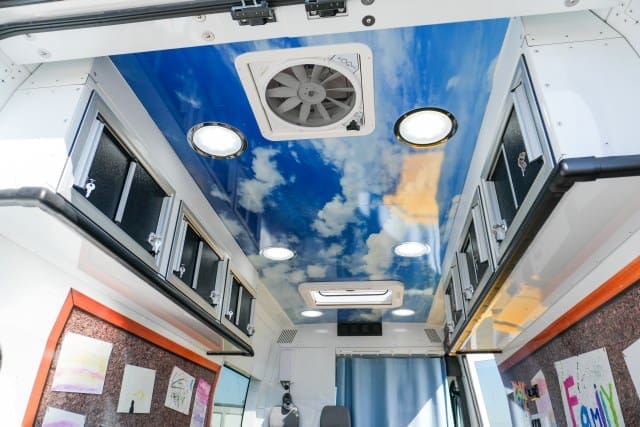
A Mobile Counseling Unit helps you prevent suicide by giving people access to a private, calm, quiet space wherever they are. This unit feels like a living room on wheels. Instead of hoping your clients can find somewhere safe to talk, your team brings that space directly to them.
Inside the unit, you control the environment. You can choose quieter areas to park. You can create a space where someone finally feels safe enough to speak without fear of being overheard. The controlled setting helps people calm down, breathe, think, and talk more openly. When clients feel protected, they share details they would never say in public or at home.
A Mobile Counseling Unit also supports these private moments by giving your team the flexibility to meet someone:
- Behind a community center
- In a quiet school parking lot
- At a tribal gathering place
- Outside a shelter
- Near a church or youth center
- In rural driveways or secluded areas
Because you go to them, they don’t have to risk being overheard or judged. They get a moment of calm in the middle of their storm. And that moment can change the entire outcome.
When someone finally has a safe place to talk, it gives your team the space to do the real work of preventing suicide, one private, honest conversation at a time.
Curious to learn more about the Mobile Counseling Unit?
You came to this article because you’re searching for real ways to prevent suicide and close the gaps that keep people from getting help. You want a path that reaches those who can’t travel, feel judged, or don’t have a safe space to talk.
After reading this article, you now know:
- The biggest barriers your clients face
- Why and how mobility supports suicide prevention
At AVAN Mobility, we help organizations create programs that meet people where they are. For over a decade, we’ve supported health teams across the U.S. with mobile units designed to save lives and remove barriers. Our process starts with listening so we can build a unit that fits your community and your mission. We’re here to be a steady partner as you grow your outreach and strengthen your suicide prevention work. If you’d like to talk through ideas or ask questions, click the button below to connect with a mobility expert.
If you’re not ready to talk to a mobility expert yet, here are a few helpful next reads:
- What’s the impact of a mobile crisis team? Get a clear look at the impact of a mobile crisis team.
- What Is the Cost of a Mobile Counseling Unit? This helps you understand budget ranges and what affects pricing, so planning feels easier.
These will guide you toward your next step with a bit more confidence.