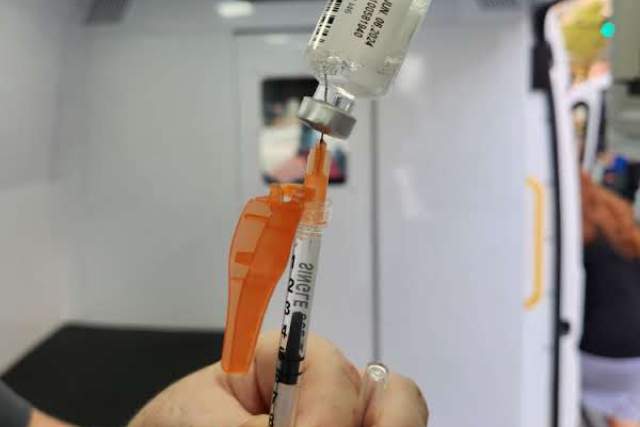
Over 40 million people in the U.S. live in rural areas where healthcare can be hard to reach. If your organization serves these places, you might be asking: Is it possible to get an SUV equipped with a conversion package for mobile medical care?
You want a vehicle that fits your patients’ needs, works well on different roads, and handles medical gear safely. The gap comes when SUVs don’t fully meet those needs or come with hidden challenges. Picking the wrong vehicle could mean lost time, unhappy patients, and extra costs. The right choice opens the door to better care, easier travel, and less hassle for your team.
At AVAN Mobility, we’ve spent over 10 years helping organizations like yours and CalOptima across the U.S. bring care closer to people. We build vehicles that focus on comfort, dignity, and real-world challenges. Even though we only make mobile medical vans, we know you want straight answers before deciding. This article stays neutral and helps you see if an SUV with a conversion package is the right move for your program.
Here’s what you’ll learn:
- If an SUV equipped with a conversion package is possible
- What that looks like for mobile healthcare
- Important things to consider before choosing
Can you get an SUV equipped with a conversion package?
Yes, you can get an SUV equipped with a conversion package. But before you start shopping, it’s worth looking at why most conversion packages focus on other vehicles, like vans.
SUVs can be a good choice if you need something smaller and more agile. They’re easier to park, handle rougher roads, and are often better on fuel. They can also feel more approachable for patients in community settings.
The challenge comes when you think about what happens inside. SUVs have less vertical space and floor area. Imagine being a patient coming in for a physical. You step inside the SUV and realize you can’t stand up straight, and lying down for an exam means folding yourself into the back seat. That’s not exactly ideal for comfort, care, or professionalism.
Here’s why vans tend to get more attention from conversion companies:
- Space: Vans have more room to walk, stand, and set up medical equipment.
- Customization: Vans allow for easier installation of lifts, ramps, and medical fixtures.
- Accessibility: For patients using mobility aids, vans make getting in and out simpler.
So yes, an SUV with a conversion package is possible, but you’ll be working within tighter limits. If your services don’t require much space or large equipment, it might work well. If you need room to examine patients comfortably and store gear, a van might be the more practical choice.
What can using an SUV equipped with a conversion package look like?
We talked a bit about the initial challenges a patient might face when stepping into a mobile medical SUV. But let’s take a closer look at how those challenges actually play out in real-world care. From space issues to equipment setups, you have to think about making sure the experience works for both your team and your patients.
One of the biggest factors to think about is space. Every inch counts when you take a standard SUV and add a conversion package. And if you’re trying to deliver professional healthcare in that space, the limits can become clear pretty quickly.
Space limitations in an SUV equipped with a conversion package
Space is one of the biggest hurdles with an SUV equipped with a conversion package. In healthcare, your environment matters just as much as your tools. Patients expect a safe, comfortable space, and your staff needs enough room to work without bumping elbows.
Picture this: Your patient comes in for a flu shot or a routine vaccine. You’ve got your cooler for storage, but you likely won’t have a medical-grade, regulated fridge in the back of an SUV. That means you might have to bring supplies in smaller batches or make more frequent trips to restock.
And then there’s cleanup. Without a sink built into the vehicle, hand washing and equipment sterilization become extra steps. You might be relying on portable hand sanitizer or cleaning wipes instead of running water, which can limit what services you can safely provide on the spot.
Here are some space challenges to keep in mind:
- Limited storage: Medical supplies must fit into tight spaces, so you can’t carry everything you might want.
- No built-in sink: Cleaning tools and washing hands take extra effort without plumbing.
- Tight work area: Your staff may have to juggle equipment in a cramped environment, which slows down care.
- Patient comfort: Sitting for shots or exams in a small space can feel crowded or uncomfortable.
These limitations don’t mean an SUV equipped with a conversion package can’t work, but they do mean your services might have to be simpler or more mobile-friendly. For example, vaccine clinics or quick checkups could fit the bill, but complex exams or treatments might need more space.
Equipment and customization challenges in an SUV equipped with a conversion package
Fitting medical gear into an SUV is like packing for a trip with only a carry-on. You have to pick and choose carefully. SUVs don’t offer much room to install permanent medical equipment like exam beds, sinks, or large diagnostic machines.
Most conversion packages for SUVs rely on portable or foldable gear. That means your team sets up and packs up equipment every time. It’s flexible but adds time and can wear down your supplies faster.
Imagine trying to fit an exam bed inside an SUV. Even if you manage, it might block the door or leave little room for staff to move around comfortably. That slows down appointments and makes the space feel cramped for patients.
Installing accessibility features like wheelchair lifts or ramps is also nearly impossible. SUVs aren’t built for these, so custom work can be expensive or limited.
Here’s a recap of some common equipment and customization challenges you’ll face:
- Limited space: Permanent fixtures are hard to install without crowding.
- Portable gear: Relying on foldable or removable equipment means more setup time.
- Accessibility limits: Wheelchair ramps or lifts are tricky and costly to add.
- Patient comfort: Cramped space can feel uncomfortable during exams.
- Cost: Custom modifications in tight spaces often increase expenses.
An SUV equipped with a conversion package can work if your care is simple and you need flexibility. But if your program needs full exam rooms, permanent equipment, or easy accessibility, a larger vehicle might be a better fit.
Patient comfort and privacy in an SUV equipped with a conversion package
Comfort and privacy matter a lot when you’re providing mobile medical care. In an SUV equipped with a conversion package, both can be a challenge because of the limited space.
Let’s go back to the example about your patient stepping inside and realizing they can’t stand up straight or move around easily. That cramped feeling can make even simple exams stressful. Plus, if you’re doing anything sensitive, like counseling or physical exams, the tight space won’t offer enough privacy. Conversations or procedures could feel exposed, which isn’t good for building trust.
Here’s what to keep in mind about comfort and privacy:
- Limited space: Patients might have to sit in awkward positions during exams.
- Noise: Sounds from outside or nearby streets can carry inside easily.
- Privacy concerns: Thin walls and small spaces make confidentiality harder.
Because of these limits, some programs use SUVs for quick visits only and find other solutions for longer or more private care. It might mean setting up a tent nearby or partnering with local clinics for certain services.
SUVs with conversion packages can work for short, simple visits. But if patient comfort and privacy are top priorities, you may want to think twice.
Workflow and efficiency in an SUV equipped with a conversion package
In healthcare, time matters. But in an SUV equipped with a conversion package, your workflow can slow down simply because of how little space you have to move. Every action, from setting up equipment to seeing the next patient, takes more planning.
Think about it: You’re mid-appointment, and you realize you need a piece of equipment stored in the back. You have to stop what you’re doing, squeeze past your patient, and dig it out. That interruption can throw off your rhythm and make the visit feel less smooth for both patient and provider.
The limited space also means fewer staff can work inside at once. If your model relies on a nurse, a provider, and an assistant, someone might have to step outside while another works. That constant shuffle can add minutes to every appointment.
Here are a few workflow challenges you might run into:
- Frequent interruptions: Limited storage means more time spent grabbing supplies.
- Staff bottlenecks: Too many people inside at once makes movement tricky.
- Setup and teardown time: Portable gear adds steps to start and finish visits.
- Patient flow: Small spaces can’t handle multiple patients at once, so wait times grow.
While an SUV can work for services that are quick and predictable, complex care with lots of moving parts is harder to manage efficiently in such tight quarters.
5 things to think about before choosing an SUV equipped with a conversion package
Before you decide on an SUV equipped with a conversion package, it’s important to weigh the facts carefully. These vehicles have limits that might affect your program.
Here are five key points to consider:
1. What’s your budget?
Conversion packages can get expensive. SUVs may cost less than larger vans at first, but custom-fitting medical gear into a mall space often adds extra costs. Maintenance and future changes can also add up.
2. How much space do you need?
SUVs have tight interiors. If your care involves quick checks or simple services, they might work. But for more involved exams or treatments, the space could feel cramped for both patients and staff.
3. Will your program grow?
If you plan to expand your services or add equipment later, an SUV won’t be able to keep up. Its limited space can quickly become a problem as your needs change.
4. How many patients will you see?
SUVs fit one patient at a time. If you need to serve multiple people in a day or run small clinics, this could slow down your work and limit your reach.
5. What medical equipment do you need?
Things like exam beds, cabinetry, or an office desk are hard to fit or install in an SUV. You may have to leave some tools behind or compromise on what services you offer.
Bonus: What about patient comfort and accessibility?
If your patients need extra room, privacy, or accessibility features, SUVs often fall short. This can impact the quality of care you provide.
Thinking through these questions will help you decide if an SUV with a conversion package is a practical choice or if you need to explore other vehicle options.
Ready to bring your mobile healthcare vision to life?
You likely came to this article because you’re exploring ways to deliver healthcare directly to your community, but aren’t sure which vehicle setup makes sense for you.
After reading this, you now know:
- Key factors to think about before choosing an SUV conversion for mobile medical use
- How space, patient volume, and equipment needs impact your decision
At AVAN Mobility, we design and manufacture mobile medical vans that help organizations like yours remove barriers to healthcare. Our work supports rural communities, underserved neighborhoods, and specialized care programs across North America.
We combine industry experience, engineering expertise, and a people-first approach to create solutions that work in real life, not just on paper. We take pride in helping you turn your vision into a vehicle that truly serves your mission. If you have questions or want to explore your options, click the button below to talk with a mobility expert today.
If you’re not ready to talk to a mobility expert yet, check out these related articles to help guide your decision:
- 5 types of mobile medical vans: Learn about the main configurations and how each supports different healthcare services.
- How much does a mobile medical unit cost in the U.S.? Understand cost ranges and what drives pricing so you can plan your budget.
- How to choose a mobile medical van: A deeper look at matching the right van setup to your goals and community needs.