The Minnesota Rural Health Transformation Program is a big deal if you’re trying to bring care closer to people in Minnesota, but funding keeps getting in the way. Minnesota’s first award is more than $193 million, and the federal program can send up to $50 billion to states over five budget periods.
That makes this a serious shot at rural health transformation funding for providers trying to reach patients in places like Bemidji, Worthington, Morris, or the Iron Range. Minnesota’s grant materials also say the program supports technology-enabled care delivery, mobile care, and community-based screenings and preventive care.
At AVAN Mobility, we’ve spent over 10 years helping health teams remove barriers to care with mobile units built around real community needs. We’ve manufactured more than 180 mobile medical units focused on saving lives, and we’ve supported organizations such as CalOptima and Pacific Clinics with vehicles designed to bring care where it’s needed. We’re also a Ford Pro Upfitter and Stellantis QPro certified manufacturer. At the same time, we know we’re not the only option out there, so our goal here is simple: give you a clear, useful picture of this Rural Health Transformation Grant opportunity.
In this article, you’ll get a closer look at the Rural Health Transformation Fund in Minnesota, including:
- Funding and project dates
- Who can apply
- Program priorities and eligible projects
- How the selection process works
- The application deadline and how to submit
Note: Please keep in mind that this article is based on publicly available information available at the time of writing. It is always wise to do your own due diligence and confirm current program details, eligibility, deadlines, and requirements with the official source before making any decisions.
What do you need to know about the Minnesota Rural Health Transformation Program?
The Minnesota Rural Health Transformation Program was created to help rural communities get better access to care. It gives rural providers a chance to improve services, build stronger partnerships, and bring care closer to home.
That matters in a state like Minnesota.
Many rural communities are spread far apart. A patient in Ely, Thief River Falls, Pipestone, or Grand Marais may need to drive more than an hour for specialty care, behavioral health support, or even a simple screening. Winter weather can make those trips even harder. For some families, one missed appointment can quickly turn into a bigger health problem.
The Rural Health Transformation Program is meant to help fix those gaps. It supports new ideas that make care easier to reach and easier to keep going over time. That includes mobile care, virtual care, stronger staffing, and more partnerships between local providers.
What problems is the Minnesota Rural Health Transformation Program trying to solve?
The Rural Health Transformation Fund focuses on some of the biggest issues facing rural health care in Minnesota today.
These include:
- Long travel times: Many patients travel long distances for care.
- Provider shortages: Rural areas often have fewer doctors, nurses, and specialists.
- Higher rates of chronic disease: Diabetes, heart disease, and kidney disease are more common in rural communities.
- Mental health gaps: Some areas have few behavioral health providers nearby.
- Hospital strain: Rural hospitals are facing rising costs and lower reimbursement.
- Missed preventive care: Patients may skip screenings or follow-up visits because travel is too difficult.
The goal of the Minnesota Rural Health Transformation Program is to make care easier to reach before health issues become emergencies. That could mean bringing services into schools, senior centers, tribal communities, churches, shelters, or mobile health units parked right in town.
For example, imagine a rural hospital in western Minnesota that wants to lower diabetes rates. Instead of asking patients to drive 90 minutes for every visit, that hospital could use a mobile clinic to bring screenings, education, and follow-up care directly into nearby farming communities.
That kind of change can save time, lower costs, and help people stay healthier.
Who can apply for the Minnesota Rural Health Transformation Program?
For this first hospital funding round, eligible applicants are the rural hospitals listed by the Minnesota Department of Health in Attachment A of the grant materials.
This includes many rural hospitals and Critical Access Hospitals across the state. The funding is formula-based and non-competitive, which means eligible hospitals don’t have to compete against each other for a limited number of awards. If your hospital is eligible and submits a complete application on time, you can apply for your share of the Rural Health Transformation Grant funding.
A few important rules apply:
- Grant funds stay with the approved applicant: The funding cannot be transferred to another organization.
- Changes must be reported: If your organization is planning a merger, acquisition, or ownership change, you must report that to the state.
- Technical help is available: Minnesota’s Office of Rural Health and Primary Care is offering support throughout the application process.
That support can be especially helpful if you’re applying for Rural Health Transformation Funding for the first time and are still figuring out what kind of project would make the biggest difference in your community.
What are the program priorities for the Minnesota Rural Health Transformation Program?
The Rural Health Transformation Program is built around a few key goals.
Minnesota wants to fund projects that improve access, strengthen the workforce, create stronger partnerships, and help rural providers stay financially stable over time. The state also wants projects to focus on people who face the biggest barriers to care.
That includes communities with:
- Higher poverty rates
- Fewer nearby providers
- More chronic disease
- Transportation barriers
- Higher rates of health inequities
The program is also focused on health equity. Minnesota wants funded projects to support communities that often have a harder time getting care, including tribal communities, immigrant populations, older adults, lower-income families, and people living in remote areas.
What types of projects could be funded through the Minnesota Rural Health Transformation Program?
The Minnesota Rural Health Transformation Program supports many different types of projects.
Some projects may focus on technology. Others may focus on staffing, transportation, or bringing care into the community.
Examples of eligible projects include:
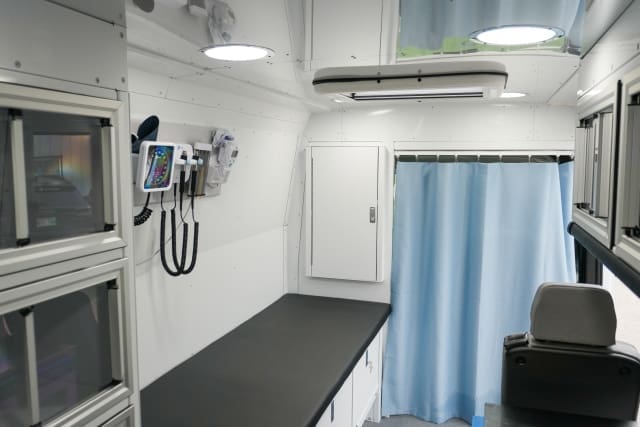
- Mobile medical units: Bringing primary care, dental care, behavioral health, or screenings into smaller communities.
- Telehealth programs: Using video visits, remote monitoring, or satellite internet to reach patients faster.
- Behavioral health services: Expanding crisis response, counseling, or addiction treatment.
- Chronic disease programs: Helping patients manage diabetes, heart disease, and high blood pressure.
- Workforce development: Training and retaining nurses, EMTs, behavioral health providers, and community health workers.
- Partnership programs: Connecting hospitals with schools, tribal communities, senior centers, shelters, and local non-profits.
- Preventive care services: Expanding screenings, vaccines, wellness visits, and health education.
A mobile health unit could play a major role here.
For example, a hospital near Bemidji could use a mobile medical unit to bring behavioral health visits and substance use screenings to tribal communities and schools. A provider in southern Minnesota could use a mobile clinic to offer mammograms, blood pressure checks, and diabetes screenings in smaller towns that no longer have local clinics.
Those projects fit closely with the broader goals of the Big Beautiful Bill Rural Health Transformation Program because they help improve access, reduce travel barriers, and build stronger local care systems.
What are the funding and project dates for the Minnesota Rural Health Transformation Program?
The Minnesota Department of Health received about $193 million for the first budget period of the Rural Health Transformation Program. The federal $50 Billion Rural Health Transformation Program can provide funding over five budget periods between 2026 and 2030.
For hospitals, the estimated maximum award in the first budget period is $1.4 million. There are around 94 expected hospital awards statewide. Hospitals can request up to the maximum amount.
Here are some of the key dates:
- Grant opportunity released: March 18, 2026.
- Application deadline: May 15, 2026 at 4:30 p.m. Central Time.
- Grant agreements begin: May and June 2026.
- Grant agreements end: October 30, 2030.
- Technical assistance request deadline: April 20, 2026.
- Question submission deadline: April 20, 2026 at 4:30 p.m. Central Time
There is also no match requirement for this Rural Health Transformation Grant. That can make a big difference for hospitals that want to launch a project but do not have extra money sitting in the budget.
How does the Minnesota Rural Health Transformation Program selection process work?
The nice thing about this funding is that you’re not fighting against every other rural hospital in Minnesota for a limited number of awards. If your organization is listed as an eligible hospital in Attachment A, and you submit a complete application on time, you can apply for your share of the funding.
That can take some pressure off.
You don’t need a flashy presentation or a giant grant-writing team. What matters most is showing that your project fits the goals of the Minnesota Rural Health Transformation Program and that you have a realistic plan to use the money in a way that improves care in your community.
What will Minnesota look for when reviewing your application?
Even though this is a formula-based program, Minnesota still reviews each application carefully before approving funding.
The state will want to see that:
- Your hospital is eligible
- Your project fits one or more approved Rural Health Transformation Program activities
- Your budget is realistic
- Your timeline makes sense
- Your work plan is clear
- Your project can help improve access, workforce, partnerships, or health outcomes
The application also asks you to explain your organization, the community you serve, and the barriers patients face today.
For example, if you’re a rural hospital in northern Minnesota, you may explain that patients travel long distances for behavioral health services or specialty care. If you are in southwestern Minnesota, you may describe transportation issues, older populations, workforce shortages, or a lack of nearby preventive care.
This is where mobile care can become especially relevant.
A mobile medical unit may help fill gaps for:
- Diabetes screenings in farming communities
- Behavioral health visits in schools
- Prenatal care in remote areas
- Dental care in small towns
- Mammography screenings closer to home
- Community paramedicine and outreach
Minnesota wants to see that your project is connected to real local needs and that it can make a lasting difference.
What information do you need to include in the application?
The application is broken into several sections. Each one helps Minnesota understand who you are, what you want to do, and how you plan to spend the funding.
You will need to provide:
- Organization information: Basic details about your hospital and who will manage the grant.
- Project information: A short summary of the project, the funding amount requested, and the timeline.
- Organization background: Information about your service area, population, and current barriers to care.
- Activity selection: The Rural Health Transformation Program activities you want to focus on.
- Activity details: More explanation about your goals, outcomes, and how the work will happen.
- Budget information: Expected costs for staff, equipment, contracts, supplies, travel, and other approved expenses.
- Attachments: Required documents such as budget forms and conflict of interest disclosures.
Minnesota also asks applicants to submit a detailed work plan and budget for the first budget period. Then, if the program continues into future years, you will submit updated work plans and budgets every year.
How should you build a strong Minnesota Rural Health Transformation Program application?
A strong application is usually simple, clear, and grounded in local needs.
Try to focus on the gap you are trying to close.
For example, you might say:
Families in our region drive up to 90 minutes for behavioral health services. Our goal is to bring counseling and substance use support closer to patients through a mobile clinic partnership.
That tells the reviewer:
- What the problem is
- Who it affects
- Why it matters
- How you plan to fix it
It also helps to include numbers when possible.
You may want to mention:
- The size of your service area
- Local provider shortages
- Missed appointment rates
- Average travel times for care
- Mental health needs
- Population growth or aging trends
The more specific you are, the easier it is for the reviewer to understand why your project matters.
A clear project timeline also helps.
For example:
| Phase | Example timeline |
| Planning and partnerships | June to August 2026 |
| Vehicle purchase or equipment setup | August to October 2026 |
| Staff training | October to November 2026 |
| Community outreach | November to December 2026 |
| Program launch | January 2027 |
That kind of structure shows that you have thought through the project in a practical way.
How do you submit a Minnesota Rural Health Transformation Program application?
Applications are accepted and reviewed on a rolling basis through May 15, 2026, at 4:30 p.m. Central Time through the online grants portal. Minnesota recommends applying early because grant agreements may begin earlier for applicants who submit earlier in the process.
Applications must be submitted through the online grants management system used by the Minnesota Department of Health. The state also provides an application packet, guidance materials, and required forms on the Rural Health Transformation Funding website.
Before you submit, make sure you have:
- Completed all required application sections
- Added your detailed work plan
- Added your budget and budget narrative
- Included all required attachments
- Signed any required certifications and disclosures
- Reviewed your project for accuracy and completeness
Check out the ORHPC grantee guide for more information.
A rushed application can lead to missing details, and that may slow down the approval process.
What support is available during the application process?
Minnesota knows that some hospitals may need help while building their applications.
The Office of Rural Health and Primary Care offers technical assistance meetings through Microsoft Teams. You can request help through an online form, and meetings are usually scheduled within two weeks. Technical assistance requests should be submitted by April 20, 2026. Questions should also be sent by April 20, 2026, at 4:30 p.m. Central Time.
Taking advantage of those resources can make the application process feel much less overwhelming. And when you are talking about a Rural Health Transformation Fund opportunity that could bring care closer to people across rural Minnesota, a little extra guidance can go a long way.
Ready to use the Minnesota Rural Health Transformation Program?

You came to this article because rural patients are still driving too far for care, missing appointments, or going without services altogether. You also know that launching a new program takes money, and finding the right funding source can feel like a full-time job on its own.
After reading this article, you now know:
- How the Minnesota Rural Health Transformation Program works
- Who can apply, and what projects are eligible
- What the selection process and deadlines look like
- How mobile care can help close rural health gaps
- What next steps to take if you want to apply
At AVAN Mobility, we’ve worked with healthcare providers, non-profits, counties, and outreach teams across the U.S. that started in the same place you may be in today. They knew there was a gap in care, but they needed a practical way to close it. Our team takes the time to understand your region, your goals, and the people you serve before we ever talk about layouts or floor plans. We believe better access to healthcare can change lives, and we are proud to help organizations create that change one community at a time. If you have questions, click the button below to talk to a mobility expert.
Recommended next reads
- A guide on securing grants for mobile health clinics in the U.S.: This article can help you find other grant programs and funding sources if you want to build on your Rural Health Transformation Grant plans.
- Top 10 tips on fundraising for a Mobile Clinic Van: This article is a good next step if you need to combine grant funding with donations, sponsorships, or community fundraising.
- How to choose a mobile medical van: This article can help you understand what type of mobile medical unit may fit your program, budget, and community needs best.