The Georgia Rural Health Transformation Program could play a major role in helping rural communities get care faster and closer to home. Across Georgia, many patients still travel long distances for care, especially in places like South Georgia, East Georgia, and the Appalachian region. In fact, Georgia ranks third in the country for rural hospital closures, with nine rural hospitals shutting down since 2010.
If you’re a healthcare organization in Georgia, you may already feel that pressure. Your patients miss appointments because they cannot get transportation. Your staff is stretched thin. Building a new clinic can take years and cost millions. A mobile medical unit can help fill that gap much faster by bringing care directly into communities like Albany, Tifton, Bainbridge, Waycross, and Dublin.
At AVAN Mobility, we’ve spent more than 10 years helping healthcare organizations, governments, and nonprofits bring care closer to the people they serve. We’re Ford Pro Upfitter and Stellantis QPro certified, and we’ve worked with organizations across the U.S. to reduce barriers to healthcare. Your mission drives you. Ours is to support it. We know there are other manufacturers out there, too, so the right fit depends on your goals, your patients, and the care you want to provide.
In this article, you’ll learn:
- What the Georgia Rural Health Transformation Program is
- Who Georgia’s rural health target population includes
- What goals Georgia wants to achieve
- How Rural Health Transformation Funding in Georgia can support mobile care
- What the timeline and expected outcomes look like
What is the Georgia Rural Health Transformation Program?
The Georgia Rural Health Transformation Program is a plan to help people in rural Georgia get better access to care.
It’s led by the Georgia Department of Community Health and supported by several state agencies, health groups, and rural healthcare partners. Georgia calls its plan GREAT Health, which stands for Georgia’s Rural Enhancement and Transformation of Health program.
Georgia received more than $218 million in Rural Health Transformation Funding for the first stage of the program. That money is meant to help rural hospitals, clinics, healthcare workers, and community programs.
The goal is simple. It’s about helping people live longer, stay healthier, and get care closer to home.
If you’re a healthcare provider in Georgia, you may already see the problem every day. Patients miss appointments because they can’t get a ride. Some wait too long to get care because the nearest clinic is hours away. Others give up because they can’t take time off work.
That’s the gap the Georgia Rural Health Transformation Program is trying to close.
How does the Georgia Rural Health Transformation Program work?
The program focuses on five main areas:
- Stronger rural health systems: Helping hospitals and clinics stay open and improve care.
- Better care services: Expanding mental health care, emergency care, newborn screenings, and nutrition support.
- More access to care: Bringing more primary care, dental care, specialty care, and behavioral health services to rural areas.
- More healthcare workers: Creating programs that bring more doctors, nurses, and therapists into rural Georgia.
- Better technology: Supporting telehealth, electronic records, AI tools, and stronger cybersecurity.
For example, imagine you’re running a health center in South Georgia. Your patients may drive over an hour to see a mental health provider. A Rural Health Transformation Grant could help you launch a mobile counseling unit with telehealth tools. That means patients could get help closer to home instead of spending half the day on the road.
That can make a real difference in places like Valdosta, Tifton, Thomasville, and smaller towns across the state.
Next, it helps to look at who Georgia is trying to reach through the Rural Health Transformation Program.
What are Georgia’s rural health needs and target population?
The Georgia Rural Health Transformation Program is focused on 126 rural counties and rural parts of counties across the state. That includes large parts of South Georgia, Central Georgia, East Georgia, and mountain communities in the north.
Georgia has about 2.4 million people living in rural areas. Many of these communities face higher poverty rates, lower incomes, lower education levels, and fewer health services than people living in cities.
For healthcare providers, that creates a difficult situation.
You may be serving patients who:
- Can’t get reliable transportation
- Can’t afford to miss work for an appointment
- Can’t find a nearby doctor, pediatrician, or mental health provider
- Can’t travel long distances for regular care
- Can’t get help until a health problem becomes an emergency
That’s a major reason why Rural Health Transformation Funding in Georgia matters so much.
Why does rural Georgia need more access to care?
Many rural areas of Georgia lack sufficient healthcare providers.
According to the Georgia Board of Health Care Workforce:
- 82 Georgia counties do not have an OB-GYN
- 63 counties do not have a pediatrician
- 41 rural counties do not have an internal medicine doctor
- 19 counties do not have a family medicine doctor
- 53 rural counties do not have a hospital
That means people often have to drive an hour or more for care. In some areas, pregnant women may have to travel across multiple counties just to reach a birthing center. Georgia has no birthing facilities in 108 of its rural counties and rural county areas.
Think about a family living in rural Southwest Georgia near Bainbridge or Blakely. If their child gets sick, they may have to leave work, drive a long distance, and spend most of the day trying to get care. That’s hard on families and hard on healthcare systems, too.
Which populations are most affected by the Georgia Rural Health Transformation Program?
The Rural Health Transformation Fund is meant to help the people who face the biggest barriers to care.
That includes:
- Older adults living with Alzheimer’s or dementia
- Children who need pediatric care
- Pregnant women and new mothers
- People with chronic conditions like heart disease, cancer, stroke, and diabetes
- People who need mental health or addiction support
- Low-income families without reliable transportation
- People living in counties with no hospitals or limited healthcare services
Older adults are a major focus. Around 188,300 older adults in rural Georgia are living with Alzheimer’s or another type of dementia. Many are diagnosed late because they cannot get regular screenings or specialist care.
Mental health is another major issue. Suicide rates are higher in rural Georgia than in urban areas. Rural residents are also more likely to die from heart disease, stroke, cancer, and chronic lung disease.
That’s where a Rural Health Transformation Grant can help. A mobile medical unit can bring care directly into smaller communities. That could mean a mobile primary care clinic in East Georgia, a counseling van in South Georgia, or a women’s health unit serving rural counties near Macon.
Next, it helps to look at the goals and strategies behind the Georgia Rural Health Transformation Program and how Georgia plans to put this funding into action.
What are the goals and strategies of Georgia’s Rural Health Transformation Program?
The Georgia Rural Health Transformation Program has five main goals. Each goal is meant to solve a major problem that rural healthcare providers face every day.
Georgia wants rural residents to live longer, stay healthier, and get care closer to home. The state also wants rural hospitals, clinics, and healthcare organizations to be stronger and more stable in the long run.
Goal 1: Build stronger rural healthcare systems
The first goal is to help rural hospitals, clinics, FQHCs, and Rural Health Clinics prepare for a new value-based care model called AHEAD.
Many rural providers are under pressure. They are dealing with staffing shortages, lower patient volumes, aging buildings, and tight budgets.
The Georgia Rural Health Transformation Program wants to help providers:
- Identify service gaps
- Improve financial stability
- Get technical support
- Prepare for value-based care contracts
- Reduce the risk of hospital closures
This part of the Rural Health Transformation Funding is especially important for smaller hospitals and clinics that are already operating on thin margins.
Goal 2: Improve overall health in rural Georgia
The second goal focuses on helping people stay healthy before small problems turn into major health issues.
Georgia plans to invest in:
- Newborn screenings
- Brain injury support
- Nutrition programs
- Maternal health services
- Support for children with autism
For example, a healthcare provider in rural Georgia could use a Rural Health Transformation Grant to launch a mobile health program that offers diabetes screenings, blood pressure checks, prenatal care, or counseling services closer to home.
That’s important because many people in rural Georgia wait too long for care due to travel, cost, or lack of local services.
Goal 3: Increase access to care
The third goal is one of the biggest parts of the Georgia Rural Health Transformation Program.
Georgia wants to increase access to:
- Primary care
- Specialty care
- Dental care
- Behavioral health
- Preventive screenings
- Maternal care
The state plans to do this through telehealth, mobile medical units, telehealth pods, and stronger rural hospital support.
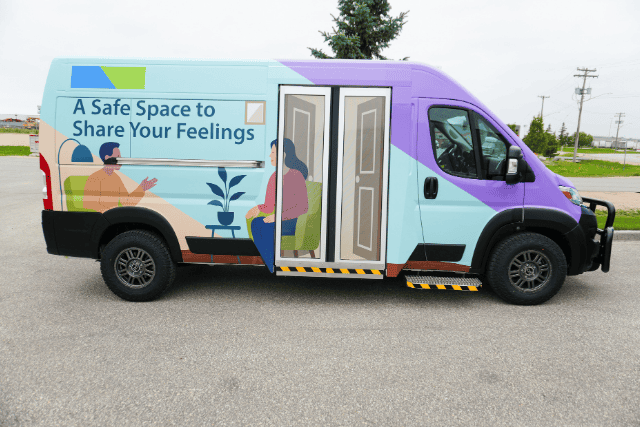
For example, a mobile clinic could travel through counties in South Georgia where there are no nearby providers. A counseling van could help patients get mental health support without driving hours for an appointment.
Georgia also plans to place obstetric carts in rural emergency departments that do not deliver babies. That can help improve maternal care and emergency birth outcomes.
Goal 4: Build a stronger healthcare workforce
The fourth goal is to bring more healthcare workers into rural Georgia.
That includes:
- Doctors
- Nurses
- Paramedics
- Mental health providers
- Dentists
- Specialists
Georgia plans to offer scholarships, training programs, incentives, and graduate medical education support to encourage more providers to work in rural communities.
The state also wants to build a pipeline of future healthcare workers through schools, colleges, and Area Health Education Centers.
Goal 5: Use technology to improve care
The fifth goal is focused on technology.
Georgia wants rural healthcare providers to have better tools to improve care, save time, and make services easier to access.
That includes:
- Artificial intelligence
- Cybersecurity upgrades
- Remote patient monitoring
- Robotics for surgery
- Telehealth-equipped EMS units
The state also wants providers to use more data-driven tools to spot health risks earlier and improve care before a patient ends up in the emergency room.
By 2031, the Georgia Rural Health Transformation Program hopes to reduce death rates, lower hospital readmissions, improve preventive screenings, and increase healthcare access for rural residents across the state.
How can Rural Health Transformation Funding help improve access to care with mobile medical units?
One of the biggest goals of the Georgia Rural Health Transformation Program is to bring care closer to people.
For many rural communities, that is a major challenge.
Some counties in Georgia do not have a hospital. Others do not have a family doctor, OB-GYN, pediatrician, or mental health provider. Patients may have to drive an hour or more for a simple appointment.
That’s where mobile medical units can make a real difference.
The Rural Health Transformation Program specifically calls for more mobile health units, telehealth tools, and outreach programs to improve access to primary care, specialty care, dental care, behavioral health, and preventive screenings.
Mobile medical units can bring care directly into rural communities
A mobile medical unit gives healthcare providers a way to bring care into communities where building a full clinic may not make sense.
For example, a mobile clinic could visit:
- Small towns in South Georgia without nearby providers
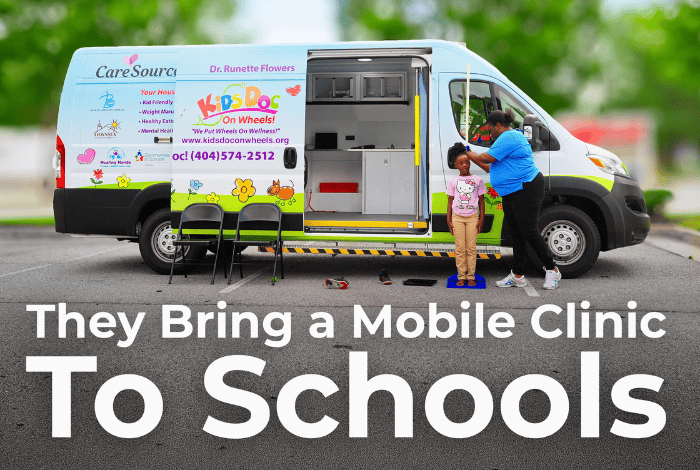
- Schools in rural counties
- Churches and community centers
- Tribal or underserved communities
- Areas hit by hospital closures
That means patients can get care much closer to home.
A mobile unit could be used for:
- Primary care visits
- Women’s health services
- Mammograms and cancer screenings
- Dental care
- Mental health counseling
- Diabetes and blood pressure checks
- Telehealth appointments with specialists
For a patient in rural Southwest Georgia, that can mean the difference between getting care and putting it off for another six months.
Telehealth can make mobile care even stronger
Georgia also plans to expand telehealth through point-of-care pods, better internet access, and more virtual specialist visits. Mobile medical units can support that goal, too.
A mobile clinic with telehealth equipment can connect patients to providers in Atlanta, Augusta, Savannah, or Macon without requiring patients to travel there themselves.
For example, a patient in a small town near Tifton could meet with a cardiologist through a telehealth screen inside a mobile clinic parked outside their local community center.
That can save hours of driving and reduce missed appointments.
Georgia’s Rural Health Transformation Funding also supports telehealth for pediatric psychiatry, postpartum behavioral health, and specialist consultations between providers.
Mobile care can help providers grow faster
For healthcare organizations, mobile medical units can also be a practical way to expand services faster.
Building a new clinic can take years. A mobile clinic can often be deployed much faster and can serve multiple communities on a rotating schedule.
That gives providers a way to:
- Reach more patients
- Test new service areas
- Expand into rural counties
- Reduce overcrowding at existing clinics
- Support value-based care goals
What is the timeline and expected outcomes of the Georgia Rural Health Transformation Program?
The Georgia Rural Health Transformation Program officially started in early 2026. Georgia plans to roll out the program in phases through 2031.
That may sound like a long timeline, but the program is designed to build lasting change instead of quick fixes.
The first steps focus on hiring staff, bringing in partners, reviewing rural healthcare gaps, and figuring out which counties and providers need support first.
The first phase focuses on assessments and planning
In the early stages, Georgia plans to:
- Assess hospitals and clinics across rural Georgia
- Identify service gaps and financial risks
- Prepare providers for the AHEAD value-based care model
- Review where mobile clinics, telehealth pods, and hospital upgrades are needed most
- Begin planning for workforce shortages, technology needs, and patient access gaps
That means providers in areas with the biggest needs could start seeing opportunities for Rural Health Transformation Funding first.
For example, if a county has no hospital, no OB-GYN, and no local mental health provider, it may become a higher priority for mobile health programs or telehealth expansion.
The middle phase focuses on launching services
Once Georgia completes those early assessments, the next phase is focused on getting services into communities.
That includes:
- Launching mobile medical units
- Expanding telehealth
- Purchasing ambulances and transport vans
- Upgrading equipment and electronic medical records
- Expanding maternal care and newborn screening programs
- Funding scholarships and workforce incentives
- Creating more local healthcare partnerships
This is also when healthcare organizations will likely start applying for Rural Health Transformation Grants and other rural health transformation funding opportunities.
For providers, this is where the program becomes very real. A hospital could launch a mobile mammography unit. An FQHC could add a mobile dental clinic. A behavioral health provider could start a counseling van program.
The final phase focuses on long-term growth
The last phase of the Georgia Rural Health Transformation Program is focused on growing programs that work and improving them over time.
Georgia plans to keep measuring results and invest more in the services that have the biggest impact.
By 2031, Georgia hopes to:
- Increase healthcare access for 10% more rural residents
- Reduce travel time for appointments
- Lower death rates in rural communities by 15%
- Reduce hospital readmissions in 75% of rural hospitals
- Increase the number of primary care providers in rural areas by 20%
- Improve preventive screening rates across participating counties
At the end of the day, the goal is simple. Georgia wants people in rural communities to get care sooner, stay healthier longer, and spend less time driving just to see a doctor.
Ready to use the Georgia Rural Health Transformation Program?

You came to this article because rural healthcare in Georgia is getting harder to deliver. Patients are traveling too far, hospitals are under pressure, and your team may be trying to do more with fewer resources.
Now you know that the Georgia Rural Health Transformation Program could help close those gaps through Rural Health Transformation Funding, telehealth, workforce support, and mobile medical units.
You learned:
- Which rural communities Georgia is focusing on
- What health gaps the state wants to solve
- How mobile medical units can improve access to care
- What goals Georgia has for telehealth, staffing, and prevention
- What the program timeline and expected outcomes look like
Our team at AVAN Mobility has been helping healthcare organizations like yours bring care closer to the people who need it for over a decade. We design mobile medical units around your services, your patients, and your community goals. Our team of certified experts understands how to build vehicles that work in the real world, from rural roads in South Georgia to underserved counties near Macon or Augusta. We’ve worked with organizations launching their first mobile program and others expanding existing outreach services.
At the end of the day, this work is about helping more people get care with less stress, less travel, and fewer barriers. If you have questions about starting a mobile health program, click the button below to talk to a mobility expert.
If you’re not ready to talk to a mobility expert yet, we have a few other resources that can help you take the next step.
Recommended next reads
- A guide on securing grants for mobile health clinics in the U.S.: This article can help you understand where to find more funding sources beyond the Georgia Rural Health Transformation Fund.
- How much does a mobile medical unit cost in the U.S.? This article helps you understand the cost of a mobile medical unit and the factors that can affect pricing.
- Top 5 tips on how to start a mobile medical clinic: This article walks you through the first steps of launching a mobile healthcare program in your community.