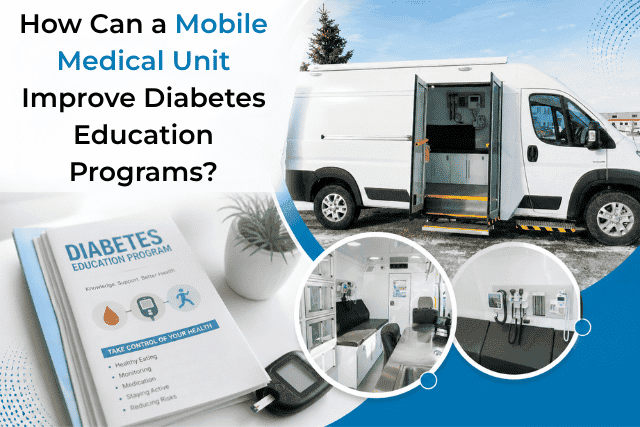
Did you know that over 40 million Americans live with diabetes, and many still struggle to access consistent education and support? According to the Centers for Disease Control and Prevention, diabetes remains one of the most widespread chronic conditions in the U.S. If you’re responsible for delivering diabetes education programs, you’ve likely felt this gap firsthand.
Patients miss appointments. Rural communities go underserved. Education gets delayed, and small setbacks turn into serious health risks. You want to reach more people, offer better diabetes patient education, and actually see outcomes improve. But without the right approach, it can feel like you’re always one step behind.
At AVAN Mobility, we’ve spent over a decade helping healthcare teams close that gap. We’ve built more than 180 mobile medical units used across the U.S., working with organizations like CalOptima and the Community Clinic of Southwest Missouri. Your mission drives you. Ours is to support it. We design vehicles that help you reach more people with dignity and care. And while we’re proud of that work, we know there are other paths and providers out there, too.
In this article, you’ll learn:
- The current state: What diabetes looks like across the U.S.
- The barriers: Why patients struggle with education in diabetes.
- The solution: How mobile medical units improve diabetes education programs.
What does the current state of diabetes education programs in the U.S. really look like today?
When you look at diabetes education programs across the U.S., the numbers tell a story that’s hard to ignore. Diabetes isn’t slowing down, and in many places, it’s speeding up.
We mentioned earlier that over 40 million Americans live with diabetes. In addition to that, about 1 in 5 don’t even know they have it. On top of that, more than 97 million adults have prediabetes, which often leads to type 2 diabetes if nothing changes.
Here’s a quick snapshot:
| Key stat | What it means for you |
| 40M+ Americans with diabetes | Growing demand for diabetes education services |
| 97M with prediabetes | Huge need for early education on diabetes |
| 1 in 5 undiagnosed | Many patients missing diabetes patient education |
| $413B annual cost (ADA) | High financial pressure on healthcare systems |
Simple truth: The need for strong diabetes education programs has never been higher.
Now think about your own program. You’re likely seeing more patients each year. More questions. More urgency around type 2 diabetes education and long-term care.
Where is diabetes hitting hardest across the country?
Diabetes doesn’t affect every region the same way. Some areas carry a much heavier burden, which changes how diabetic education for patients needs to be delivered.
- The Southeast (Mississippi, Alabama, West Virginia): Among the highest diabetes rates in the country.
- Rural Midwest communities: Limited access to diabetes education classes and specialists.
- Southwest and border states: Higher rates tied to income and access gaps.
- Urban underserved areas: High population density, but still limited diabetes education options.
Picture a patient in rural Texas. They’ve just been diagnosed with type 2 diabetes. The nearest diabetes education program might be over an hour away. Between work, family, and transportation, attending regular diabetes education classes becomes unrealistic. So education gets delayed, and small habits that could’ve changed early on turn into long-term complications.
That’s the reality many communities face.
Are diabetes education services keeping up with demand?
Short answer: They’re trying, but it’s tough.
There are thousands of certified educators across the U.S., often called Certified Diabetes Care and Education Specialists (CDCES). If you’ve ever asked, ‘What does a diabetes educator do?’, they guide patients through:
- Diabetic diet education and meal planning
- Blood sugar monitoring and insulin use
- Lifestyle coaching and habit changes
- Ongoing patient education and diabetes support
But even with these professionals, access is uneven.
Key challenges in today’s system:
- Limited availability: Many patients search “diabetes education near me” and come up short.
- Time constraints: Providers are stretched thin.
- Low attendance rates: Patients miss or drop off from programs.
- Resource gaps: Not enough engaging diabetes education handouts or follow-up tools.
Even when diabetes education services are offered, they don’t always reach the people who need them most.
What does this mean for type 2 diabetes patient education moving forward?
The rise in type 2 diabetes patient education needs is clear. What’s less clear is how to meet those needs in a way that actually works for real people.
You’re likely seeing:
- More patients needing diabetes food education early
- Increased demand for simple, easy-to-follow free diabetes education handouts
- A shift toward flexible, community-based education in diabetes
Bottom line: The current system is doing a lot of good, but gaps still exist between education and access.
And that leads to the next question you’re probably already thinking about… where exactly are those gaps showing up for patients trying to get the help they need?
What barriers are preventing people from attending diabetes education programs?
You already know how important diabetes education programs are. The challenge isn’t the value. It’s getting people through the door. Across the U.S., patients want help with diabetes patient education, but real-life barriers keep getting in the way. And when education is delayed, health outcomes often follow the same path.
Let’s break down the biggest barriers you’re likely seeing today, starting with one of the most common.
1. Access and distance
For many patients, the biggest hurdle is simple. Getting there.
If someone searches “diabetes education near me” or “diabetic education near me,” they might not find anything nearby. This happens often in rural parts of the U.S., from the Midwest to the Deep South. Even in larger states like Texas or California, services can be spread out.
Here’s what that looks like in real life:
- Long travel times: 60 to 90 minutes for diabetes education classes.
- Limited transportation: No reliable vehicle or public transit.
- Weather challenges: Snow, heat, or storms cancel plans quickly.
- Time trade-offs: A full day lost for one appointment.
Now picture this: A patient in rural Oklahoma is diagnosed with type 2 diabetes. They’re told to attend a diabetes education program. The closest option is over an hour away. Between gas costs, work, and family, it feels like too much. So they delay it. Then delay it again.
Instead, they rely on scattered online advice or outdated diabetes education handouts. Some information helps. Some confuse them. Without clear diabetes patient education, small habits start going in the wrong direction.
Without consistent education in diabetes, patients may:
- Struggle with diabetic diet education
- Miss early warning signs
- Feel unsure about medications
- Lose confidence in managing their condition
Even the best diabetes education services can’t help if patients can’t reach them.
How can mobile medical units eliminate the distance barrier for diabetes education?
This is where things start to shift.
Instead of asking patients to travel long distances, organizations like yours can bring diabetes education programs directly into the community. A mobile medical unit allows you to meet patients where they already are.
Think about placing care in:
- Local community centers
- Church parking lots
- Schools and workplaces
- Rural towns with limited healthcare access
Same patient, different outcome: That patient in Oklahoma no longer needs to drive an hour. The mobile unit is parked 10 minutes away. Maybe even at their workplace. Attending diabetes education classes now feels possible.
Here’s what changes when distance is removed:
- Higher attendance: Patients are far more likely to show up.
- Better engagement: Familiar environments feel less intimidating.
- More consistent learning: Ongoing type 2 diabetes education becomes realistic.
- Stronger trust: Care feels personal and accessible.
Mobile units also create space for hands-on learning. You can deliver diabetes food education, offer simple free diabetes education handouts, and provide real-time coaching.
And it’s not just about convenience. It’s about dignity.
Patients don’t feel like they’re chasing education anymore. It comes to them.
When you close the distance gap, you open the door to better patient education and diabetes outcomes.
2. Time, work, and life demands
Even when a diabetes education program is close by, time becomes the next barrier. Your patients are balancing work, family, and daily responsibilities. Adding scheduled diabetes education classes into that mix can feel like too much to handle.
Here’s what many patients are dealing with:
- Hourly jobs: Missing work often means losing income.
- Shift work: Nights, weekends, or rotating schedules don’t match class times.
- Childcare: Finding coverage isn’t always possible.
- Packed schedules: Doctor visits, errands, and family needs compete for attention.
For example: A delivery driver in Chicago gets referred to a diabetes education program. Classes run during weekday mornings. That’s when they’re out on the road earning a living. Rescheduling isn’t easy, and taking time off isn’t realistic. So they keep pushing it off.
Over time, this creates a different kind of gap. It’s not about distance. It’s about timing.
Patients may:
- Struggle to attend regularly scheduled diabetes education services
- Miss out on ongoing type 2 diabetes education support
- Feel rushed or distracted during sessions
- Drop off after one visit because it doesn’t fit their routine
Even the most well-run diabetic education for patients won’t stick if it feels like an interruption to daily life.
How can mobile medical units make diabetes education programs fit into real life?
This is where your approach can shift from rigid to flexible.
Instead of asking patients to rearrange their lives, a mobile medical unit lets you bring diabetes education programs into their day. You can show up where people already are, at times that make sense for them.
Think about placing services:
- Near job sites during shift changes
- At grocery stores during busy evening hours
- At community centers on weekends
- In neighborhoods where patients live and work
Same patient, different outcome: That delivery driver in Chicago now sees a mobile unit parked near a distribution center at the start of their shift. They can stop in for a quick session, grab helpful diabetes education handouts, and ask questions without missing work.
What changes when time becomes flexible:
- More participation: Patients can attend without sacrificing income.
- Short, consistent visits: Learning happens in smaller, manageable steps.
- Real-world coaching: Conversations around meals, routines, and habits feel practical.
- Stronger connections: Patients build trust through repeated, convenient visits.
Mobile units also support quick, focused interactions. You can deliver diabetes food education, provide free diabetes education handouts, and reinforce key points over time.
And most importantly, patients feel understood.
They don’t have to choose between their responsibilities and their health. With a mobile unit, meet them where they are, at the right time, in a way that actually fits.
3. Awareness and understanding gaps
Even when access and timing are solved, there’s another barrier that’s less obvious. Many patients don’t fully understand what a diabetes education program is or why it matters for their day-to-day life.
Some think it’s a one-time class. Others assume it’s only for severe cases. And many simply don’t know these services exist.
Here’s what often happens:
- Low awareness: Patients don’t know where to find diabetes education services.
- Unclear value: They’re unsure what they’ll actually learn.
- Information overload: Conflicting advice online creates confusion.
- Fear of judgment: Some worry they’ll be lectured or feel embarrassed.
Think about this: A newly diagnosed patient in Los Angeles hears about a diabetes education program from their doctor. They nod and say they’ll look into it. Later, they search online and see mixed messages about diets, medications, and routines. It feels overwhelming. Without a clear path, they decide to “figure it out” on their own.
This is where many patients stall.
They might download random free diabetes education handouts, watch a few videos, or try different diets without guidance. But without structured education on diabetes, it’s hard to know what’s right for their body.
What does a diabetes education program do? This is a question that isn’t clear for all patients. They may not realize educators provide ongoing support, practical tools, and coaching that fits their lifestyle.
How can mobile medical units make diabetes education programs easier to understand and trust?
This is where you can close the gap in a very human way.
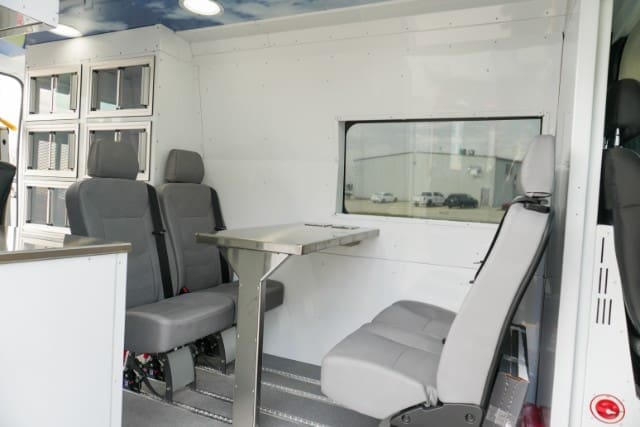
A mobile medical unit gives you a visible, approachable space to introduce diabetes education programs right in the community. It removes the mystery and replaces it with real conversations.
You’re no longer asking patients to search for answers. You’re bringing clarity directly to them.
Here’s how that plays out:
- Walk-up access: Patients can stop by without committing to a full program right away.
- Simple conversations: You can explain diabetes patient education in plain language.
- Hands-on learning: Show how diabetic diet education works with real food examples.
- Trusted presence: Seeing the same team regularly builds comfort and confidence.
Same patient, different outcome: That patient in Los Angeles walks past a mobile unit parked at a local event. They stop out of curiosity. A quick conversation turns into a short session on type 2 diabetes patient education. They leave with clear next steps and easy-to-follow diabetes education handouts.
Now, instead of guessing, they have direction.
Mobile units also give you a chance to meet patients early. Before confusion builds. Before habits set in. You can introduce education in diabetes in a way that feels supportive, not overwhelming.
And that’s the shift.
Patients don’t feel lost or unsure anymore. They feel informed, welcomed, and ready to take the next step.
4. Cost and insurance challenges
Cost is one of the quietest barriers, but it shows up often.
Even when diabetes education programs are available, patients may hesitate because they’re unsure what it will cost. Some assume it’s expensive. Others worry about insurance coverage or hidden fees. That uncertainty alone can be enough to stop someone from signing up.
Here’s what patients are thinking:
- “Is this covered?” Insurance rules for diabetes education services can feel confusing.
- Out-of-pocket concerns: Copays or session fees add up over time.
- Lost income: Taking time off work has a financial impact.
- Value doubts: Patients may question if the program is “worth it”.
For example: A patient in Florida is referred to a diabetes education program after a new diagnosis. They call to ask about costs and hear that coverage depends on their plan. They also look at where it’s located, and it’s two hours away. That uncertainty and distance make them pause. With other bills to manage, they decide to wait. Weeks go by, and the opportunity to start early type 2 diabetes education fades.
What does this lead to?
- Delayed participation in diabetes education classes
- Lower follow-through with ongoing sessions
- Missed chances to build strong habits early
- Increased reliance on scattered, less reliable resources
Even when programs offer great diabetic education for patients, cost concerns can keep people from taking that first step.
How can mobile medical units reduce cost barriers for diabetes education programs?
This is where your delivery model can make a real difference.
A mobile medical unit helps you lower the financial burden in ways that go beyond just program fees. You bring care closer, reduce indirect costs, and create more flexible ways to deliver diabetes patient education.
Here’s how mobile units help ease the cost barrier:
- Reduced travel costs: No long drives means less spending on gas or transit.
- Shorter visits: Patients don’t need to miss full workdays for diabetes education classes.
- Community partnerships: You can collaborate with local groups to offer free or low-cost diabetes education services.
- On-site resources: Provide practical tools like free diabetes education handouts during each visit.
Same patient, different outcome: That patient in Florida sees a mobile unit set up at a local community center. They stop by and learn that sessions are offered at little to no cost through a local partnership. There’s no long trip, no full day off work, and no confusion about what they’ll pay.
Now, getting started feels possible.
Mobile units also give you more control over how education is delivered. You can offer shorter sessions, group learning, or drop-in support. This makes education on diabetes feel accessible and manageable for patients at different stages.
And most importantly, it removes hesitation.
Patients aren’t stuck weighing costs against their health. They can take action right away, with support that fits their budget and their life.
5. Trust and comfort
Even when access, time, and cost are handled, there’s one more barrier that often gets overlooked: Trust.
For many patients, walking into a clinic for diabetes education programs can feel intimidating. It’s unfamiliar. It can feel clinical, rushed, or even judgmental. And when someone is already dealing with a new diagnosis, that added pressure can push them away.
Here’s what patients may be feeling:
- Fear of judgment: Worry about being blamed for their condition.
- Lack of connection: Feeling like just another number in a system.
- Cultural gaps: Education that doesn’t reflect their lifestyle or diet.
- Past experiences: Negative interactions with healthcare providers.
Imagine this: A patient in New York signs up for diabetes education classes. They attend once. The session feels rushed, impersonal, full of medical terms, and not tailored to their daily lives. They leave feeling more overwhelmed than supported. They don’t go back.
This isn’t about the quality of the program. It’s about how it feels to the patient.
When diabetes patient education doesn’t feel personal, patients may disengage. Even the best diabetes education services can fall short if patients don’t feel comfortable asking questions or being open about their habits.
How can mobile medical units create a more trusted and welcoming space for diabetes education programs?
This is where your approach can truly change the experience.
A mobile medical unit creates a setting that feels different from a traditional clinic. It’s closer to home. More familiar. Less intimidating. Much more personalized. And that shift can make a big impact on how patients engage with education in diabetes.
How do mobile medical units help build trust?
- Community presence: Being visible in local neighborhoods makes care feel approachable.
- Consistent faces: Patients see the same educators, building real relationships.
- Comfortable environment: Smaller, quieter spaces feel less overwhelming.
- Culturally relevant care: You can tailor diabetic diet education and messaging to the community you’re serving.
Same patient, different outcome: That patient in New York sees a mobile medical unit parked at a neighborhood event. They stop by casually and decide to step in. The one-on-one conversation feels relaxed. There is no one else looking around. The educator speaks in simple terms and listens. They leave with clear guidance and a few helpful diabetes education handouts that they actually understand.
Now, they feel confident coming back.
Mobile units also create space for real conversations. You can take the time to explain type 2 diabetes patient education in a way that connects and answers questions without rushing. You can meet patients where they are, both physically and emotionally.
And that’s the difference.
Patients don’t feel judged or overwhelmed. They feel seen, heard, and supported. When trust is built, engagement follows. And that’s when diabetes education programs start to make a lasting impact.
Ready to improve diabetes education programs and reach more patients?

You came here because your diabetes education programs aren’t reaching as many people as they should. You’re seeing missed appointments, low engagement, and patients slipping through the cracks when they need support the most.
After reading this, you now understand:
- The reality: Diabetes is rising fast across the U.S., and demand for diabetes education services is growing.
- The gaps: Distance, time, cost, awareness, and trust are holding patients back from care.
- The shift: Bringing education in diabetes directly into communities can remove those barriers and improve outcomes.
At AVAN Mobility, we take a hands-on approach to helping you turn these ideas into real-world programs. Our team works closely with healthcare organizations to design mobile units that support everything from diabetes patient education to community outreach and preventive care. We’ve partnered with teams across the country who needed a smarter way to connect with patients, and we’ve helped them build programs that feel practical, scalable, and rooted in real community needs.
At the end of the day, it’s about helping you reach people earlier, build trust faster, and create lasting change in how care is delivered. If you’re ready to take that next step, click below to talk to a mobility expert who can walk through your goals with you.
If you’re not quite there yet, that’s okay. Here are a few next reads that can help you keep moving forward.
Recommended next reads
- How to choose a mobile medical van: Learn all about how to choose the right mobile medical van for your diabetes education program.
- A guide on securing grants for mobile health clinics in the U.S.: Understand funding options that can help bring your mobile diabetes education program to life.
- Can mobile podiatry improve diabetes care outcomes? Learn how mobile podiatry can improve the outcomes for patients with diabetes.