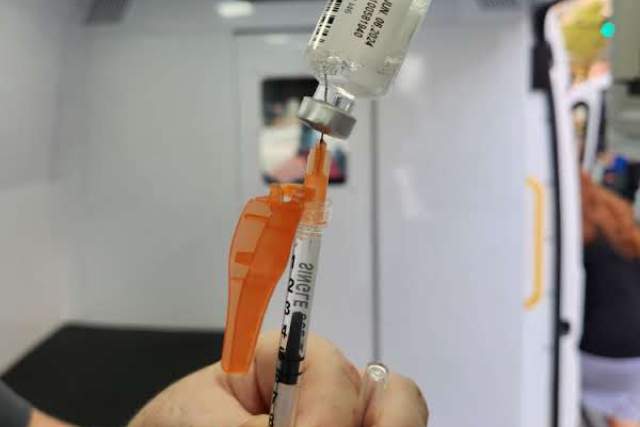
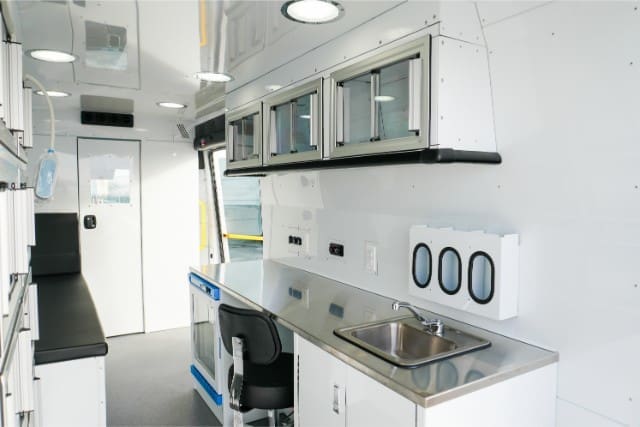
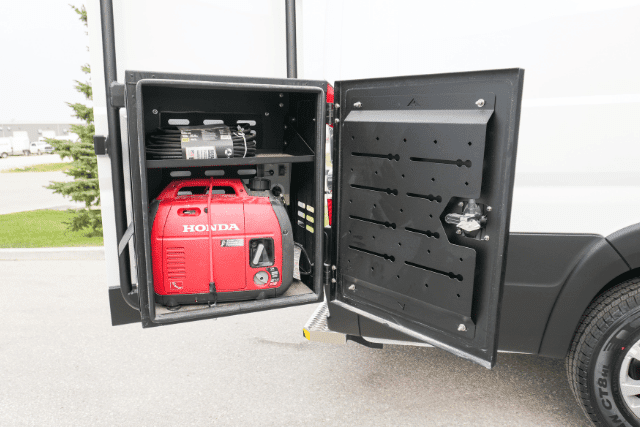
Have you ever worried about how mobile medical van service works when your clinic sits hours from a major city? It’s a real concern for programs in places like Montana, Alaska, New Mexico, and West Virginia. Long drives, rough roads, and few repair shops can make you wonder if a van will stay reliable. You carry the weight of serving people who already face big care gaps, so the idea of missed visits can feel heavy.
The risk is real. Missed care days mean missed medication checks and more people feeling pushed aside. You want a future where your team can count on steady care delivery, even when you’re far from everything. Reliable mobile medical van service brings that sense of calm, consistency, and trust.
For over 10 years, AVAN Mobility has helped health teams across the U.S. reach people in hard-to-access places. We’ve built more than 150 mobile medical units for groups like CalOptima and Pacific Clinics. Our team listens first so your unit fits real life. We hold Ford QVM and Stellantis QPro certifications, too. We also stay objective and know we’re not the only manufacturer, and we want you to feel confident choosing what’s right for your community.
In this article, you’ll learn:
- How mobile medical van service works in remote U.S. regions
- What support looks like after delivery
- Ways programs plan for long distances and tough roads
How does mobile medical van service work in remote U.S. regions?
When you choose a mobile medical van built on a RAM ProMaster chassis, you get something simple to service, even in remote areas and far from big cities. That means if you’re out in a rural county of New Mexico, or driving between small towns in northern Montana or rural Kentucky, you won’t be stuck miles from help.
Why does the RAM ProMaster chassis make it easier to service?
- Parts and mechanics are common. The ProMaster shares many powertrains and components with other RAM/Chrysler vehicles. Many automotive shops already know how to repair these vans.
- Wide dealer network. RAM lists many dealerships across every U.S. region.
- Commercial-vehicle ready. Many RAM dealers and service centers operate in the commercial-vehicle space, so they understand upfits and vans that carry special medical or outreach equipment.
So if your van needs maintenance or a repair after a long outreach run, chances are good you’ll find a shop nearby. Even if you’re working in remote areas, like parts of New Mexico, there are real, accessible options.
Example service options in New Mexico
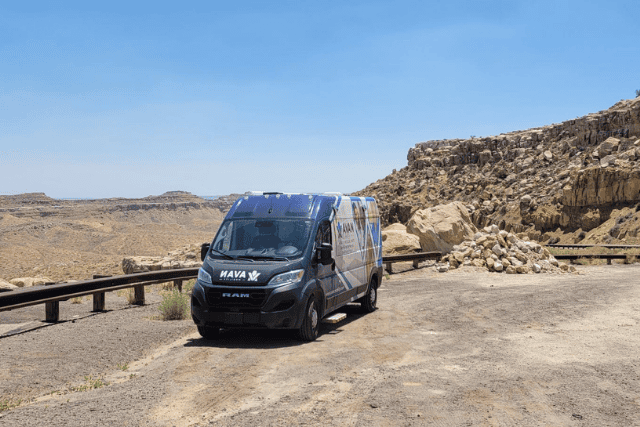
Here are actual RAM dealerships and service shops in New Mexico that support ProMaster vans. This gives you a concrete safety net if your van needs service:
| City/area | Dealer/shop | Relevance/notes |
| Albuquerque, NM | Larry H. Miller Chrysler Jeep Dodge RAM — 8528 Lomas Blvd NE | Big metro, fully equipped service center for vans and trucks |
| Albuquerque, NM | Melloy Chrysler Jeep Dodge RAM — 9621 Coors Blvd NW | Alternative major service center inside metro area |
| Los Lunas / near Santa Fe, NM | Melloy Chrysler Jeep Dodge RAM — 357 Emilio Lopez Rd NW, Los Lunas 87031 | Good option for central New Mexico and Santa Fe region |
| Farmington / NW NM | Advantage Dodge Ram Chrysler Jeep FIAT — 3200 E Main St, Farmington 87402 | Serves rural NW region, helpful if you work near Four Corners or remote tribal areas |
| Las Cruces / southern NM | Viva Chrysler Dodge Jeep RAM FIAT — 860 N Telshor Blvd, Las Cruces 88011 | Covers the southern border region, useful for outreach near El Paso or rural border areas |
| Roswell / SE NM | Richland Chrysler Dodge Jeep RAM — 1309 SE Main St, Roswell 88203 | Useful when serving remote eastern New Mexico communities |
| Clovis / eastern NM | Bender Chrysler Dodge Jeep RAM — 3400 Mabry Dr, Clovis 88101 | Good fallback for eastern plains and border-adjacent regions |
| Ruidoso / southern mountain region NM | Sierra Blanca Motors Chrysler Dodge Jeep RAM — US Highway 70, Ruidoso 88345 | Helps when servicing vans in mountain communities or remote forest towns |
That’s eight real places across New Mexico where your van can get service, from big metro garages to rural-town shops.
What does that mean for your mobile clinic program?
Because RAM ProMaster is common and supported widely, your mobile medical van service ends up being:
- Low-stress. You don’t have to plan around “what happens if we break down in the middle of nowhere.”
- Flexible. You can rely on local garages rather than a specialized vendor shipped from far away.
- Reliable. Routine maintenance and unexpected repairs are manageable with familiar parts and experienced mechanics.
You won’t have to build your care plan around van risk. You can build it around helping people. That keeps your focus where it needs to be, on care delivery, dignity, and access.
Why do some chassis give you fewer reliable van service options?
When you pick a chassis that is less common or more specialty-focused, you may find fewer shops that know how to fix it. That can mean longer waits, longer drives, or having to search hard for a shop willing to take the van in. This becomes a real concern when you run a mobile medical van service in rural or remote parts of the United States.
Here are a few chassis that often create these challenges:
Mercedes-Benz Sprinter
- The Sprinter is known for comfort and high-end features.
- The problem is that many rural shops are not trained on Sprinter systems. Some Mercedes dealers also do not keep Sprinter parts in stock. Reports show that even in a large city like Austin, repairs may take days because parts are not available.
- In smaller towns, shops may decline to make repairs if they don’t have the tools, training, or diagnostic equipment.
Boutique, imported, or low-volume vans
- Vans that are rare, niche, or imported often face even more issues.
- Parts may need to be shipped long distances.
- Local shops may not have experience with the systems.
- Specialty tools may be required, which many small-town shops do not carry.
What does this look like in real life?
| Chassis | Common issues in remote or rural areas |
| Mercedes-Benz Sprinter |
|
| Rare, specialty, or imported vans |
|
| Low-volume commercial vans |
|
Why does this matter for your mobile medical van service?
If your chassis has a thin support network, downtime becomes a bigger issue.
- Delayed care delivery: When the van is in the shop, your team cannot serve patients. People may miss medication checks or screenings.
- Scheduling stress: Outreach routes between towns depend on reliable vehicles. Specialty repairs force you to juggle schedules and push visits back.
- Unexpected costs: More travel, more wait time, and more canceled visits add up fast.
In remote regions, these problems are felt even more. Your community depends on consistent care. Any extra time the van is out of service creates gaps that hit people hard.
How can your team plan ahead for long distances and tough roads?

Running a mobile medical van in remote regions takes heart, planning, and a van that can handle what the road gives you. Some days, you roll into a paved parking lot. Other days, you make your way down a washboard road in northern Arizona, a steep gravel curve in rural Tennessee, or a muddy ranch trail in eastern Oregon. Planning ahead helps your team stay focused on people instead of road stress.
Below is an easy plan you can follow. It keeps your crews safe, your schedule steady, and your outreach days smoother. Most importantly, it will help you avoid potential mobile medical van service visits.
Step 1: Map your full route before you go
Your team should always know the route for the day. This includes the main roads and the backup roads. Most rural areas in the United States have spotty cell service. That means your drivers may not be able to look up directions on the fly.
What to do:
- Download offline maps: Tools like Google Maps or Gaia GPS let you save full areas.
- Check road conditions: Many states post updates online. Alaska, Montana, and New Mexico each update road conditions daily during rough seasons.
- Mark safe stop points: Gas stations, tribal centers, fire halls, and community hubs can give your team a safe place to regroup if the weather changes.
Knowing the road helps your team stay calm when things get bumpy.
Step 2: Create a simple pre-trip checklist
A checklist keeps you from missing something important during a busy morning. When your mobile medical van service heads into rough or remote areas, you want your team to feel ready.
What to check:
- Fluids: Oil, brake fluid, coolant, and transmission levels.
- Tires: Look for tread depth and signs of wear. Cold mornings in places like Wyoming or northern Minnesota can drop tire pressure fast.
- Lights: Headlights, signals, and hazard lights.
- Interior medical gear: Nothing should roll around while driving on rough roads.
- Fuel: Fill up. Remote areas often have long gaps between stations.
A checklist builds confidence. It also helps new staff learn the routine.
Step 3: Prepare a basic roadside kit
Rural roads can be unpredictable. You may face mud, snow, washouts, or even a ranch gate that no one expected. With the right tools, your team can handle small setbacks without losing a whole day of outreach.
Helpful items:
- Small shovel
- Traction boards
- Flashlight
- Tire inflator
- Jump starter
- Simple tool kit
- High visibility vests
- Warm blankets
This kit gives your staff peace of mind. It also keeps everyone safer while they work along the roadside if something comes up.
Step 4: Build a communication plan
In remote places, you’ll not always have cell service. That means you need a plan for how your team checks in.
Easy ways to stay connected:
- Scheduled check-in times: Pick certain times during the day to call in or send a message if service is available.
- Two-way radios: Helpful for short distances or convoy travel.
- Satellite messengers: Devices like Garmin inReach give you text ability anywhere.
A communication plan gives your team a lifeline when service lines drop.
Step 5: Talk with local partners before your visit
Local people know their roads better than any map. Tribal programs, rural health clinics, housing groups, and county offices often know which roads wash out, which ones freeze early, and which routes you should avoid after rain.
Helpful conversations:
- Ask about the safest roads into the community.
- Ask if any livestock or wildlife areas are common along the route.
- Ask what time of day the roads are best to travel.
- Ask about parking space options for a mobile medical van service.
Community partners want your visit to go well. When you ask for guidance, you show respect and strengthen your relationship.
Step 6: Give your staff simple driving guidelines
Drivers don’t need to be experts. They just need to know the basics of handling a larger van on unpredictable terrain.
Guidelines to share:
- Slow down on loose gravel.
- Take wider turns on narrow mountain roads.
- Avoid sudden braking on wet or sandy surfaces.
- Give the van extra room when climbing or descending steep hills.
- Leave extra distance when following another vehicle.
- Stop and look before crossing soft shoulders.
Safe driving helps your team arrive calm and ready to serve.
Step 7: Schedule maintenance around your outreach season
Your mobile medical van service will handle long drives and mixed terrain. Planning maintenance around your busy season helps keep things smooth.
What to plan ahead:
- Seasonal tire checks
- Brake inspections
- Oil changes timed with long rural trips
- Battery checks before winter
- Suspension inspections after long gravel stretches
If you serve people in remote regions, the roads will shape your maintenance plan. Preparing early keeps you on schedule.
Step 8: Build a backup plan for weather
Remote roads can change fast. Snow in Montana. Flash floods in New Mexico. Heavy rain in Mississippi. Dust storms in west Texas.
Build a plan your team can follow if the weather shifts.
Include:
- Alternate travel days
- Secondary routes
- A safe place to wait
- A go or no-go decision time
A backup plan helps you make decisions without feeling rushed.
Step 9: Train staff to report road issues right away
Every outreach day teaches you something new about the roads. When your team reports issues quickly, you can plan better.
Encourage staff to share:
- Road washouts
- Areas with deep ruts
- Steep drop-offs
- Narrow bridges
- Loose gravel sections
- Long stretches with no service
These small details help future trips go smoother.
Step 10: Consider the Trail Edition upgrade
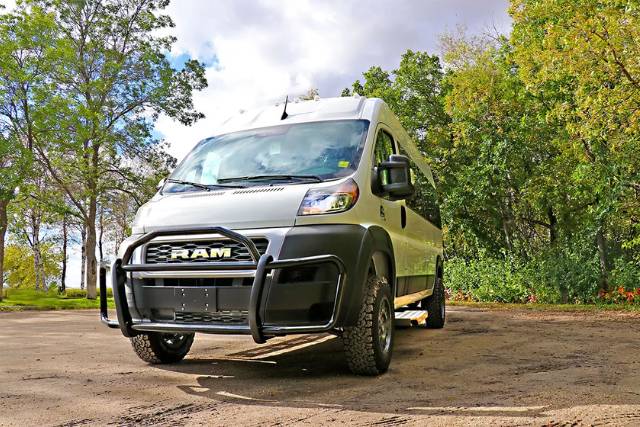
If your mobile medical van takes you into very rural areas, the Trail Edition upgrade can be a strong addition. It helps your van handle rough and uneven terrain. The package brings upgraded suspension, rugged tires, a front grille guard, and extra protection that helps the van handle off-road conditions.
It’s a smart choice for teams who travel through mud, ranch roads, forest access roads, or long gravel stretches. This upgrade gives your team more confidence and keeps you moving in places that would slow a standard van.
Got any questions about mobile medical van service?

You came to this article because you wanted clarity. You wanted to know how mobile medical van service actually works when your team spends long days on rural roads, far from reliable shops or major cities. Additionally, you likely also wanted to understand how to plan for breakdowns, tough terrain, and long distances so your outreach stays steady and your community never feels forgotten.
Here’s a quick look at what you learned:
- How remote service works: You saw how easy it is to get support for a ProMaster chassis across the United States.
- How to prepare for the road: You learned how to plan routes, build checklists, stay connected, and drive safely in rough conditions.
- How to stay ready for anything: You explored the tools, habits, and upgrades that help your van stay dependable in rural regions.
At AVAN Mobility, we’ve spent over a decade helping organizations like yours bring care to people who live far from traditional healthcare. Our team studies the real-world problems that rural and frontier programs face, from long gravel roads to limited repair networks. We design each unit as if it would serve our own families, with a mix of safety, practicality, and compassion.
Every van that leaves our shop is meant to help you reach more people, with fewer worries and more confidence. If you want to talk through your options or figure out your next step, click the button below to connect with a mobility expert who cares about your mission as much as you do.
If you’re not ready to talk to a mobility expert, here are a few helpful next steps to keep learning.
Recommended next reads
- How much does a mobile medical unit cost in the U.S.? Understanding cost is the natural next question when you know service and reliability are covered.
- A guide to mobile medical van service: This deep dive shows the full picture of maintenance and support, helping you plan long term.
- Payment options for mobile medical vans: Once you know what you want, this guide helps you understand payment options.