Updated: May 20, 2026
Over 6.5 million people in the U.S. live with chronic wounds each year. That means many face risks like infections, amputations, or long hospital stays. You might feel worried for your patients stuck without timely care, and know that delay hurts people and costs money. You want to bridge that gap. Learning how to start a mobile wound care business means you can bring help right where your patients are. That change could mean faster healing and real relief.
At AVAN Mobility, we’ve been building life-saving mobile clinics for more than 10 years. We’re trusted by healthcare networks, governments, and non-profits across the U.S., from CalOptima in Southern California to community health programs in Southwest Missouri. Our team listens first and builds second, with every van designed for dignity, comfort, and the real needs in towns and cities alike.
In this article, you’ll learn the 10 steps to start a mobile wound care business in the U.S., including:
- Starting with the right mobile wound care business plan
- Figuring out the right locations to bring your mobile wound care services to
- Customization options you should consider
10 steps in how to start a mobile wound care business
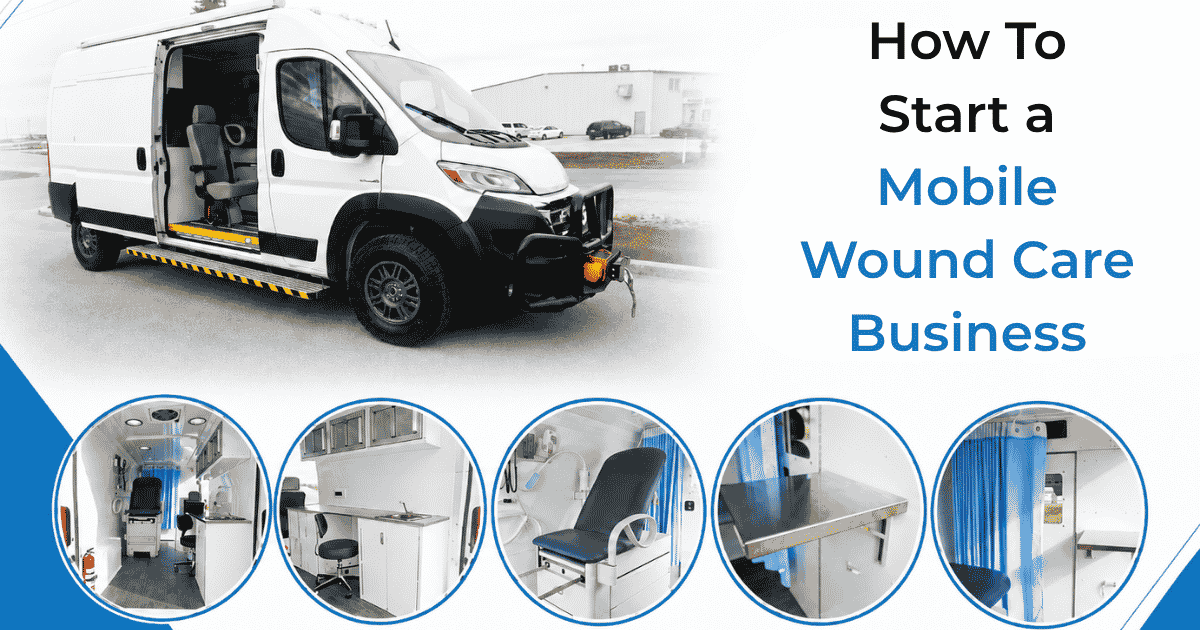
Starting a mobile wound care business can feel like staring at a 1,000-piece puzzle without the picture on the box. You know it’s doable, but you’re not sure which piece to grab first. The good news is, once you see the big picture, it’s actually a lot more like a 100-piece puzzle… and with less chance of losing that one critical piece under the couch. These 10 steps will walk you through what to do, in the right order, so you can go from “idea” to “rolling clinic” without losing sleep or money you didn’t need to spend.
Step 1: Define your mission and goals for mobile wound care services
When you’re figuring out how to start a mobile wound care business, your first job is to know exactly what you’re trying to achieve. Without a clear mission, you risk wasting time, money, and energy on things that don’t move you forward. This is where you get specific about who you serve and what problems you solve.
Your mission should answer:
- Who you help: Seniors, rural communities, veterans, or another group.
- What services you’ll offer: Debridement, dressing changes, infection control, and education.
- Where you’ll operate: A state like Arizona or Florida, or a specific city or county.
- Why you’re doing this: Reduce ER visits, improve healing times, or make care more accessible.
Example scenario: Let’s say you’re starting a mobile wound care clinic in rural Arizona. Your mission might be to provide weekly wound care services to patients living more than 30 miles from the nearest hospital. Your goal could be to cut their travel time to care from hours to minutes, reduce infection rates, and make treatment less stressful for patients and families.
When you get clear on your mission early, you make better decisions later. Every choice, from hiring staff to choosing a vehicle layout, becomes easier when it supports your mission.
Step 2: Learn the regulations for running a mobile wound care clinic
After you’ve set your mission, the next step in how to start a mobile wound care business is making sure you can legally operate where you plan to work. Mobile healthcare follows rules at the federal, state, and sometimes city levels. Skipping this step can cost you time, money, and a lot of frustration.
Here’s what to look into right away:
- Licensing: Some states want your mobile wound care clinic to have the same license as a regular clinic.
- Who can treat patients: Certain wound care procedures must be done by licensed nurses, doctors, or specialists.
- Vehicle standards: Your vehicle will have to meet safety regulations from the Department of Transportation.
- Insurance: This could include medical liability coverage and vehicle insurance for healthcare use.
Example: In Florida, the Agency for Health Care Administration sets the rules for mobile medical services. In Arizona, the state health department may ask for permits before you hit the road.
Sorting out these details early helps you avoid roadblocks later. It also means you can focus on serving patients instead of battling paperwork.
Step 3: Compile your findings into a mobile wound care business plan

Now that you’ve defined your mission and learned the regulations, it’s time to take all that information and turn it into a clear, practical plan. This step is imperative in starting a mobile wound care business because a solid business plan keeps your ideas organized, helps you get funding, and sets a roadmap for success. Think of it like drawing a map before a road trip, you know the destination and the best route to get there.
Start with these key sections:
- Executive summary: Describe your mobile wound care clinic, who you’ll serve, and what problem you’re solving. Keep it clear and compelling.
- Services offered: List the wound care treatments and education your team will provide. Include mobile wound care services near me searches to show you’ve thought about what people need locally.
- Market analysis: Highlight gaps you found, like rural areas in Arizona or Florida that lack nearby wound care specialists. Include competition and why your clinic fills the need.
- Operations plan: Explain how the clinic will function daily, including staff roles, scheduling, and mobile routes.
- Regulatory compliance: Include the licensing, vehicle requirements, and insurance details you researched.
- Financial plan: Estimate startup costs, vehicle expenses, staffing, supplies, and expected revenue. Include funding options like grants or loans.
Example: Suppose you plan to operate a mobile wound care clinic in Arizona. Your plan could show that certain counties have few wound care specialists and long travel distances for patients. You’d outline weekly routes, staffing needs, and costs for outfitting your mobile clinic to handle diabetic ulcers and post-surgical wounds.
Once your business plan is complete, you’ll have a clear picture of what your clinic needs to succeed. It’s also the perfect foundation for the next step, which is choosing the right manufacturer to build your mobile wound care clinic. A well-thought-out plan makes it easier to communicate your needs and ensures the vehicle you pick fits your mission, patients, and team perfectly.
Step 4: Find funding sources for your mobile wound care business
Once your business plan is ready, the next step in how to start a mobile wound care business is figuring out how to pay for it. Unless you have a few hundred thousand dollars lying around, you’ll need funding. That could come from loans, grants, or local partners who want to help your community.
Ways to fund your clinic:
- Grants: Many government programs and foundations give money to help start mobile healthcare services. Some cover vans, medical equipment, or staffing.
- Loans: Small business loans or medical equipment loans can help cover startup costs.
- Community partnerships: If your mobile wound care services fill a local gap, hospitals, clinics, or nonprofits may provide money or resources.
Example: Let’s say you want to start a mobile wound care clinic in rural Arizona. A state grant could help buy the van, and a local nonprofit might cover supplies or staffing. Together, these sources give you what you need to start without using all your personal savings.
Remember: Keep track of deadlines for grants and applications. Be ready to explain how your mobile wound care services will help patients get care faster, avoid trips to the hospital, and heal safely.
Once your funding is in place, you can move on to choosing the right manufacturer and building your team without worrying about money running out.
Step 5: Choose the right manufacturer for your mobile wound care clinic
After your business plan is ready, the next step in how to start a mobile wound care business is finding the right manufacturer for your mobile wound care clinic. This is a big decision because your vehicle is the backbone of your services. Picking the wrong partner can lead to delays, added costs, or a van that doesn’t meet your mission.
Look for these qualities in a manufacturer:
- They listen first: A good manufacturer will take time to understand your goals, patient needs, and routes before suggesting a vehicle.
- They guide, not push: The right team will steer you toward the vehicle that fits your plan, even if it’s not the biggest or most expensive option.
- They put your mission first: A reputable manufacturer cares about your patients and business outcomes. They will be honest if another solution serves you better, even if it means you don’t pick them.
- Experience counts: Look for companies with a proven track record in mobile medical units or wound care vans. Certifications like Ford QVM or Stellantis QPro show they meet high standards.
Example: Suppose your plan focuses on serving rural areas in Oklahoma. A great manufacturer might suggest a smaller, more fuel-efficient van with off-road capability rather than a larger vehicle that’s harder to drive and park. That choice aligns with your mission to provide timely, accessible mobile wound care services.
Choosing the right manufacturer now saves headaches later. It ensures your mobile wound care clinic supports your mission, fits your team, and delivers care safely. Once this step is complete, you’ll be ready to move on to designing the interior and outfitting your van for success.
Step 6: Decide on the right vehicle for your mobile wound care clinic
Now that you’ve picked a manufacturer, it’s time to choose the right vehicle. This is where your mission and business plan meet the wheels and engine. The right vehicle will help your mobile wound care clinic deliver care safely, comfortably, and efficiently. Think of it like picking the perfect backpack for a long hike. You want something that fits everything you need without feeling like you’re carrying a piano.
Five things to consider when choosing your vehicle:
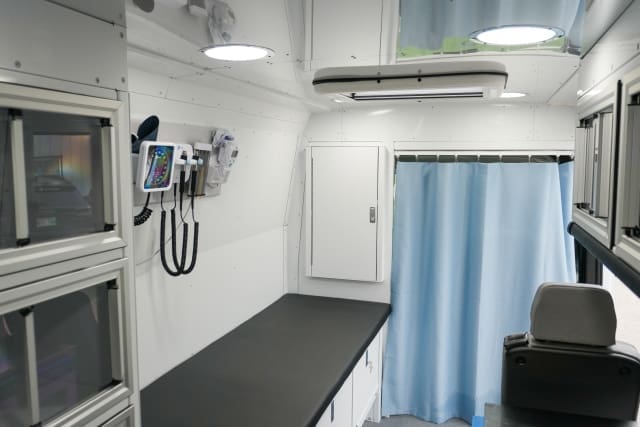
- Exam bed: Your patients need a clean, comfortable exam bed for wound care.
- Sink: Handwashing and cleanup are non-negotiable. It keeps your staff and patients safe.
- Workspace for paperwork: A small desk or counter helps you keep records organized without turning the van into a cluttered mess.
- Cabinetry and storage: You’ll need storage for bandages, dressings, gloves, and all the other supplies for mobile wound care services.
- Refrigeration: If you plan to offer vaccines or medications, a fridge is a must.
Example: Imagine you’re serving patients in Texas. Your van might have a comfy exam bed, a small sink along one side, and cabinets lining the walls for supplies. There’s even a desk along the side where your staff can update charts while keeping an eye on patients. Everything is within arm’s reach, so the workflow is smooth and professional.
Deciding on the right vehicle now sets you up for success later. A well-thought-out vehicle makes delivering mobile wound care services easier and ensures your patients get the safe, high-quality care they deserve. Once your vehicle is selected, the next step is outfitting it with the exact equipment and layout your team needs to hit the road confidently.
Step 7: Build your mobile wound care team
Now that you have your vehicle, it’s time to think about the people who will run it. Depending on what type of vehicle you chose in step 5, space in a mobile wound care clinic is limited. That means your team has to be small but skilled. The right people make your clinic run smoothly and help patients feel safe and cared for.
Keep your team simple:
- Wound care specialist: Usually a nurse or nurse practitioner who can treat wounds and give guidance to patients.
- Support person/driver: Someone who can drive the van safely, help set up equipment, and assist patients if needed.
- Training is key: Even if your staff are experienced, they need to learn your mobile workflow. Walk through the van, show where the exam bed, sink, and supplies are, and run a few practice visits. This makes the first day much less stressful.
A small, trained team keeps your mobile clinic efficient and makes sure patients get safe, high-quality care. Once your team is ready, the next step is stocking the van with all the supplies and equipment needed for everyday wound care visits.
Step 8: Market your mobile wound care services
Now that your team is ready and your van is stocked and ready to hit the road, the next step in how to start a mobile wound care business is letting people know you exist. Even the best mobile wound care clinic won’t help anyone if patients don’t know it’s there. Marketing helps you reach the right patients and build trust in your community.
Ways to get the word out:
- Local outreach: Connect with community centers, senior centers, and home health agencies. Let them know your mobile wound care services are coming to their area.
- Online presence: Make sure people can find you when they search for “mobile wound care services near me.” A simple website, Google Business listing, and social media posts help patients and caregivers learn about your clinic.
- Healthcare partnerships: Work with hospitals, primary care offices, and nursing homes. They can refer patients who need regular wound care.
- Flyers and local ads: In small towns or rural areas, traditional flyers in pharmacies or clinics still work wonders.
Example: Think about starting a mobile wound care clinic in New York. You post your weekly schedule on social media, send flyers to local nursing homes, and visit community health fairs. Soon, patients start calling or signing up online for appointments, and your routes stay busy and full.
Marketing is about building trust. People need to know your clinic is reliable, professional, and compassionate. A strong marketing plan ensures your mobile wound care services reach the people who need them most and helps your business grow smoothly.
Step 9: Track performance and patient outcomes
Once your mobile wound care clinic is up and running, the next step in how to start a mobile wound care business is keeping an eye on how well you’re doing. Tracking performance and patient outcomes helps you improve care, stay organized, and show funders or partners that your clinic is making a difference.
What to track:
- Patient progress: Are wounds healing as expected? Are patients satisfied with the care?
- Appointment efficiency: How long does each visit take? Are there delays or gaps in your schedule?
- Supplies and inventory: Keep tabs on what’s used most, what’s running low, and what needs restocking.
- Financial performance: Track revenue, expenses, and any grant or funding reporting requirements.
Example: Imagine your mobile wound care clinic in Arizona. You notice that patients with diabetic ulcers are healing faster after introducing a new dressing. You also spot a trend where some appointments take longer than planned. With this data, you can adjust schedules and treatments, improving both patient outcomes and workflow.
Tips for success:
- Use a simple spreadsheet or a small clinic software to log patient visits and treatments.
- Share insights with your team regularly so everyone knows what’s working and what needs tweaking.
- Collect patient feedback—it’s a goldmine for spotting gaps in care and making improvements.
Keeping track of performance ensures your clinic runs smoothly, patients get better care, and your business grows responsibly. With these insights, you’re ready for the final step: planning for growth and expanding your mobile wound care services.
Step 10: Plan for growth and expanding your mobile wound care services

You’ve got your mobile wound care clinic running, your team trained, and patients are getting care. The final step in starting a mobile wound care business is thinking about the future and how you can grow and reach more people. Planning ahead helps you spot opportunities and avoid getting stuck in the same routine.
Ways to expand:
- Add more vehicles: If one mobile clinic van is busy every day, another can help you serve more neighborhoods.
- Offer new services: You could add things like vaccination programs or diabetic foot care.
- Partner with more organizations: Local hospitals, senior centers, or nonprofits might want regular visits from your clinic.
- Hire more staff: A small team works for one van, but adding people can let you run multiple clinics or cover more hours.
Example: Let’s say your mobile wound care clinic in Florida is fully booked in Miami. You notice that nearby Broward County has patients struggling to reach care. Planning for growth, you add a second van, hire one more nurse, and expand your schedule. Suddenly, you’re helping twice as many patients, keeping them healthier and out of the hospital.
Tips for growth:
- Track which neighborhoods have the biggest need.
- Keep your vehicles and equipment well-maintained so you can expand without delays.
- Listen to your patients and community. Sometimes the best growth ideas come from them.
Planning for growth keeps your clinic flexible and ready to meet new challenges. It also makes sure your mobile wound care services continue saving lives, one patient at a time, while helping your business thrive in the long run.
Ready to launch your mobile wound care clinic?
You came here because you want to bring mobile wound care services to people needing them, but maybe you felt confused about starting. You might worry about funding, choosing the right van, or making sure your team can handle it all. After reading this guide, you now have a clear roadmap to move from idea to reality, and the gaps in your plan are filled.
What you learned:
- Business plan basics: How to turn your ideas into a solid plan.
- Funding and grants: Ways to get your clinic rolling without draining your savings.
- Choosing a manufacturer and van: Picking the right partners for your mission.
- Setting up your team and services: Making sure your clinic runs smoothly.
At AVAN Mobility, we have a hardworking team that knows each community is different, and we take pride in designing vehicles that help you serve your patients safely, comfortably, and effectively. If you have questions or want guidance, click the button below to talk to a mobility expert who gets it.
If you’re not ready to talk to a mobility expert yet, here are a few resources to help you keep learning:
- Do mobile medical vans require a commercial driver’s license?: Find out if you require a commercial driver’s license to drive a mobile medical van.
- What’s the cost of a mobile wound care unit? Learn about the cost range you can expect to pay for a mobile wound care clinic.
- Mobile Medical Van Customization: What Is It and How Much Does It Cost? We talk about some of the customization options you can get in your mobile medical van.