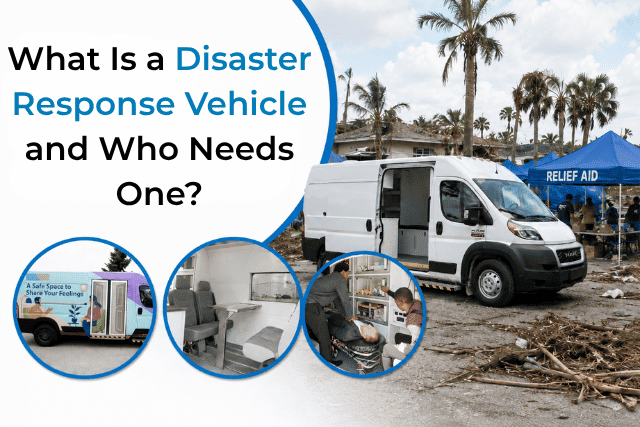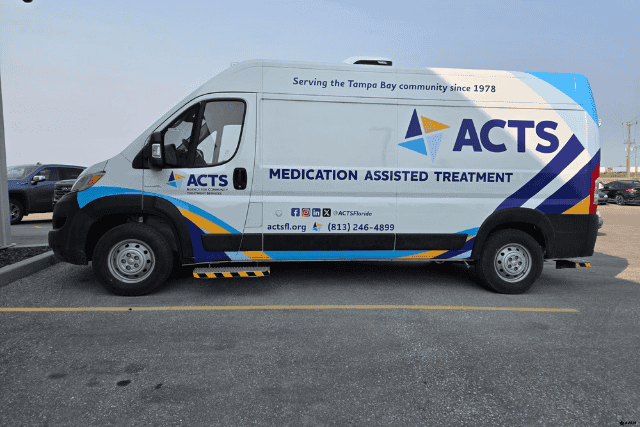
Mobile medication assisted treatment is an effective way to reach people caught in the opioid crisis. Right now, the U.S. reports more than 80,000 opioid-related deaths each year and almost 3 million Americans living with opioid use disorder.
These are more than numbers. They’re neighbors, patients, and families who want help but can’t always reach it. In places like rural Tennessee, the Navajo Nation, or parts of northern Wisconsin, long drives, limited clinics, and a lack of privacy keep people from starting treatment. When care stays far away, the risks grow, and you’re left trying to bridge a gap that feels too wide. A mobile medical assisted treatment unit helps you meet people where they are, so they can get support in a safe and calm space.
For over 10 years, AVAN Mobility has helped counties, health systems, and nonprofits across the U.S. bring care closer. We’ve built over 150 mobile medical units, each designed to help you overcome barriers and save lives with dignity and respect. Organizations like Janus of Santa Cruz trust us to support this work. Even though we build these units, we know we’re not the only option, so we focus on giving clear, helpful information you can trust.
In this article, you’ll learn:
- What mobile medication assisted treatment means
- How it supports treatment for opioid use disorder
- How mobile medication assisted treatment works
What is mobile medication assisted treatment?
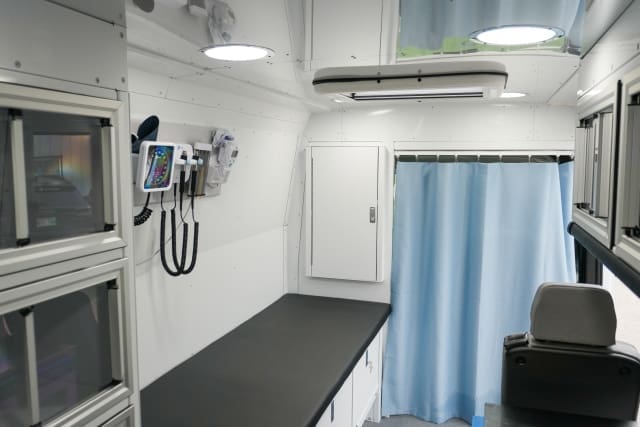
Mobile medication assisted treatment is a way to bring opioid use disorder treatment right to the people who need it. Instead of asking someone to travel far or wait in long lines at a clinic, this model takes care to them. If you’ve ever wondered what mobile medical assisted treatment looks like in real life, think of a small clinic on wheels that feels calm, private, and welcoming.
It’s important to remember that medication assisted treatment is just one of several ways to help people with opioid use disorder. While it works wonders for many, it might not be the perfect fit for every single person or situation. Some people may find more success with other types of support, and that’s okay.
Your patients can step inside, talk to a care team, and start medication for opioid use disorder in a setting that feels safe. It removes the toughest parts of getting help so more people can say yes to treatment.
Why is starting treatment for opioid use disorder hard?
- Some folks have no car
- Many feel embarrassed walking into a clinic
- Some live in places like rural Oklahoma or the edges of the Central Valley in California, where resources are spread thin
A mobile medication assisted treatment unit fills these gaps. It brings medication assisted treatment medications, counseling, and support to the community instead of leaving people to figure it out alone.
Mobile medical assisted treatment works like any medication assisted treatment program you’d see in a regular building.
The difference is access.
When care can meet people where they are, they feel more ready to commit to treatment for opioid use disorder. Many people looking for this treatment search for “medically assisted treatment near me” because they want help that fits their lives. A mobile option makes that possible because the clinic comes to them instead of the other way around.
Why does mobile MAT make treatment easier to start?
When someone decides they want help, timing matters. If they wait too long, they might lose momentum. A mobile medication assisted treatment model gives your team the freedom to step into neighborhoods, rural areas, tribal communities, and city streets where people feel stuck. It helps you reach corners of places like New Mexico, Ohio, or the Mississippi Delta, where treatment centers stay far apart.
Here are a few reasons people respond well to this setup:
- Less travel: Many patients cannot drive or travel long distances for opioid use disorder treatment.
- More privacy: People want support without feeling exposed or judged.
- Faster care: A mobile model cuts wait times and removes complicated steps.
- Comfort: A smaller space feels personal and human.
- Safety: It keeps care in the hands of licensed professionals who understand addiction.
When a person can walk into a clean, private unit parked in their neighborhood, it creates trust. It also gives your care team the chance to form real relationships with people who may have slipped through the system for years.
How does mobile medication assisted treatment support opioid use disorder treatment?
To understand mobile medication assisted treatment, it helps to answer, ‘what is medication assisted treatment’ in general. This treatment blends medication for opioid use disorder with counseling. You treat the brain and the behaviour at the same time. It helps stabilize cravings, lower overdose risks, and give someone room to breathe while they rebuild their life.
Clients often receive medications like buprenorphine or methadone. These medication assisted treatment medications manage withdrawal in a safe and controlled way. A mobile unit gives your team a private place to assess, prescribe, and support people who are ready to start medication assisted treatment for opioid use disorder.
You may have seen different types of programs in cities like Los Angeles or Oakland. Mobile medication assisted treatment Los Angeles programs often work near shelters, parks, or community hubs. Mobile medication assisted treatment California programs sometimes travel between counties to reach farming communities. These models show how flexible the approach can be.
Inside the unit, your team can run a full medication assisted treatment program without the need for a big building. You can treat opioid use disorder, check vitals, do toxicology screens, give ongoing support, and help people return for follow up. Many people say this setup feels more human because they get care in a smaller and familiar environment.
What makes mobile medication assisted treatment different from a regular clinic?
The biggest difference is the ability to reach people where daily life gets in the way. A clinic has hours that may not work. It might be in a place that feels far. A mobile medication assisted treatment model brings you into the rhythms of someone’s day so they can keep their routine and still receive help.
Key differences include:
- Flexibility: Units can move between sites, towns, or tribal lands as needed.
- Visibility: You can reach more people who struggle to get to fixed locations.
- Speed: Staff can set up and serve people quickly.
- Connection: Outreach staff often build trust faster in community settings.
- Equity: Care becomes reachable for those who face the biggest barriers.
For patients who have been turned away, ignored, or overwhelmed by the system, this model feels like a new chance. They can walk in on their own terms. That sense of control helps people stay engaged in treatment for opioid use disorder.
How exactly does mobile medication assisted treatment work?
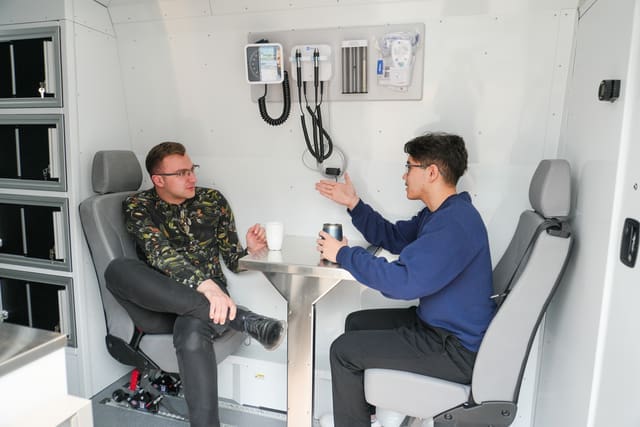
Mobile medication assisted treatment works through a clear, repeatable process. The goal is simple. Bring care, medications for opioid use disorder, and support right into the heart of your community.
To make this easy to picture, imagine a fictional program in eastern Kentucky serving people with opioid use disorder in two small towns and one rural county road.
Step 1: Your team arrives on site
Your day starts before the mobile medical assisted treatment unit even moves. Your staff checks the schedule, stocks medication assisted treatment medications, prints any needed forms, and reviews the day’s route. You might have three stops planned. For example, a church parking lot in the morning, a shelter at midday, and a community center in the evening.
When the mobile medication assisted treatment unit arrives at the first site, the driver parks in a visible but respectful spot. You want people to see you, but you also want them to feel safe walking in. Staff set up signage, flip on the interior lights, start the HVAC, and get the registration area ready.
A few examples of common setups include:
- Private visit space: A quiet, clean mobile clinic where a patient can talk with a healthcare professional in a confidential way.
- Seating zone: A couple of chairs underneath an awning connected to a van for short check-ins and intake conversations before entering.
- Clinical area: This might include an exam chair or exam bed, basic monitoring tools, and an office desk for paperwork.
- Storage: Cabinets for medical assisted treatment supplies, patient forms, PPE, and outreach materials.
- Handwashing station: A sink for proper hygiene and safe handling of medication for opioid use disorder.
- Refrigerated storage: A small medical fridge for temperature-sensitive supplies when required.
- Technology setup: A laptop or tablet for charting, telehealth support, or prescription management.
You might partner with local organizations that spread the word that “the MAT unit” is there every Tuesday from 10 to 2. Over time, people learn the routine. That predictability is key for treatment of opioid use disorder.
Step 2: Patients come in for a private visit
Once the doors open, people start to arrive. Some have seen flyers. Some heard from a friend. A few might walk up slowly, unsure if they belong there. Your team’s first job is to make them feel welcome.
A typical visit starts with a short intake. Staff gather basic information, ask about health history, and screen for opioid use disorder. You might use simple tools and questions so the process feels less scary. Only about 1 in 5 adults with opioid use disorder receive medications for it, which shows how many people still miss out on care.
In our eastern Kentucky example, imagine a 32-year-old named James who has used pills and fentanyl for years. He has tried to quit on his own many times. He lives two hours from the nearest clinic and shares a car with family. When the mobile medication assisted treatment unit comes to his town, it removes half of the barriers. He can walk over, answer questions, and talk openly.
Inside the unit, he sits with a nurse or provider in a quiet area. They explain what medication assisted treatment is in simple terms. They talk about how medical assisted treatment combines medication for opioid use disorder with support, not judgment. This first conversation sets the tone. It is about trust, not pressure.
Step 3: They receive medication for opioid use disorder
If the provider confirms that James has opioid use disorder and is a good fit, the next step is medication. This is where medication assisted treatment medications come in, such as buprenorphine. The provider explains what the medication does, how it helps reduce cravings, and what side effects to watch for.
Inside the mobile medical assisted treatment unit, the process follows the same safety rules as a clinic. Vitals are checked. The patient’s current use is discussed. Any other medications are reviewed. Your team documents everything as part of a clear medication assisted treatment program.
James might start induction right there in the unit. Staff stay close, check on his comfort, and answer questions. They explain that medication assisted treatment benefits include lower overdose risk and more stability. They also talk about what follow up looks like and how often he should come back.
In cities like Los Angeles, teams use a similar model in outreach settings. A mobile medication assisted treatment Los Angeles program might park near a community health center and start people on medications in the same way. A mobile medication assisted treatment New Mexico program in a rural region might do this behind a community hall. The setting changes, but the core idea stays the same. Safe, supervised use of medication for opioid use disorder in a reachable space.
Step 4: They get follow-up and support
Medication is only one piece. Mobile medication assisted treatment works long-term because you keep showing up. Follow-up visits give people space to adjust, share wins, and handle setbacks.
Back to James in eastern Kentucky. After his first dose, the staff schedule a follow-up when the unit returns to town in a few days. He knows the time and place, doesn’t have to figure out bus routes or find gas money. He just needs to show up.
During follow-ups, your team:
- Checks in: How are cravings, sleep, and mood.
- Adjusts doses: Based on how the medication feels.
- Screens health: Blood pressure, heart rate, and other basics.
- Offers support: Brief counseling or referrals to longer-term care.
- Builds routine: Encourages steady visits for treatment of opioid use disorder.
Research shows that people who receive medications as part of opioid use disorder treatment have a lower risk of overdose and better chances of staying in care. Your mobile medical assisted treatment unit becomes a hub for that kind of steady help.
Over time, James may begin to trust your team more. He might open up about housing, work, or family stress. Your staff can then connect him with other local resources. The unit is small, but the impact can ripple through his whole life.
Step 5: You stay in the community
The last step is also the quiet one. You keep coming back. Consistency is what turns a single visit into a true medication assisted treatment for opioid addiction program.
Your mobile medication assisted treatment schedule might include regular stops at:
- Tribal health centers
- Rural town halls
- Urban shelters
- Community colleges
- Churches or outreach hubs
In Arizona, for example, a mobile medication assisted treatment Arizona program might build a route that hits a town on Mondays, a farmworker community on Wednesdays, and a desert community on Fridays. People in each place learn that help is always coming back.
For someone like James, this rhythm matters. He knows that if he slips, he has a place to return. The unit is not a one-time project. It becomes part of the community’s safety net.
From your side, this also helps with planning. You can track how many people you serve at each site, what medications are used, and how engagement changes over time. This data helps you show funders and partners the real value of mobile medication assisted treatment for opioid use disorder.
In time, your unit may be the reason fewer families lose loved ones. That is why programs like yours look for medically assisted treatment near me and start exploring mobile options. It is about turning treatment from something distant into something people can touch, see, and step into.
What services can you provide inside a mobile medication assisted treatment unit?
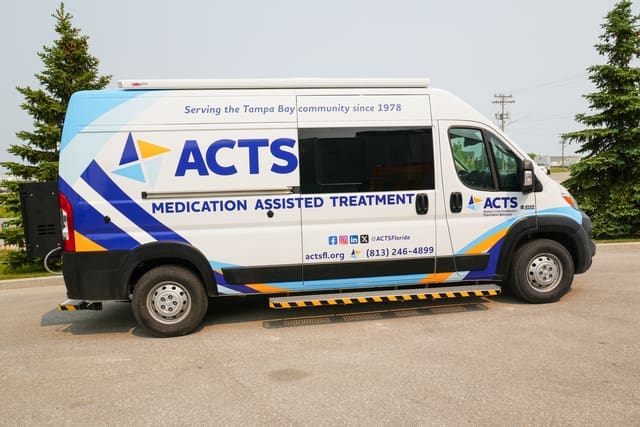
A mobile medication assisted treatment unit gives your team a private and flexible space to deliver care right in the community. Even though the space is smaller than a traditional clinic, you can run a wide range of services that support people living with opioid use disorder. Each service helps your program offer safe, respectful treatment while keeping everything simple for the people you support. This setup is helpful for counties, tribal health programs, FQHCs, and non-profits that want to bring treatment for opioid use disorder closer to home.
Inside a mobile medical assisted treatment unit, the services you offer depend on your goals, state rules, and staffing. Some teams run a light-touch model. Others run a full medication assisted treatment program with medical care, follow-ups, and counseling. The good news is that the space works well for both. Let’s take a look at what services you can offer.
Core clinical services
Your mobile medical unit can deliver many of the same clinical services as a small treatment room. These services make it easier for patients to start or continue medication for opioid use disorder in a calm and private space.
Common clinical services include:
- Private assessments: A quiet area to screen for opioid use disorder and talk about what medication assisted treatment is in simple terms.
- Medication starts: Providers can begin medication assisted treatment for opioid use disorder, including buprenorphine induction.
- Follow-up visits: Patients return to talk about cravings, sleep, side effects, and progress.
- Vitals and monitoring: Blood pressure, heart rate, and general health checks help guide the medication assisted treatment program.
- Toxicology testing: Space for quick and private screenings when needed.
These services help you keep patients safe and supported while giving them steady access to medication assisted treatment benefits like lower overdose risk and better long-term engagement.
Behavioral and supportive services
Mobile medication assisted treatment units also give your team room to offer support that helps people stay in care. Even short conversations inside the unit can help someone feel more hopeful and focused.
Supportive services often include:
- Brief counseling: Short, private talks that help patients stay motivated.
- Care planning: Setting small goals for follow up, health, and daily routines.
- Navigation support: Helping people find local resources, housing contacts, and mental health services.
- Education: Explaining medication assisted treatment medications, safe use, and what to expect during recovery.
Many patients feel more relaxed talking in a mobile unit because the space feels less formal than a clinic. This helps your team build trust faster.
Harm reduction services
A mobile medical assisted treatment unit is also a strong location for harm reduction support. These services help keep people safer while they work toward treatment.
You might offer:
- Naloxone distribution: Teaching people how to use it and why it matters.
- Safer use supplies: Based on state rules and program goals.
- Overdose prevention education: Simple and clear steps to reduce risk.
- Warm handoffs: Connecting someone to a counselor, peer worker, or social service agency.
These services help people stay alive long enough to start medication for opioid use disorder when they feel ready.
Health services
Some teams expand their services to address other health needs. This helps your program serve the whole person, not just their opioid use disorder.
Examples include:
- Basic wound care: Cleaning and dressing small wounds.
- Vaccinations: Flu shots, hepatitis vaccines, or other routine care.
- General health checks: Looking at concerns like high blood pressure or infections.
- Chronic condition support: Helping people manage diabetes, asthma, or other long-term needs.
These added services build trust and give patients more reasons to return.
Administrative and reporting services
Running a strong medication assisted treatment program also includes documentation, reporting, and communication. A mobile unit gives your team the space to manage this work privately and professionally.
You can comfortably handle:
- Electronic charting: Tablets or laptops make it easy to update records during each visit.
- Prescription management: Sending prescriptions, scheduling refills, and adjusting doses.
- Care coordination: Communicating with clinics, pharmacies, and social service programs.
- Data collection: Tracking visits, medication use, or engagement at each location.
Every service inside your mobile medication assisted treatment unit supports your mission to reduce overdose risk, offer medication assisted treatment for opioid addiction, and help people find hope. Many patients are looking for medically assisted treatment near me because they want help that fits their real life. Your mobile program makes that possible.
You’re giving people a chance to start care without fear or distance standing in the way. And you’re giving your team a way to deliver medication for opioid use disorder safely, calmly, and consistently in the community.
Is mobile medication assisted treatment right for your program?
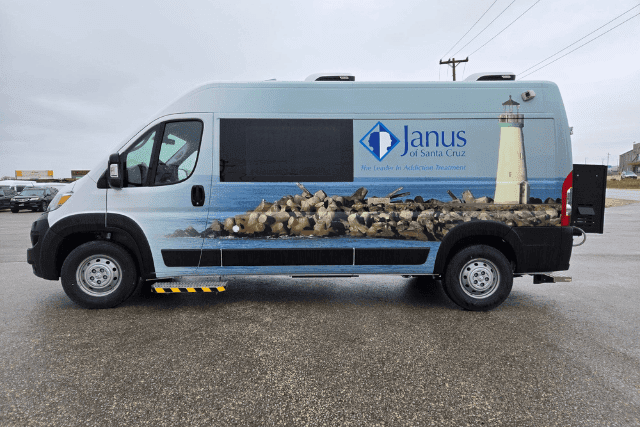
You came to this article because you’re trying to solve a real problem. People in your community are facing opioid use disorder, and fixed clinics aren’t reaching them fast enough or fairly enough. You want a way to give them safe, private care without long trips, long waits, or long lists of barriers standing in their way.
After reading this guide, you learned how mobile medication assisted treatment works in a simple, approachable way. You also learned how this model fits into daily life and why it helps people start care sooner.
Here’s a quick recap:
- What it is: A private clinic on wheels that brings treatment for opioid use disorder directly into the community.
- How it works: A calm space where staff can assess, support, and provide medication assisted treatment medications.
- Why it helps: It removes distance, fear, and confusion so more people can get steady care.
Now you may be wondering if this approach is right for your program. The answer often depends on your goals and who you want to reach. If you serve rural towns, tribal lands, city neighborhoods, or areas where people struggle to find medically assisted treatment near me, a mobile option can be a strong fit. It gives you a way to show up with dignity, respect, and real help exactly where people need it.
What are your next steps?
For more than a decade, we at AVAN Mobility have walked beside health leaders across the U.S. as they build programs that save lives. We’ve seen small teams grow into strong mobile models and tribal communities expand support across large territories. We’ve also seen counties create safer, more connected care by adding a mobile unit to their response.
Our work is built on listening, asking good questions, and designing with purpose so your team feels supported every step of the way. If you have questions or want to explore your options, click the button below to talk to a mobility expert who can help you plan with confidence.
If you’re not ready to talk to a mobility expert yet, here are a few articles that can guide you further:
- How can your organization make use of opioid settlement funds? This helps you explore real funding paths that can support a mobile medication assisted treatment program.
- What is the hidden cost of untreated opioid use disorder? This article shows the financial and human impact of waiting too long to expand treatment options.
- Why is there so much stigma around medication assisted treatment? Reading this helps you understand the emotional barriers your patients face and how a mobile model can reduce that stigma.
FAQ about medication assisted treatment
Q: How does medication-assisted treatment help protect against overdose?
A: Medication-assisted treatment reduces overdose risk by lowering withdrawal symptoms and cravings, which helps prevent relapse and unsafe opioid use. Studies show people using MAT have far lower overdose death rates than those not on medication.
Q: Is medication assisted treatment evidence based?
A: Yes, medication assisted treatment is backed by decades of research and is considered an evidence-based standard for treating opioid use disorder. Major health organizations across the U.S. support its effectiveness.
Q: When did medication assisted treatment begin?
A: Medication-assisted treatment with methadone began in the mid-20th century, and buprenorphine was approved for opioid dependence treatment in 2002.
Q: How does medication-assisted treatment support recovery?
A: MAT supports recovery by stabilizing brain chemistry, reducing cravings, and helping people stay engaged in treatment long enough to rebuild their lives. It also improves long-term outcomes when paired with support services.
Q: Is medication assisted treatment effective?
A: Yes, medication assisted treatment is effective. Research shows that methadone and buprenorphine reduce overdose deaths, lower hospitalization rates, and improve long-term recovery success.