Did you know that with almost 50,000 annual deaths by suicide every year, it makes suicide prevention one of the most urgent health needs in the U.S. today? It’s a heavy topic that you likely think about all the time. You’re out there trying to help, but your office might feel a million miles away from someone in crisis.
If you’re in the mountains of North Carolina or a busy street in Chicago, travel can be a huge barrier. When people can’t get to you, they miss out on the care that keeps them safe. That access gap is a real risk to your community. You want to reach them before it’s too late. Reaching that goal means you can provide support right in their own neighborhood.
We’ve spent over 10 years at AVAN Mobility helping organizations like yours bridge those gaps. Our team has manufactured more than 150 mobile units designed to save lives. We’ve worked with groups like Pacific Clinics to bring vital care to people who need it. We’re proud of our Ford Pro Upfitter and Stellantis QPro certifications. We know we aren’t the only ones building these, but we want to help you find the best path forward. We care about the dignity and freedom that a Mobile Counseling Unit provides to those struggling.
In this article, you’ll learn
- What is suicide prevention?
- What do the numbers say about suicide in the U.S.?
- How does suicide prevention work in a Mobile Counseling Unit?
What exactly is suicide prevention?
We know that talking about suicide is often a tough topic. It’s okay to feel a bit heavy when you bring it up. Many people find it hard to start these conversations. But the truth is that talking is the first step toward saving a life. Suicide prevention is about more than just stopping a tragedy. It’s about building a net of support for people when they feel like they’re in the dark. It’s about giving them hope and a path back to a happy life.
When we talk about the prevention of suicides, we mean looking at why people hurt themselves. There are many things that can lead to someone feeling this way. It might be a big loss or a job change. Sometimes it’s a long road of health issues. Prevention means we step in early to help them find their footing.
It involves teaching friends and family how to spot the warning signs. These signs can be small things that are easy to miss.
You might notice:
- Social changes: A friend stops coming to lunch or answering texts.
- Mood shifts: Someone seems very sad, anxious, or even suddenly calm.
- Giving items: A person starts giving away their favorite things for no reason.
- Talk of pain: Someone mentions they feel like a burden to their family.
How do we help someone find hope again?
The goal is to create a community where everyone feels seen. You want to make sure help is available before a crisis even starts. This is where your organization makes a huge difference. When you show up, you show people they aren’t alone. You help them find the dignity and strength they thought they lost. It’s a way to empower your neighbors to keep going.
In many parts of the U.S., help is far away. Think about the small farming towns in Iowa. Or think about the quiet hills of Appalachia. People in these areas might feel like they have to deal with their pain by themselves. This distance is a big gap that stops them from getting the care they need.
Suicide prevention works best when it’s local and easy to reach. When you bring care to them, you remove the biggest hurdle they face. You’re meeting people where they’re most comfortable.
A person might be too scared to walk into a big clinic in the city. But they might talk to someone in a Mobile Counseling Unit parked at a local park. This simple change can be the thing that saves a life. It makes the help feel personal and friendly.
Your team can offer:
- Privacy: A quiet place where people feel safe to share their feelings.
- Connection: A friendly face that listens without any judgment.
- Immediate care: Support that happens right now, not in three weeks.
- Resources: Help with finding more long-term care in their local area.
What do the numbers say about suicide prevention in the U.S.?
Looking at the data can be a bit overwhelming. But it shows us why we need to act now. Every number represents a real person with a family and a story. As we mentioned earlier, in the U.S., nearly 50,000 people die by suicide every single year. That’s about one person every 11 minutes. When you see it that way, it’s clear that we have a lot of work to do.
The prevention of suicides is especially important for our youth. For people aged 10 to 24, suicide is the second leading cause of death. Think about that for a second. Our kids and young adults are struggling more than ever. Many of them feel isolated. They don’t know who to turn to for help.
The gap is even bigger in rural parts of our country. People living in the country die by suicide at twice the rate of those in cities. This is a huge disparity that needs our attention. In places like the Southwest or the rural South, there just aren’t enough doctors. This makes a Mobile Counseling Unit a literal lifesaver for these communities.
Who is most at risk in our communities?
It’s important to know who needs our help the most. Some groups face more barriers than others. For example, our veterans have very high rates of suicide. They’ve given so much for us. They deserve care that’s easy to find. Also, our older neighbors have some of the highest rates in the nation.
| Group | Suicide rate fact |
| Youth (10-24) | It’s the 2nd leading cause of death for them. |
| Rural residents | They face a rate that’s nearly double the urban rate. |
| Veterans | About 17 veterans die by suicide every day in the U.S. |
| Older adults (85+) | This group has the highest suicide rate in the country. |
These numbers tell us that we need a national suicide prevention strategy that reaches everyone. We can’t just wait for people to come to us. We have to go to them. Using a Mobile Counseling Unit helps you fill that gap. It lets you be flexible. You can move to where the crisis is happening.
You might personally know a family that’s gone through this.
- Maybe a local hero in your town was lost too soon.
- Maybe you once knew a young man in your town who seemed to have it all.
- Maybe he was a star athlete and always had a smile. But inside, he was hurting. Because the nearest clinic was an hour away, he didn’t go.
Those personal stories are what drive us to do better.
They remind us that every minute counts when it comes to suicide prevention. We want to help you change these numbers one neighborhood at a time. It’s about giving every person a chance to see tomorrow. We want to help your organization reach the people who feel forgotten.
How does this data change your approach?
Knowing the numbers helps you plan your outreach. If you know veterans in your area are hurting, you can take your Mobile Counseling Unit to the local VFW. If the youth in your city are in crisis, you can park near the high school. This proactive approach is a key part of the national suicide prevention effort.
It changes the way people see mental health care. It moves it from a scary building to a helpful neighbor. You’re filling the gap between a person in pain and the help they need. This is how we start to see those big numbers go down.
We can look at some key areas where you can focus:
- Mountain West: This region often has very high rates due to isolation.
- The Deep South: Many areas here have very few mental health clinics.
- The Rust Belt: Economic shifts can lead to more stress and less hope.
- Tribal Lands: These areas often lack the funds for big medical buildings.
When you bring a Mobile Counseling Unit to these areas, you’re bringing the tools needed for the prevention of suicides right to the front door. You’re offering a lifeline to someone who thought they had no options left. That’s the power of mobility. It’s the power of being there when it matters most.
Why is the Mobile Counseling Unit a great tool for suicide prevention?
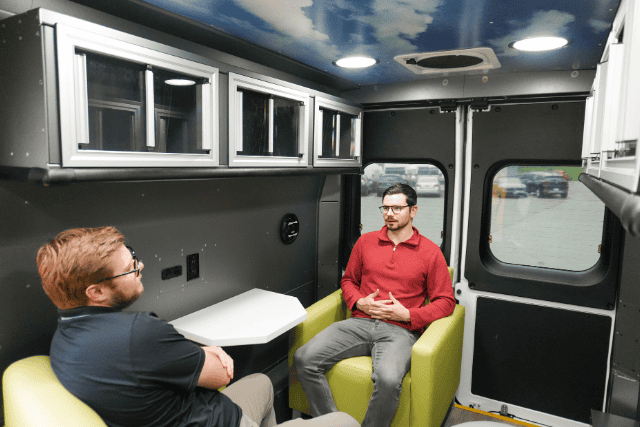
Talking to someone in a dark place is a big task. You need a space that feels safe and private. A Mobile Counseling Unit is perfect for this because it’s built for comfort. It removes the scary, cold feeling of a hospital. Instead, it feels like a cozy room where a friend would listen. This helps with the prevention of suicides because people are more likely to open up when they feel at home. You’ll find many features that help your team provide the best care possible.
Here are some ways the interior helps your mission:
- Living room feel: The inside has cozy couches and a homey vibe. It helps people relax their minds. When people feel at ease, they’re more open to talking about their heavy concerns.
- Wood grain flooring: This adds a warm touch to the space. It takes away that sterile, clinical look that can make people nervous.
- Sound and temperature insulation: Privacy is everything in suicide prevention. These units keep conversations inside. They also stay warm in the winter and cool in the summer.
- Tinted windows: Your clients can see out, but no one can see in. This gives them the privacy they need to feel secure while still letting in some light.
- Work table: A table between the couches is a perfect spot for a chat. It makes the conversation feel more natural and less like a formal doctor visit.
- Speakers: You can play calming music to set the mood. Soft sounds can help lower stress during a very tough talk.
Other features that contribute to a safe space for suicide prevention care
Reaching people in a crisis means you have to be ready for anything. Some of your neighbors might live in hard-to-reach areas. Other folks might have traditions that are a part of their healing. The Mobile Counseling Unit is flexible enough to handle these needs. It should be a key part of any national suicide prevention plan because it goes where the help is needed.
Here are a few other features of the Mobile Counseling Van:
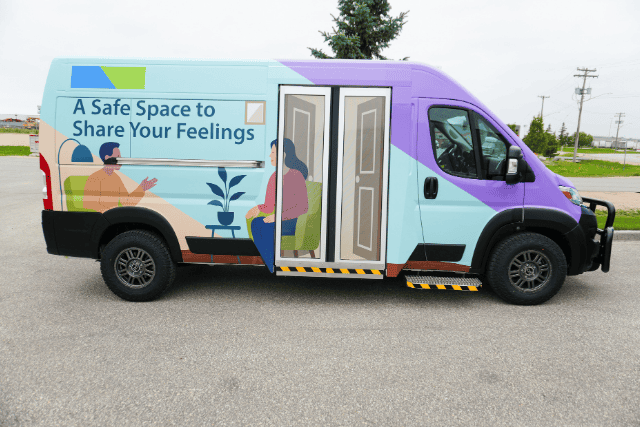
- Customizable look: You can make the outside look bright and friendly. This helps get rid of the scary stigma of a hospital or police car. It shows people that your van is a safe place for hope.
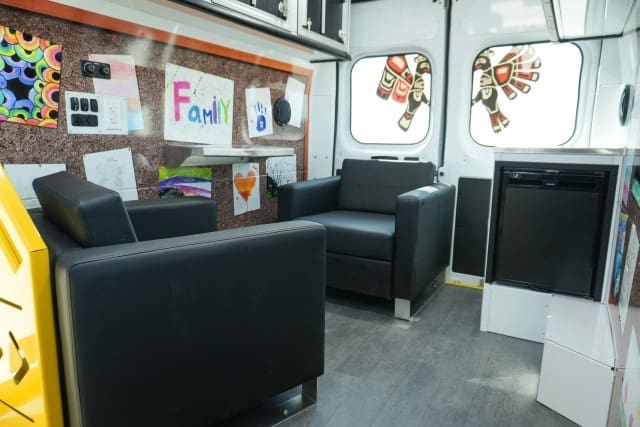
- Trail Kit: Folks in remote spots like the mountains of Montana often have very few resources. This kit lets you drive over rough ground to reach them. It helps stop people from feeling forgotten just because of where they live.

- Optional ventilation: In many Tribal lands, smudging is a way to heal the spirit. This system lets you respect that tradition safely. It builds the trust needed to keep someone safe in a crisis.
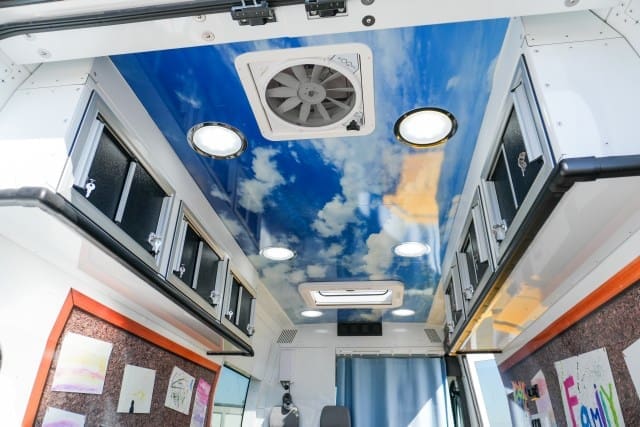
- WiFi connectivity: You can hop online to find an open bed at a clinic right away. You can also connect the person to a specialist on a video call. This speed is vital for the prevention of suicides when every second counts.
- Natural light: Windows and skylights make the space feel open and airy. This can help someone feel less trapped by their dark thoughts.

- Easy access: The ramp shows that everyone is welcome. It gives people dignity when they’re already feeling low. They don’t have to struggle to get the help they need.
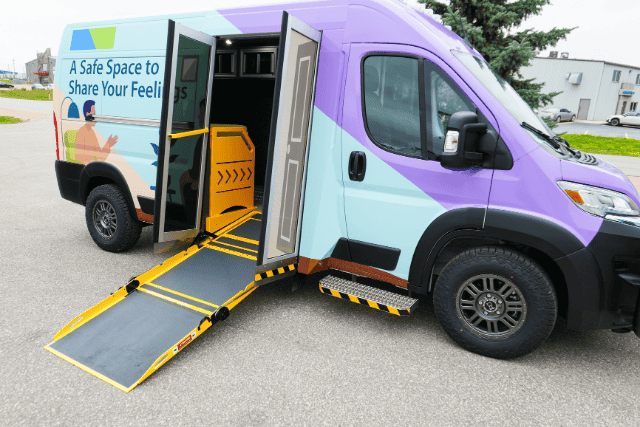
Using these tools helps you fill the gap in your community’s care. You’re giving people a dignified and safe way to find hope again. It’s a big step toward a world where help is always just around the corner.
Ready to start your suicide prevention mission?
There’s a good chance you clicked on this article because you’re tired of seeing people in your community struggle without help. It’s hard to feel like your office is a barrier to the care people need to stay safe. You want to reach your neighbors where they live and give them a chance to heal.
After reading this article, you’ve learned a few important things:
- Now you know how a Mobile Counseling Unit works to bring hope and privacy right to someone’s town.
- You’ve learned that the prevention of suicides is possible when you have a cozy, safe space that travels to those in crisis.
At AVAN Mobility, we believe everyone deserves a fair shot at health and happiness. We’re here to be your partner and make sure your team has the best tools for national suicide prevention. We truly care about the lives you’ll change and the families you’ll keep together. If you’ve got questions about how to get started, click the button below to talk to a mobility expert.
If you’re not ready to talk to a mobility expert yet, we’ve got a few other resources you should check out to learn more.
Recommended next reads
- Top 5 benefits of using a mobile crisis unit in your community? It’s helpful to see the specific ways these units help people in your local area.
- What is the cost of a Mobile Counseling Unit? Knowing the price helps you plan your budget for this life-saving project.
- Buying a mobile medical van – Your process with AVAN Mobility: This guide shows you exactly what it’s like to work with us from start to finish.