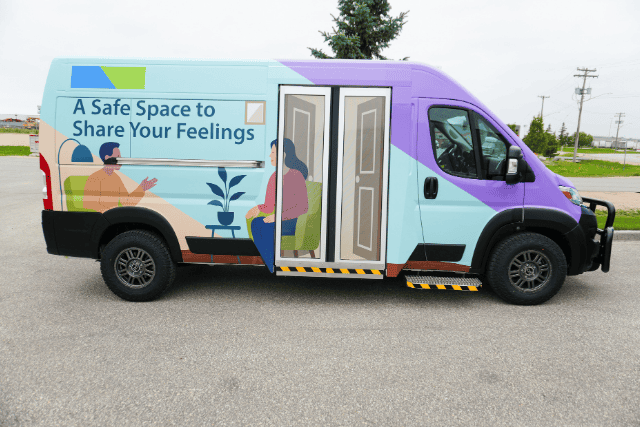
Sprinters often come up early when your team starts planning a mobile medical van. The Mercedes Sprinter Van has a strong reputation in healthcare fleets across the U.S. But once planning moves forward, a practical question usually follows. What happens when the vehicle needs repairs?
That question carries real weight. A mobile clinic in the shop means canceled appointments. That can mean missed screenings, delayed treatment, or a patient who never gets care at all. Community health centers serve over 30 million patients each year in the United States. Many programs rely on mobile care to reach them. When your mobile medical van is down for repairs, the impact reaches far beyond the vehicle.
At AVAN Mobility, we’ve spent more than 10 years helping organizations bring care directly into communities. We’ve built over 180 mobile medical units used across the U.S. by organizations like yours, CalOptima, and Pacific Clinics. Our team holds Ford Pro Upfitter and Stellantis QPro certifications, and we spend a lot of time listening to healthcare teams about what works in the real world. Our goal is to give buyers a clear and fair comparison.
In this guide, you’ll see how Sprinters and RAM ProMasters compare in routine maintenance, including:
- Oil changes
- Brake pad replacement
- Spark plugs
- Wipers and cabin filters
- Tires and suspension work
- Electrical and plumbing service
These details shape how often your clinic stays on the road serving patients.
How do Sprinters Vs. RAM ProMasters compare in maintenance?
When organizations compare Sprinters and RAM ProMasters for a mobile medical program, routine maintenance often becomes a deciding factor. Both the Mercedes Sprinter and the RAM ProMaster can support mobile healthcare well. The differences tend to show up later, once the vehicle is driving thousands of miles each year to reach patients.
Maintenance affects more than budgets. It affects uptime. When a van stays on the road, screenings happen, prescriptions get filled, and communities stay connected to care. Let’s compare maintenance across several categories.
1. Oil changes
Oil changes are one of the most common service tasks for both the Mercedes-Benz Sprinter Van and the RAM ProMaster. Mobile clinics often travel long distances between rural communities, urban outreach sites, and partner clinics. That driving adds up fast.
Here is how the two platforms generally compare.
RAM ProMaster oil change overview:
- Typical annual cost: About $300 to $600 per year, depending on mileage and oil type.
- Engine type: ProMasters use a gasoline engine.
- Service accessibility: Many local repair shops across the U.S. can perform the service easily.
- Maintenance time: Oil changes are usually straightforward and quick.
Mercedes Sprinter oil change overview:
- Typical annual cost: Often $600 to $1,200 per year, depending on driving distance and service location.
- Engine type: Many Mercedes-Benz Sprinter models use diesel engines with larger oil capacity.
- Service network: Some areas require a dealership or certified technician.
- Maintenance time: Service may take longer due to the engine layout and specialized oil.
For healthcare teams running mobile clinics across large states like California, Arizona, or Texas, these small routine costs can add up over several years of outreach.
2. Brake pad replacement
Brake pads wear down on any vehicle, especially one that carries medical equipment and drives between outreach sites every day. For mobile clinics built on Sprinters or the RAM ProMaster, brake maintenance becomes part of the normal yearly service routine. The main differences often come down to part prices, labor time, and how easy it is for local mechanics to complete the job.
Below is how brake pad service typically compares across both platforms.
RAM ProMaster brake pad maintenance:
- Typical annual cost: Around $300 to $700 per year, depending on mileage and driving conditions.
- Parts availability: Brake components are widely available across the U.S.
- Service accessibility: Most independent repair shops are familiar with the RAM ProMaster platform.
- Maintenance time: Straightforward design helps many shops complete brake work quickly.
These factors can make routine brake service fairly predictable for organizations running a mobile clinic that travels through multiple cities or counties.
Mercedes Sprinter brake pad maintenance:
- Typical annual cost: Often $700 to $1,200 per year, depending on parts, labor rates, and driving conditions.
- Parts pricing: Brake components for a Mercedes Sprinter or Mercedes-Benz Sprinter Van can cost more than standard commercial van parts.
- Service network: Some shops prefer dealership service for Mercedes-Benz Sprinter brake systems.
- Maintenance time: Labor may take longer due to electronic brake monitoring systems.
For healthcare teams serving areas like Appalachia, the rural Midwest, or desert communities in Nevada, brake maintenance can influence how easily a mobile clinic stays on schedule.
2. Spark plugs
Spark plugs are small parts, but they play a big role in how your engine runs. They ignite the fuel inside the engine so the van can move. When spark plugs wear out, engines can misfire, lose power, or use more fuel. That is why they are replaced as part of regular service.
For organizations running mobile medical programs, spark plug service usually happens every 60,000 to 100,000 miles, depending on the engine and plug type.
RAM ProMaster spark plug maintenance:
- Typical service interval: Often around 60,000 to 100,000 miles for modern plugs.
- Typical annual cost (averaged over time): About $120 to $300 per year when spread across service intervals.
- Engine design: Gasoline engines with easily accessible plugs.
- Service accessibility: Most repair shops across the U.S. are comfortable working on the RAM ProMaster ignition system.
- Labor time: Usually under an hour in many shops.
That simplicity can make it easier for outreach programs traveling through places like Kansas, Oklahoma, or rural Georgia to get service without searching for a specialty shop.
Mercedes Sprinter spark plug maintenance:
- Typical service interval: Often 60,000 miles or more, depending on engine type.
- Typical annual cost (averaged): Around $200 to $450 per year, depending on labor rates and service location.
- Parts and labor: A full replacement often runs about $150 to $200 per service visit in many markets.
- Engine layout: Access can be tighter in some Mercedes-Benz Sprinter Van engine bays.
4. Wipers and cabin filters
Wipers and cabin filters are also minor parts that seem small, yet they matter more than people think in a mobile medical van. Clear visibility keeps drivers safe during long outreach trips. Clean cabin air keeps staff and patients comfortable inside the clinic.
These parts are inexpensive, though they get replaced more often than other components. Wiper blades usually need replacement every 6 to 12 months, depending on weather and driving conditions.
RAM ProMaster wipers and cabin filter maintenance:
- Typical annual cost: About $100 to $200 per year combined.
- Wiper blade cost: Usually $12 to $40 per blade, depending on brand and quality.
- Cabin filter replacement: Often around $175 on average, including labor in many markets.
- Service accessibility: Most shops can replace these parts quickly, sometimes during an oil change visit.
Mercedes Sprinter wipers and cabin filter maintenance:
- Typical annual cost: Often $150 to $350 per year, depending on service location.
- Cabin filter cost: Filter elements can cost around $15 or more, with labor added depending on the shop.
- Service packages: Many Mercedes-Benz Sprinter Van service visits bundle filter replacements with scheduled maintenance.
- Maintenance timing: Often handled during regular Sprinter service intervals.
5. Tires
Tires take a lot of wear on a mobile medical van. These vehicles often carry medical equipment, generators, and cabinetry. Add long drives between clinics, and tires become one of the most common replacement items.
For outreach teams traveling across large regions like Texas, California, or the rural Midwest, tire life can depend on mileage, road quality, and weather. Highway driving usually stretches tire life longer than constant city stops.
RAM ProMaster tire maintenance:
- Typical annual cost: Around $300 to $800 per year, depending on mileage and tire quality.
- Tire price range: Many ProMaster tires cost roughly $120 to $250 per tire, depending on brand and load rating.
- Replacement interval: Often 40,000 to 60,000 miles, depending on driving conditions.
- Service accessibility: Tire shops across the U.S. commonly stock compatible tires.
Front wheel drive also spreads wear differently, which can sometimes simplify tire rotation schedules for the RAM ProMaster.
Mercedes Sprinter tire maintenance:
- Typical annual cost: Often $500 to $1,200 per year, depending on driving distance and tire brand.
- Tire price range: Many Mercedes-Benz Sprinter Van tires fall between $200 and $400 per tire, depending on size and manufacturer.
- Maintenance service: Tire rotation and balancing typically cost about $110 to $161 per visit.
- Service network: Widely available, though some Sprinter owners prefer dealership service.
Over the life of a mobile clinic program, tire costs can become one of the larger routine maintenance items. Small differences in price and availability can add up when a vehicle travels thousands of miles each year.
6. Electrical and plumbing
Mobile medical vans operate like a small clinic with power systems, lighting, refrigeration, sinks, water pumps, and medical equipment. That means electrical and plumbing systems need occasional maintenance just like any small facility on wheels.
The van layout can influence how easy repairs are. Simpler layouts often allow technicians to reach wiring, pumps, and plumbing lines faster.
Across mobile units with similar systems, electrical and plumbing repairs can range widely depending on the issue. Small fixes like outlet troubleshooting may cost $120 to $350, while larger electrical repairs or component replacements can range from $300 to $3,000.
RAM ProMaster plumbing and electrical maintenance:
- Typical annual cost: About $300 to $900 per year for minor fixes and inspections.
- Interior layout: The wider cargo area often gives technicians easier access to wiring runs and plumbing lines.
- Repair accessibility: Many commercial vehicle or service shops across the U.S. are comfortable working on these systems.
- Downtime impact: Faster access to panels and service areas can sometimes shorten repair time.
Mercedes Sprinter plumbing and electrical maintenance:
- Typical annual cost: Often $400 to $1,200 per year, depending on system complexity and labor rates.
- Interior space: The slightly narrower body can make some equipment placements tighter in certain builds.
- Service specialization: Some electrical diagnostics may involve technicians familiar with Mercedes Sprinter electrical systems.
- Repair time: Access can vary depending on how the clinic conversion was installed.
In most programs, plumbing and electrical work happens infrequently. When it does, the key difference often comes down to how quickly technicians can access components and complete repairs.
7. Transmission and drivetrain
Transmission and drivetrain systems quietly do a lot of work in a mobile medical van. These components move the vehicle, handle the weight of medical equipment, and support thousands of miles of outreach driving each year. When teams compare Sprinters and RAM ProMasters, the design of these systems can influence long-term maintenance costs.
One of the biggest differences comes from the drivetrain layout. Most RAM ProMaster vans use front wheel drive, while many Mercedes Sprinter models use rear wheel drive. Each design has strengths. The number of moving parts involved can change the amount of maintenance needed over time.
RAM ProMaster transmission and drivetrain maintenance:
- Typical annual cost: Around $150 to $500 per year for fluid service and routine drivetrain inspections.
- Drivetrain layout: Front wheel drive removes parts like a driveshaft and rear differential.
- Transmission service: Fluid service is often recommended around 60,000 miles, depending on driving conditions.
- Repair accessibility: Many commercial service shops across the U.S. are familiar with the RAM ProMaster platform.
Mercedes Sprinter transmission and drivetrain maintenance:
- Typical annual cost: Often $300 to $900 per year, depending on mileage and service location.
- Drivetrain layout: Rear wheel drive systems include additional parts such as driveshafts and differentials.
- Transmission service: Fluid and filter service is typically recommended every 40,000 to 60,000 miles for many Mercedes-Benz Sprinter Van models.
- Service network: Many organizations rely on dealerships or specialized technicians for Mercedes Sprinter drivetrain service.
Over the life of a mobile clinic program, drivetrain design can influence how easily repairs are handled and how long the vehicle stays on the road serving patients.
8. Suspension and steering
Suspension and steering parts work hard on a mobile medical van. These vehicles often carry cabinetry, refrigerators, exam equipment, and power systems. Add long drives between communities, and components like shocks, control arms, and steering joints begin to wear over time.
RAM ProMaster suspension and steering maintenance:
- Typical annual cost: Around $200 to $600 per year, depending on mileage and road conditions.
- Front suspension design: MacPherson strut suspension similar to many passenger vehicles.
- Steering components: Tie rods and ball joints are widely available and relatively inexpensive.
- Repair accessibility: Most commercial and independent repair shops in the U.S. can service these components.
Mercedes Sprinter suspension and steering maintenance:
- Typical annual cost: Often $300 to $900 per year, depending on vehicle load and road conditions.
- Suspension design: Independent front suspension paired with a solid rear axle.
- Parts pricing: Suspension components for a Mercedes-Benz Sprinter Van often cost more than typical commercial van parts.
- Service network: Many repairs are handled by technicians familiar with the Mercedes Sprinter platform.
For mobile healthcare teams driving thousands of miles each year, suspension maintenance often comes down to parts pricing, vehicle load, and the condition of the roads the clinic serves.
9. Service network and repair accessibility
When a mobile clinic needs repairs, the most important question becomes simple. How fast can it get back on the road?
That is where service networks matter. Even a small repair can disrupt patient visits if the vehicle has to wait days for the right technician or parts. For organizations running outreach programs across large areas like Texas, California, or the rural Southeast, repair accessibility can make a real difference.
RAM ProMaster service network:
- Dealer network: Supported by the RAM and Stellantis commercial service network across the United States.
- Independent repair shops: Many general mechanics are familiar with the RAM ProMaster platform.
- Parts availability: Replacement parts are widely available through automotive supply chains.
- Repair turnaround: In many areas, repairs can often be completed without needing a specialized shop.
This flexibility can help mobile clinics operating in smaller towns where dealership access may be limited.
Mercedes Sprinter service network:
- Dealer network: Supported through Mercedes-Benz commercial dealerships across the U.S.
- Independent repair shops: Some shops work on Mercedes Sprinter vans, though specialized diagnostics may be required.
- Parts sourcing: Certain components for the Mercedes-Benz Sprinter Van may take longer to arrive, depending on location.
- Repair process: Some organizations choose dealership service to access manufacturer diagnostic tools.
What does a 5-year maintenance outlook look like for Sprinters vs. RAM ProMasters?
Over time, routine maintenance costs add up. Looking at a five-year outlook can help organizations understand the bigger picture when comparing Sprinters and RAM ProMasters for a mobile medical program.
Based on the typical annual ranges discussed above, here is a general estimate.
| Maintenance category | Sprinters (5 years) | RAM ProMaster (5 years) |
| Oil changes | $3,000 – $6,000 | $1,500 – $3,000 |
| Brake pads | $3,500 – $6,000 | $1,500 – $3,500 |
| Spark plugs | $1,000 – $2,250 | $600 – $1,500 |
| Wipers & cabin filters | $750 – $1,750 | $500 – $1,000 |
| Tires | $2,500 – $6,000 | $1,500 – $4,000 |
| Electrical & plumbing | $2,000 – $6,000 | $1,500 – $4,500 |
| Transmission & drivetrain | $1,500 – $4,500 | $750 – $2,500 |
| Suspension & steering | $1,500 – $4,500 | $1,000 – $3,000 |
Estimated 5-year maintenance total:
- Sprinters: about $15,750 to $37,000
- RAM ProMaster: about $8,850 to $23,500
Actual costs vary based on mileage, service location, and driving conditions. Still, this overview helps illustrate how maintenance differences can shape long-term operating budgets for mobile clinics.
Got any questions about Sprinters vs. ProMasters?
You likely came here because your team is comparing Sprinters and RAM ProMasters and trying to answer a practical question. Which van will be easier to maintain once your mobile clinic is traveling thousands of miles each year?
After reading this guide, you now have a clearer view of what that decision involves.
- Maintenance costs: Routine service like brakes, tires, and oil changes can add up over time.
- Service access: Some Mercedes Sprinter repairs may require specialized tools or technicians.
- Long-term outlook: Small differences in service costs can shape your program budget over five years.
At AVAN Mobility, we work with healthcare teams across the United States to design mobile clinics that perform reliably in real outreach environments. Our engineers and mobility specialists collaborate with organizations, counties, and nonprofits to build vehicles that support everyday healthcare delivery.
Many organizations use our units every day to serve patients all over the country. That real-world experience helps us guide teams through decisions like chassis selection, service planning, and long-term operation. If you have questions about your mobile clinic program, click the button below to talk to a mobility expert.
If you are not ready to speak with a mobility expert yet, here are a few resources that can help you move forward.
Recommended next reads
- How to choose a mobile medical van: This article explains the most important factors organizations consider when selecting a mobile clinic vehicle.
- How much does a mobile medical unit cost in the U.S.? Learn what affects the cost of a mobile clinic and how organizations plan their budgets.
- Buying a mobile medical van: Your process with AVAN Mobility: See how the full process works from early planning to launching your mobile healthcare program.
FAQ
Q: Are Sprinters harder to maintain than RAM ProMasters?
A: In many cases, Sprinters can cost more to maintain due to specialized parts, diesel systems, and dealership service requirements. RAM ProMasters often use more widely available parts and simpler service procedures.
Q: Which van is cheaper to maintain over five years, Sprinters or RAM ProMasters?
A: Based on typical maintenance estimates, RAM ProMasters often have lower five-year maintenance costs than Sprinters. Differences in parts pricing, drivetrain complexity, and service accessibility can influence the total.
Q: Do Sprinters require specialized mechanics?
A: Many Mercedes Sprinter repairs involve diagnostic tools or technicians familiar with Mercedes systems. In some areas, organizations rely on dealerships or specialty shops for certain repairs.
Q: Are RAM ProMasters easier to service across the United States?
A: In many regions, RAM ProMasters can be serviced by a wider range of repair shops, including independent mechanics and commercial fleet service centers. This can make routine maintenance easier to schedule.
Q: Does maintenance affect how reliable a mobile medical van program will be?
A: Yes. Lower maintenance complexity and easier access to repairs can help keep your mobile clinic on the road, which means fewer canceled visits and more consistent care for the communities you serve.