Updated: July 24, 2026
Could mobile IV therapy help you reach patients who can’t easily visit a fixed clinic? About 20% of Americans live in rural areas, while many urban patients face transportation, work, and mobility barriers. Your team may see the demand, yet still feel unsure about the right setup. A poorly planned mobile IV service can create safety risks, wasted space, and costly delays. A well-planned program can bring hydration therapy closer to patients while protecting comfort, dignity, and trust.
For more than 10 years, AVAN Mobility has helped U.S. healthcare teams turn mobile care plans into working programs. We’ve built over 180 mobile medical units for organizations such as CalOptima and Pacific Clinics, with each one shaped around real patient needs.
Our Ford Pro Upfitter and Stellantis QPro certifications support that work, but the bigger value comes from listening closely before a single layout is approved. We know every community, service model, and budget is different. We also know there are other qualified manufacturers, so our goal here is to give you clear, useful guidance without steering the answer.
In this article, you’ll learn:
- What mobile IV therapy is
- How it works
- Where mobile IV therapy happens
- What a mobile IV therapy vehicle needs
What is mobile IV therapy?
Mobile IV therapy is care that brings IV fluids, prescribed nutrients, or medications to patients outside a regular clinic. A licensed healthcare professional still needs to review the patient, follow state rules, and decide if the treatment is a safe fit.
At its core, mobile IV therapy helps bring care closer to people who may have trouble getting to a clinic. Some patients live far away. Others may have limited mobility, busy work schedules, or health concerns that make travel harder. These are some of the common barriers to healthcare that mobile programs try to reduce.
The word “mobile” can make the service sound simple. It’s still medical care. The same care, planning, and safety steps should apply as they would in a fixed clinic.

What can mobile IV therapy include?
Mobile IV therapy can include fluids, nutrients, or medications delivered through an IV line. The exact treatment depends on the patient’s health, the provider’s services, and the rules in that state.
Common types of care may include:
- IV fluids: These may help replace fluids when a licensed provider decides they’re right for the patient.
- Prescribed nutrients: Some patients may receive vitamins or nutrients as part of an approved care plan.
- Ordered medications: Certain mobile IV programs may provide medication through an IV under medical oversight.
- Planned IV infusions: Some patients may receive ongoing treatment outside a regular clinic when their care plan allows it.
Mobile IV hydration is one type of mobile IV therapy. Still, the terms don’t always mean the same thing.
Hydration therapy usually focuses on replacing fluids. Mobile IV therapy can include a wider range of care, such as prescribed nutrients, medication, or longer-term IV infusions.
For example, think about a patient who needs regular treatment but can’t easily make repeated clinic visits. Each trip may mean missing work, finding a driver, or spending hours on the road. A well-run mobile IV service may help reduce that burden.
This care model is part of the wider shift toward mobile healthcare, which brings planned services outside traditional buildings.
The goal is simple. Bring suitable care closer while keeping the same focus on safety, comfort, and respect.
Who can provide mobile IV therapy?
Mobile IV therapy must follow the healthcare regulations in the state where the service takes place. Those rules can change from one state to another.
A registered nurse may provide treatment in many mobile IV programs. Still, the nurse may not be able to make every medical decision alone.
A medical director, physician, nurse practitioner, or another approved provider may need to:
- Approve treatment plans: The provider may review what care can be offered and under what conditions.
- Write or approve orders: Some treatments require a prescription or medical order.
- Set clinical rules: These rules guide staff through patient care and safety steps.
- Review patient concerns: Higher-risk patients may need added medical review before treatment.
- Support emergency procedures: The clinical team needs a clear plan if a patient becomes unwell.
A mobile IV service in Texas may follow different rules than one in California or Florida. That’s why an IV hydration business needs to check the rules in every state it serves.
Crossing a state line can mean more than changing the address on your website. It may also mean changing licenses, forms, medical oversight, or staff roles.
Organizations considering this model should understand that starting a mobile IV therapy business involves clinical, legal, insurance, staffing, and operating decisions.
How is patient suitability checked?
Mobile IV therapy isn’t right for every person or every health concern. A licensed professional should review the patient before treatment starts.
Patient screening may include:
- Medical history: The provider reviews health conditions, medications, allergies, and past reactions.
- Current symptoms: The team looks at how the patient feels and how serious the symptoms may be.
- Vital signs: Blood pressure, heart rate, temperature, and other readings may affect the decision.
- Reason for treatment: The provider confirms why the patient is seeking care and what has been ordered.
- Health risks: Heart, kidney, or circulation concerns may call for more review or a different care setting.
Sometimes the safest answer is no. A patient with severe symptoms may need emergency care instead of mobile IV hydration.
That answer may be hard to hear, but it protects the patient. Good care means knowing when to treat and when to refer someone for a higher level of help.
Mobile IV therapy can remove a major barrier when it’s backed by clear rules, proper oversight, and careful patient screening.
How does mobile IV therapy work?
Mobile IV therapy follows a clear medical process from patient screening to follow-up. A trained healthcare professional reviews the patient, confirms the treatment, prepares the mobile IV fluids, gives the IV infusion, watches for problems, and records what happened.
That may sound simple on paper, but each step plays a role in keeping care safe and organized. A mobile IV service still needs strong medical rules, trained staff, clean equipment, and clear emergency procedures.

Here’s how the process usually works.
1. Patient intake and screening
The first step is learning about the patient. Before mobile IV therapy begins, a healthcare professional needs to check if the person is a good fit for treatment.
Patient screening may include:
- Health history: The provider reviews past health concerns, current conditions, medications, allergies, and earlier reactions to IV infusions.
- Current symptoms: The patient explains how they feel, when the symptoms started, and how severe they are.
- Possible contraindications: Some conditions may make mobile IV hydration unsafe or call for more medical review.
- Consent: The patient must understand the treatment, possible risks, and other care options before agreeing.
- Vital signs: The provider may check blood pressure, heart rate, temperature, breathing, and oxygen levels.
- Eligibility: The clinical team decides if the patient can safely receive care through the mobile IV service.
This step helps the provider look past the request and focus on the patient’s real health needs.
For example, someone may ask for hydration therapy because they feel weak or dizzy. Those symptoms could come from mild dehydration. They could also point to a more serious problem.
Good screening helps the team tell the difference.
A patient may be approved for mobile IV hydration therapy. Another may need a doctor’s visit, urgent care, or emergency support instead. That decision can feel frustrating for the patient, but safety comes first.
Once the patient is approved, the clinical team can move to treatment authorization.
2. Treatment authorization
The next step confirms what treatment can be given and who can approve it.
Mobile IV therapy services must follow medical protocols and state healthcare regulations. These rules can affect who may order treatment, who may provide it, and what level of oversight is required.
Treatment authorization may involve:
- A medical director: A physician may help create treatment rules and review clinical concerns.
- A prescriber: A physician, nurse practitioner, or another approved provider may authorize the treatment.
- Medical protocols: Written steps guide the registered nurse or clinician through screening, treatment, and follow-up.
- Standing orders: Some states allow approved standing orders for certain patients and treatments.
- State requirements: Each state may set different rules for IV therapy, prescribing, staffing, and mobile healthcare.
An IV hydration business in California may follow a different process than one in Florida, Texas, or Missouri. A treatment model that works in one state may need changes before it can be used elsewhere.
The clinical team should also confirm the type of mobile IV fluids, dosage, treatment length, and any special instructions.
This step keeps the care tied to medical judgment rather than a simple menu choice. Once treatment is approved, staff can prepare the supplies.
3. Preparation of IV fluids and supplies
The treatment area and supplies must be prepared before the patient receives care. This step helps prevent mix-ups, contamination, and delays.
The clinician may gather:
- IV fluids
- IV tubing and catheters
- Dressings and tape
- Gloves and cleaning supplies
- Monitoring equipment
- Emergency supplies
- Documentation forms or a secure tablet
Each item should be checked before use. Packaging should be sealed, labels should be clear, and expiration dates should be reviewed.
- Medical storage: Supplies need organized, secure storage so the team can find the right item quickly.
- Labelling: IV bags, medications, and patient records need clear labels to reduce the chance of errors.
- Infection control: Staff should clean the work area, wash or sanitize their hands, and use fresh protective equipment.
- Refrigeration: Some medications or nutrients may need temperature-controlled storage before use.
- Medication security: Prescribed products should stay locked and protected from unauthorized access.
A mobile IV therapy van can make this process easier because the work area is designed for care. Cabinets, refrigeration, sanitation systems, and the power supply can remain in one controlled space.
The CDC states that safe injection practices are part of standard precautions used across healthcare settings. These practices include using sterile, single-use needles and syringes and protecting supplies from contamination.
Still, the vehicle alone doesn’t make the process safe. Clear routines and trained staff do the heavy lifting. The van simply gives them a better place to work.
Once everything is ready, the clinician can begin treatment.
4. Administration and monitoring
A qualified clinician gives the mobile IV treatment and stays with the patient during care. In many programs, this person is a registered nurse working under approved medical protocols.
The clinician prepares the patient, places the IV line, and starts the prescribed fluids or medication.
During the IV infusion, the clinician watches:
- The IV site
- The patient’s comfort
- Vital signs
- The flow of the IV fluids
- Changes in symptoms
- Signs of an adverse reaction
Patient comfort also plays a big role. A treatment chair should provide support during the visit. The space should offer patient privacy, stable temperature, clean surfaces, and enough room for the clinician to work.
Some people feel nervous around needles. Others may have had a poor healthcare experience in the past. A calm explanation can help them feel more in control.
The clinician should also document key details, such as:
- What treatment was given
- When it started and ended
- The patient’s vital signs
- How the patient responded
- Any concerns or changes
- Steps taken during the visit
If a patient shows signs of a serious reaction, the team should follow its emergency procedures. This could include stopping treatment, giving approved emergency care, calling 911, or arranging transfer to a hospital.
A mobile IV clinic needs a clear plan for these moments. Nobody wants to use an emergency plan, but that’s exactly why you need one.
After treatment ends, the final step is follow-up.
5. Follow-up and recordkeeping
The process doesn’t end when the IV line comes out. The patient should receive clear instructions before leaving the mobile IV therapy van or treatment area.
Discharge instructions may explain:
- What the patient may feel after treatment
- What activities to avoid
- When to drink fluids or eat
- Which symptoms require medical help
- Who to contact with questions
- When another appointment may be needed
The clinical team should complete the patient record soon after treatment. That record may include consent, screening results, treatment details, vital signs, and follow-up advice.
Good recordkeeping supports patient safety and helps the provider track care over time. It also protects the organization if questions come up later. Some organizations may require dedicated medical records storage within their mobile vehicle.
Covered organizations also need to understand the HIPAA Privacy Rule, which sets national standards for protecting certain medical records and identifiable health information.
Some patients may need a referral to another healthcare provider. Others may need lab work, ongoing IV infusions, or follow-up with their primary care team.
If symptoms become severe, the provider may need to direct the patient to urgent care or the emergency room.
Mobile IV therapy works best when every step connects. Screening guides the treatment. Medical authorization supports the clinician. Proper preparation supports infection control. Monitoring protects the patient. Follow-up helps care continue after the visit ends.
Where can mobile IV therapy services be provided?
Mobile IV therapy services can be provided in homes, workplaces, hotels, events, mobile clinics, and temporary community spaces. The best setting depends on patient needs, local rules, privacy, storage, and how much control your team needs over the care area.
Each location comes with a different setup. Some places are easy to reach but harder to control. Others offer a better care space but need more planning. That’s why it helps to look at how each option works before choosing your model.
In the patient’s home
A home-based mobile IV service brings the clinician and supplies directly to the patient.
This can help people who have trouble traveling. It may also feel less stressful for patients who are more comfortable in familiar surroundings.
Still, the provider has to work with the space that’s available. Some homes have a clean, quiet room. Others may be crowded, poorly lit, or hard to access.
Your team may need to carry in:
- IV fluids
- Medical supplies
- Monitoring equipment
- Cleaning products
- Emergency equipment
- Documentation tools
That means every visit involves setup and pack-up time. The clinician also needs a safe place to store supplies during treatment.
Patient privacy can be harder to manage when family members, pets, or other people are nearby. A friendly dog may be great company, but it’s not much help with infection control.
At workplaces
Workplace mobile IV therapy services can bring care to employees without asking them to leave the jobsite.
This may work well for large offices, factories, transportation companies, or other employers with many staff in one place. It can also reduce travel time for the provider.
The main challenge is finding the right room. A break room or meeting room may look fine at first, but it still needs privacy, clean surfaces, enough space, and access to power.
Your team may also need to plan around:
- Shift changes
- Noise
- Employee schedules
- Limited room access
- Patient confidentiality
- Cleaning between appointments
A workplace mobile IV service can be efficient when several patients are treated at one site. Still, the care area should feel like a medical space, not a spare corner beside the coffee machine.
At hotels or events
Hotels, conferences, festivals, and private events can also host mobile IV therapy services.
These settings may create strong demand because many people are already gathered in one place. The provider may be able to serve several patients without driving between appointments.
The setup can change from one event to the next. A hotel suite may offer privacy and comfort. A large event may require a temporary room, tent, or booth.
Your team needs to think about:
- Safe patient flow
- Clear check-in steps
- Storage for IV fluids and supplies
- Access to power
- Emergency exits
- Noise and distractions
- Clinical waste removal
Events can move fast. That makes patient screening even more important. High demand should never pressure the team into rushing care.
Inside a mobile IV therapy van
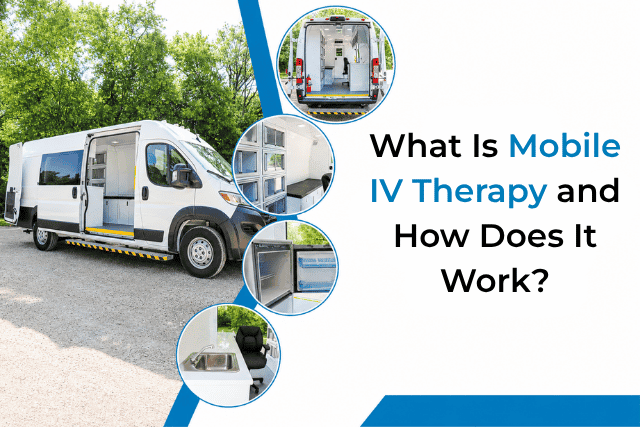
A mobile IV therapy van gives your team a dedicated space for treatment.
This option offers more control than carrying supplies into a home, office, or hotel. The vehicle can be designed around the way your staff works.
A mobile IV therapy van may include:
- A treatment chair
- Secure medical storage
- Refrigeration
- Handwashing or sanitation systems
- A steady power supply
- Climate control
- Patient privacy features
- Wheelchair accessibility
The team can keep supplies organized and ready between visits. That cuts down on repeated setup and pack-up work.
A mobile IV van can also support care in areas where indoor space is limited. The provider can park near workplaces, rural communities, senior housing, or public events. This is one of several ways mobile medical units improve access to healthcare.
Still, the vehicle needs the right layout. A poor design can create tight movement, weak storage, or an awkward patient experience. The best setup starts with the care process, not the vehicle brochure.
Reviewing how mobile clinic design improves patient care can help your team think through movement, comfort, storage, and privacy before production begins.
Through a temporary community clinic
A temporary community clinic can bring mobile IV therapy to schools, churches, community centers, shelters, or public health sites.
This model may work well when a local group wants to host care for a set period. It can also help your team serve several people in one area.
The space may need:
- A private intake area
- A clean treatment zone
- Secure supply storage
- Access to electricity
- Clear entry and exit paths
- A plan for clinical waste
- A quiet place for patient screening
Temporary clinics can support strong community access, but the setup may change every time. Staff often need to arrive early, inspect the site, bring equipment inside, and rebuild the care space from scratch.
How does carrying supplies inside compare with using a dedicated vehicle?
Carrying supplies into a building gives your team flexibility. You can meet patients where they already are and use spaces that may cost less.
The trade-off is less control. Lighting, privacy, sanitation, storage, and room layout can vary from one visit to the next.
A dedicated mobile IV therapy van creates a more consistent work area. Supplies can stay organized, the power supply is planned, and the treatment space is easier to control.
The right choice depends on your program. Some teams may use both models. They might provide home visits for certain patients and use a mobile IV therapy van for workplaces, events, or community stops.
The key is to choose a setting that supports safe care, protects patient dignity, and helps your team work without added stress.
Organizations still deciding between vehicle formats may find it helpful to compare a mobile medical van with a mobile medical bus.
What equipment is needed for mobile IV therapy?
Mobile IV therapy needs more than IV bags and a treatment chair. Your team also needs the right tools for patient checks, safe treatment, emergency response, medical storage, and recordkeeping. The exact setup can vary, but most mobile IV equipment falls into the categories below.
| Category | Examples |
| Clinical supplies | IV tubing, catheters, dressings, tape, syringes, saline, and prescribed mobile IV fluids. |
| Monitoring | Blood pressure cuff, thermometer, pulse oximeter, stethoscope, and other tools used during patient checks. |
| Emergency readiness | Emergency medications, oxygen, response equipment, and clear instructions for calling for added help. |
| Storage | Lockable cabinets, labeled bins, refrigeration, and temperature-controlled storage for sensitive supplies. |
| Infection control | Gloves, disinfectant, handwashing supplies, clean work surfaces, and protective equipment. |
| Waste handling | Sharps containers, sealed waste bins, and secure clinical waste storage. |
| Documentation | Tablet, paper forms, consent records, treatment notes, and secure patient records. |
A full mobile clinic equipment list can help your team separate must-have items from features that depend on your care model.
Good medical storage helps your team stay organized and reduces the risk of mix-ups. Supplies should be easy to find, clearly labeled, and protected from damage or unauthorized access.
Purpose-built medical storage cabinets may help teams use vertical space and keep sensitive items secured.
Your mobile IV equipment should also match the way your team works. A high-volume service may need more storage and backup supplies. A smaller program may need less equipment, but it still needs the same focus on safety and clean care.
The goal is to give your clinicians what they need without crowding the treatment space. Every item should have a clear purpose and a secure place.
What does a mobile IV therapy van need?
A mobile IV therapy van needs a private treatment area, secure storage, steady power, sanitation systems, heating and cooling, accessibility, and reliable internet. Each feature should support safe care while giving patients a calm, respectful place to receive treatment.
The best layout starts with your care process. Think about how patients enter, where supplies are stored, and how your clinician moves during treatment. A mobile IV clinic should fit the way your team works, rather than forcing your team to work around the vehicle.
The Mobile Clinic Van is one example of a van-based space designed around private, one-on-one healthcare services.
How does a mobile IV therapy van protect patient privacy?
Patients may discuss medications, symptoms, and personal health concerns during mobile IV therapy. They need a space where they can speak freely without being overheard.
Privacy features may include:
- A solid treatment area away from the vehicle entrance
- Privacy curtains or dividers
- Tinted windows or window coverings
- Space for private patient screening
- Sound control where possible
A comfortable treatment chair should give the patient proper support during the IV infusion. There also needs to be enough room for a registered nurse to reach the patient and monitor the IV site.
Clear floor space is important, too. Your clinician shouldn’t have to squeeze past cabinets, equipment, or another chair while caring for someone. Good layouts give staff a safe path around the patient.
The Mobile Clinic Van uses a doctor’s-office-style setup that can support private, one-on-one care. Layout options can include a patient bed, desk space, privacy features, and storage built around the treatment area.
Teams can also review practical ways to protect privacy in a mobile clinic van before choosing windows, dividers, furniture, and technology.
How should medical supplies be stored?
A mobile IV van needs secure and organized medical storage. Supplies should stay easy to reach without taking over the treatment space.
Useful storage features include:
- Lockable cabinets for medications
- Labeled bins for daily supplies
- Separate areas for clean and used items
- Secure storage for patient documents
- Temperature-controlled storage where required
Floor-to-ceiling cabinets can make use of the van’s height while keeping the floor clear. Under-seat or under-bed storage may also help your team carry supplies without creating clutter.
Medication security deserves careful planning. Cabinets should protect prescribed products from theft, damage, and unauthorized access. Learning how medication storage works in a mobile health vehicle can help your team identify questions for its clinical and compliance advisors.
Some mobile IV fluids, medications, or nutrients may also require refrigeration. The fridge must hold the right temperature while the vehicle is parked or moving. Your team should be able to check and record that temperature as needed.
What type of power does an IV therapy vehicle need?
A mobile IV therapy van relies on power throughout the workday. Losing electricity could affect lighting, refrigeration, communication, and patient comfort.
The electrical system may need to support:
- Bright interior lighting
- Medical refrigeration
- Tablets and laptops
- Equipment charging
- Heating and air conditioning
- Internet equipment
- Small clinical devices
The Mobile Clinic Van can include regular outlets, 12-volt plugs, USB ports, and added power near the work area. These options help healthcare teams operate equipment and complete office tasks inside the vehicle.
Your program may also need backup power. The right choice depends on how long the vehicle operates, what equipment it carries, and if it stays parked for hours at a time.
Power should be planned before the vehicle is built. Adding a fridge later sounds simple until there’s no safe outlet left. That’s a headache your team can happily skip.
Your team should compare batteries, shore power, generators, and mixed systems before approving the conversion. This guide explains how to run a mobile clinic on an external power source.
How does a mobile IV clinic support infection control?
A clean workspace helps protect patients and staff. Your mobile IV clinic should have surfaces that are easy to wipe down between visits.
Important features may include:
- A sink or approved hand sanitation setup
- Smooth, cleanable counters
- Medical-grade or low-maintenance flooring
- Secure clinical waste storage
- Sharps containers
- Separate clean and used supply areas
The Mobile Clinic Van can include a sink, wipe-clean surfaces, industrial flooring, and cabinets suited to a medical setting.
Your sanitation plan should also cover water supply, wastewater, disinfectant storage, and daily cleaning. Staff need enough room to clean without moving half the van around first.
OSHA’s Bloodborne Pathogens Standard covers occupational exposure to blood and other potentially infectious materials. It includes requirements related to engineering controls, work practices, and regulated waste.
Why is heating and air conditioning so important?

Heating and air conditioning help keep patients comfortable during mobile IV hydration therapy. A patient may sit in the treatment chair for some time, so the space shouldn’t feel too hot, cold, or stuffy.
Temperature can also affect mobile IV equipment and supplies. Some products need controlled conditions even when they don’t require refrigeration.
Rear heating and air conditioning can help keep the treatment space separate from the driver’s area. This gives your team more control while the vehicle is parked and providing care.
Poor climate control can affect the patient and staff experience. These examples explain how mobile clinic air conditioning affects patient comfort.
How can a mobile IV van support accessibility?
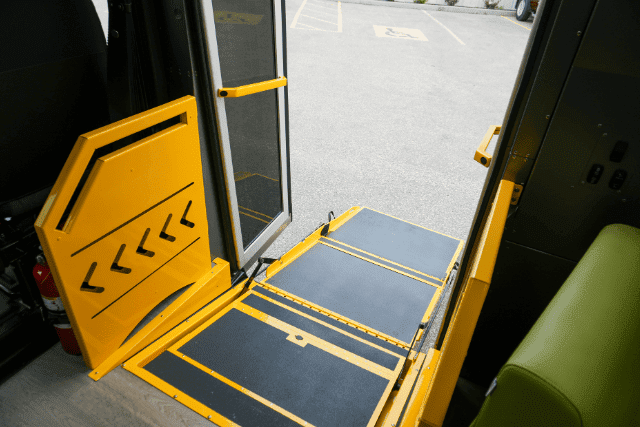
Wheelchair accessibility can help your mobile IV service reach more people with dignity.
An accessible setup may need:
- A ramp or lift for wheelchair entry
- Clear floor space inside the vehicle
- Room for safe transfers
- Accessible treatment seating
- Wide paths around equipment
- Secure wheelchair positioning where required
Accessibility should be part of the first layout discussion. It can be hard and costly to add once cabinets, plumbing, and power systems are already in place.
The entry system also affects space, weight, and workflow.
What internet and documentation systems are needed?
A mobile IV therapy van also works as a small medical office. Your team may need secure internet to access records, process payments, and contact clinical leadership.
The setup may include:
- Secure Wi-Fi or cellular service
- A tablet or laptop
- Protected access to patient records
- Payment processing equipment
- A printer or label maker
- Video or phone access to a medical director
Connectivity can vary in rural parts of states like Montana, Arizona, or North Dakota. Your team should plan how records will be handled when the signal drops.
Understanding how internet works in mobile medical vehicles can help you plan routers, cellular service, device locations, and backup processes.
A well-planned IV therapy vehicle brings these systems together in one organized space. The goal is to help your clinicians focus less on setup problems and more on the person sitting in front of them.
How does a mobile IV van compare with an in-home IV service?
A mobile IV van gives your team a dedicated care space, while an in-home IV service brings the clinician into the patient’s location. Both models can reduce travel barriers, but they create different needs for storage, privacy, staffing, and daily scheduling.
| Factor | Mobile IV van | In-home service |
| Treatment location | Care takes place inside a dedicated vehicle. | Care takes place inside the patient’s home, workplace, or other location. |
| Storage | Supplies stay organized inside the mobile IV van. | Staff must carry supplies into each location. |
| Privacy | The team controls the treatment environment. | Privacy depends on the available room and who else is nearby. |
| Patient travel | The patient travels to the parked vehicle. | The provider travels directly to the patient. |
| Daily capacity | The team may serve several patients at one stop. | More time may be spent driving between patients. |
| Accessibility | The vehicle can include wheelchair entry and clear floor space. | Access depends on the building, doorway, stairs, and room layout. |
| Visibility | A branded vehicle can build awareness in the community. | The service has less public visibility between appointments. |
An in-home model may work well for patients who can’t travel at all. A mobile IV therapy van may be a better fit when your team wants a steady setup, secure medical storage, and less time spent carrying equipment from place to place.
Some organizations use both. The right choice depends on who you serve, how far your team travels, and how much control you need over the treatment space.
Teams comparing a mobile program with a building-based model may also benefit from reviewing mobile medical clinics versus traditional clinics.
What are the benefits of a mobile IV therapy van?
A mobile IV therapy van gives your team a steady place to work, store supplies, and care for patients. The biggest benefits are operational. It can reduce daily setup, improve privacy, and make it easier to bring services to workplaces, events, and community sites.
- Organized medical workspace: Your team can keep treatment supplies, forms, and equipment in set locations. That makes it easier to prepare for each patient and avoid searching through bags or boxes.
- Secure supply storage: Lockable cabinets can protect mobile IV fluids, medications, and sensitive equipment. Refrigeration and temperature-controlled storage may also be built into the vehicle where needed.
- Consistent treatment environment: Homes, offices, and event spaces can vary. A mobile IV therapy van gives you more control over lighting, sanitation, seating, and patient flow.
- Less setup and teardown: Supplies can stay organized inside the mobile IV van between stops. Your team spends less time carrying equipment in and out of buildings.
- Better privacy: A dedicated treatment area can help patients feel more comfortable discussing health concerns. It also gives your staff more control over who enters the space.
- Workplace and event access: A mobile IV clinic can park near offices, job sites, conferences, and community events. Several patients may be served at one location.
- Community visibility: A branded IV therapy vehicle can help people understand what your organization offers and where services are available.
- Potential wheelchair accessibility: The vehicle can be designed with a ramp, clear floor space, and accessible seating.
These points overlap with many of the broader advantages of a mobile medical van, including flexible deployment and a more controlled workspace.
For many organizations, the main value is simple: fewer setup problems, a more predictable workspace, and more time focused on patient care.
What are the limitations of mobile IV therapy?
Mobile IV therapy can make care easier to reach, but it still comes with practical limits. Most of these can be managed with good planning, trained staff, and a clear operating process.
- State-by-state regulation: Rules for mobile IV therapy can differ across the U.S. Your team may need different licenses, protocols, or staff roles in each state.
- Clinical oversight: A medical director or other approved provider may need to guide treatment plans, standing orders, and staff decisions.
- Patient eligibility: Mobile IV therapy isn’t the right fit for every patient. Screening helps your team decide who can receive care safely.
- Emergency preparedness: Staff need clear steps for handling a reaction, stopping treatment, calling 911, or referring a patient for added care.
- Medication and fluid storage: Some mobile IV fluids and medications need secure cabinets, refrigeration, or temperature-controlled storage.
- Waste disposal: Sharps, used supplies, and clinical waste must be stored and removed under local rules.
- Insurance needs: Your organization may need medical liability, commercial auto, and other coverage based on its services.
- Vehicle maintenance: A mobile IV therapy van needs regular service so the electrical, plumbing, HVAC, and safety systems stay dependable.
- Limited interior space: A van has less room than a fixed clinic, so the layout must balance seating, storage, and clear movement.
- Reliable power and HVAC: Lighting, refrigeration, device charging, heating, and cooling all depend on a steady power setup.
Some problems begin during the design stage. Reviewing common mobile clinic customization mistakes may help your team identify preventable layout and workflow issues.
Long-term planning should also include the annual costs of mobile medical van maintenance.
These limits don’t rule out a mobile IV service. They simply help define what your program needs before it launches.
What regulations apply to mobile IV therapy?
Mobile IV therapy rules can touch both healthcare and vehicle operations. Your team may need to review several areas before launching or expanding a mobile IV service.
Key areas may include:
- Scope-of-practice rules: These define what a registered nurse, nurse practitioner, physician, or other clinician can do.
- Medical-director requirements: Some programs may need a physician or medical director to guide protocols and treatment decisions.
- Prescribing rules: State law can affect who may order IV fluids, medications, or other treatments.
- Pharmacy and storage rules: These may cover medication handling, refrigeration, secure cabinets, and temperature-controlled storage.
- Business licensing: Your organization may need state, county, or city licenses.
- Mobile healthcare facility rules: Some states may treat a mobile IV clinic as a healthcare facility.
- Medical waste disposal: Sharps and clinical waste must be handled, stored, and removed correctly.
- Patient privacy: Your team still needs to protect records and private health information.
- Commercial vehicle regulations: Vehicle weight, driver licensing, insurance, and inspections may apply.
- Local operating permits: Cities or counties may have rules for parking, events, or temporary care sites.
Covered healthcare organizations should understand that HIPAA applies to certain providers, health plans, and clearinghouses. It also creates obligations for protecting patient information and working with business associates.
OSHA’s bloodborne-pathogen guidance also recommends planning for the safe handling and disposal of sharps before a procedure begins.
Requirements can differ significantly by state, so operators should verify the rules for every state in which they plan to provide care. It’s always suggested that you do your due diligence across all of these areas before launching or expanding your mobile IV therapy program.
Do not assume that a setup approved in one state will meet the rules in another. Have qualified legal, clinical, insurance, and compliance professionals review your model. That step can help you avoid delays, added costs, and major changes after your program is already in motion.
How much does it cost to start a mobile IV therapy service?
Starting a mobile IV therapy service can cost anywhere from a smaller five-figure amount to several hundred thousand dollars. The biggest difference usually comes down to your service model. A team offering in-home care may spend far less than one building a fully equipped mobile IV therapy van.
The table below gives you a broad planning range for common startup costs.
| Cost category | Estimated range | What may be included |
| Business setup and licensing | $1,000 to $8,000 | Business registration, local permits, professional fees, and state applications. |
| Legal and compliance support | $3,000 to $15,000 | Policy reviews, consent forms, contracts, healthcare regulations, and risk planning. |
| Clinical training | $1,000 to $10,000 | IV training, emergency procedures, infection control, and staff onboarding. |
| Medical director or clinical oversight | $1,000 to $5,000 per month | Protocol development, standing orders where allowed, case review, and clinical support. |
| Insurance | $5,000 to $20,000 per year | Professional liability, general liability, commercial auto, workers’ compensation, and property coverage. |
| Mobile IV equipment and supplies | $10,000 to $40,000 | IV fluids, catheters, tubing, monitoring tools, emergency equipment, and treatment supplies. |
| Refrigeration and medical storage | $3,000 to $15,000 | Lockable cabinets, temperature-controlled storage, supply bins, and monitoring systems. |
| Software and technology | $2,000 to $12,000 | Scheduling, patient records, payment processing, secure internet, tablets, and printers. |
| Branding and marketing | $3,000 to $20,000 | Website updates, vehicle graphics, digital marketing, signage, and launch materials. |
| Mobile IV therapy van | $170,000 to $290,000 | Vehicle, conversion, treatment area, storage, power, HVAC, sanitation, and accessibility features. |
| Working capital | $20,000 to $75,000 | Payroll, supplies, fuel, insurance, and operating costs during the early months. |
These estimates can help you build an early budget, but they aren’t quotes or guaranteed prices. Costs can change based on your state, staffing model, insurance history, vehicle design, and the types of mobile IV therapy services you plan to offer.
Reviewing the broader cost of a mobile medical unit in the U.S. can help you understand how chassis, equipment, electrical systems, and customization affect vehicle pricing.
It’s always suggested that you do your due diligence across every cost area. Speak with qualified legal, clinical, insurance, accounting, and vehicle professionals before making a final investment.
What affects the cost of a mobile IV therapy van?
A mobile IV van may cost between $170,000 to $290,000, depending on the chassis and conversion.
A simpler IV therapy vehicle may include one treatment chair, basic medical storage, lighting, power, and climate control. A larger mobile IV clinic may include several treatment spaces, wheelchair accessibility, refrigeration, plumbing, added electrical capacity, and a private intake area.
Common factors that affect the final price include:
- Vehicle size: A larger van usually costs more to purchase and convert.
- Treatment capacity: More treatment chairs require added floor space, power, and storage.
- Accessibility: Ramps, lifts, clear floor space, and accessible seating can affect the design and price.
- Electrical needs: Refrigeration, HVAC, equipment charging, and medical devices may require a larger power system.
- Plumbing: A sink, freshwater tank, wastewater tank, and water heater add cost.
- Medical storage: Custom lockable cabinets and temperature-controlled storage can raise the budget.
- Exterior graphics: A full wrap usually costs more than simple logos and lettering.
The final vehicle size should reflect your staffing, equipment, and treatment plan. This overview explains the common sizes of mobile medical vans.
Customization decisions should also be based on daily workflow. Reviewing the main factors in mobile medical clinic customization can help your team prepare for design discussions.
The lowest upfront price may not always be the best value. A layout that slows down your staff or lacks enough storage can create daily frustration and added costs later.
What ongoing costs should you plan for?
Your startup budget is only part of the picture. A mobile IV service also has regular operating costs.
These may include:
- Staff wages
- Medical director fees
- Mobile IV fluids and supplies
- Insurance
- Fuel
- Vehicle maintenance
- Clinical waste disposal
- Refrigeration monitoring
- Internet and software
- Marketing
- Cleaning and sanitation
- Equipment replacement
Your team may also need funds for repairs, slower months, or delays in payment. Keeping several months of working capital can help you avoid making rushed decisions when an unexpected cost appears.
A detailed plan may include upfront costs, monthly expenses, reserves, and financing. These mobile clinic budgeting tips can help organize those numbers.
The best budget is one built around your actual service model. Start with the patients you plan to serve, the number of appointments you expect, and how your team will deliver care. Then choose the equipment, staffing, and vehicle that support that plan.
Who should consider a mobile IV therapy van?
A mobile IV therapy van may be a good fit for organizations that already provide healthcare or have the clinical systems to support it. It works best when the goal is to bring care closer to patients, expand service capacity, or create a more consistent treatment space.
Potential users include:
- Healthcare organizations: Hospitals, clinics, and health networks may use a mobile IV clinic to extend services into nearby communities.
- Infusion providers: Existing infusion teams may add a mobile IV van to reach patients who have trouble visiting a fixed site.
- Occupational health companies: These organizations may use a dedicated vehicle to serve workplaces, job sites, or employee health programs.
- Rural health programs: A mobile IV therapy van can help reduce long travel times in areas with fewer healthcare facilities.
- Community health organizations: Nonprofits and local health groups may use one to support outreach, education, and planned treatment programs.
- Event medical providers: Teams serving conferences, festivals, or large gatherings may benefit from a controlled treatment environment.
- Growing IV therapy companies: An established mobile IV service may add a vehicle when in-home visits no longer meet demand.
The strongest programs usually start with a clear care gap. They know who they want to serve, what problem they’re solving, and how the vehicle will support that work. The van is one part of the plan. The care model still comes first.
Questions to ask before buying a mobile IV van
Before buying a mobile IV van, your team should define how care will be delivered inside it. These questions can help you avoid space issues, missed equipment needs, and costly changes later. The clearer your answers are now, the easier it will be to plan the right layout.
Organizations preparing to purchase can also review how to choose a mobile medical van and compare those factors with their clinical needs.
Will patients be treated inside the vehicle?
Decide if the van will be a true treatment space or mainly a support vehicle. If patients will receive mobile IV therapy inside, you’ll need privacy, safe seating, climate control, and room for the clinician to work. The layout should also support patient screening, treatment, and recovery.
How many patients will be served at once?
One treatment chair needs far less space than two or three. More patients may improve daily capacity, but each chair also needs clear space, power access, storage, and safe movement around it. Plan for the number you expect to serve, not the maximum you might serve someday.
Trying to place too much inside the vehicle can create workflow problems. These tips for handling space constraints in mobile medical vans can help during early layout planning.
What medical supplies require secure storage?
List every supply your team plans to carry. Mobile IV fluids, medications, tubing, dressings, forms, and emergency equipment may all need different storage. Lockable cabinets can protect sensitive items, while labeled bins can help staff stay organized during a busy day.
Do any supplies require refrigeration?
Some medications, nutrients, or IV products may need temperature-controlled storage. If refrigeration is required, confirm the temperature range, fridge size, monitoring system, and backup power.
Your team should also plan how supplies stay protected when the vehicle is parked overnight or during a power loss. Learning how the fridge works in a mobile clinic can help you prepare practical questions about power and monitoring.
What emergency equipment must be carried?
Your clinical team should define what emergency equipment belongs in the vehicle. This may include oxygen, medications, monitoring tools, or other response supplies.
The equipment needs to be easy to reach, clearly labeled, and stored so it doesn’t block the treatment area. Your team should also identify how it will prevent safety incidents inside the mobile clinic.
Does the vehicle need wheelchair access?
Wheelchair access can help your program serve more people with dignity. If it’s required, plan for a ramp or lift, clear floor space, safe entry, transfer room, and accessible seating.
Accessibility should be included early because it can affect the full vehicle layout. Reviewing the steps involved in making a van wheelchair accessible may help your team understand the design impact.
How will the vehicle receive power?
A mobile IV therapy van may need power for lighting, refrigeration, heating, air conditioning, internet, and equipment charging.
Your team should decide if power will come from batteries, shore power, a generator, or a mixed system. Backup power may also be needed. Understanding how to power on a mobile clinic space can help staff use the completed system correctly.
Where will medical waste be stored?
Sharps, used supplies, and clinical waste need secure storage until they can be removed. The waste area should stay separate from clean supplies and patient items.
It should also be easy for staff to access without carrying waste through the main treatment space. OSHA identifies contaminated sharps and certain blood-contaminated materials as regulated waste under its Bloodborne Pathogens Standard.
Ready to plan your mobile IV therapy program?

You likely came to this article because your current setup makes it hard to reach more patients. Travel, limited clinic space, changing treatment locations, and daily setup can all slow your team down.
You now have a clearer picture of what mobile IV therapy involves:
- How care works: Patient screening, treatment approval, preparation, monitoring, and follow-up all work together.
- What a van requires: Privacy, medical storage, steady power, sanitation, accessibility, and secure technology shape the treatment space.
- What to plan for: Costs, regulations, staffing, insurance, maintenance, and patient needs should guide your decisions.
Your next step is turning that knowledge into a plan that fits your care model, team, and community. The right setup can give your clinicians a steady workspace and help patients receive care with greater comfort and dignity.
At AVAN Mobility, we start with the work happening inside the vehicle. We look at how your team moves, where patients sit, which supplies must stay close, and what could create stress during a busy day. That practical approach helps turn a vehicle idea into a space that supports real care. We’re proud to help healthcare teams remove barriers, strengthen human connection, and build programs that can save lives. If you have questions, click the button below to talk to a mobility expert.
If you’re not ready to speak with a mobility expert yet, these resources can help you take the next step.
Recommended next reads
- How to start a mobile IV therapy business: Learn what it takes to build the clinical, staffing, compliance, and operating sides of a mobile IV therapy business.
- How much does a mobile medical unit cost in the U.S.? Learn all about what you can expect to pay for a mobile IV therapy van
- Buying a mobile medical van: Your process with AVAN Mobility: Walk through the mobile medical van buying process, from the first conversation and layout planning through production, delivery, and support.
FAQ about mobile IV therapy
Q: What is mobile IV therapy?
A: Mobile IV therapy provides IV fluids, nutrients, or prescribed medications outside a traditional clinic.
Q: How does mobile IV therapy work?
A: A licensed clinician screens the patient, confirms treatment, prepares supplies, gives the IV, monitors the patient, and records the visit.
Q: Can IV therapy be provided inside a van?
A: Yes. A properly designed mobile IV therapy van can provide a private, clean, and organized treatment space.
Q: What equipment is needed for mobile IV therapy?
A: Common equipment includes IV supplies, monitoring tools, emergency equipment, secure storage, sanitation supplies, and patient record systems.
Q: Does a mobile IV van need refrigeration?
A: It may. Some medications, nutrients, and mobile IV fluids require temperature-controlled storage.
Q: How much does a mobile IV therapy van cost?
A: A mobile IV therapy van may cost about $170,000 to $290,000, depending on the vehicle and conversion.
Q: Is mobile IV therapy regulated?
A: Yes. Rules can vary by state and may cover licensing, prescribing, storage, staffing, privacy, and clinical oversight.